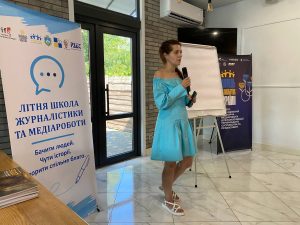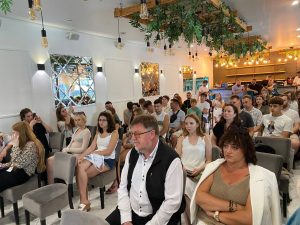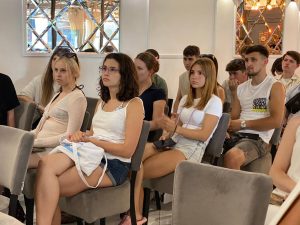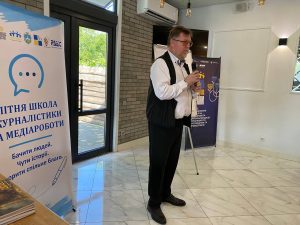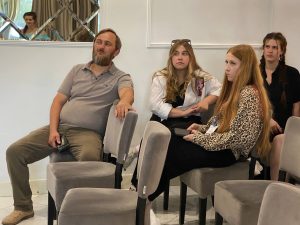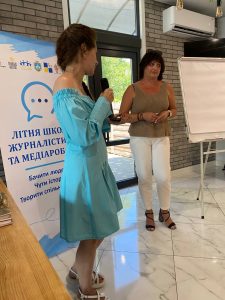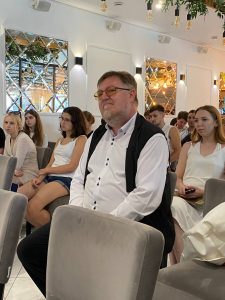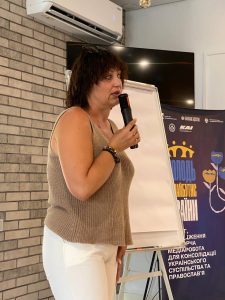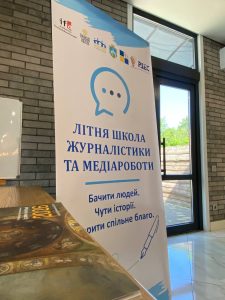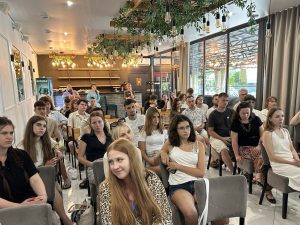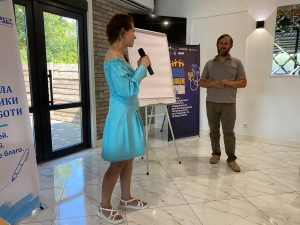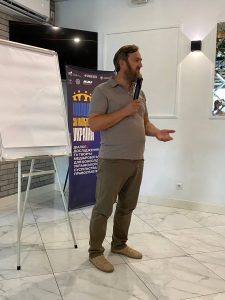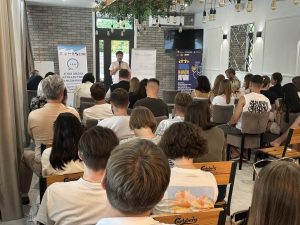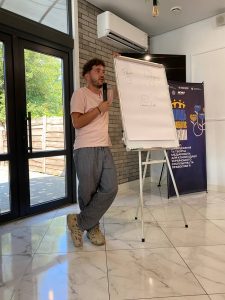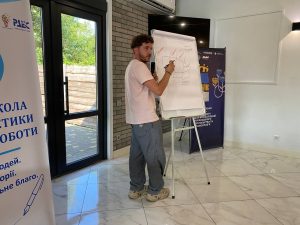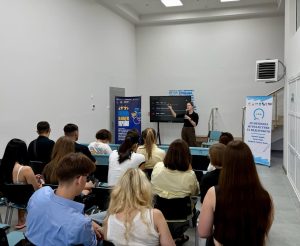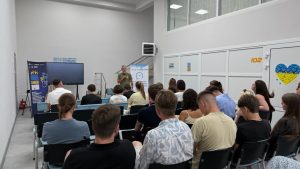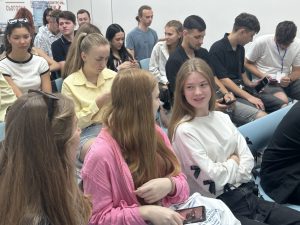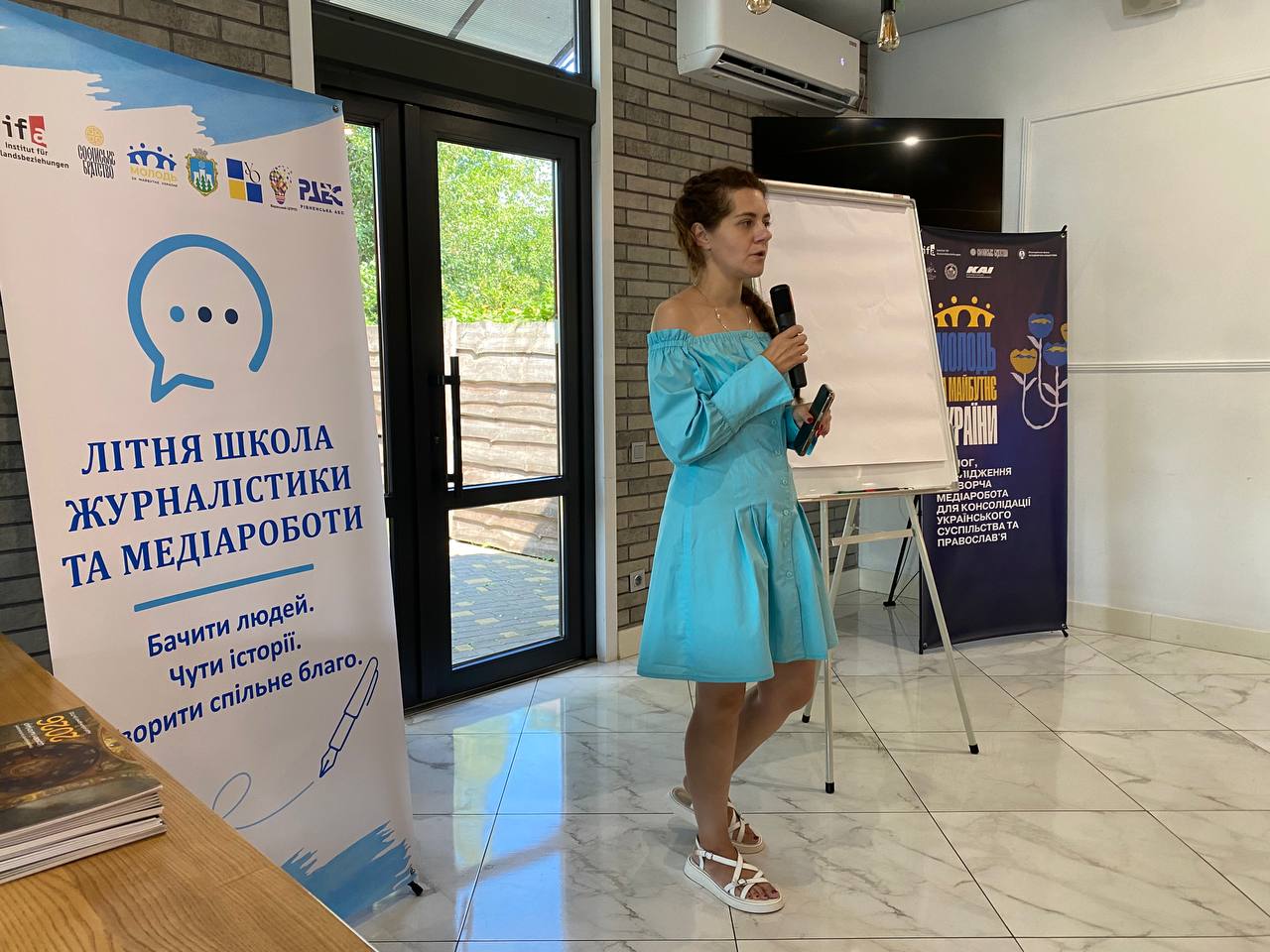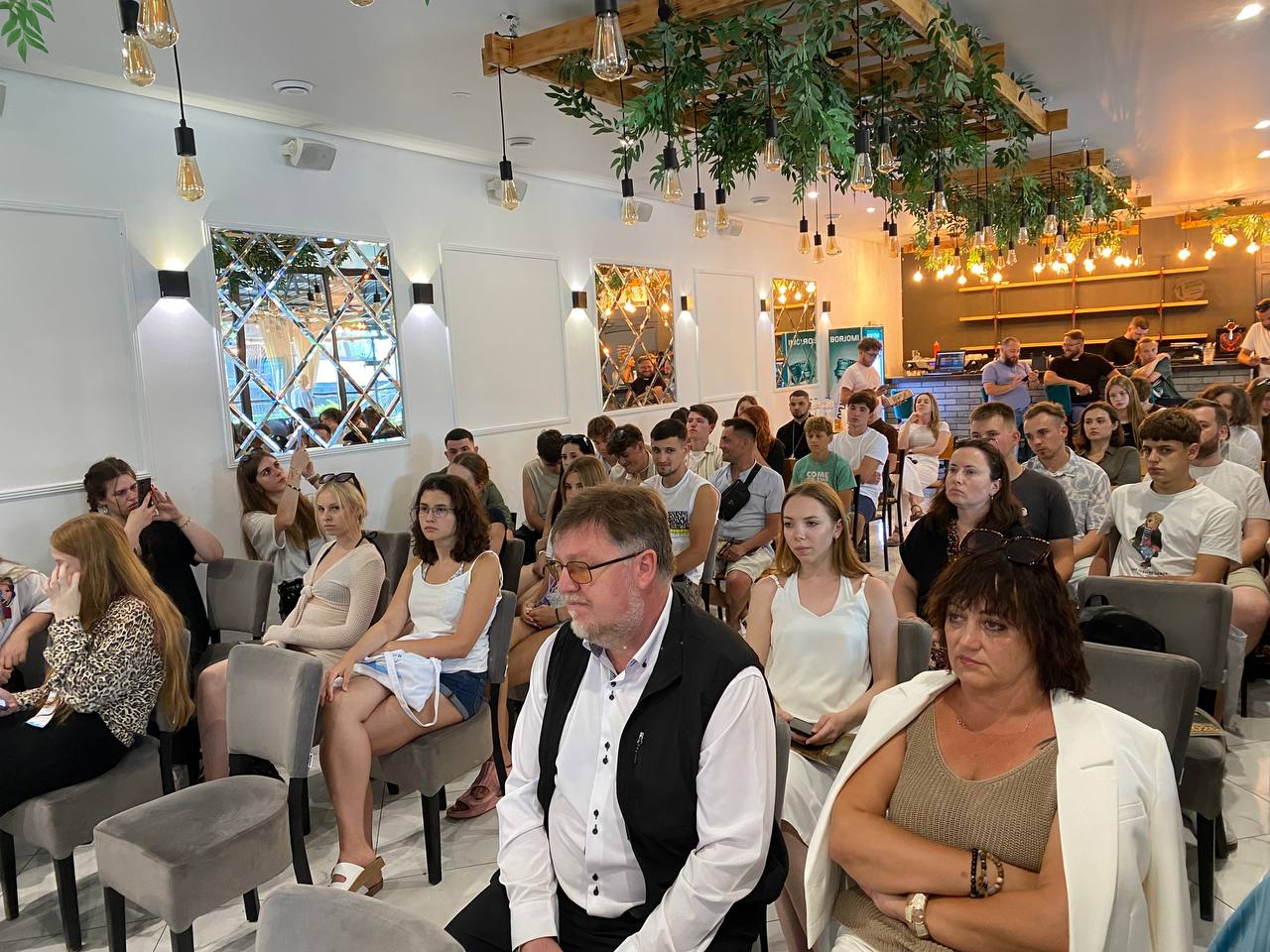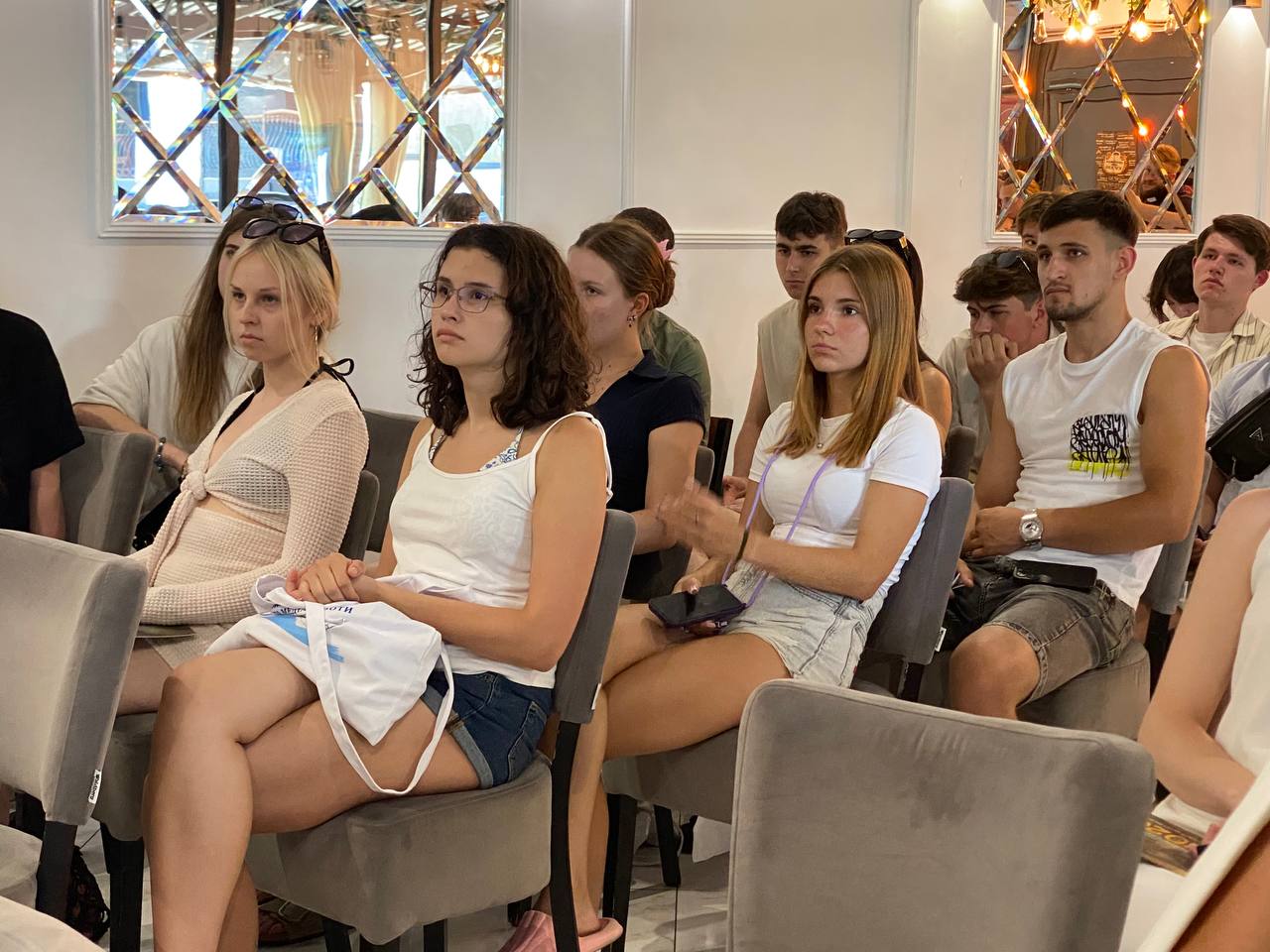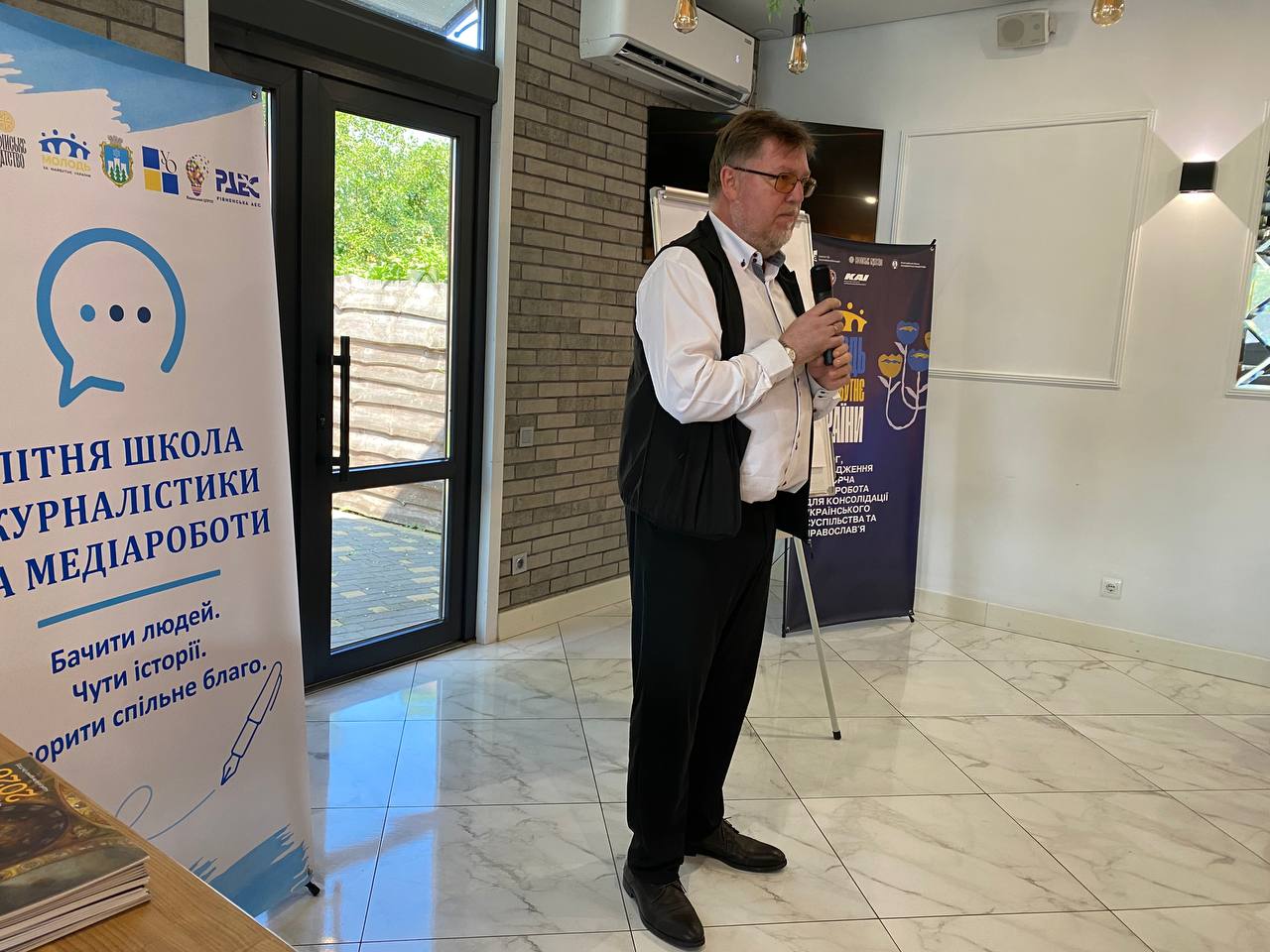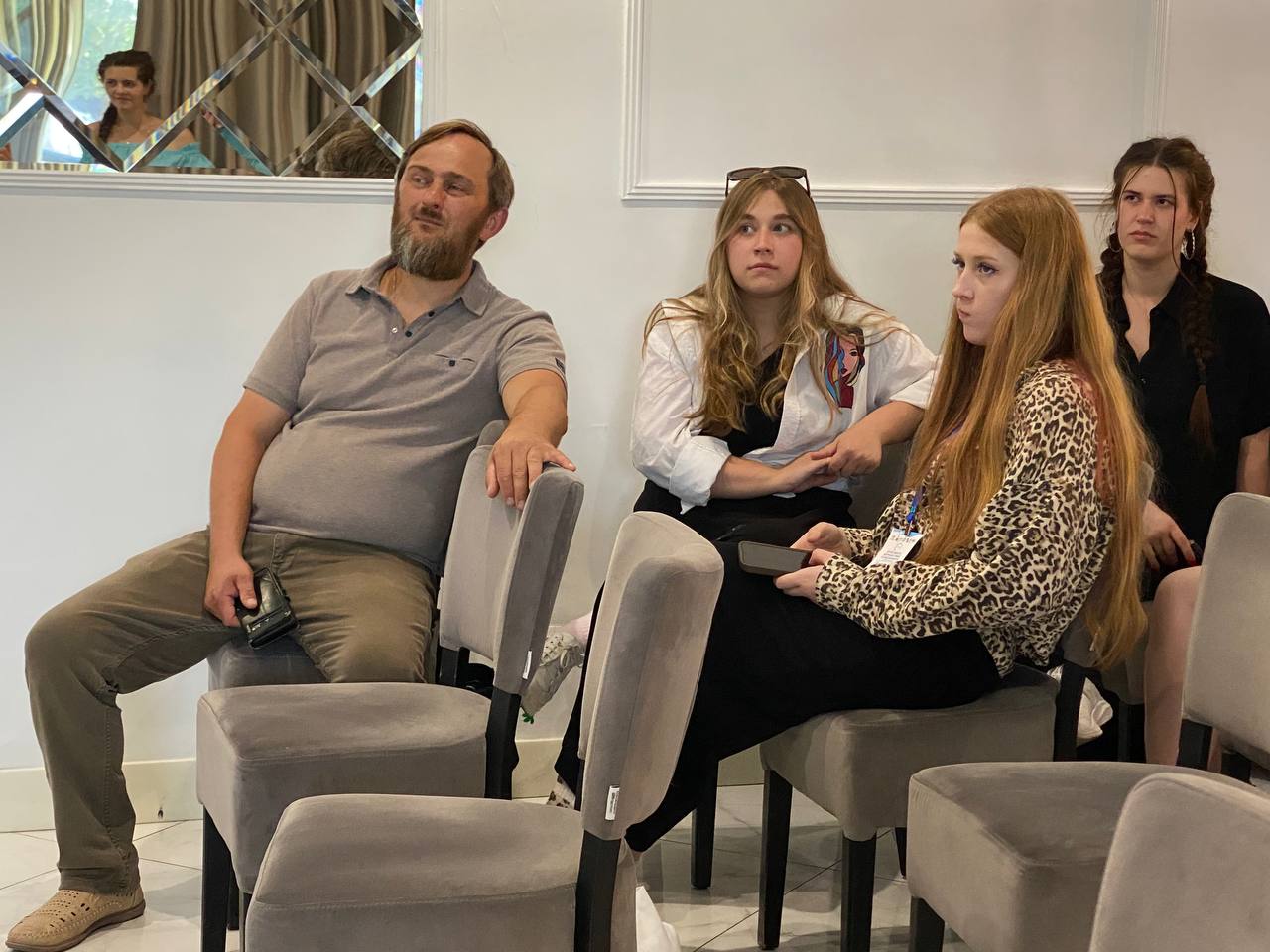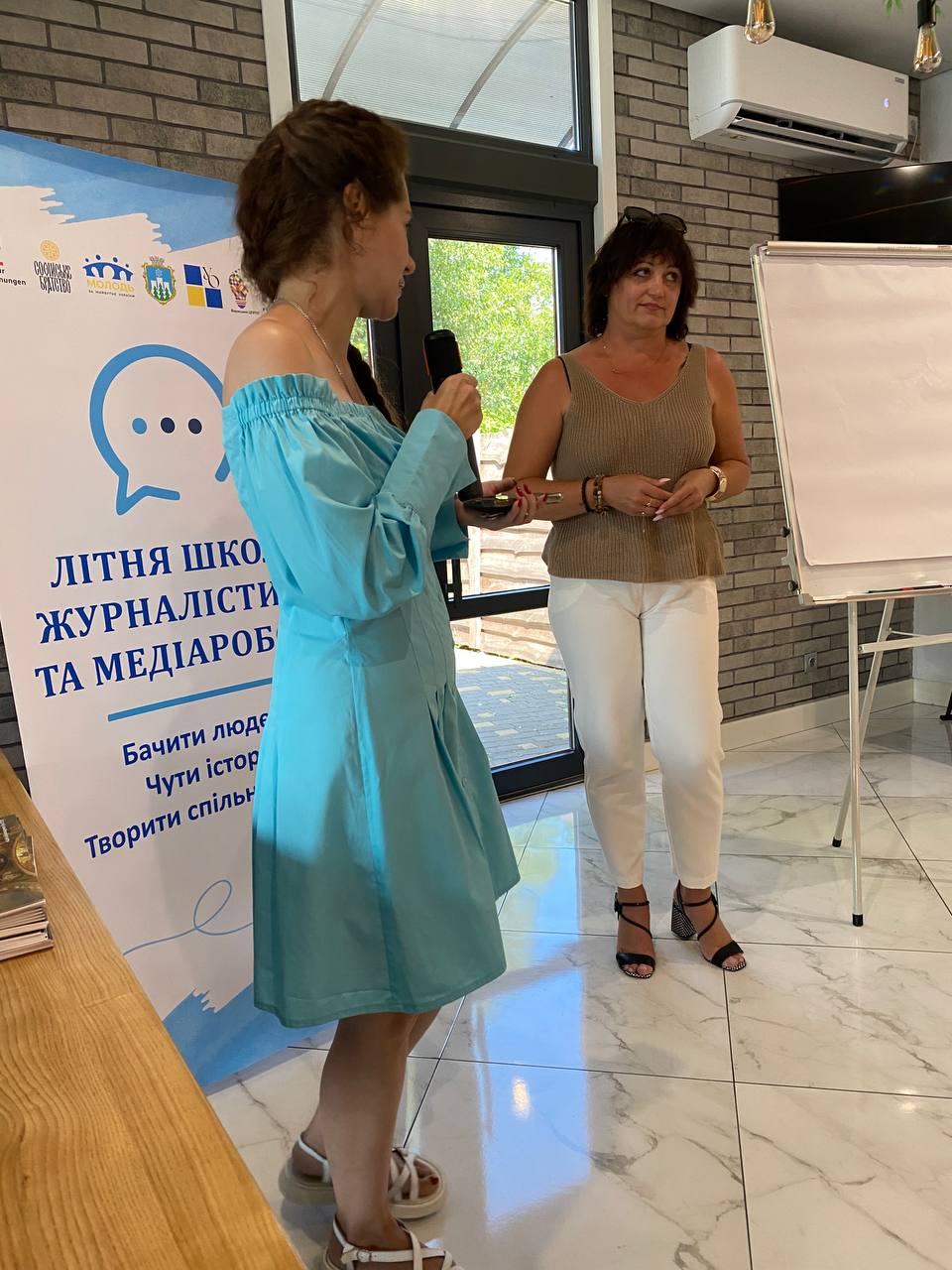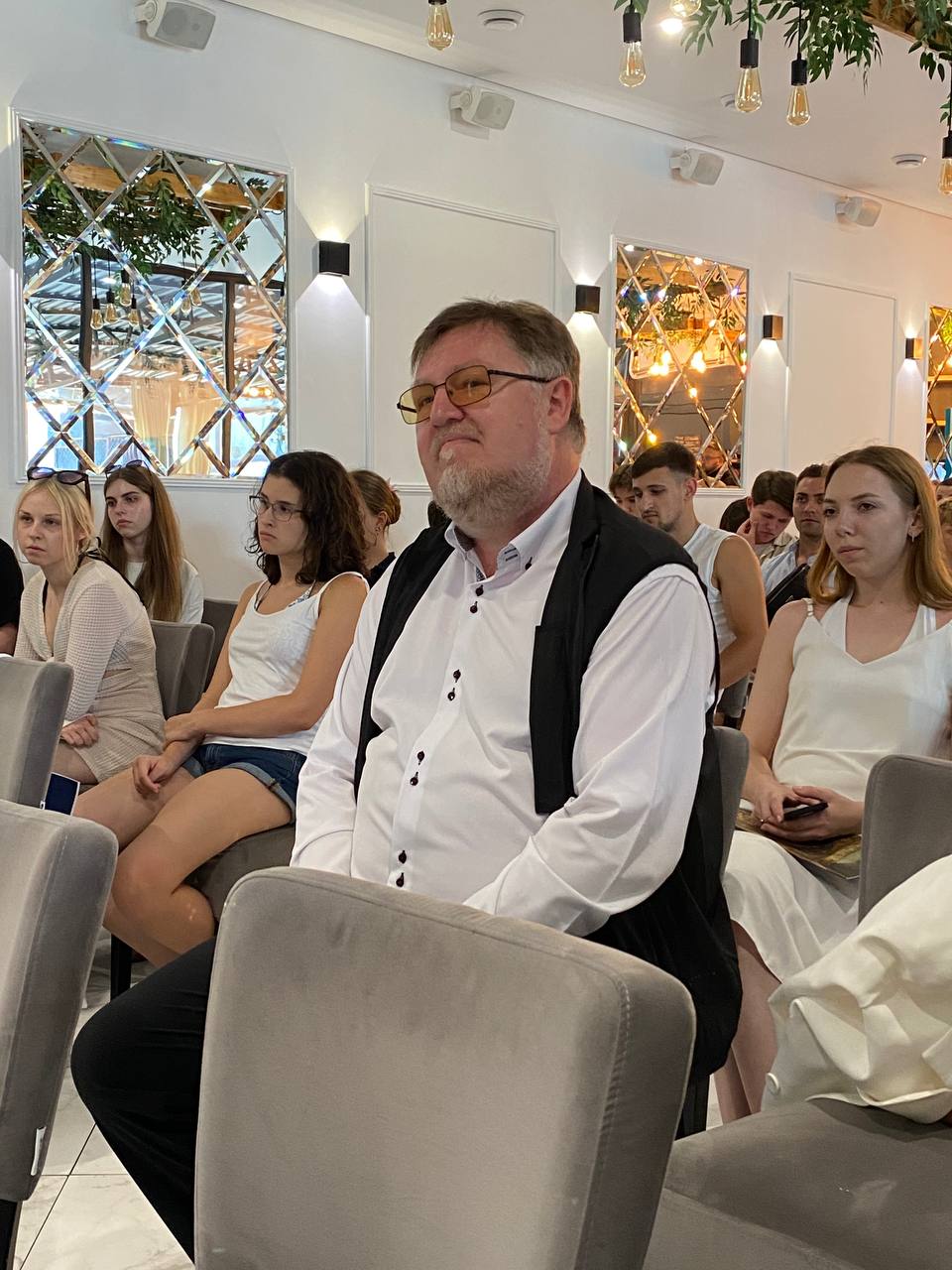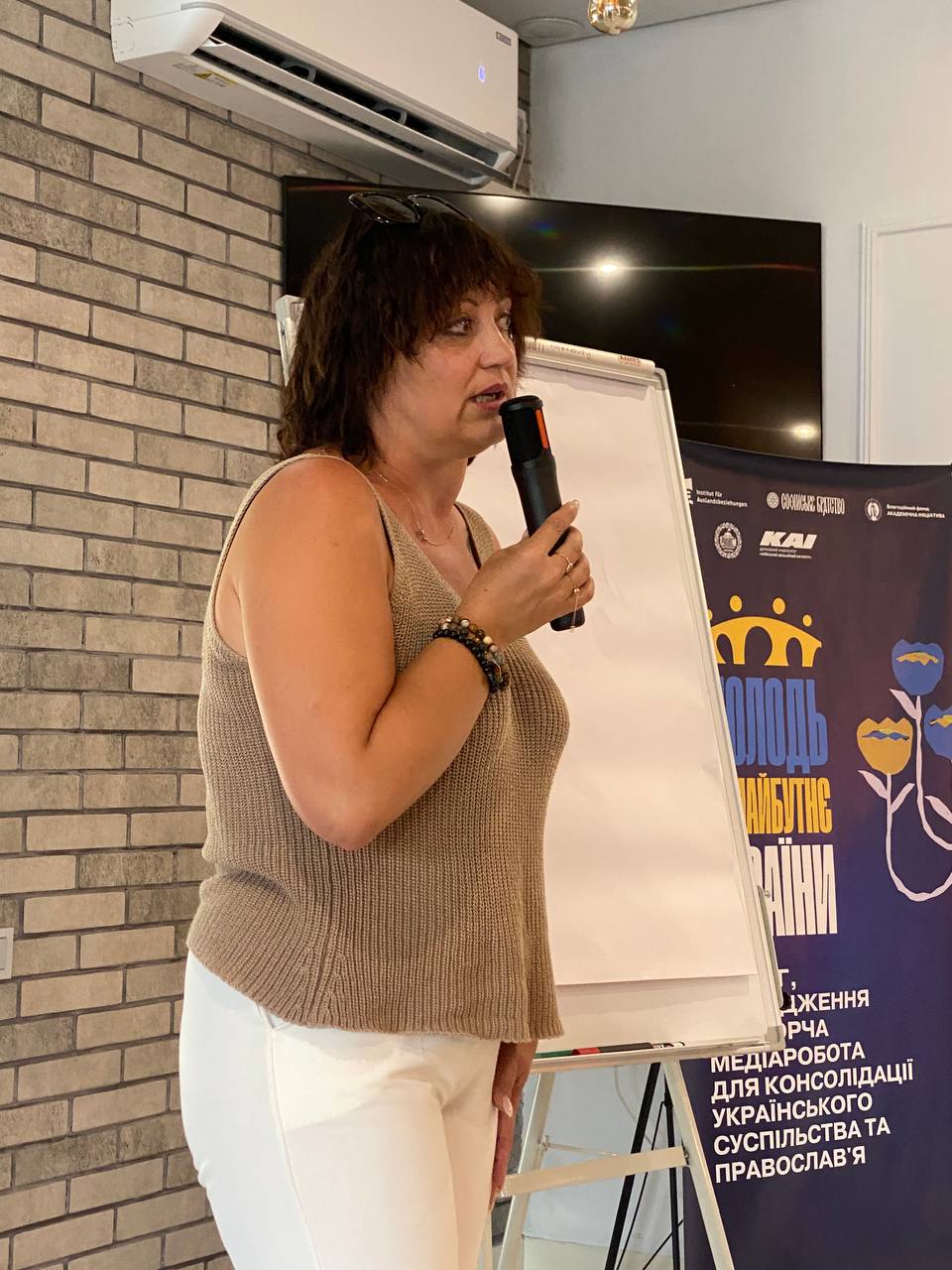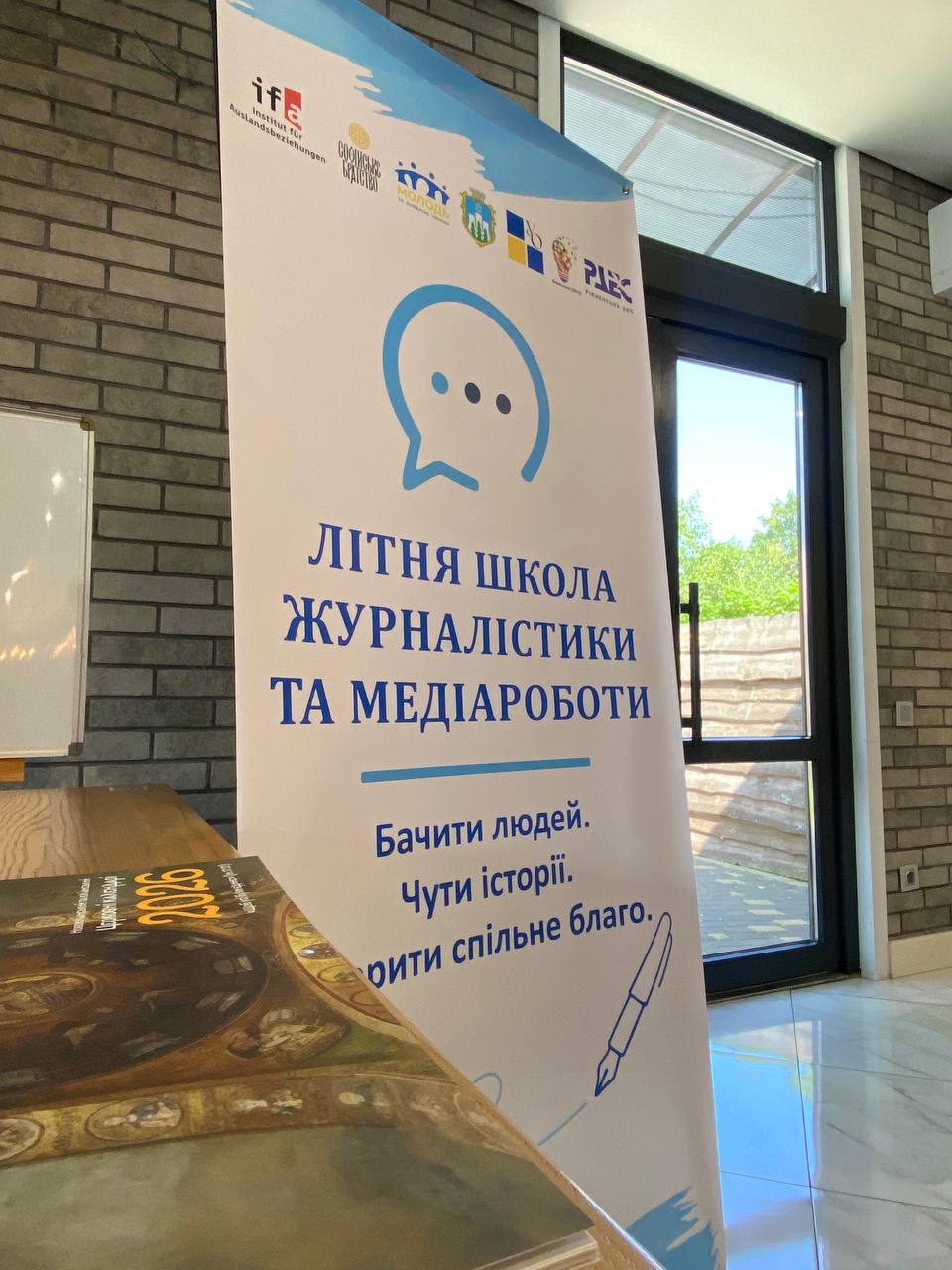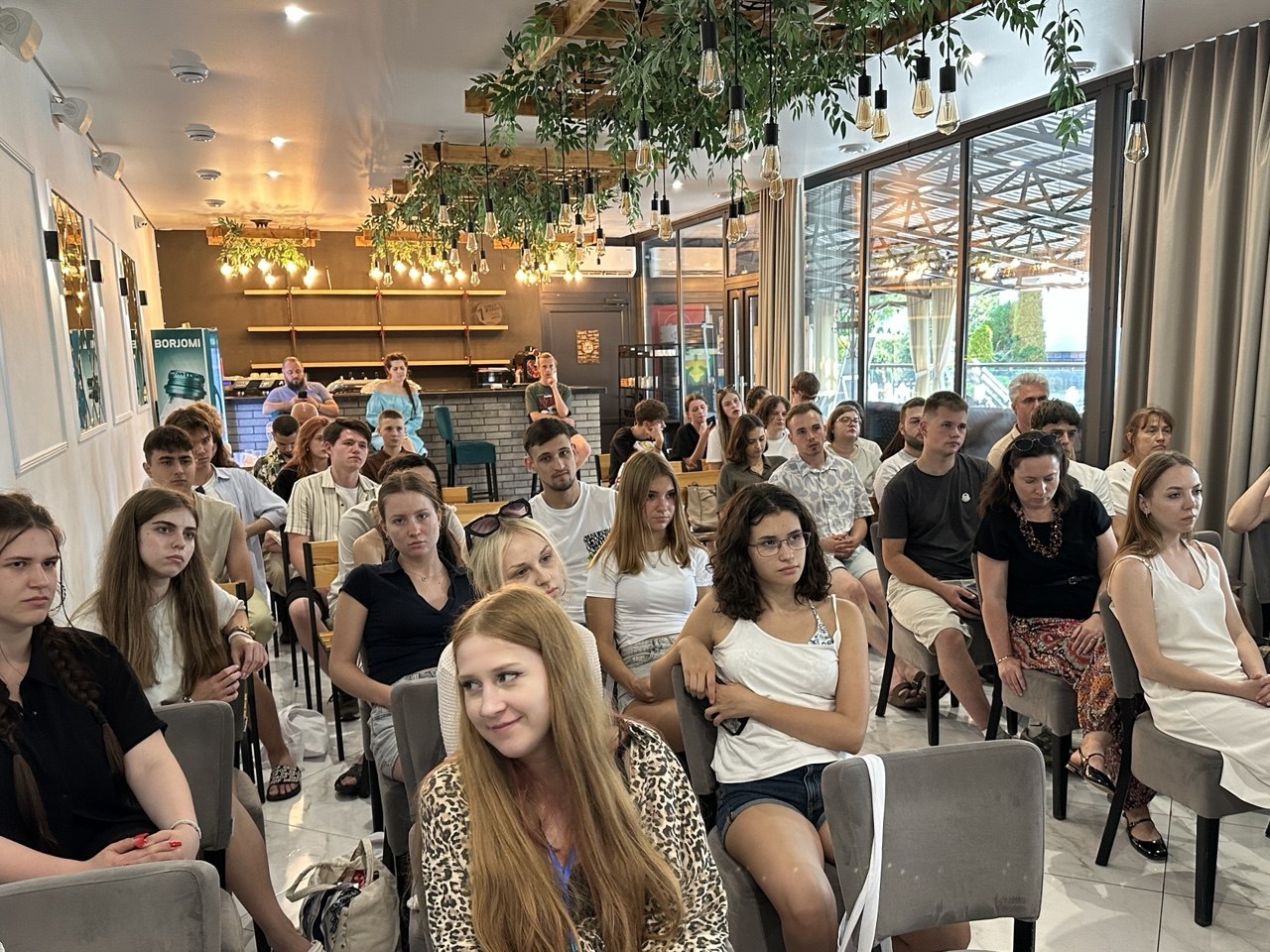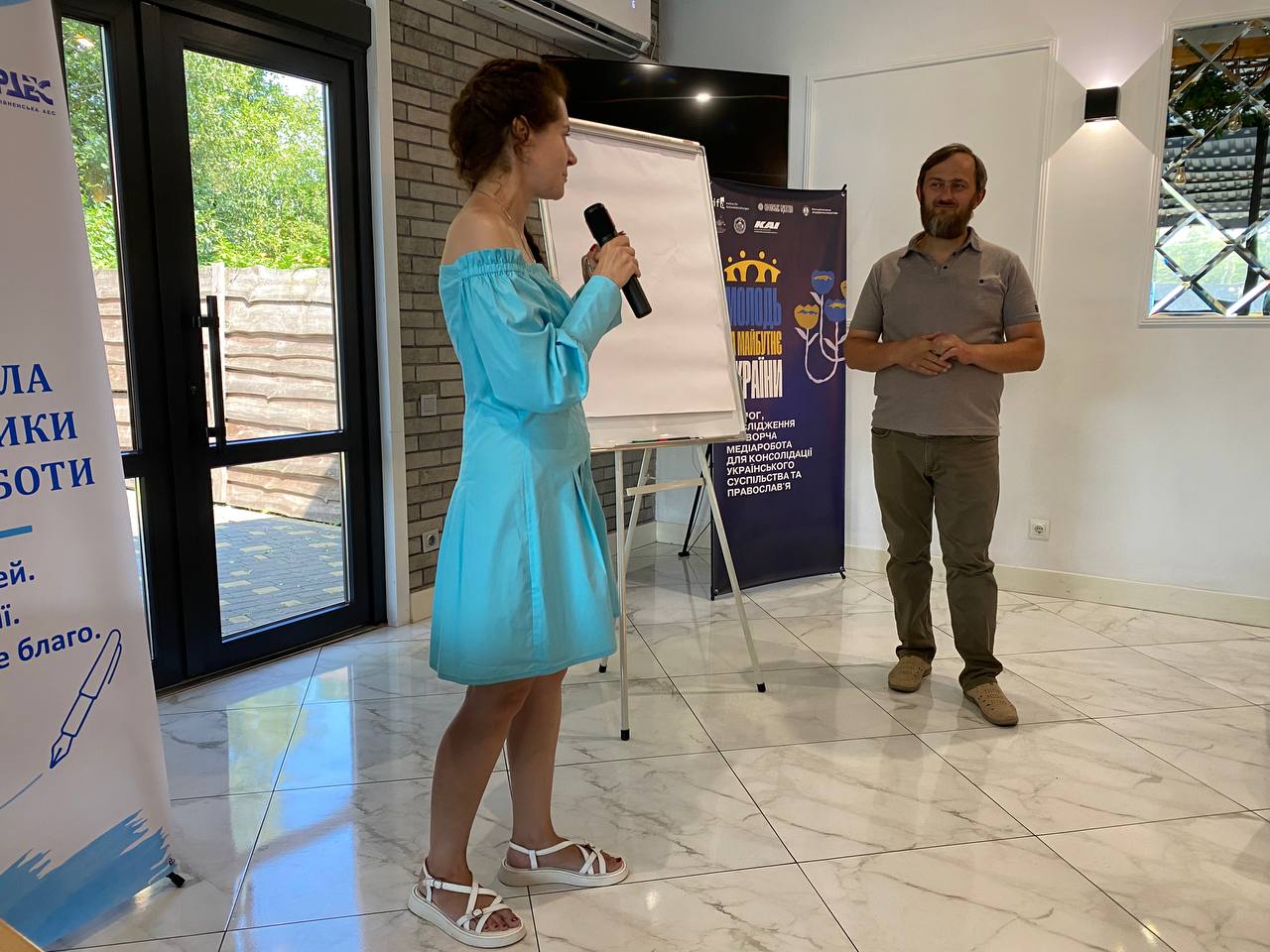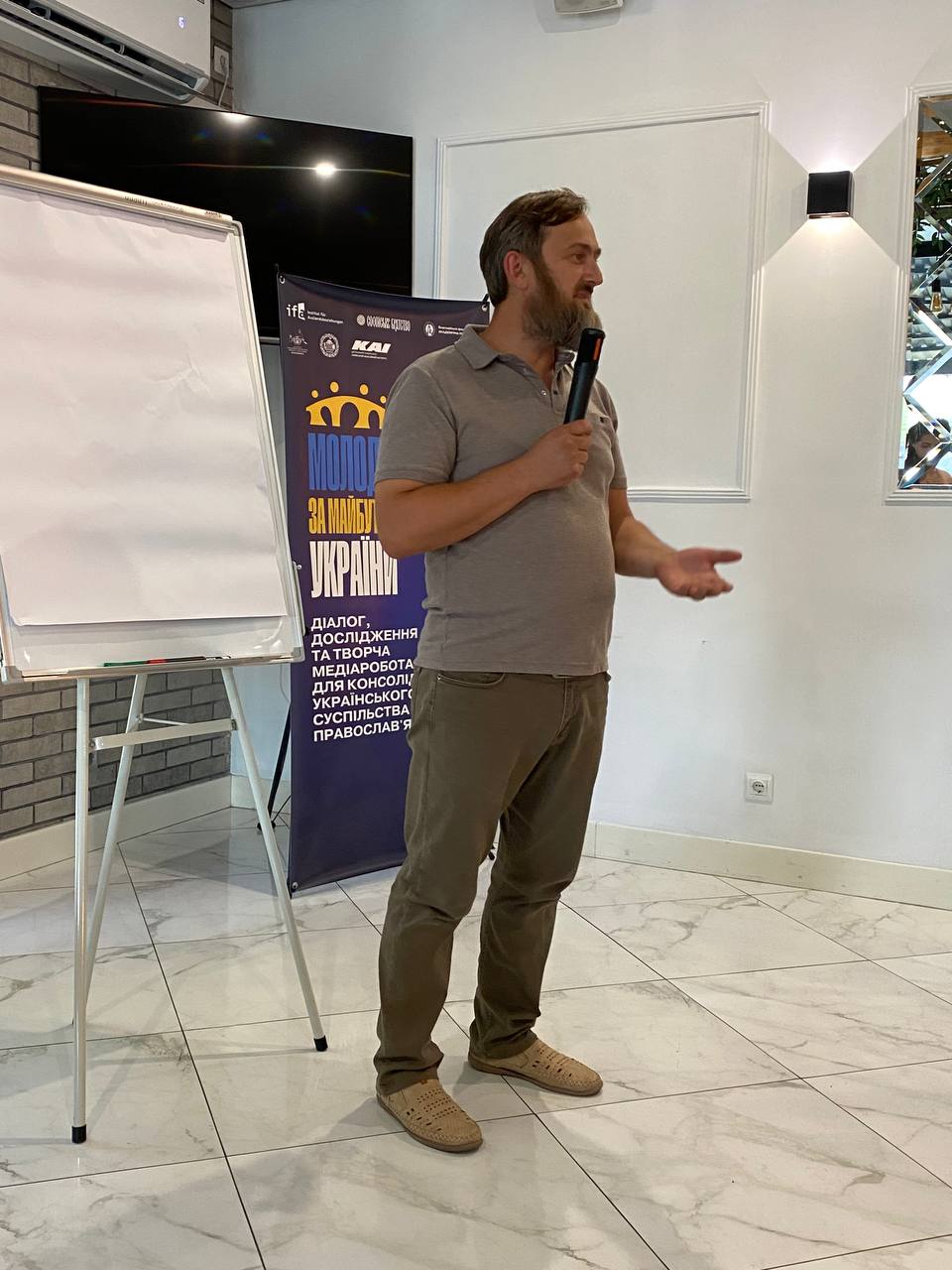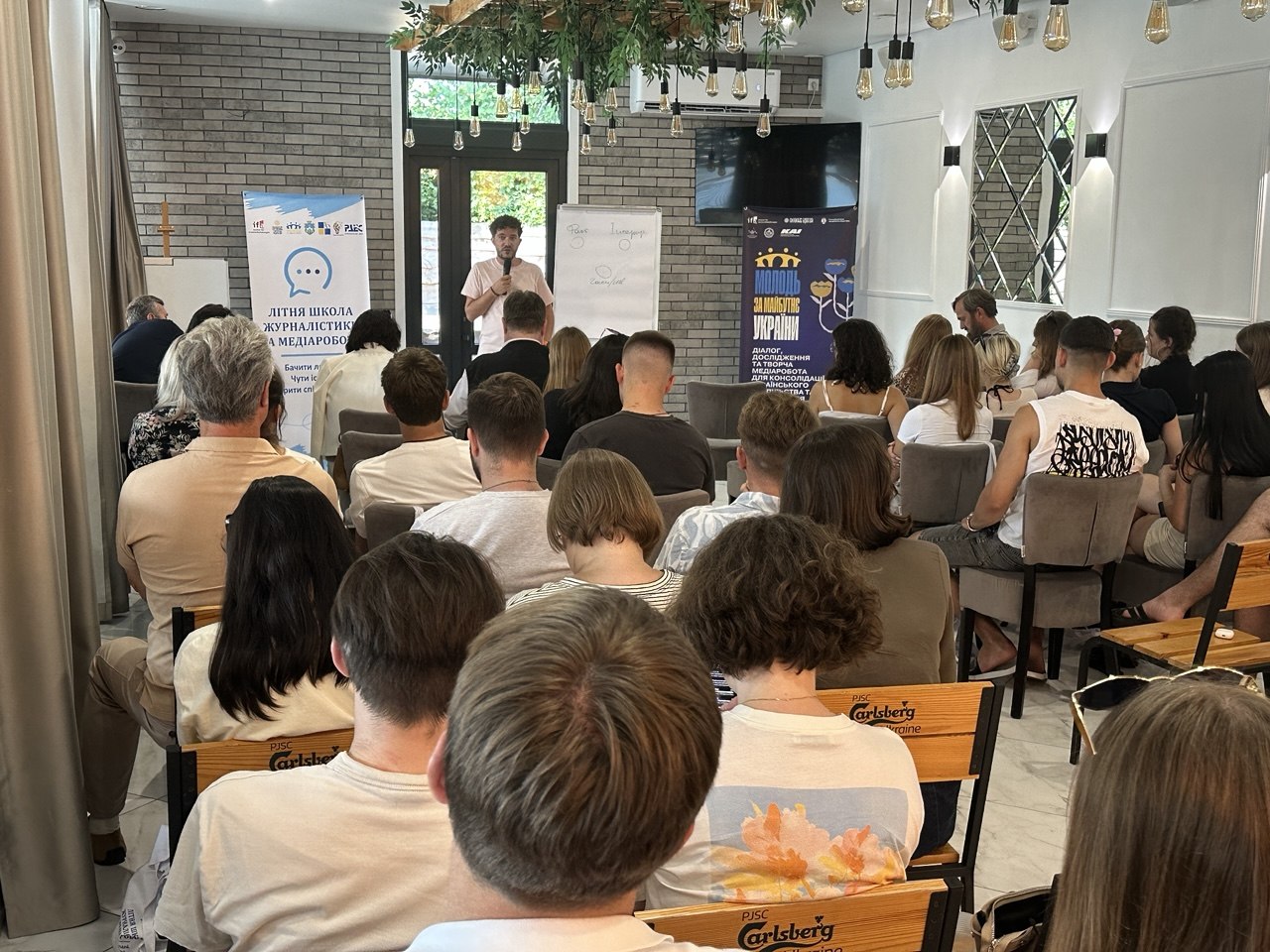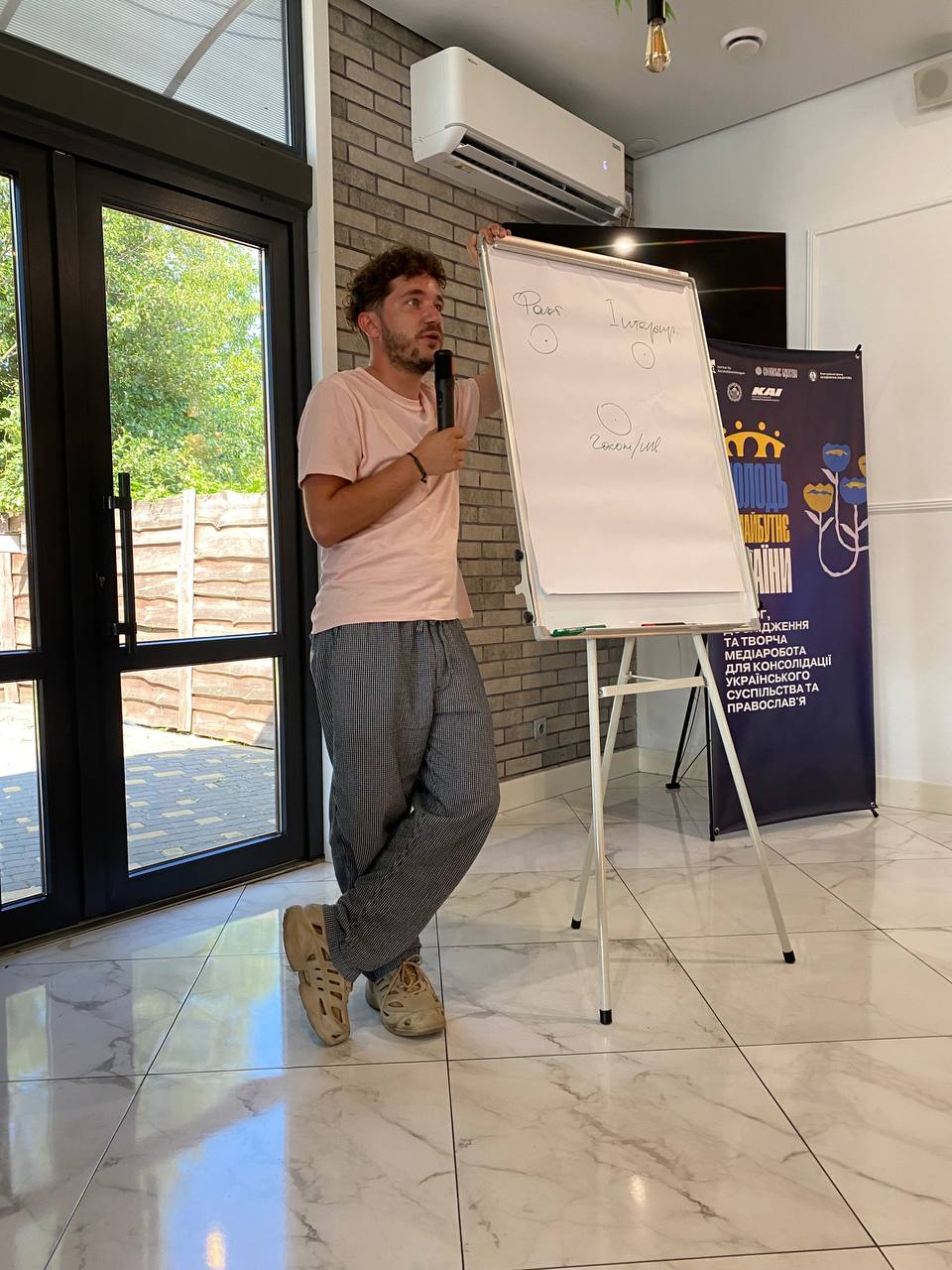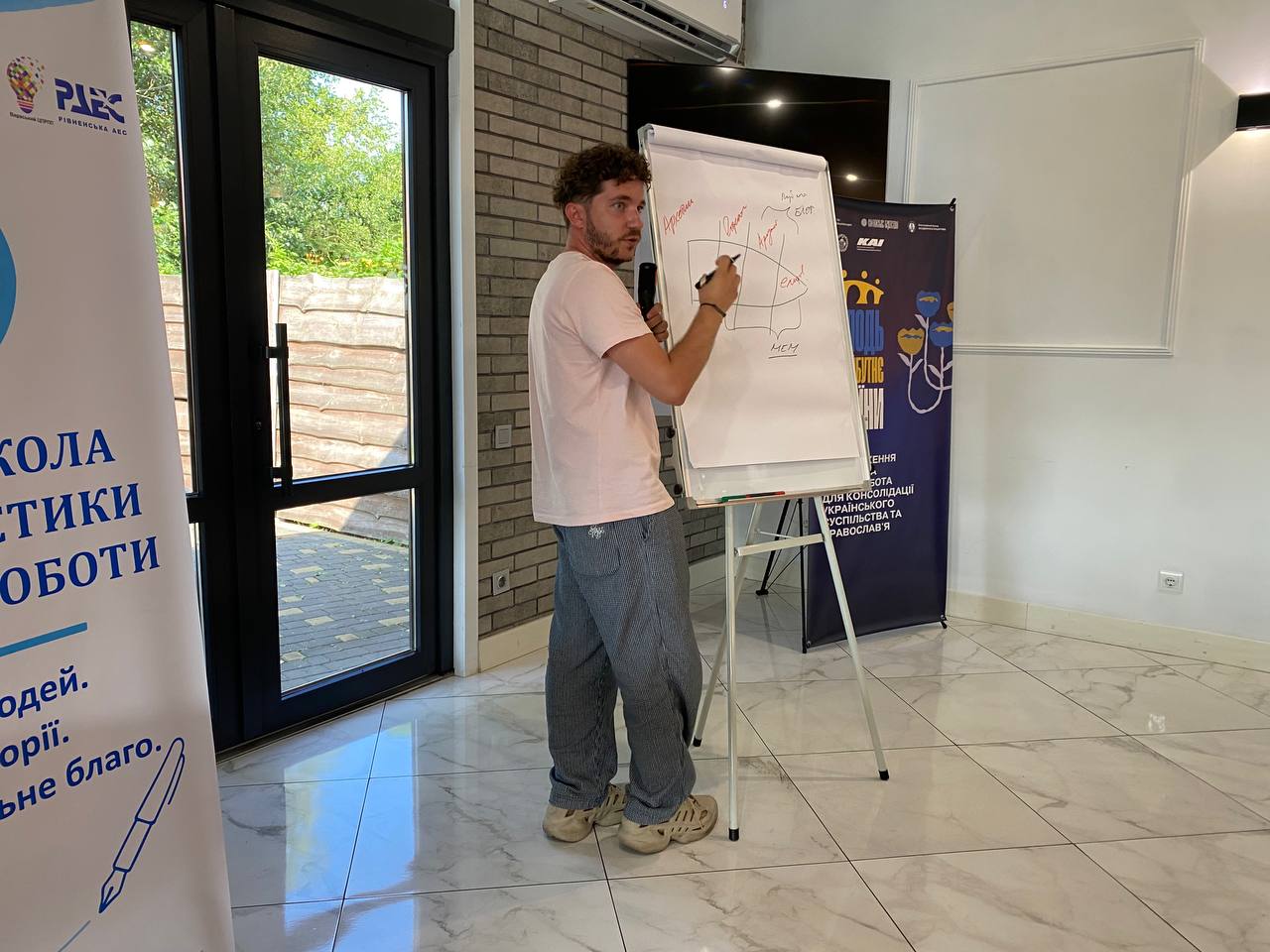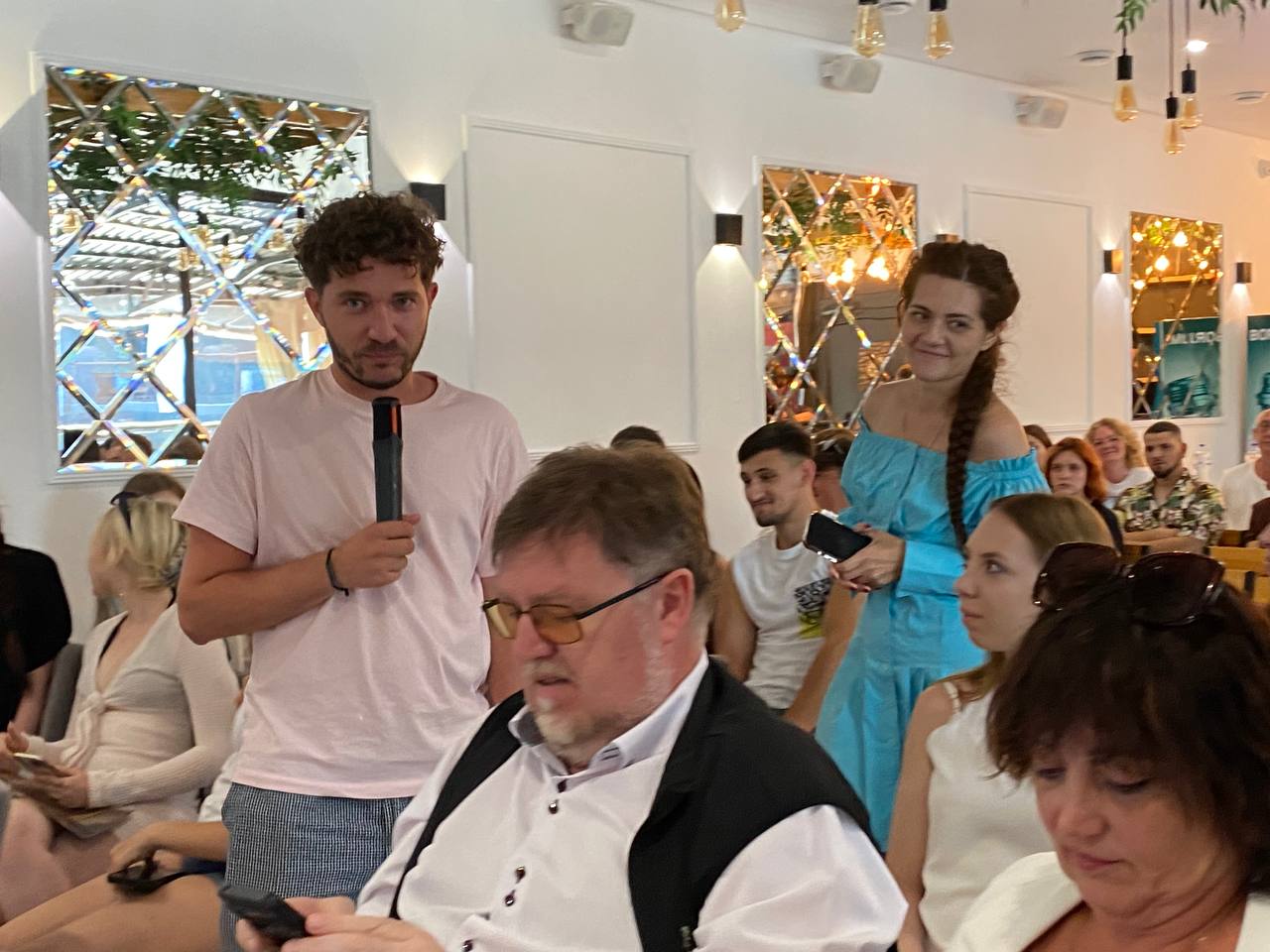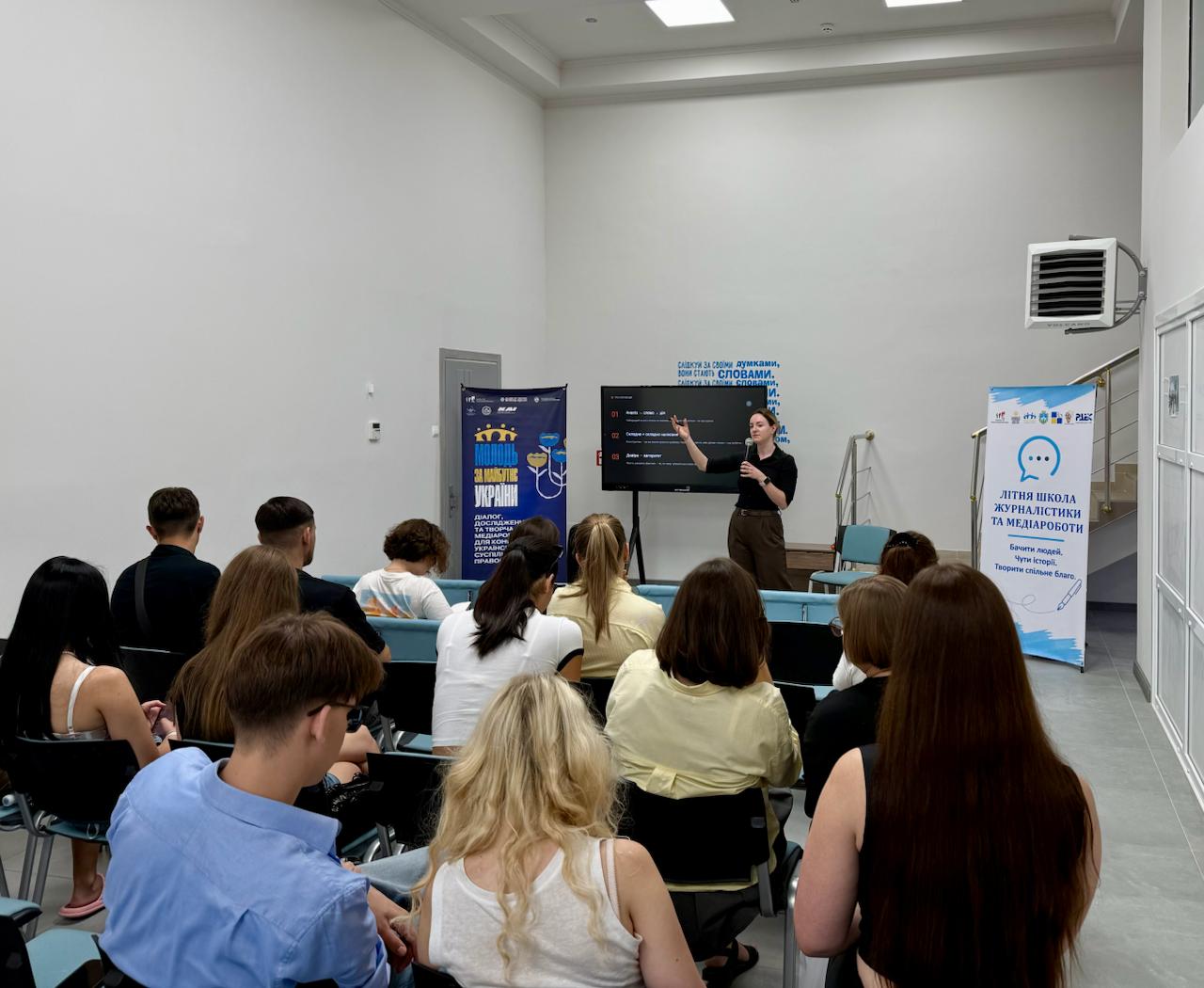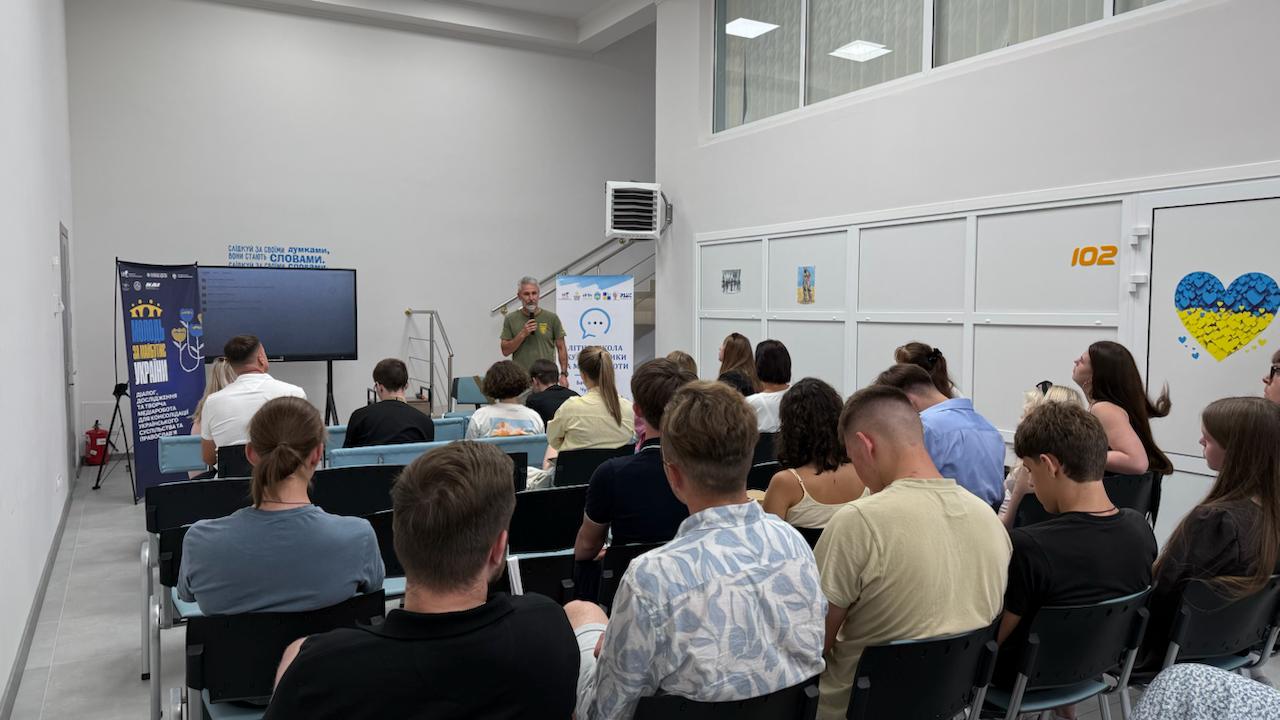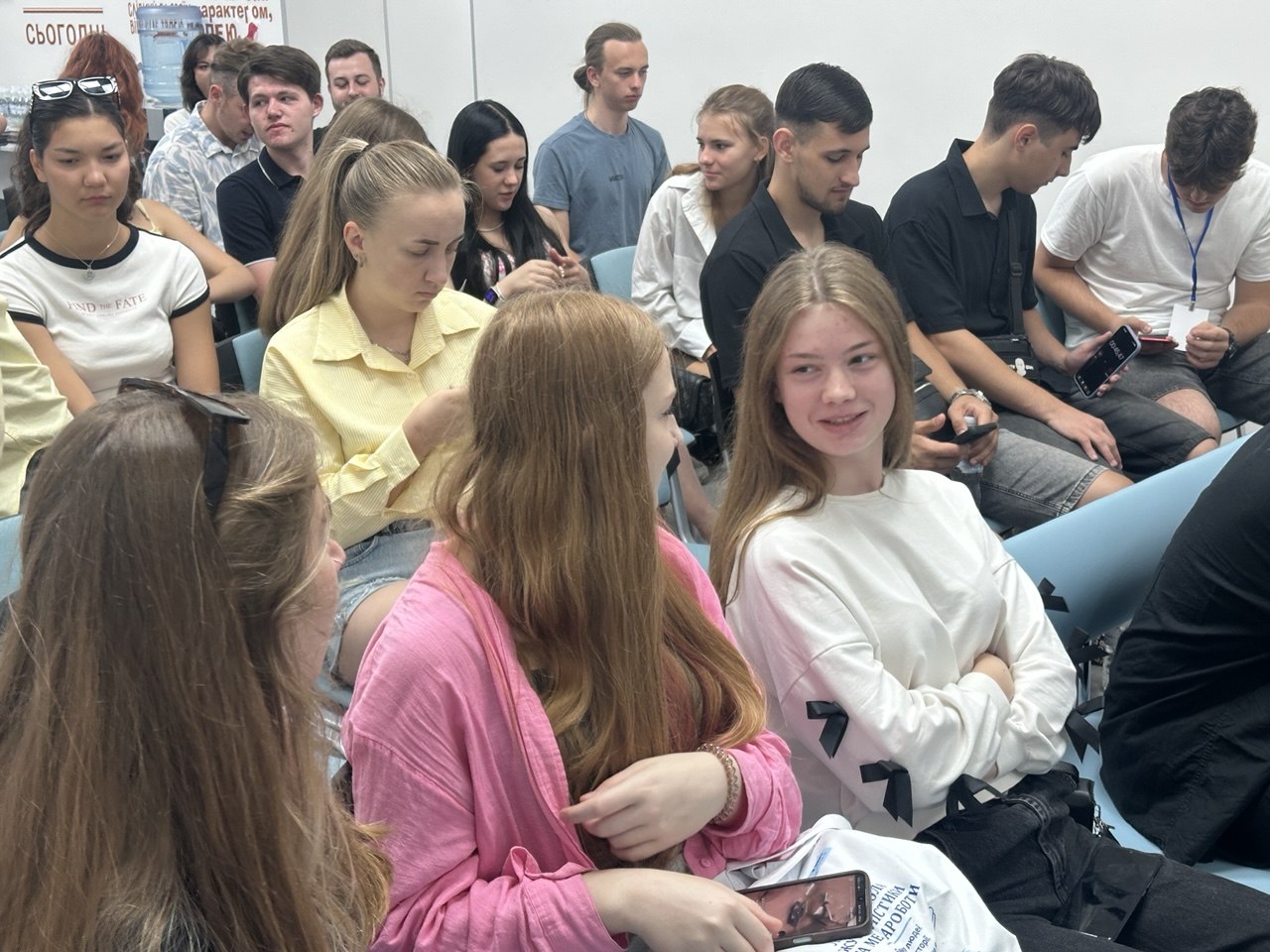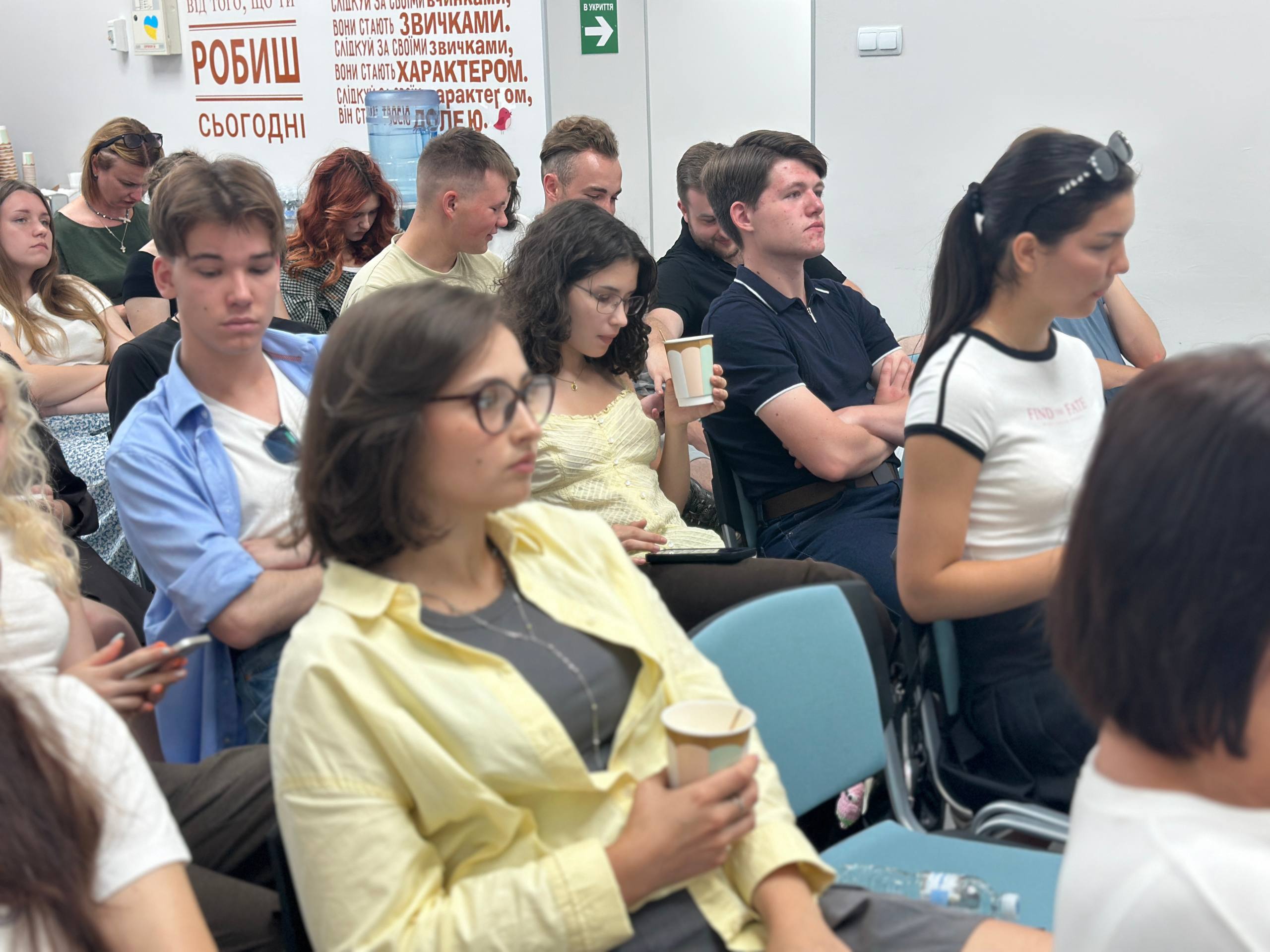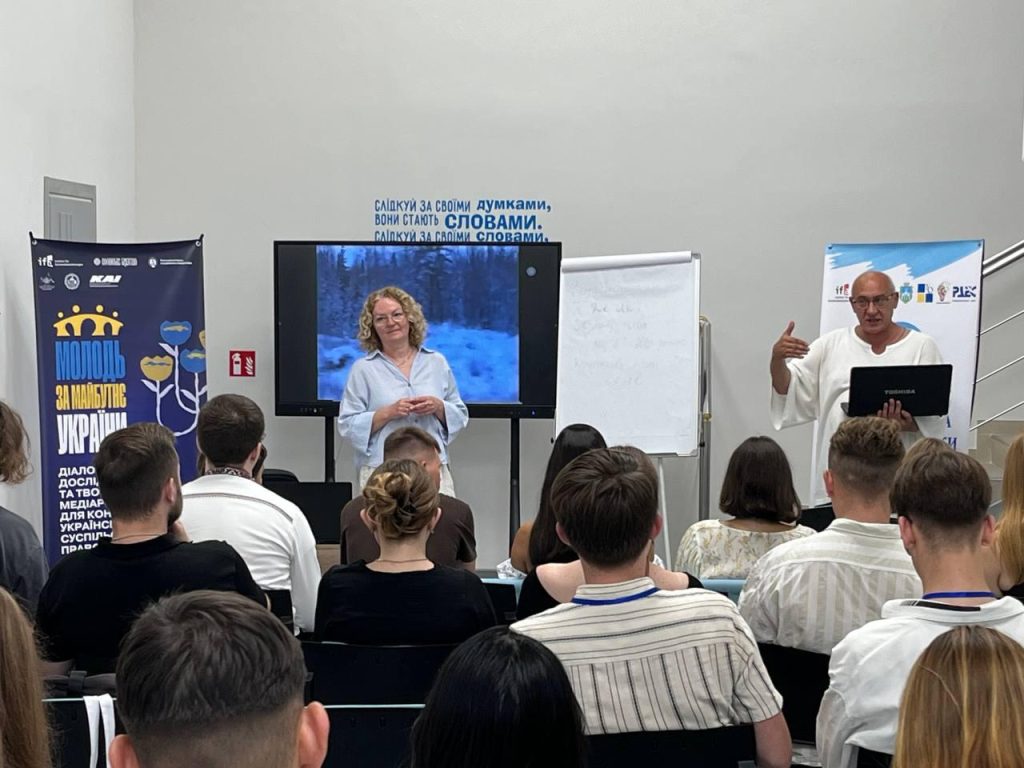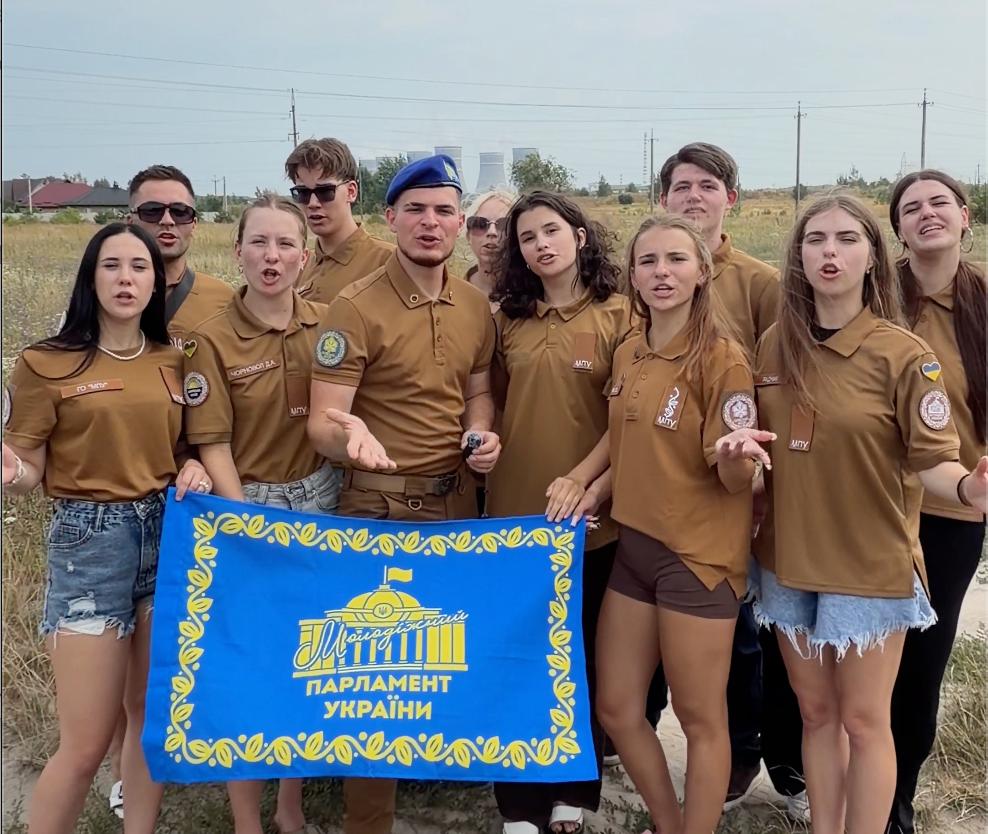
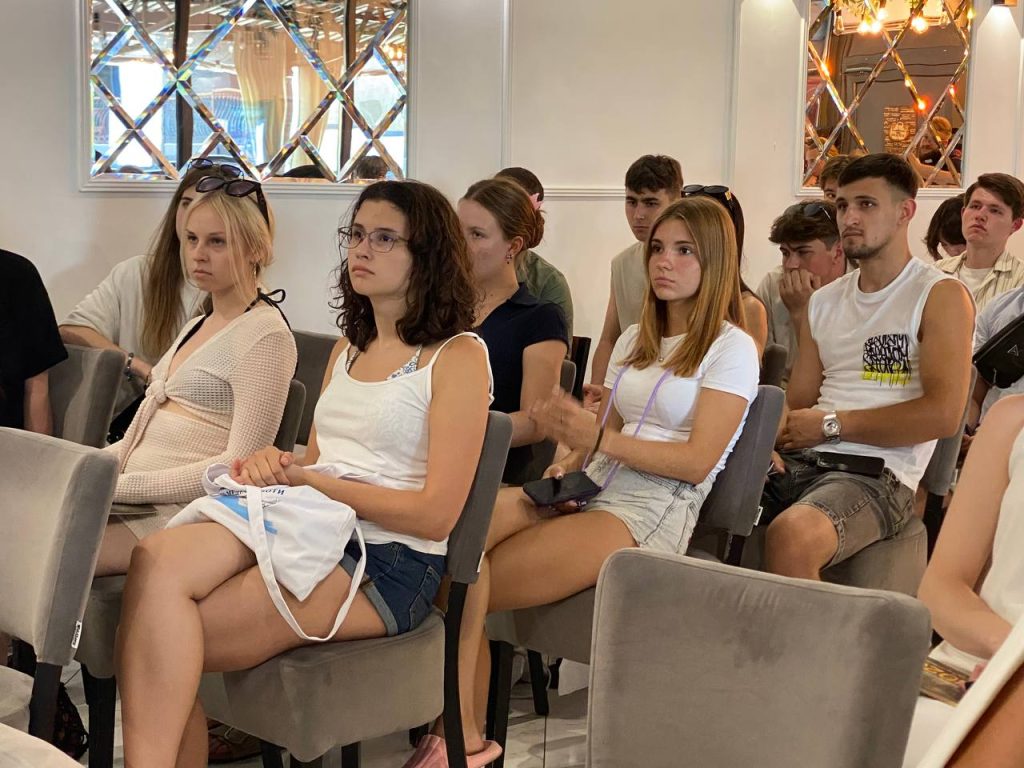
Varash, Rivne Region – Amid the forests of Polissia, the Journalism and Media Summer School has officially begun. More than 40 young participants, 10 speakers, distinguished guests, and one central mission: to learn how to create content that not only informs, but also transforms society.
The School is part of the “Youth for the Future of Ukraine” project, which has brought together young leaders from different regions of the country. Some participants traveled from Kharkiv, while others came from small villages in Volyn and the Kyiv region. Yet they all share one common aspiration: they do not want to remain passive observers. They want to create.
What is happening during the first days?
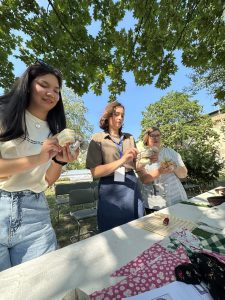
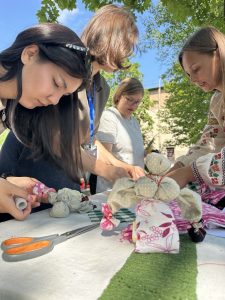
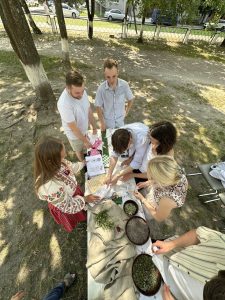
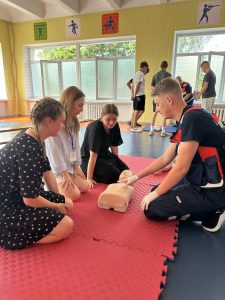
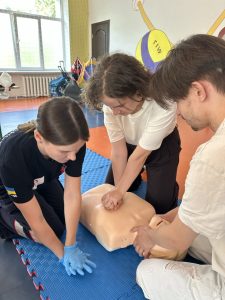
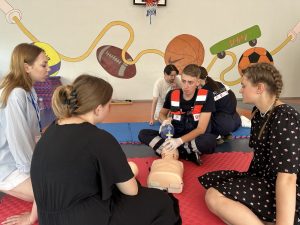
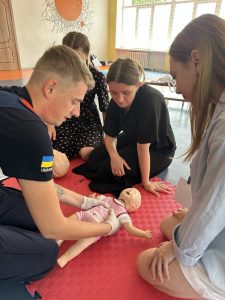
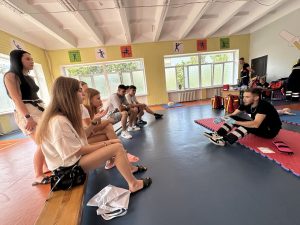
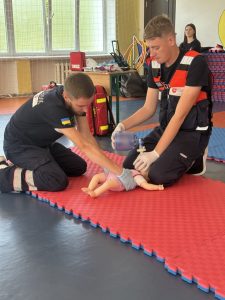
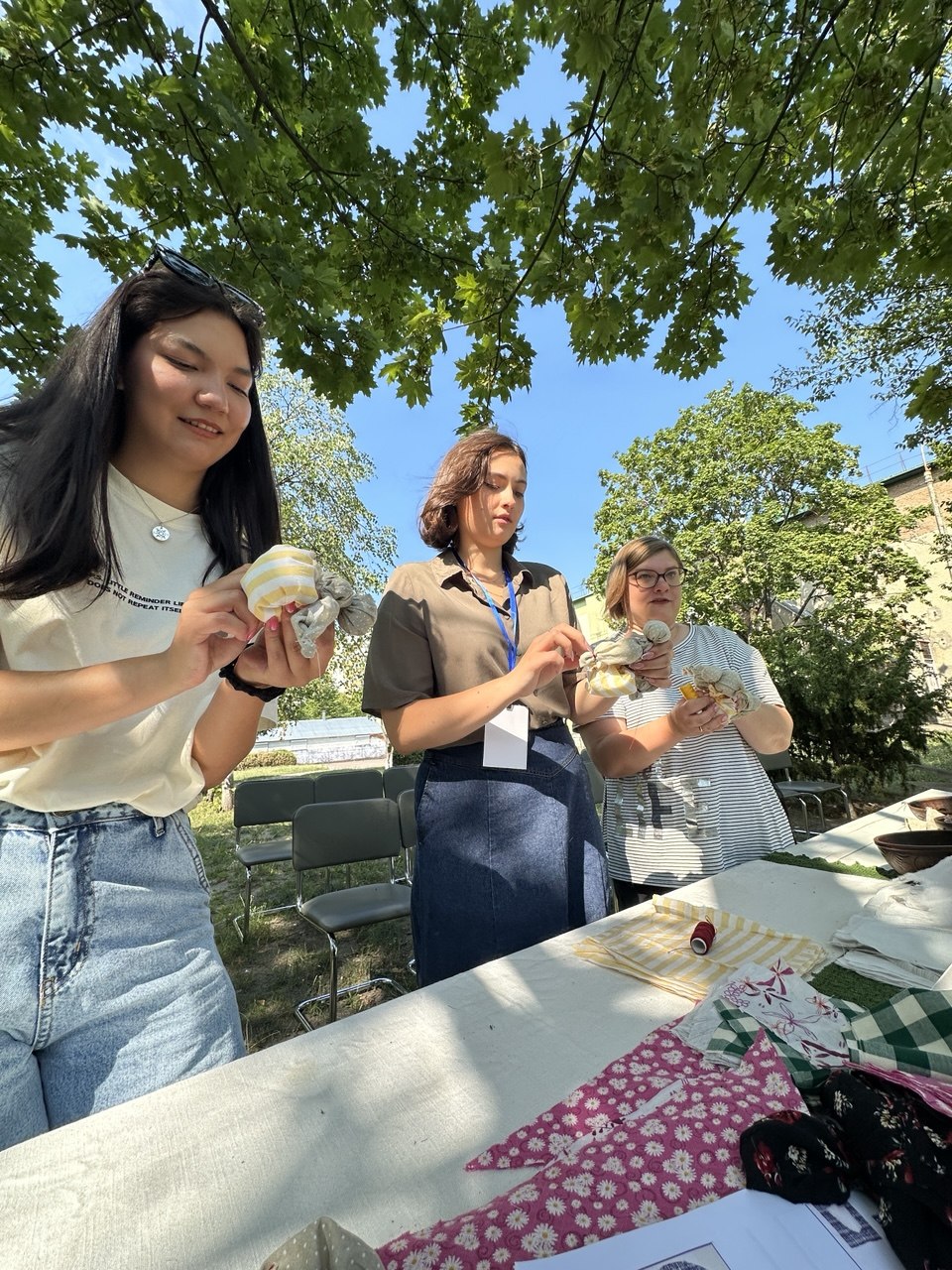
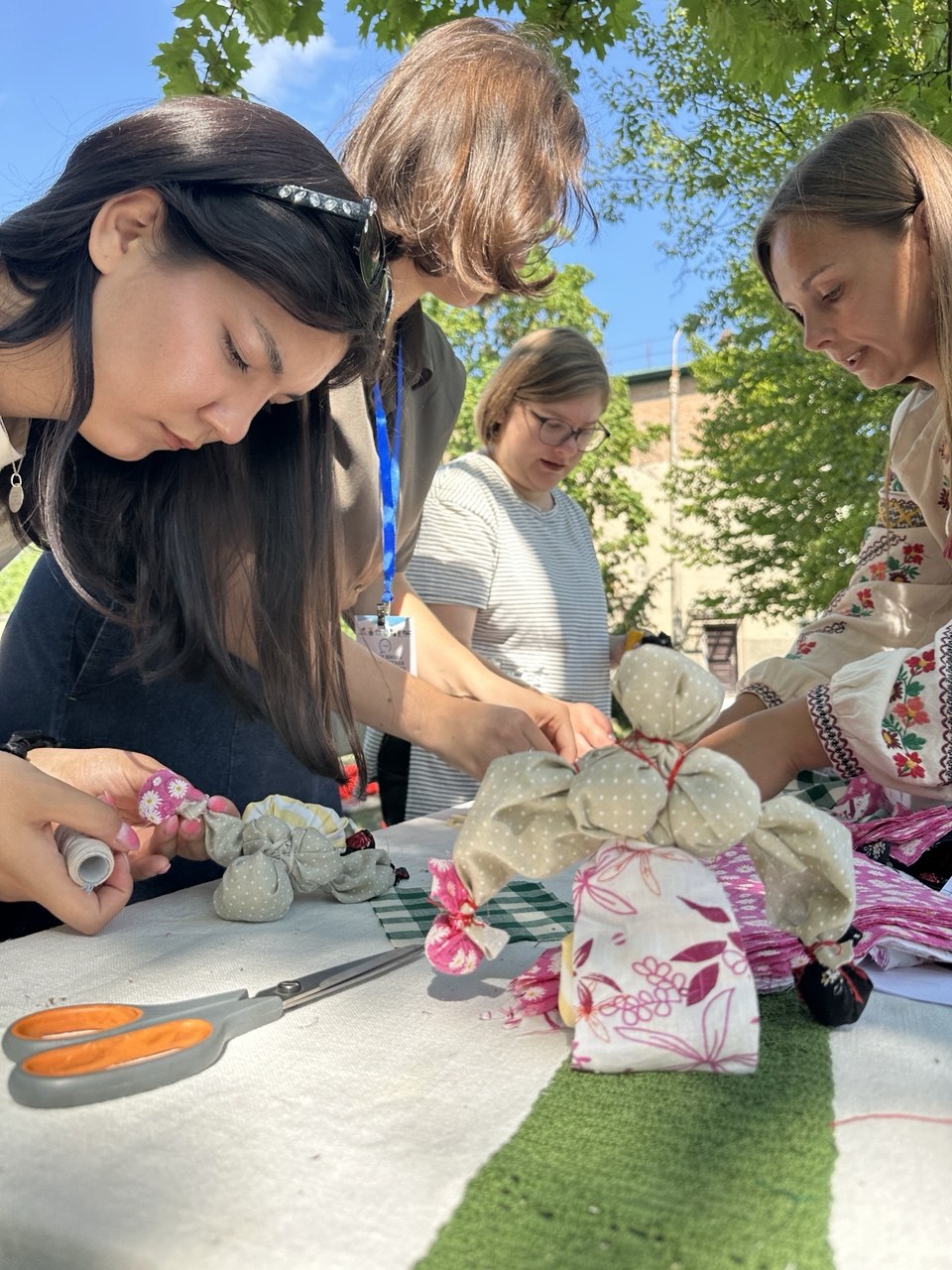
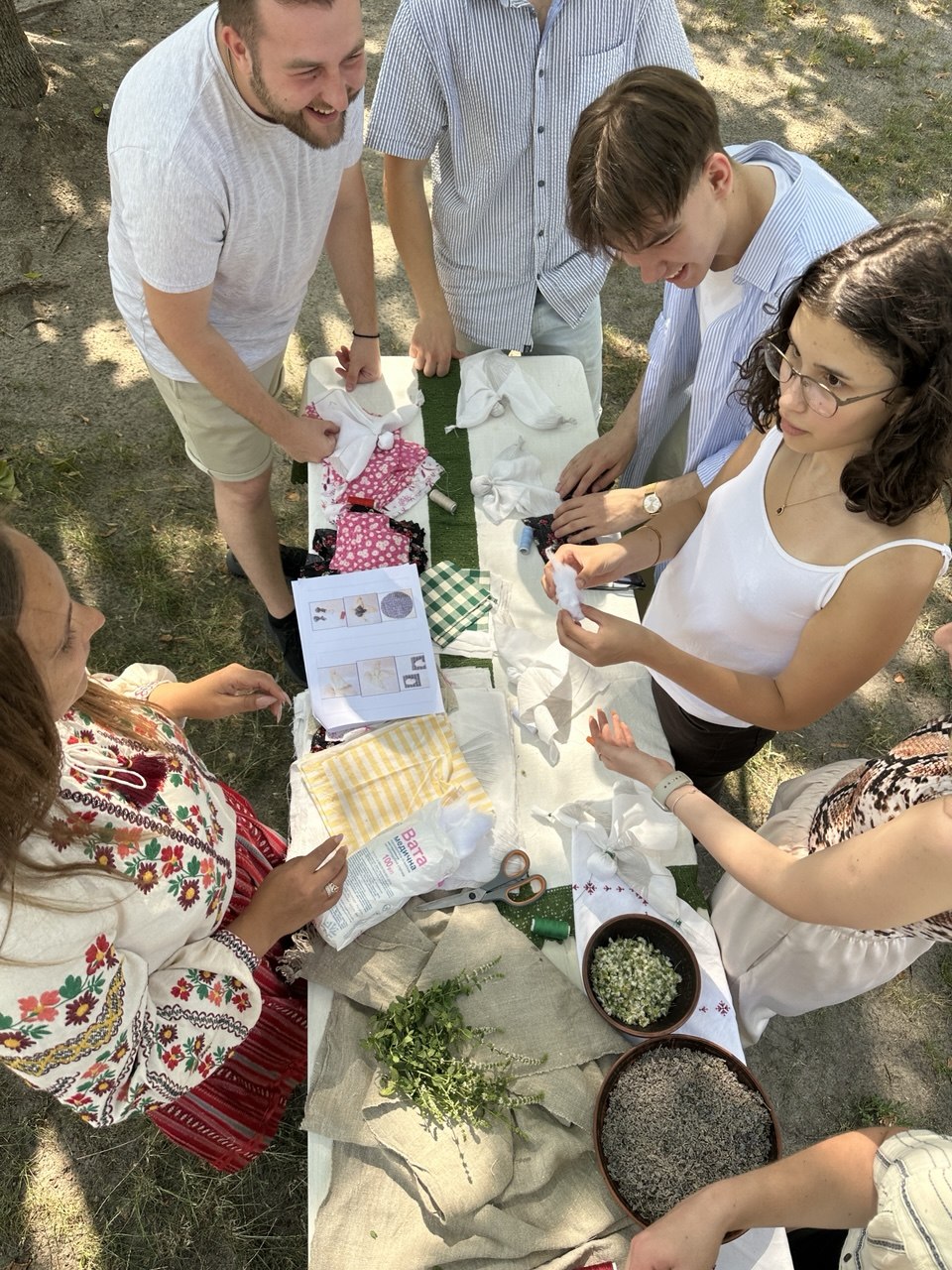
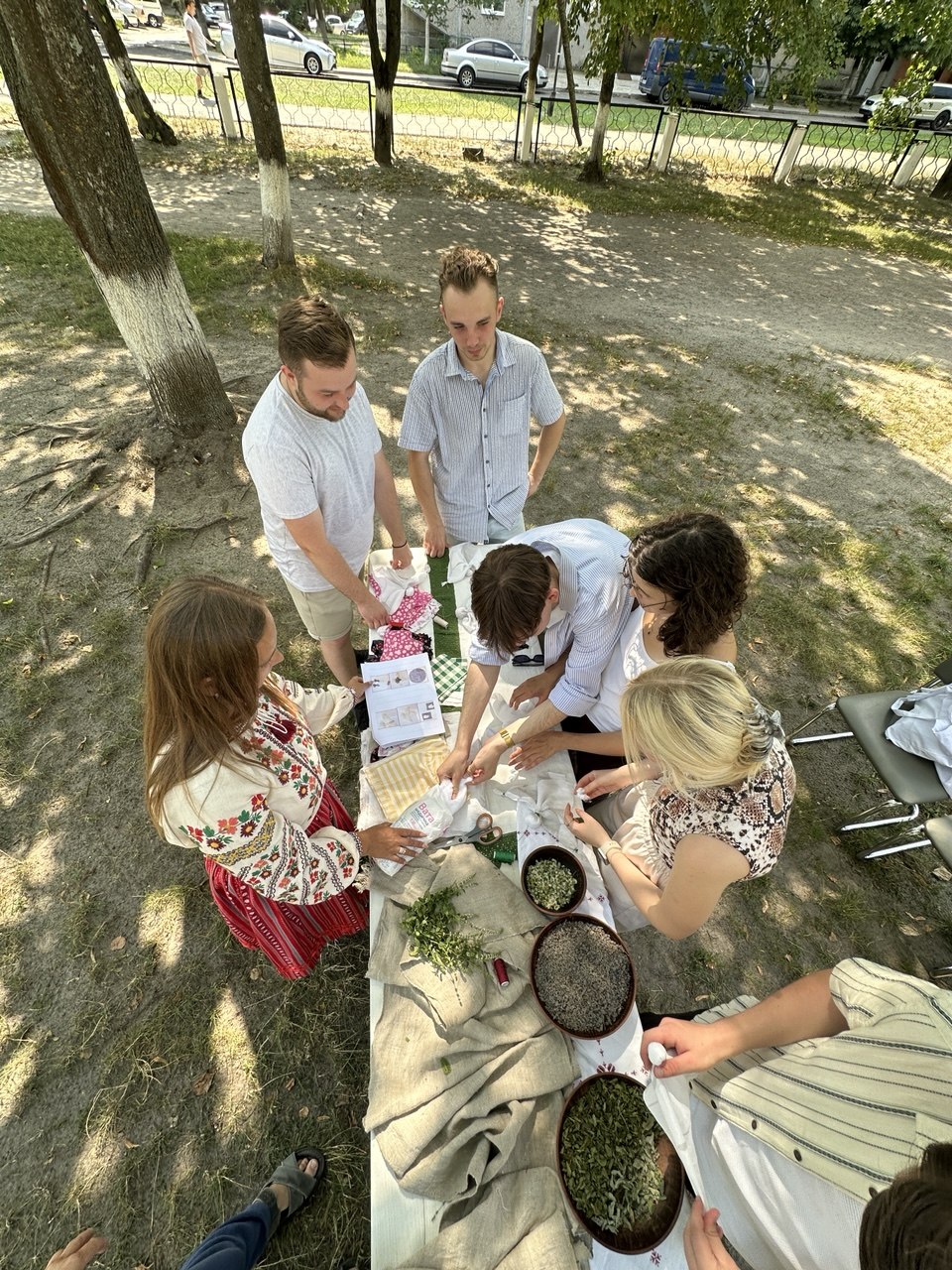
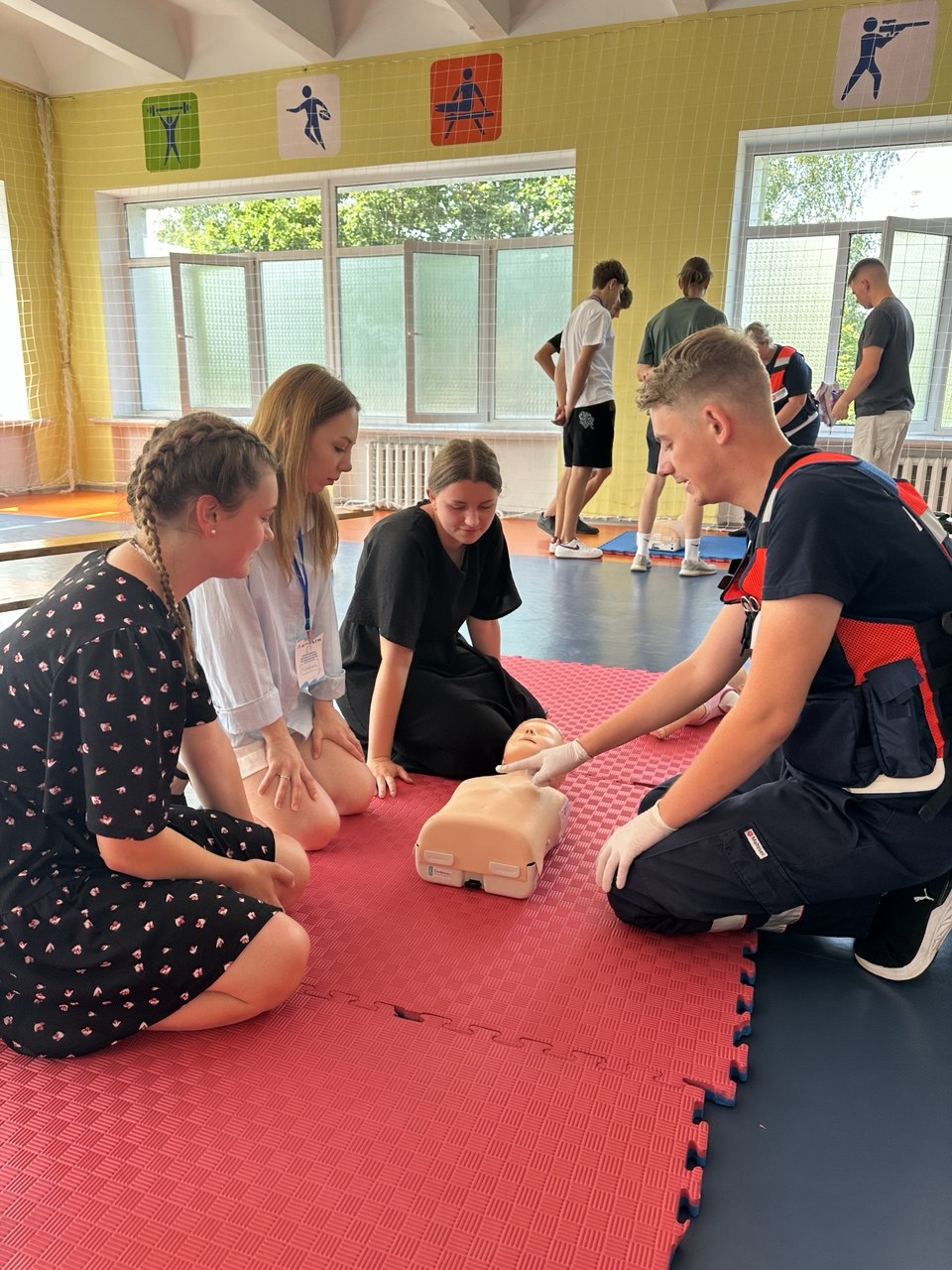
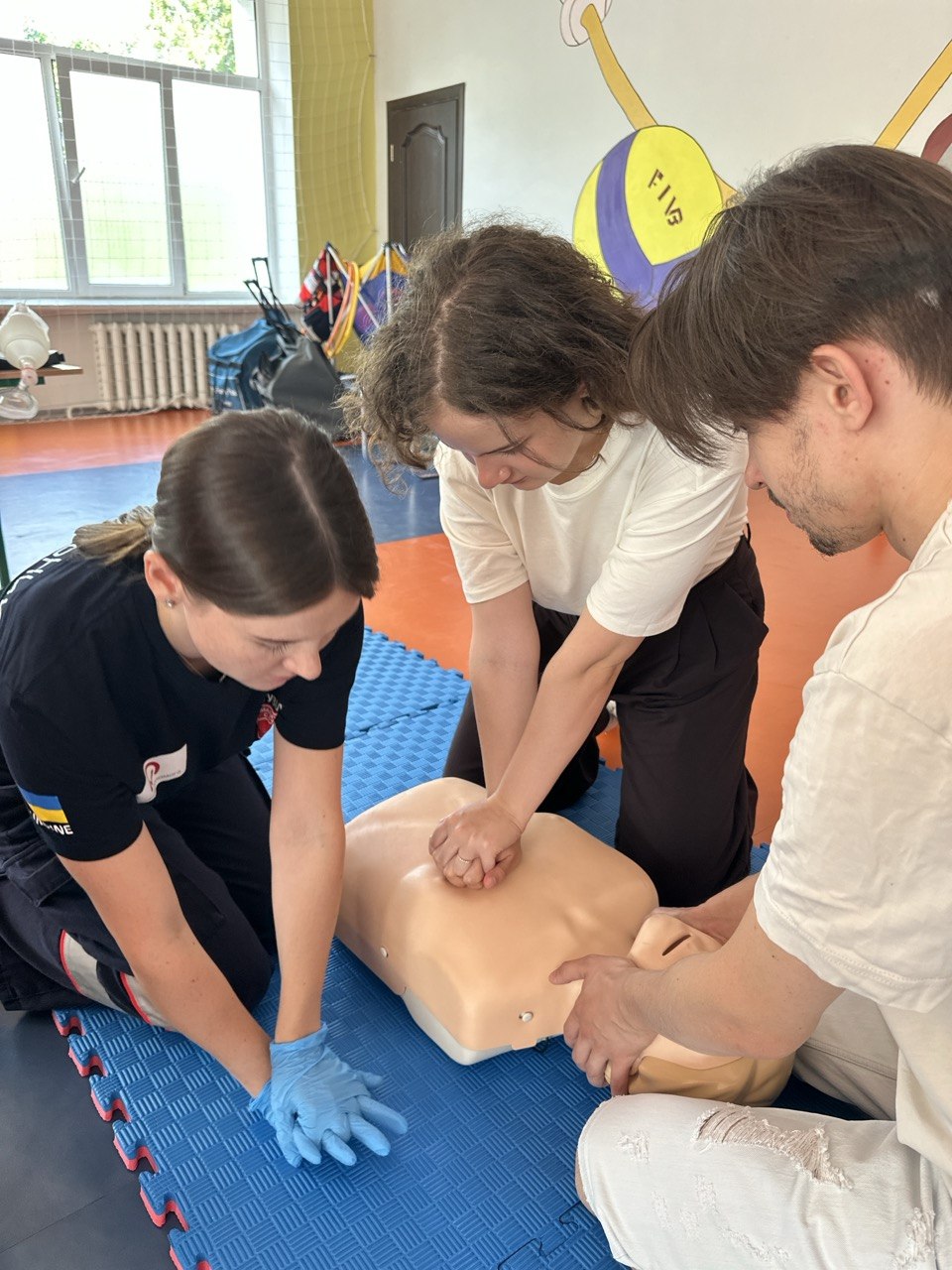
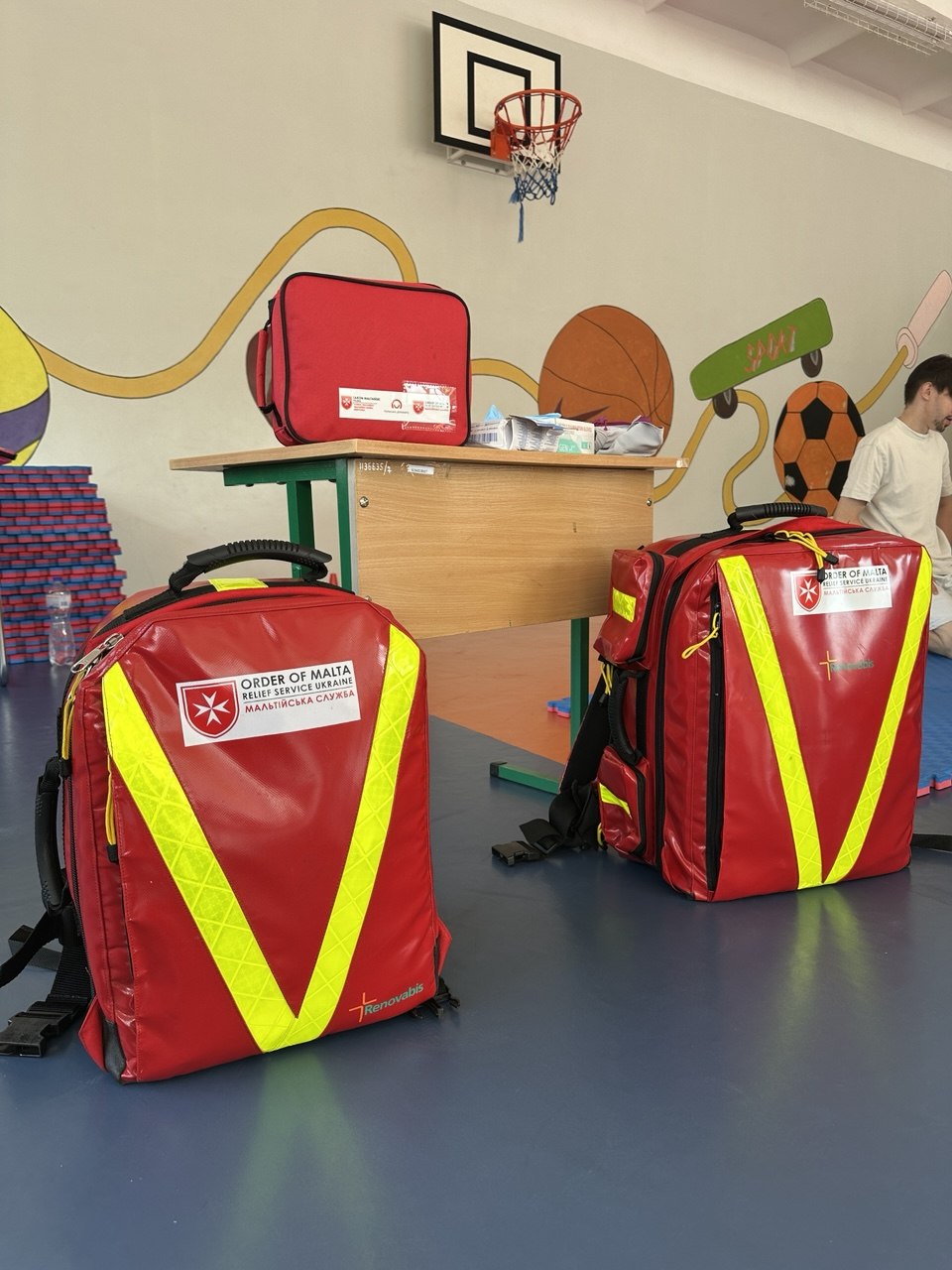
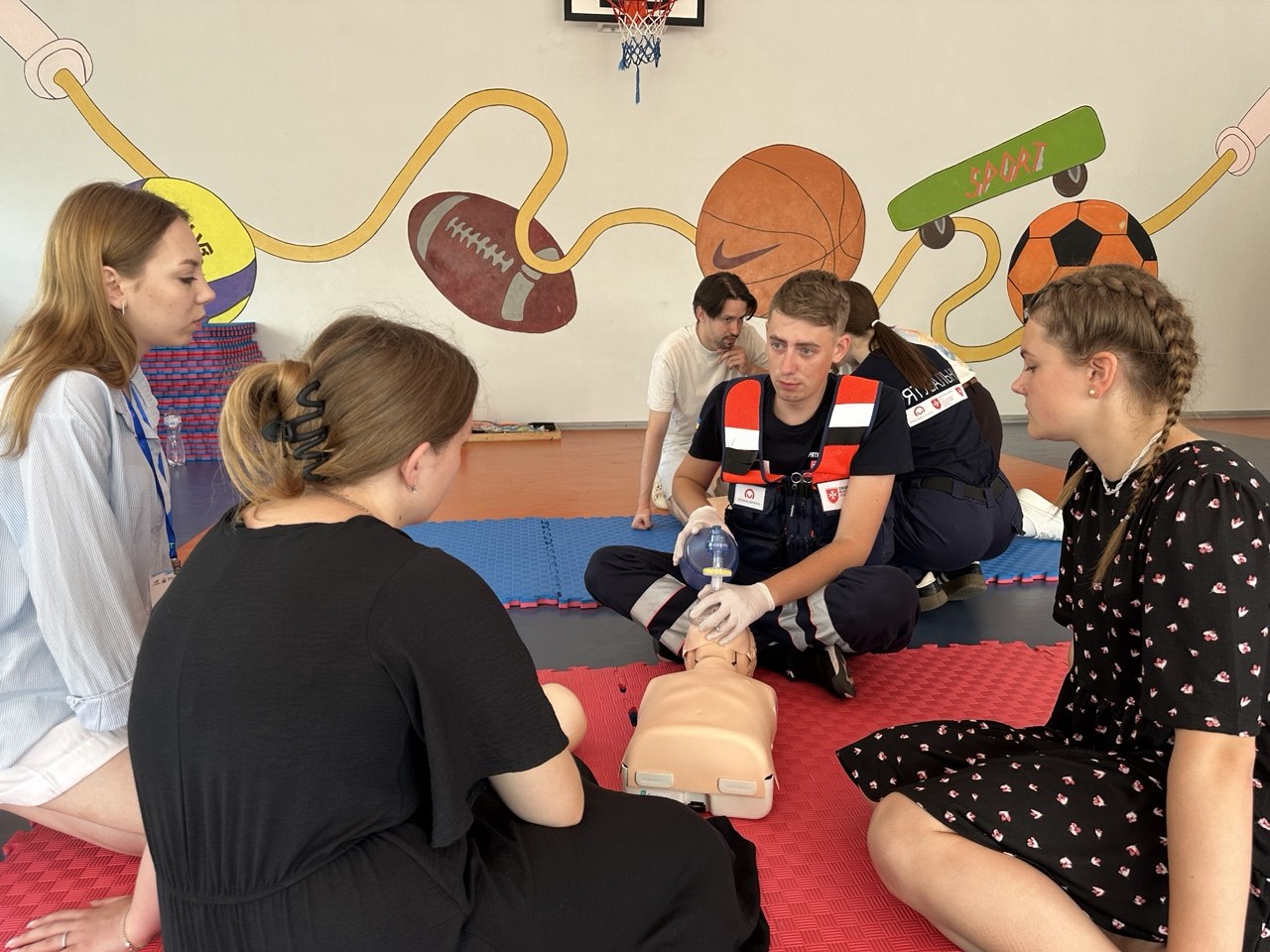
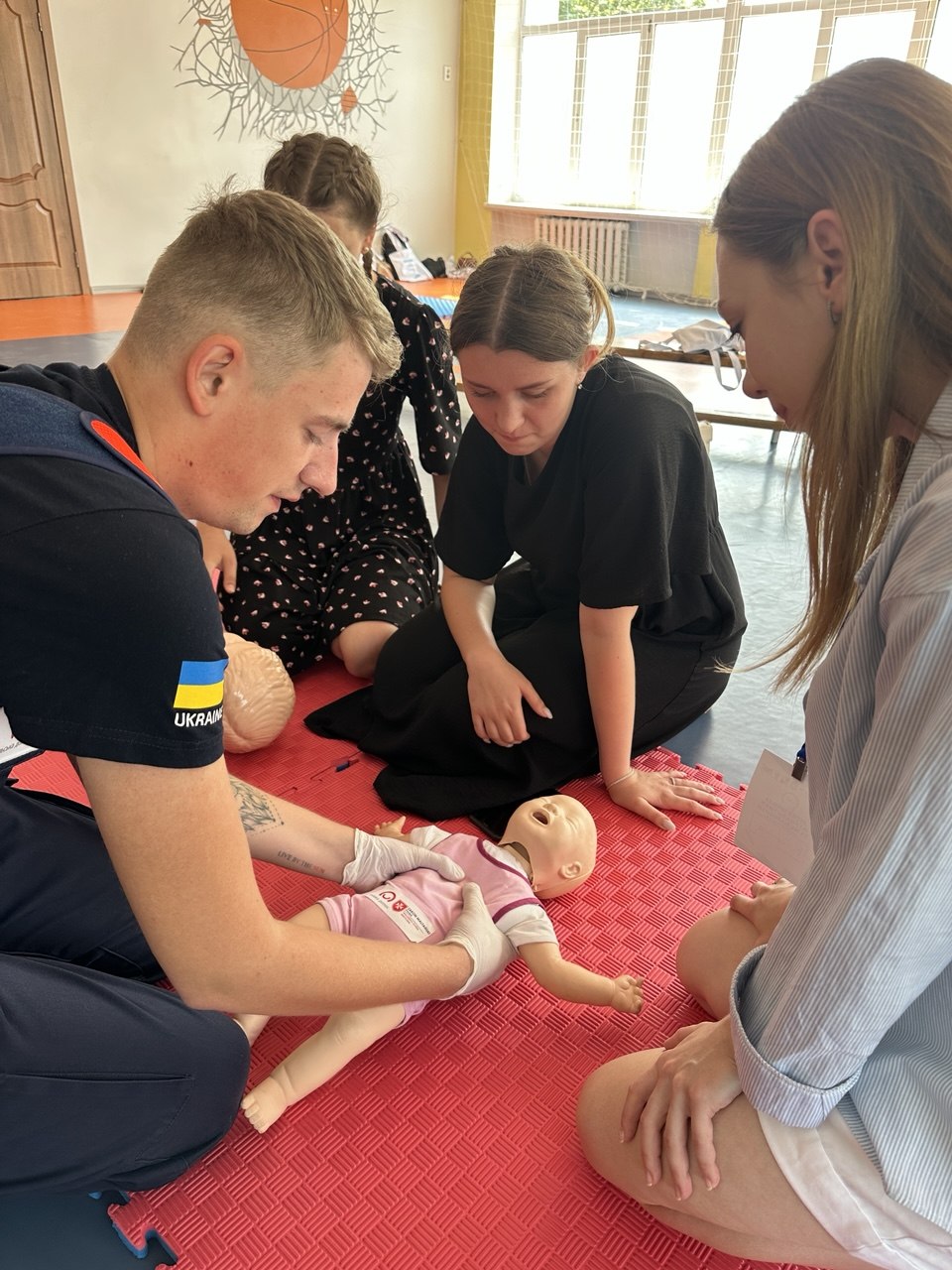
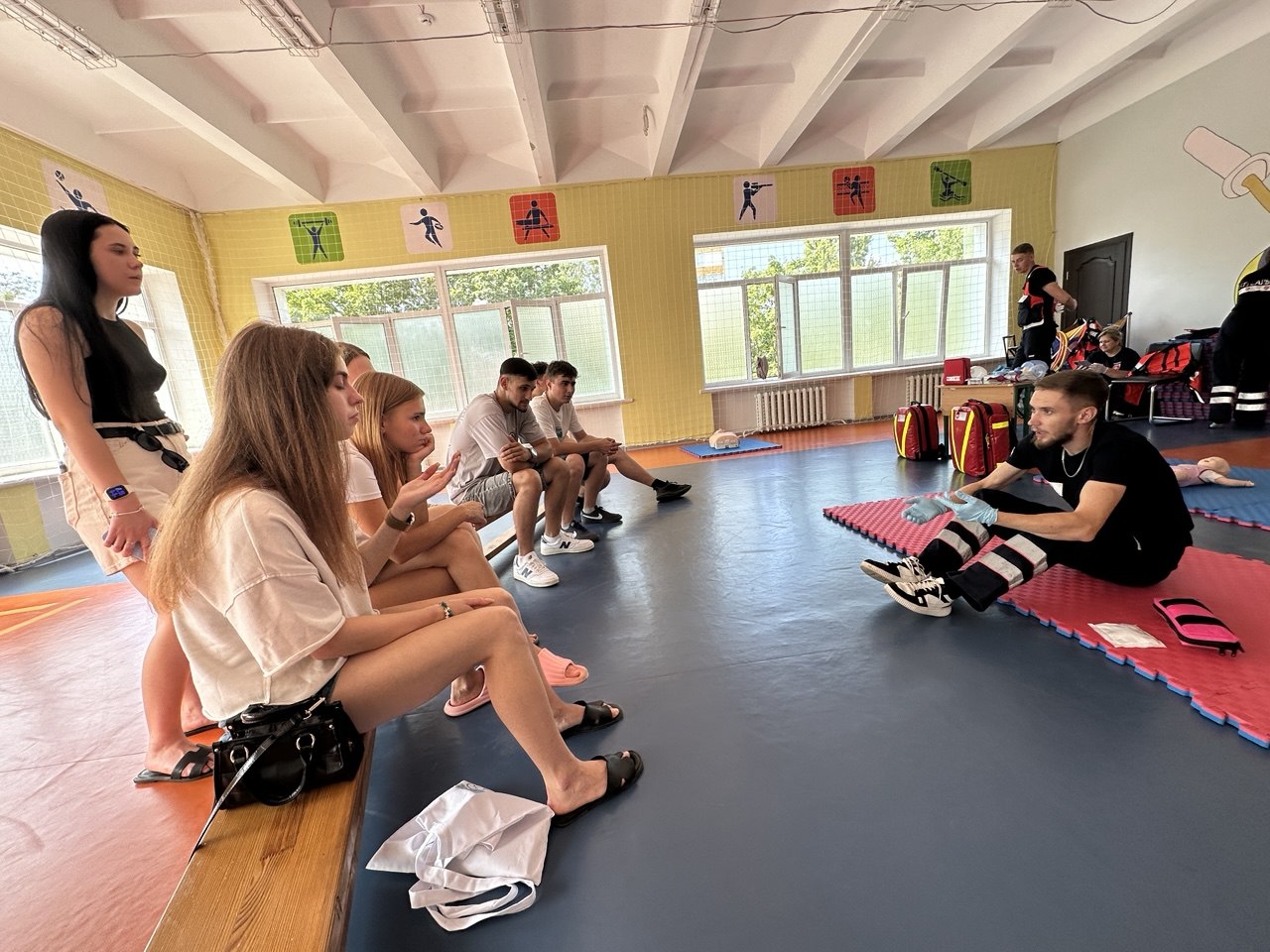
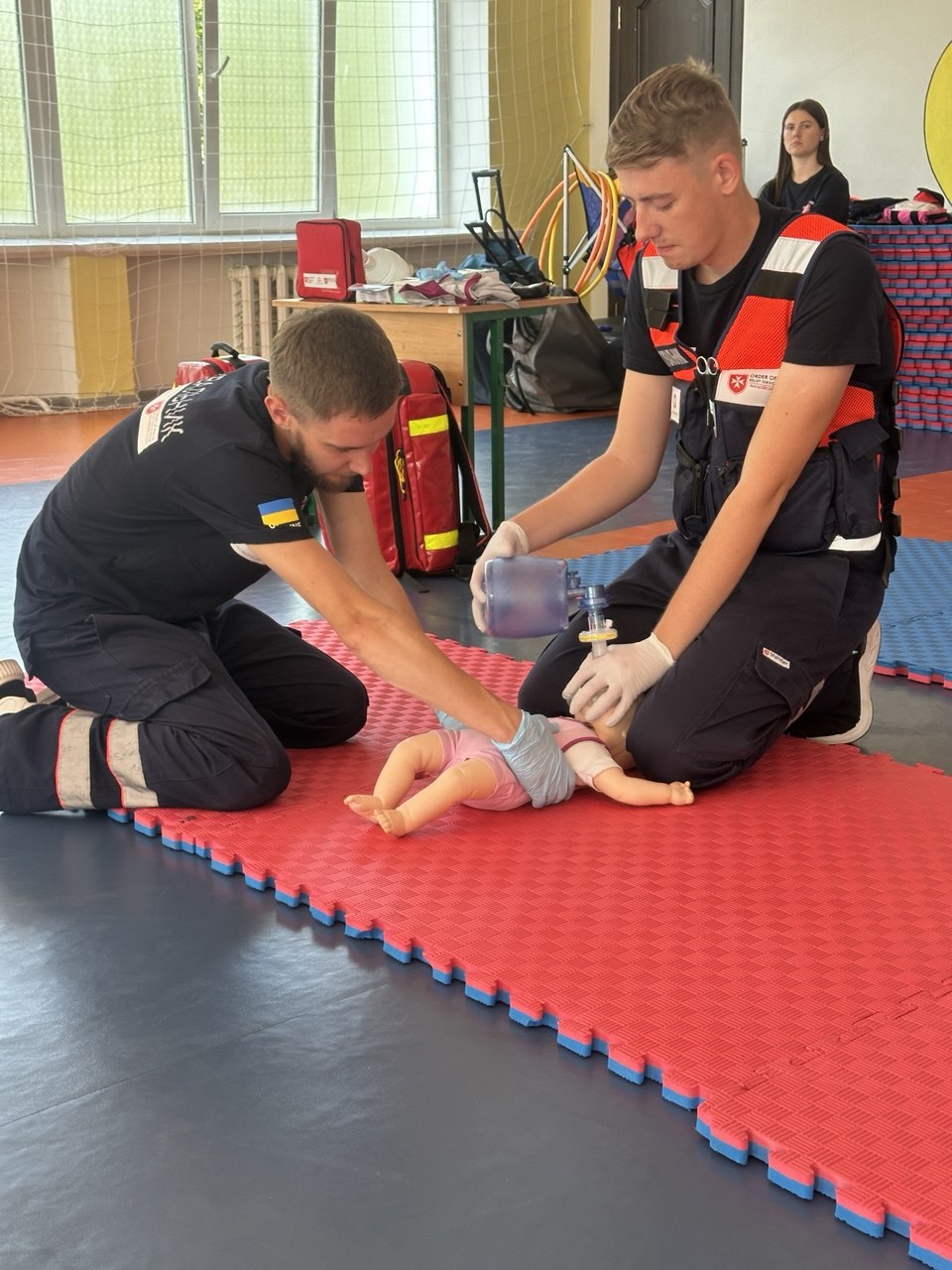
The program is intensive and diverse. Lectures alternate with practical workshops, while intellectual discussions are complemented by hands-on masterclasses. Participants have already taken part in laser tag, acquired first aid skills, and created traditional Ukrainian motanka dolls—symbolic talismans that remind them of the strength of tradition even in the most difficult times.
Above all, however, the School is about conversations. Serious, honest, and sometimes uncomfortable ones.
Information warfare, trust, and responsibility
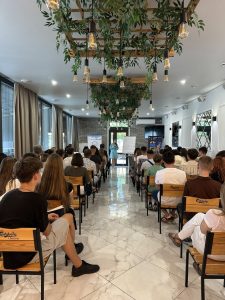
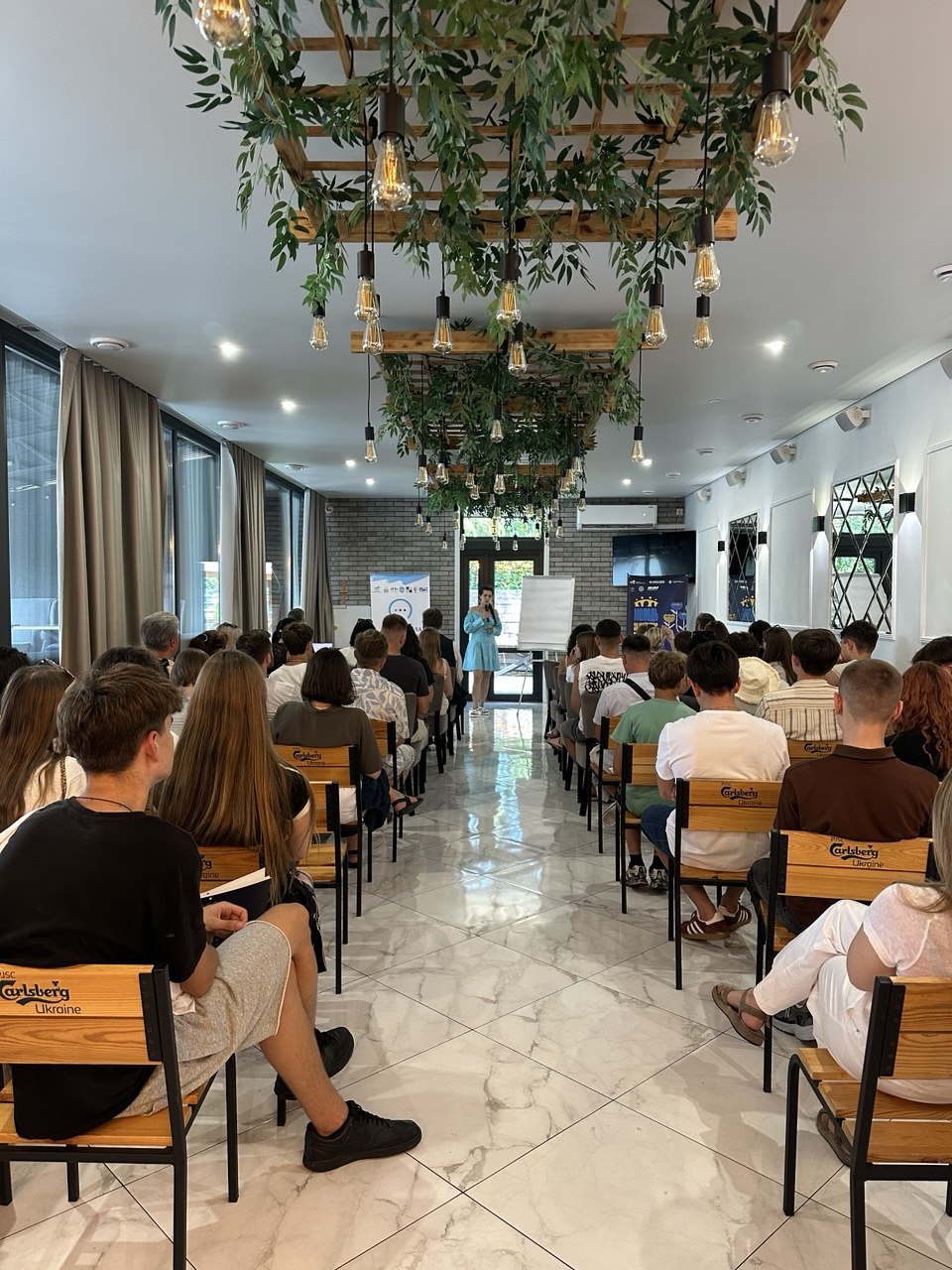
The first day of the School began with an interactive lecture by political scientist Oleh Saakian. Participants discussed how information has become a weapon and why today’s media are not merely a tool but also a battlefield. How can people avoid becoming puppets in someone else’s hands? How can they recognize manipulation and resist provocation? Together, they searched for answers.
The second day introduced new challenges. Hennadii Druzenko, human rights advocate and co-founder of the First Volunteer Mobile Hospital, addressed a difficult topic: “How to Speak About Ukraine’s Problems Without Working for the Enemy.” The line between honest criticism and irresponsibility is a fine one, and everyone who creates public content must learn to recognize it.
A practical workshop led by Viktoriia Ahapova from the Vox Ukraine analytical center focused on explaining complex issues in simple language and communicating reforms in a way that is both understandable and motivating. Journalism that helps build a country is not only about presenting facts – it is about conveying them in a way that inspires people to listen, understand, and take action.
More to come
In the coming days, participants will attend practical workshops led by experienced journalists and filmmakers Olesia Lepetun and Mykhailo Vorobiov. They will explore how stories capable of transforming communities, cities, and even an entire country are created; how to produce media content from scratch; and how to organize an effective editorial team.
The program will also feature training sessions with crisis psychologist Liena Shtorm and theologian Dmytro Fedorchak, whose work focuses on the theology of memory. The School will conclude with presentations of the participants’ own media projects, with the five best projects receiving cash awards.
Why does it matter?
Modern journalism is no longer about being the first to report the news. It is about responsibility, ethics, and the ability to see the human being behind every article or video. It is about listening to people’s stories and telling them in ways that unite rather than divide.
This is exactly what young people in Varash are learning. Because the future of Ukraine is built not only on the battlefield or in government offices. It is also born here – in conversations, ideas, media projects, and the conviction that every individual has the power to become an agent of change.