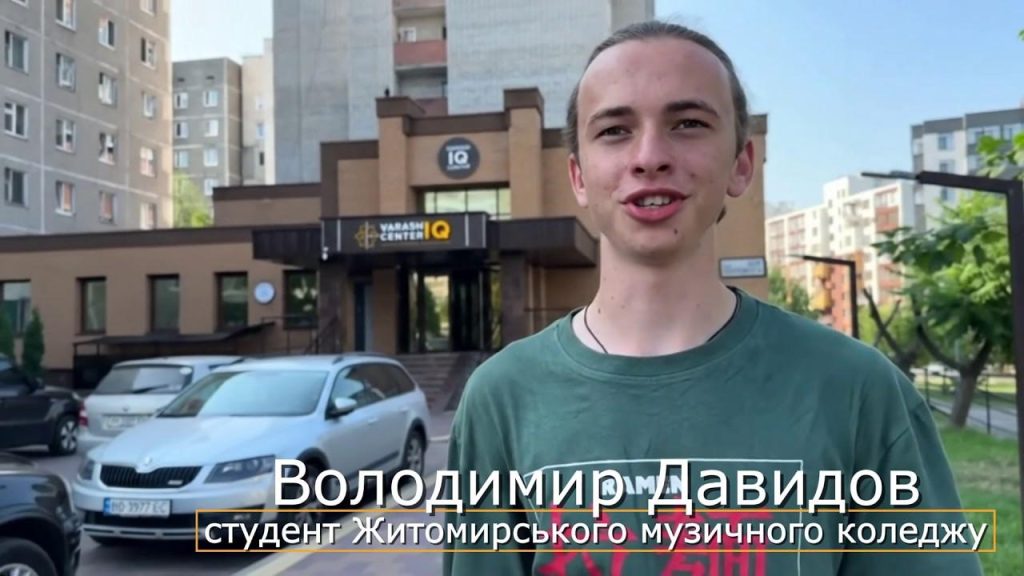
Technological Ukraine and Convenient Cities: How Young People Envision the Country of the Future
We continue our series of materials about the young participants of the “Youth for the Future of Ukraine” project who, after completing training at the
We continue our series of materials about the young participants of the “Youth for the Future of Ukraine” project who, after completing training at the
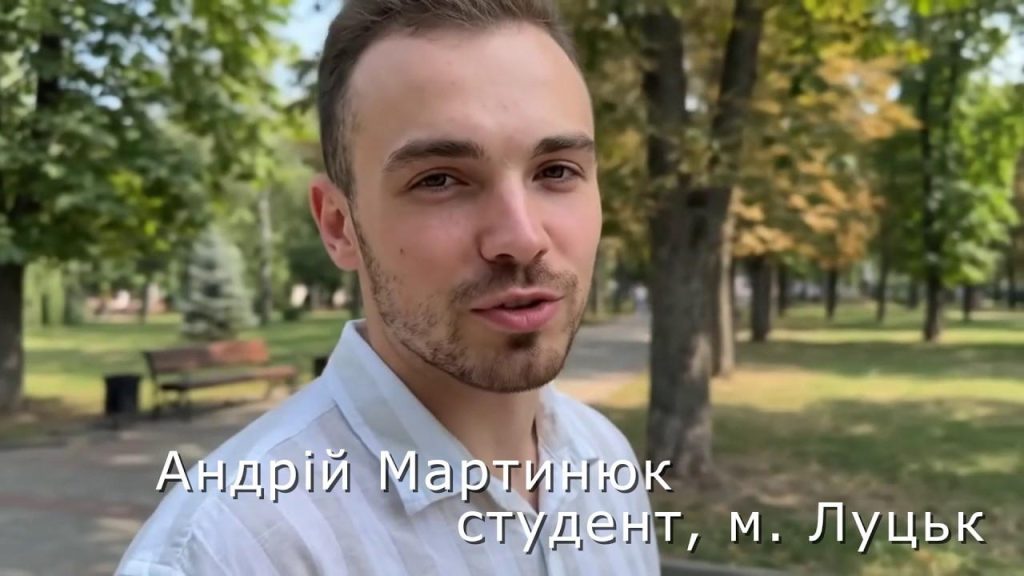
Graduates of the Summer School of Journalism and Media Work, held in August as part of the “Youth for the Future of Ukraine” project, have joined the creation of a new video series, “Ukraine’s Recovery: Directions, Priorities, Challenges.”
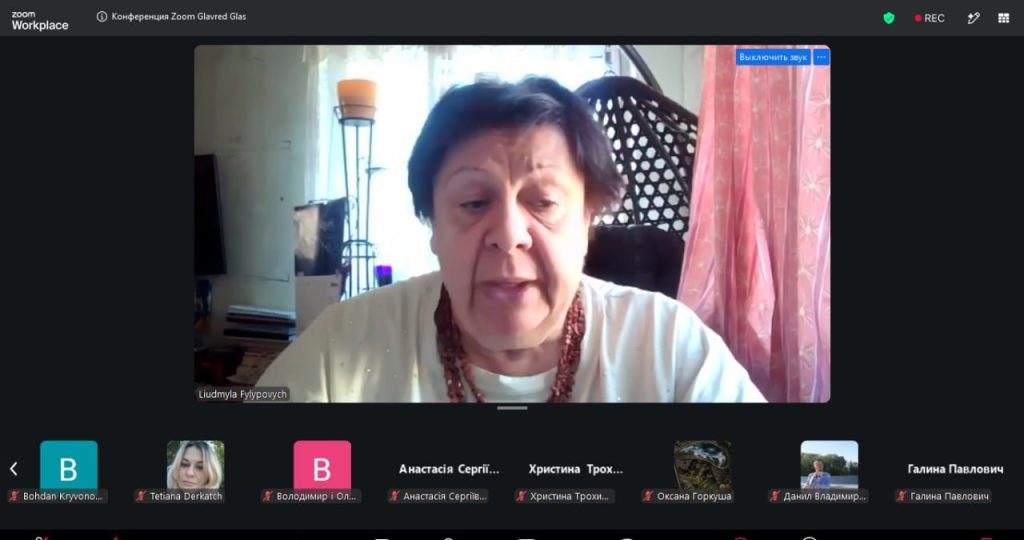
Can a state protect itself without restricting freedom of conscience? And can the state remain neutral if the religious sphere becomes a space of real security risks?
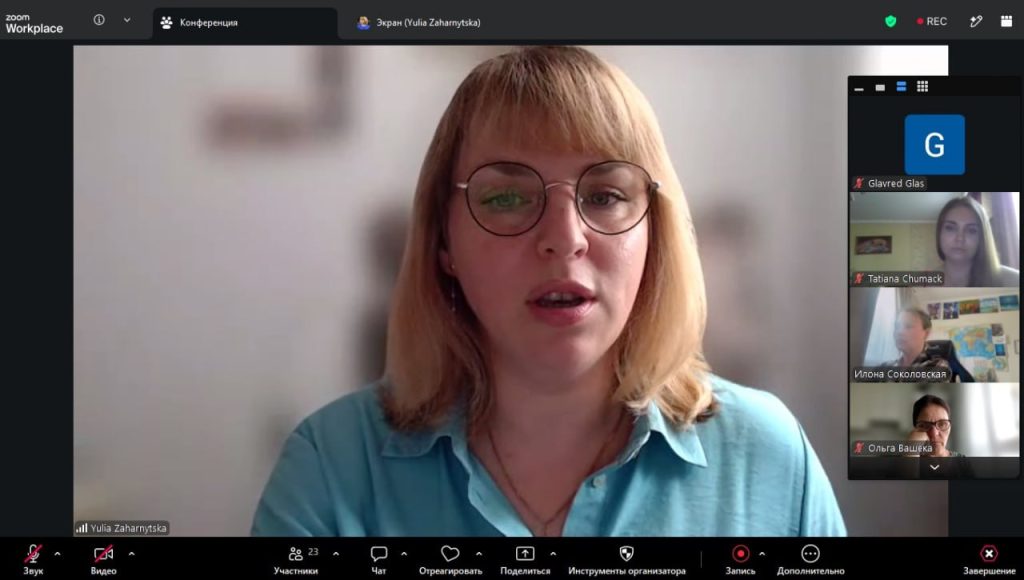
For a person, war does not end the moment the explosions fall silent. Sometimes it continues in dreams, in the body, in reactions to sounds, in distrust of loved ones, in the inability to plan for the future. But a traumatic experience can remain part of our story without becoming our entire story.
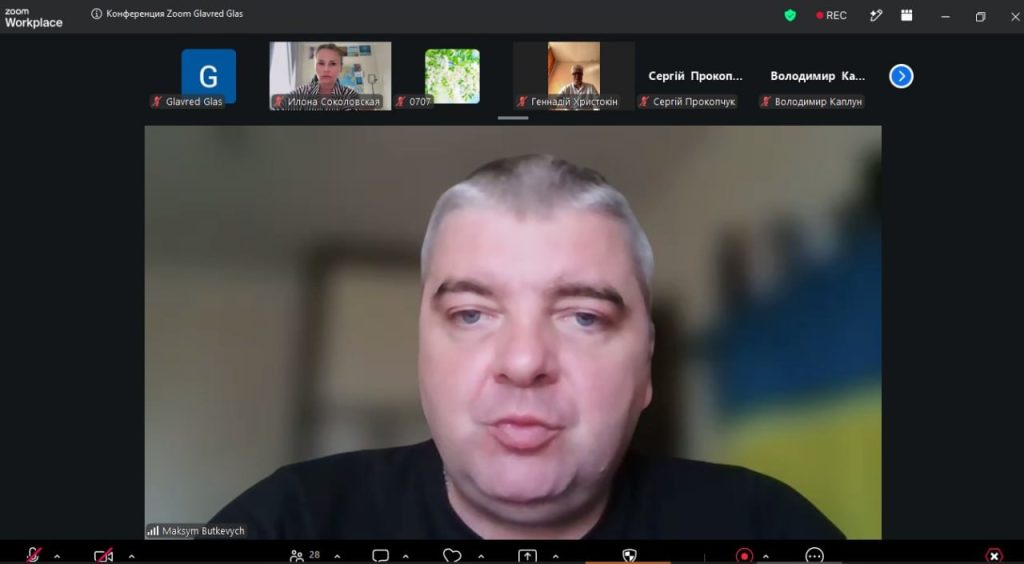
In a time of full-scale war, the term “human-centeredness” may sound almost paradoxical. When a country is fighting for its very right to exist, when human lives become part of military statistics, and when the state is forced to restrict citizens’ rights and freedoms, is it even possible to place the human being at the center?
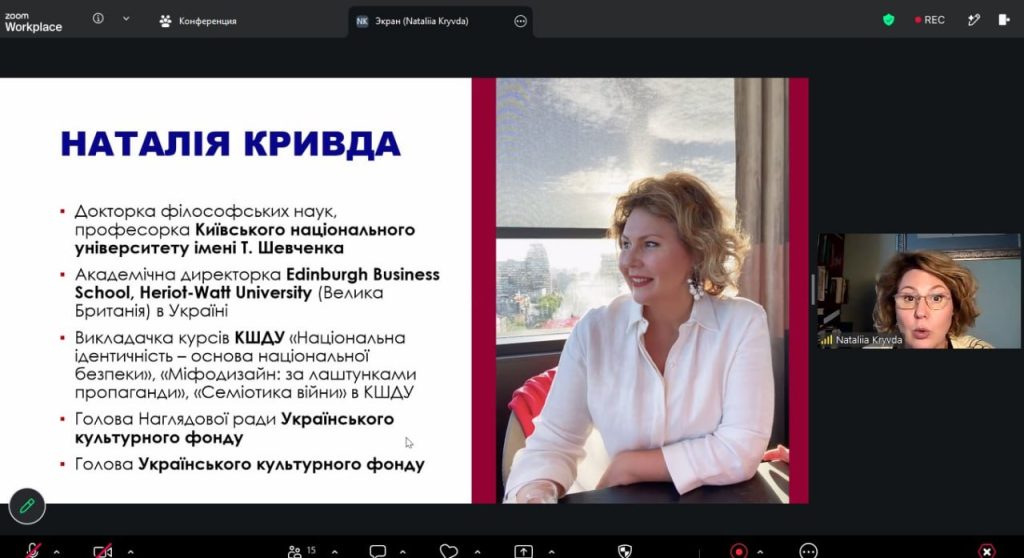
Over the past few years, each of us has changed. Some have lost their homes, some have lost loved ones, and some have gone to fight. We have all been given experiences we did not choose. And perhaps it is precisely now that we are asking ourselves with particular urgency: what remains unchanged within us? What makes us who we are?

Critical analysis of the Law of Ukraine No. 2834-IX of 13 December 2022 “On the Basic Principles of State Policy in the Sphere of Consolidating Ukrainian National and Civic Identity” (hereinafter – the Identity Law) and the Strategy for Consolidating Ukrainian National and Civic Identity for the Period until 2030, approved by Resolution of the Cabinet of Ministers of Ukraine No. 1322 of 15 December 2023.

The answer we propose appears simple at first glance, but it has unexpected consequences. The Church’s imagination is never a single thing. It operates simultaneously on several levels; it looks both ways, from the Church and toward the Church, and precisely for this reason it can be at once the greatest resource for social harmony and the deepest source of social division.
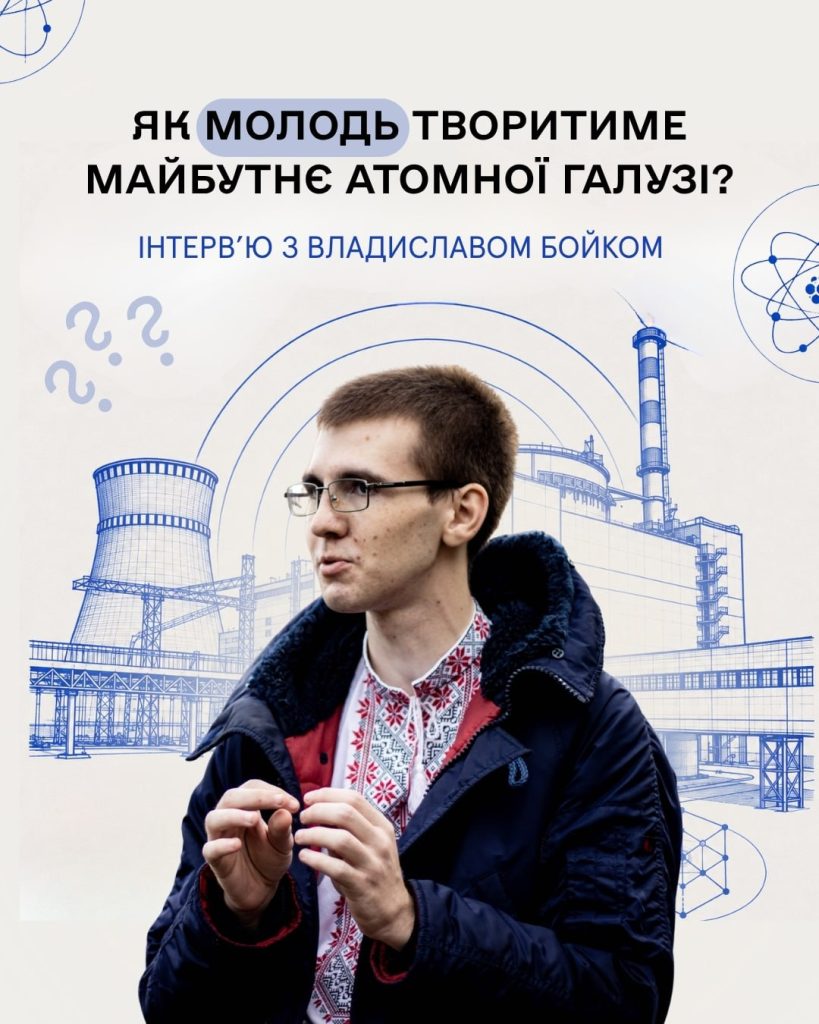
An interview with Vladyslav Boiko, a native of Varash, the satellite city of the Rivne Nuclear Power Plant. While still at school, he actively explored the operation of the energy facility and completed internships at the Chemical Department and the Ventilation and Air Conditioning Department.
Authors and participants of the Summer School: Almira Nesipbaieva, Daryna Rasputna, Anastasiia Khomiak In Ukraine, over the past few years, the word “future” has acquired
Applying a tourniquet to a wound or recognizing a fake in your news feed – which of these saves more lives today? At the Summer School of Journalism in Varash, we came to a clear understanding: these skills are equally important. During wartime, words can both heal and become weapons of mass destruction.
Is it possible to learn, in five days, how to hold the line, save lives, weave protective charms, and crush enemy propaganda? At the Summer School of the “Youth for the Future of Ukraine” project in Varash, they proved that it is possible. Especially when you are part of the generation that will very soon have to rebuild this country.
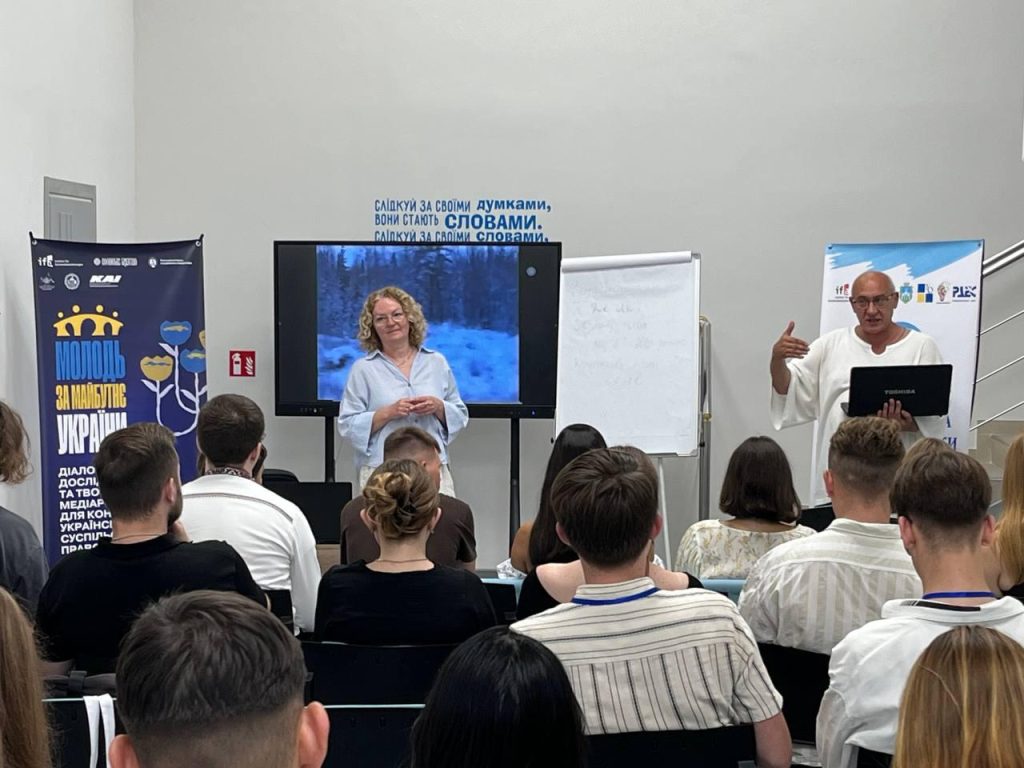
From 2 to 6 August, the Summer School of Media and Journalism took place in Varash, Rivne Region, as part of the “Youth for the Future of Ukraine” project. Young participants worked with journalism, video, critical thinking, and dialogue, and sought their own answers to the question: what should the Ukraine that we want to build be like?
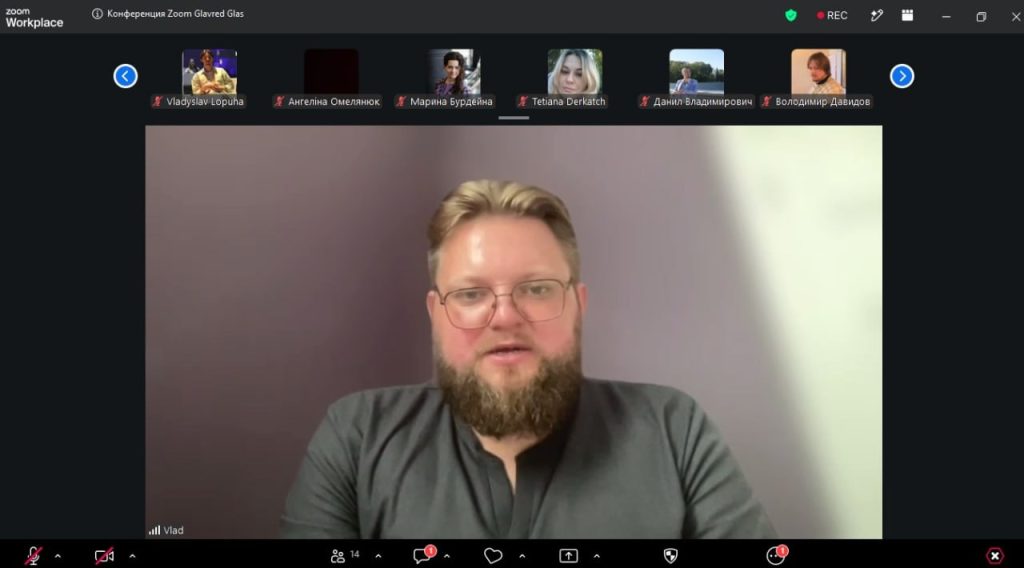
“Coping with Collective Trauma: Russian War Crimes Against Children. Ways of Countering Them and Rehabilitation. How Can Society Help Restore and Protect Childhood in Ukraine?” – this was the topic of the latest webinar devoted to one of the most painful consequences of Russian aggression.
Hennadii Khrystokin, Doctor of Philosophy, Professor In the previous article, we demonstrated that the common good does not emerge through the proclamation of the “right”
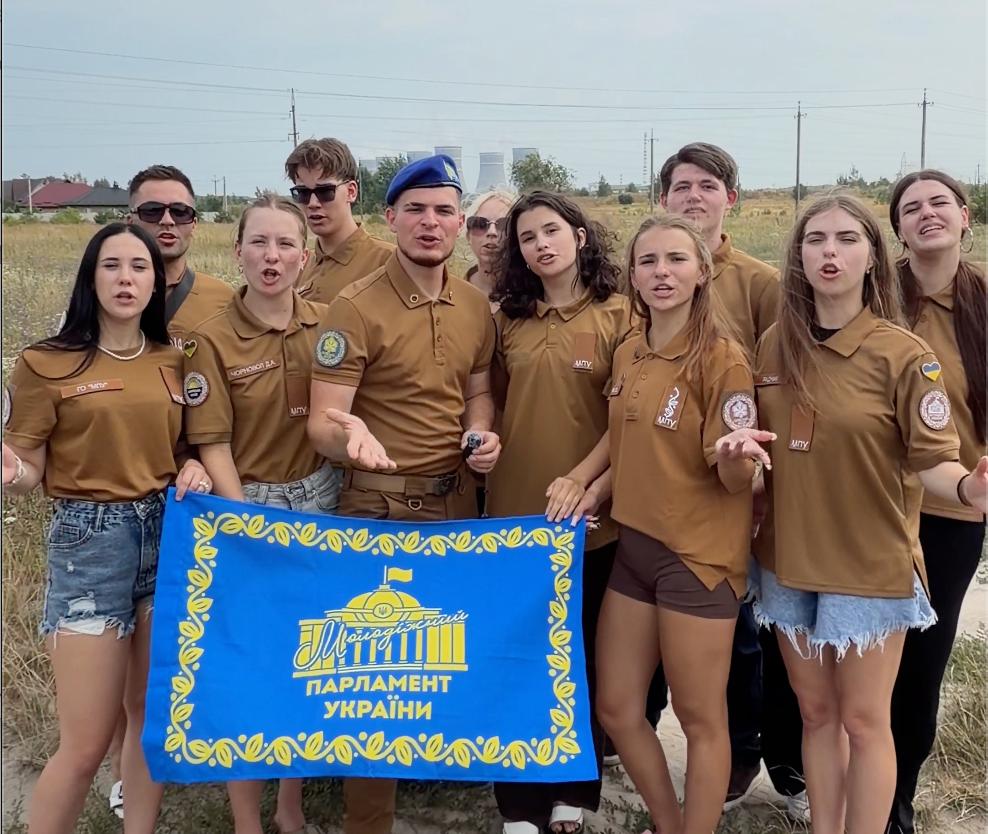
A video featuring feedback from the participating teams of the Summer School of Journalism, held in Varash from 2 to 6 August.
There is a well-known observation that aptly describes our situation: people who use the same words often mean entirely different things. “Dignity,” “justice,” and “unity” are part of the vocabulary of virtually every public discussion about Ukraine’s future.
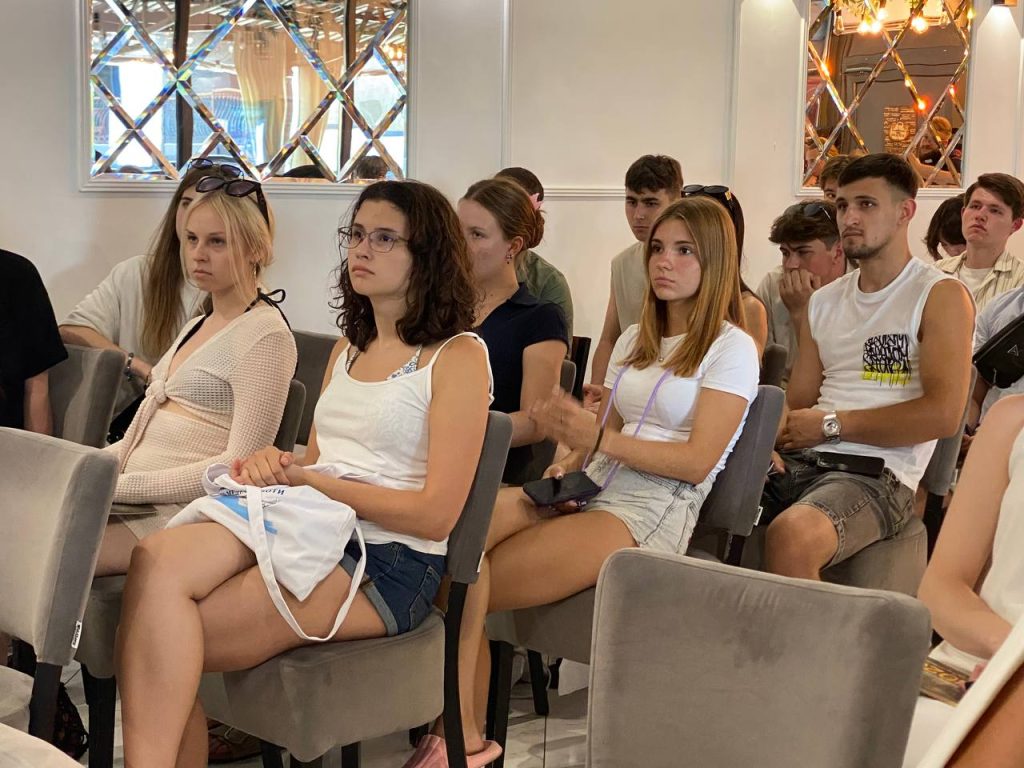
Varash, Rivne Region – Amid the forests of Polissia, the Journalism and Media Summer School has officially begun. More than 40 young participants, 10 speakers, distinguished guests, and one central mission: to learn how to create content that not only informs, but also transforms society.
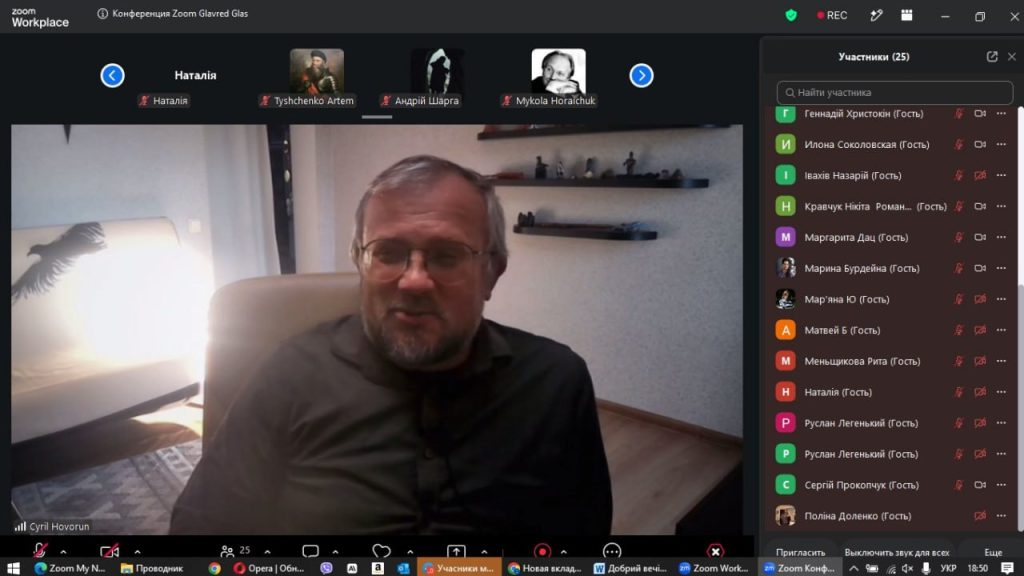
Is it enough for Ukraine to win the war in order to become a successful state? Does a responsible society emerge automatically once freedom has been achieved? And could Ukraine’s greatest test come not on the battlefield, but after victory?
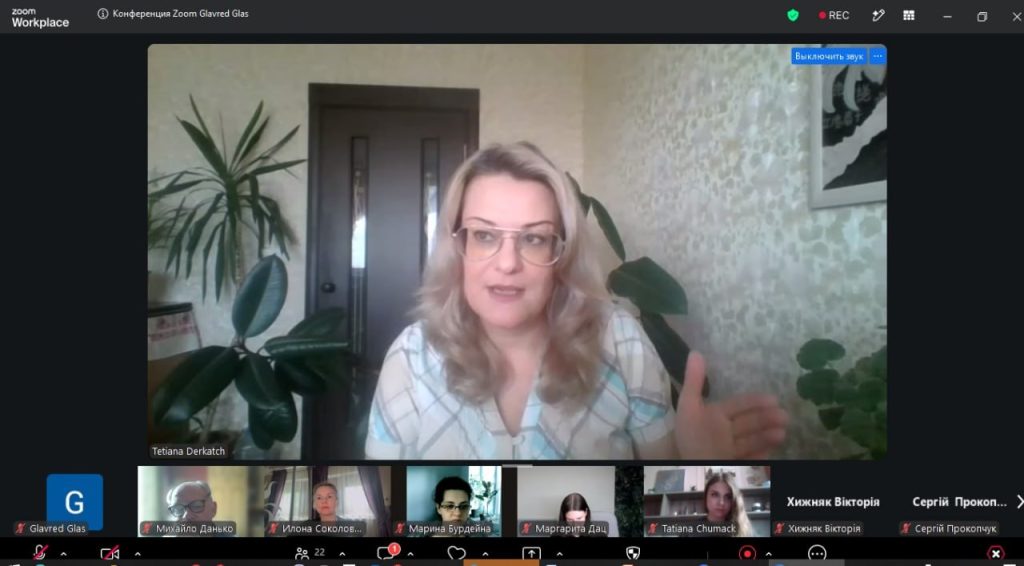
Although the discussion was prompted by the crisis in inter-Orthodox relations, the webinar quickly moved far beyond church-related issues. In reality, it addressed a much broader question: why some conflicts can end in mutual understanding while others are destined to reproduce themselves endlessly.
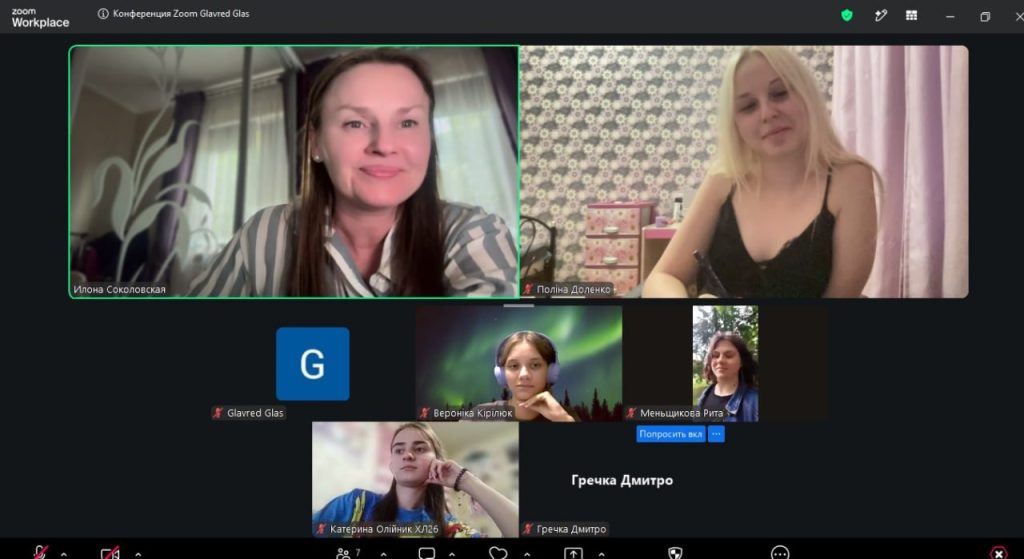
While some people are planning their vacations, 16 youth teams from different parts of Ukraine are working on their projects – and that is no exaggeration. We met with the teams to help them transform their ideas into clear action plans.
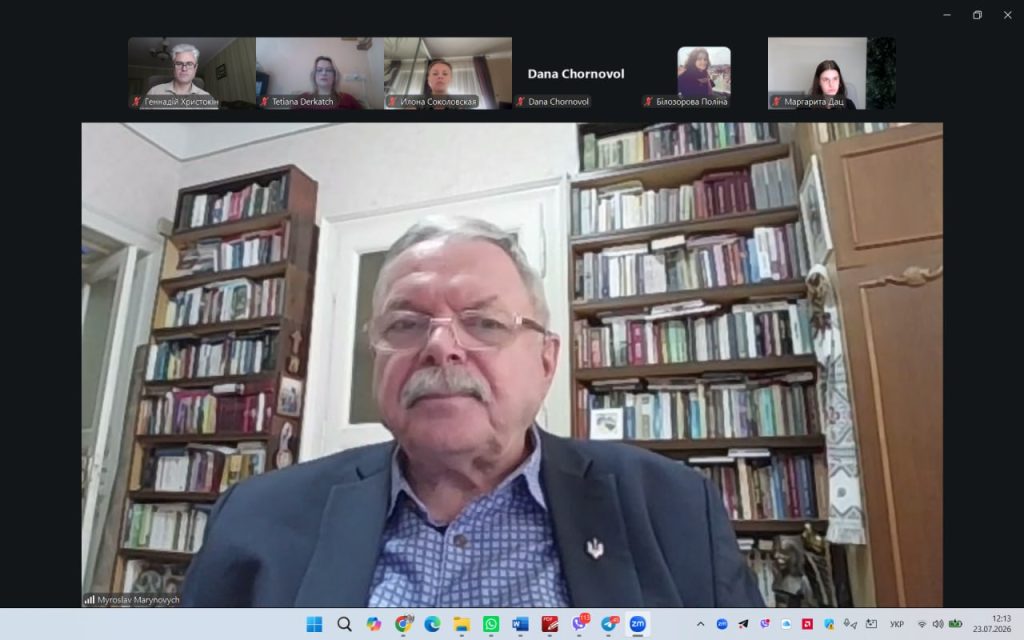
Despite the announced topic, “Leadership and the Source of Strength,” the conversation quickly went far beyond a traditional lecture on leadership qualities. It became an open dialogue about freedom, responsibility, sacrifice, trust, and the moral choices a person must make in times of historic upheaval.
Ukraine is currently going through a period that will determine its future: a war for the existential survival of the state continues, alongside an internal, intense, and not always publicly articulated societal debate about what this state should become after the war.
Today, Ukrainian Orthodoxy finds itself in a state of a multi-layered systemic institutional conflict that cannot be reduced to a single cause or a single dimension. Increasingly, scholars describe it as an intertwining of historical, institutional, symbolic, political, and cultural processes that mutually influence and reinforce one another.
Some of us remember the morning of 24 February as a sound that woke us before the alarm clock. Some remember an empty classroom where thirty classmates had sat only the day before, but only twelve remained. Some remember the queue at the border, where a mother held a younger brother by the hand and could not explain why their father was staying behind.
As part of the project “Youth for the Future of Ukraine: Dialogue, Research, and Creative Media Work for the Consolidation of Ukrainian Society and Orthodoxy,” another webinar was held within the ongoing series dedicated to the common good and the reconstruction of Ukraine.
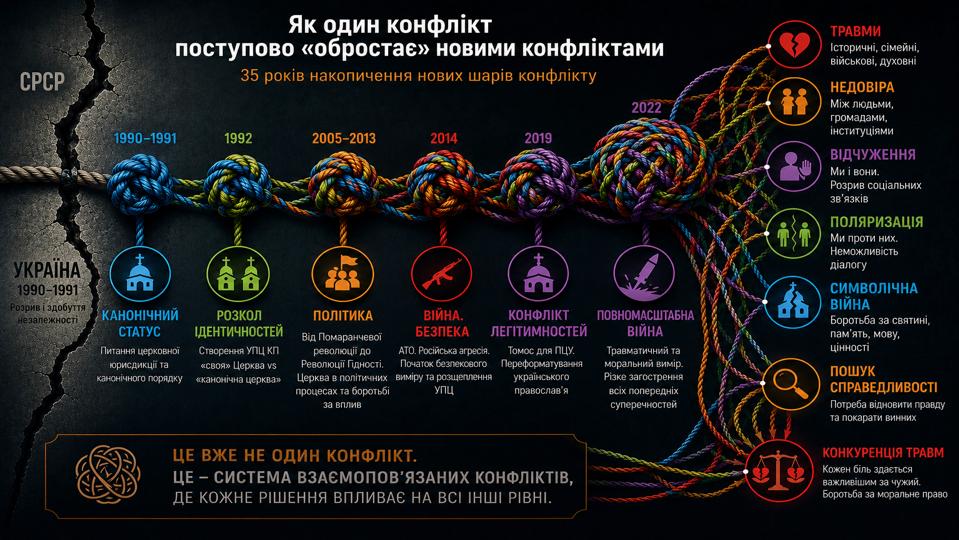
“We will discuss how a decades-long church conflict affects the ability of Ukrainian society to remain united, and how it has become part of a much larger system of social divisions within Ukraine”.
As part of the project “Youth for the Future of Ukraine: Dialogue, Research, and Creative Media Work for the Consolidation of Ukrainian Society and Orthodoxy,”
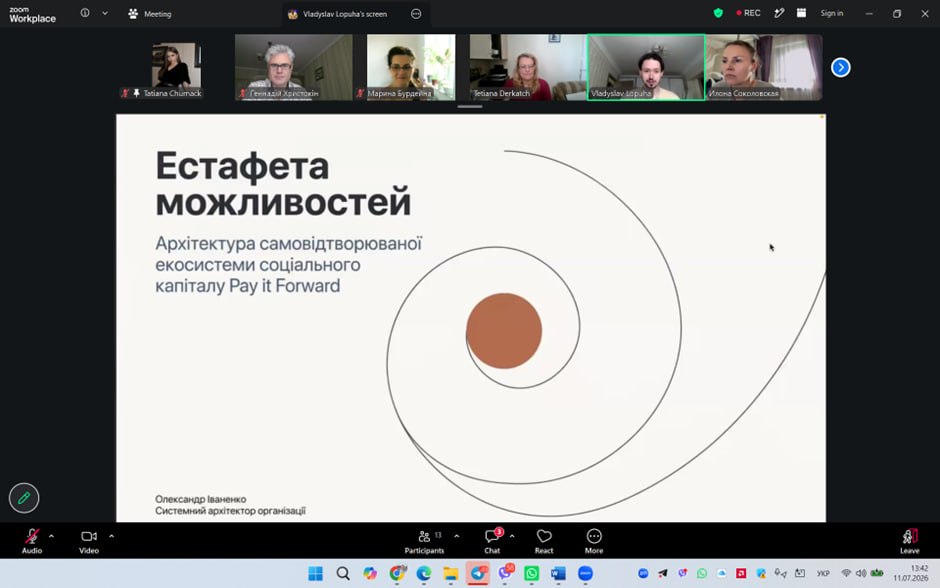
The webinar series of the project “Youth for the Future of Ukraine: Dialogue, Research, and Creative Media Work for the Consolidation of Ukrainian Society and Orthodoxy” continues.
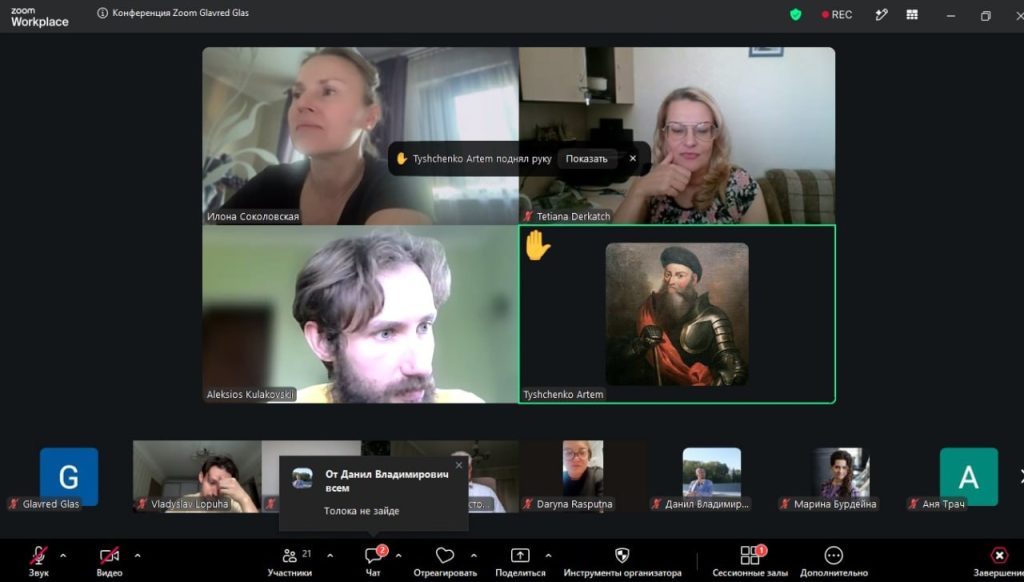
The project “Youth for the Future of Ukraine: Dialogue, Research, and Creative Media Work for the Consolidation of Ukrainian Society and Orthodoxy” has launched a series of thematic webinars designed to help participants not only gain new knowledge but also develop their own project ideas for the benefit of their local communities.