



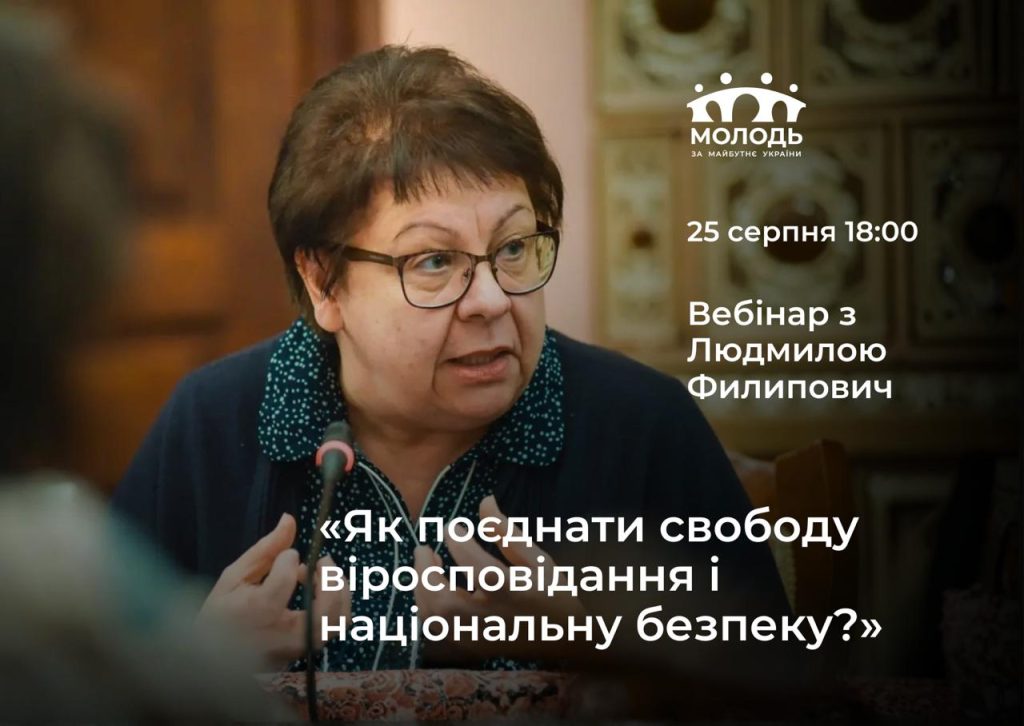
Webinar: “How Can We Reconcile Freedom of Religion and National Security? Is It Time to Address Religious Security?”
The war has forced Ukraine to take a fresh look at many things that once seemed self-evident. One of them is the issue of religious freedom.
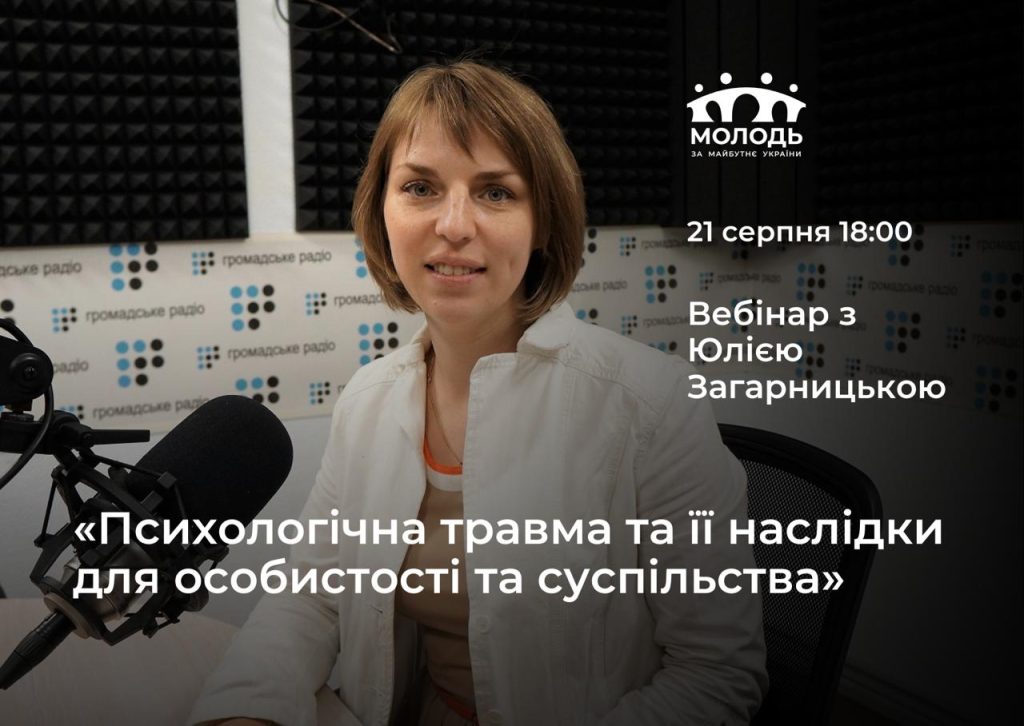
Webinar “Psychological Trauma and Its Consequences for the Individual and Society”
Psychological trauma: what does it do to us – and how do we live with it afterward? Friends, we are continuing the webinar series of the “Youth for the Future of Ukraine” project.
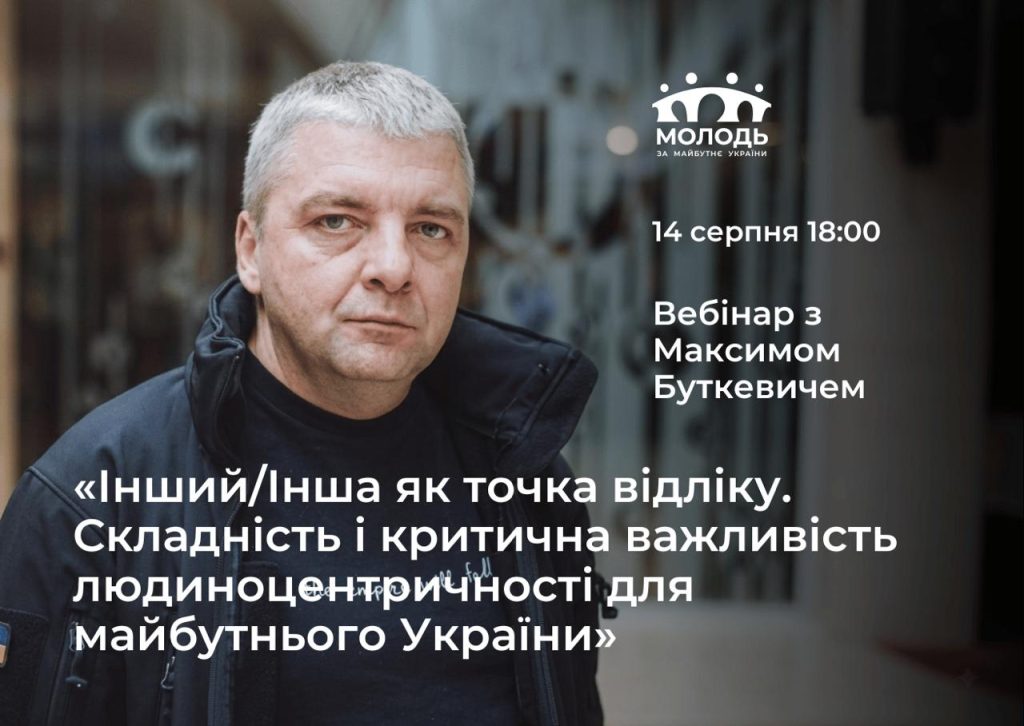
Webinar “The Other as a Point of Reference: The Complexity and Critical Importance of a Human-Centered Approach for Ukraine’s Future”
We talk a great deal about rebuilding Ukraine – about cities, the economy, reforms, institutions, and security. But ultimately, all of this makes sense only if it answers a simple question: who are we building all of this for?
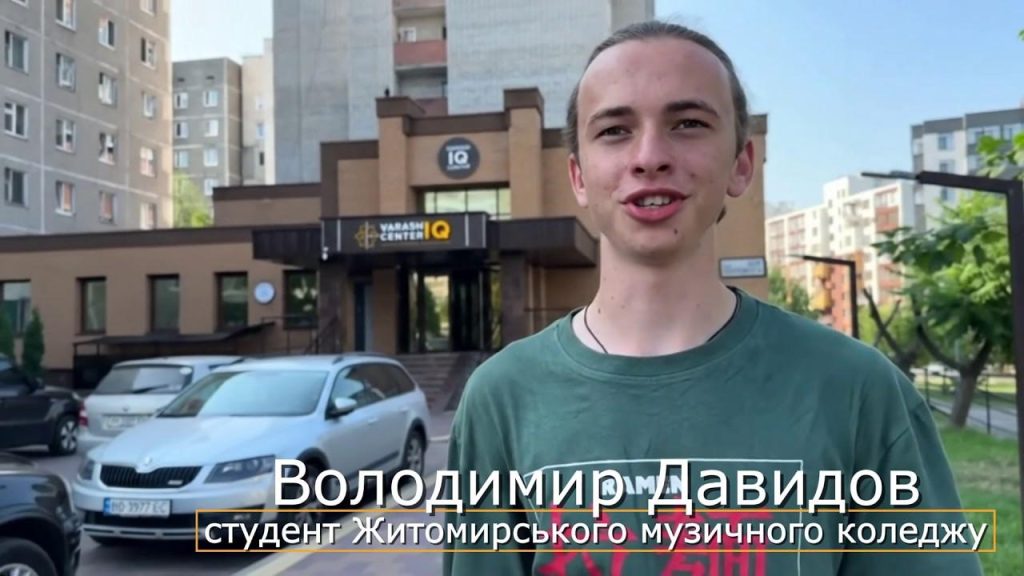
Technological Ukraine and Convenient Cities: How Young People Envision the Country of the Future
We continue our series of materials about the young participants of the “Youth for the Future of Ukraine” project who, after completing training at the
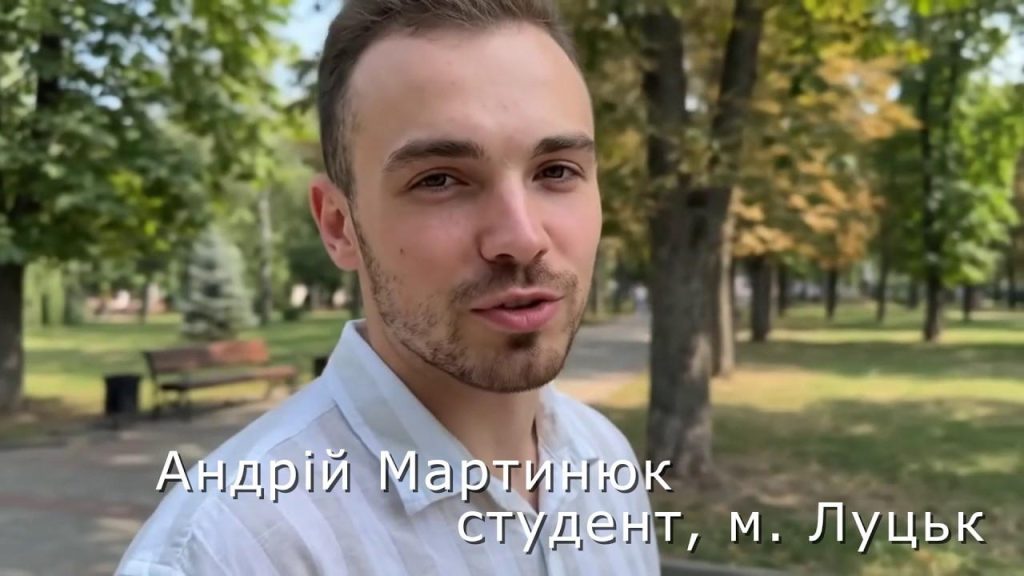
Ukraine’s Recovery Begins with Each of Us
Graduates of the Summer School of Journalism and Media Work, held in August as part of the “Youth for the Future of Ukraine” project, have joined the creation of a new video series, “Ukraine’s Recovery: Directions, Priorities, Challenges.”
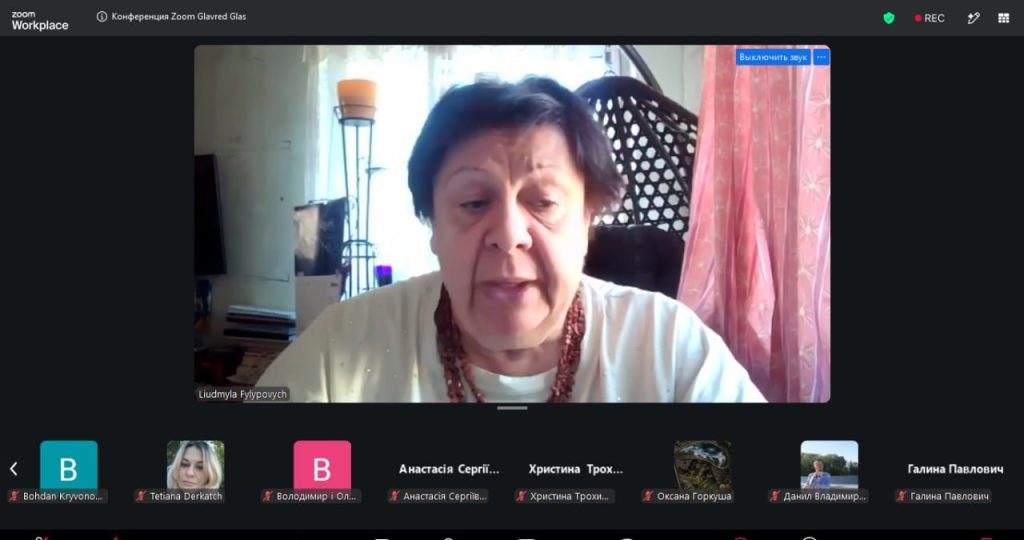
Freedom of Religion or National Security? Where Is the Boundary?
Can a state protect itself without restricting freedom of conscience? And can the state remain neutral if the religious sphere becomes a space of real security risks?
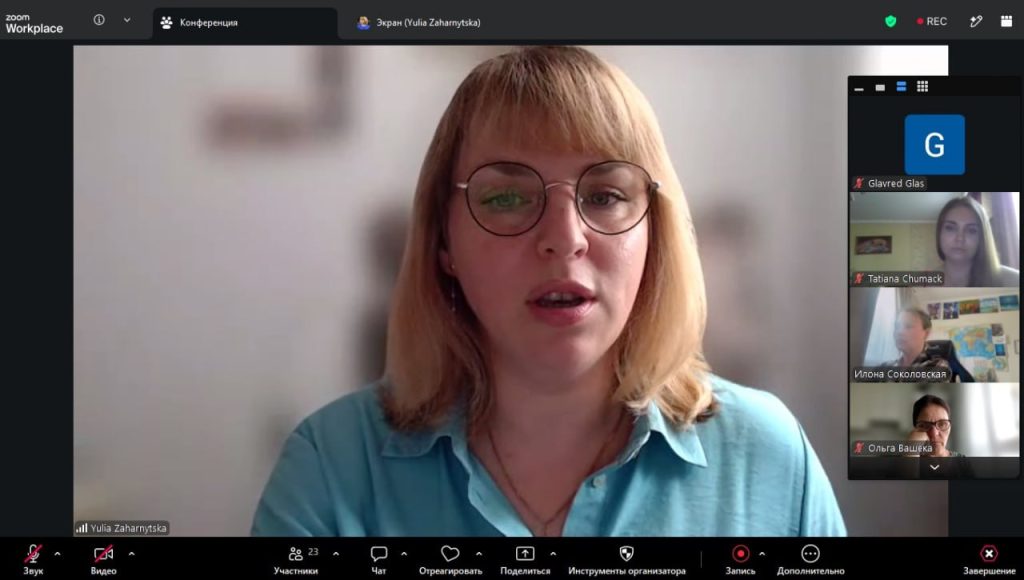
Psychological Trauma: What Does It Do to Us – and How Do We Live with It Afterwards?
For a person, war does not end the moment the explosions fall silent. Sometimes it continues in dreams, in the body, in reactions to sounds, in distrust of loved ones, in the inability to plan for the future. But a traumatic experience can remain part of our story without becoming our entire story.
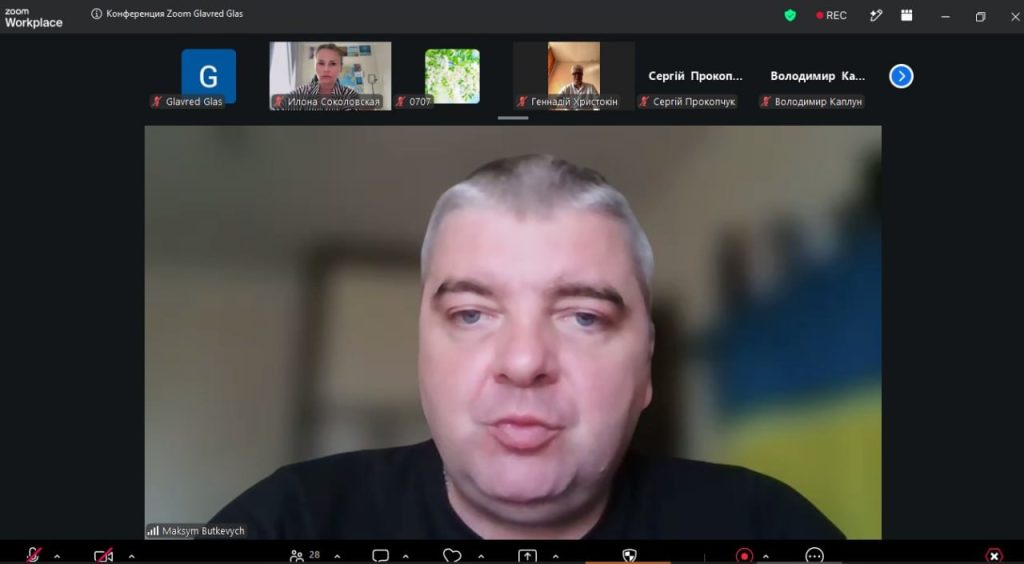
The Human Being as the Point of Reference: What Maksym Butkevych’s Experience Teaches Us
In a time of full-scale war, the term “human-centeredness” may sound almost paradoxical. When a country is fighting for its very right to exist, when human lives become part of military statistics, and when the state is forced to restrict citizens’ rights and freedoms, is it even possible to place the human being at the center?
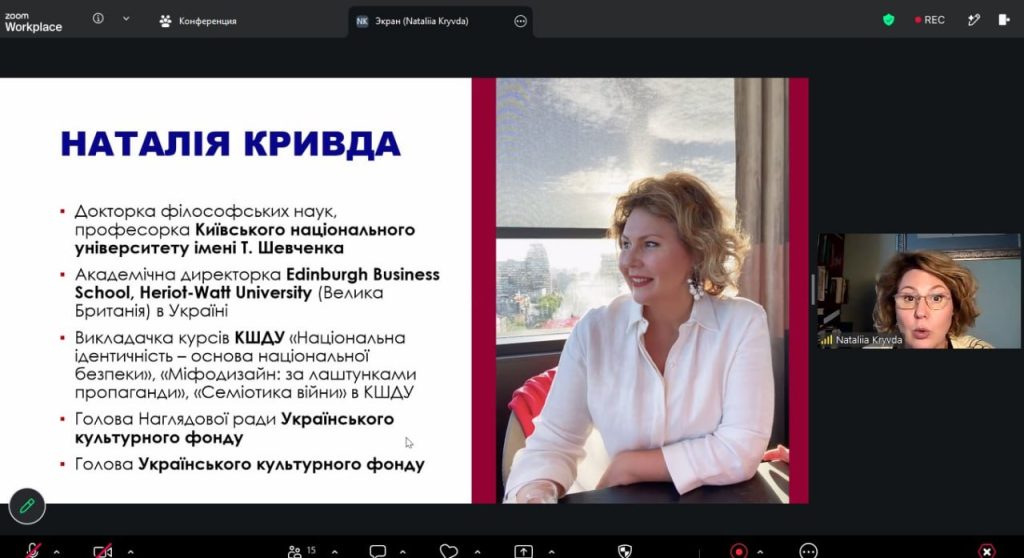
Identity, Values, and Ukrainians’ Inner Foundation: Who Are We After Everything That Has Happened to Us?
Over the past few years, each of us has changed. Some have lost their homes, some have lost loved ones, and some have gone to fight. We have all been given experiences we did not choose. And perhaps it is precisely now that we are asking ourselves with particular urgency: what remains unchanged within us? What makes us who we are?