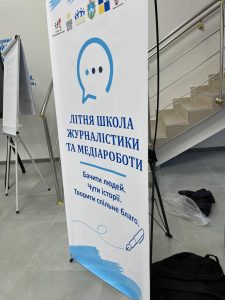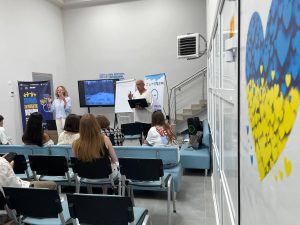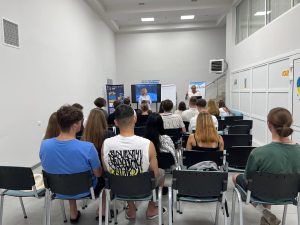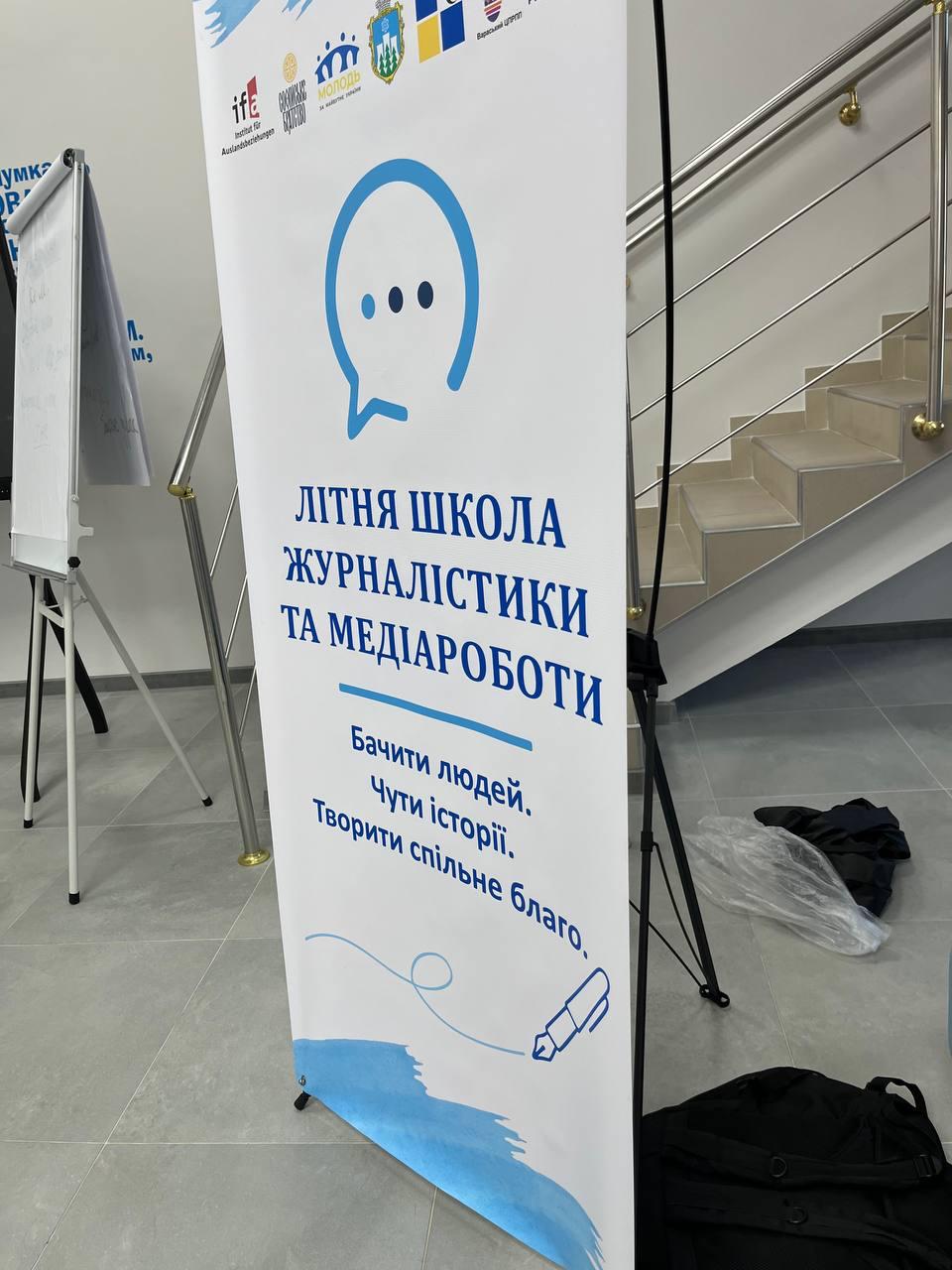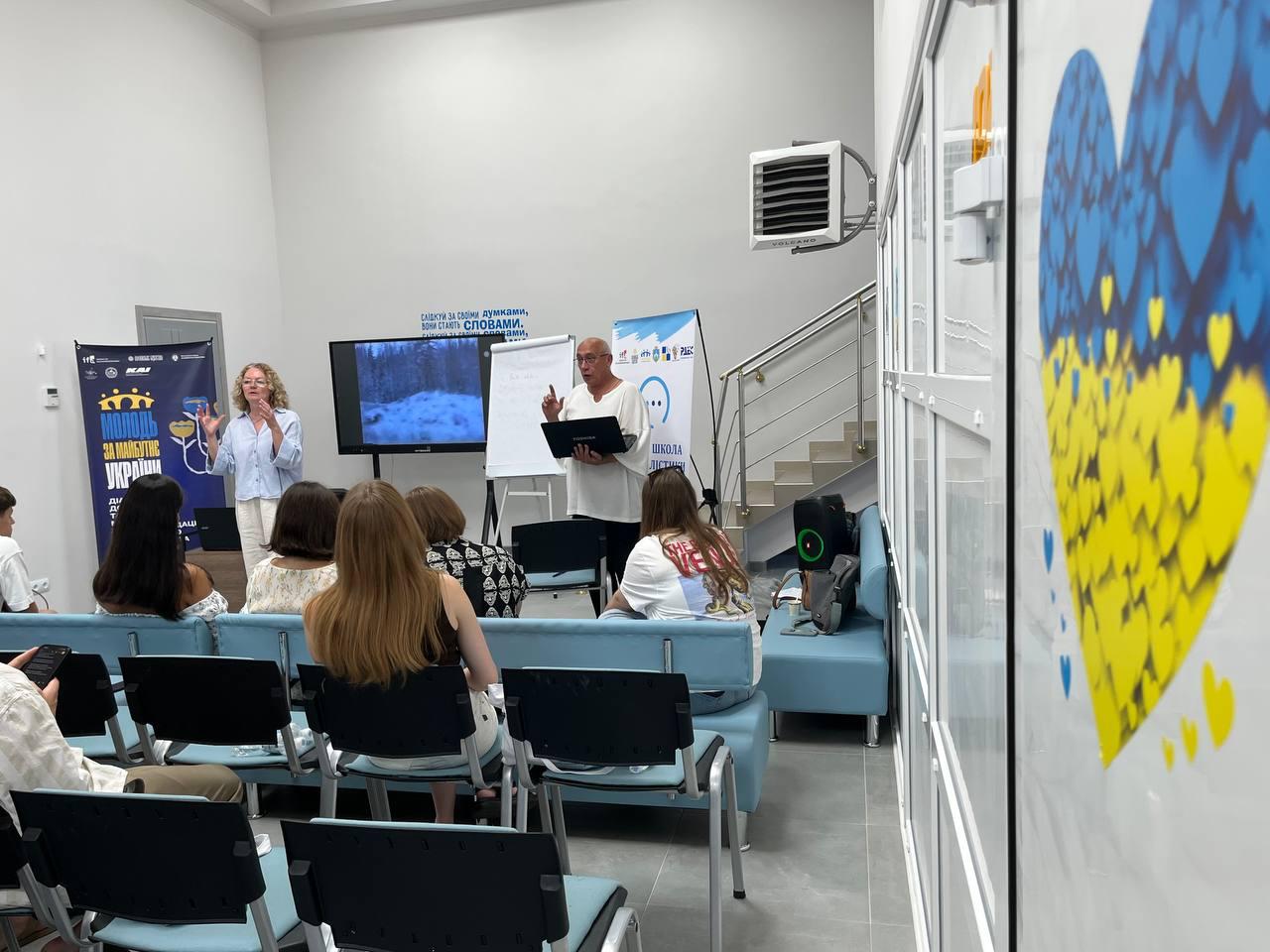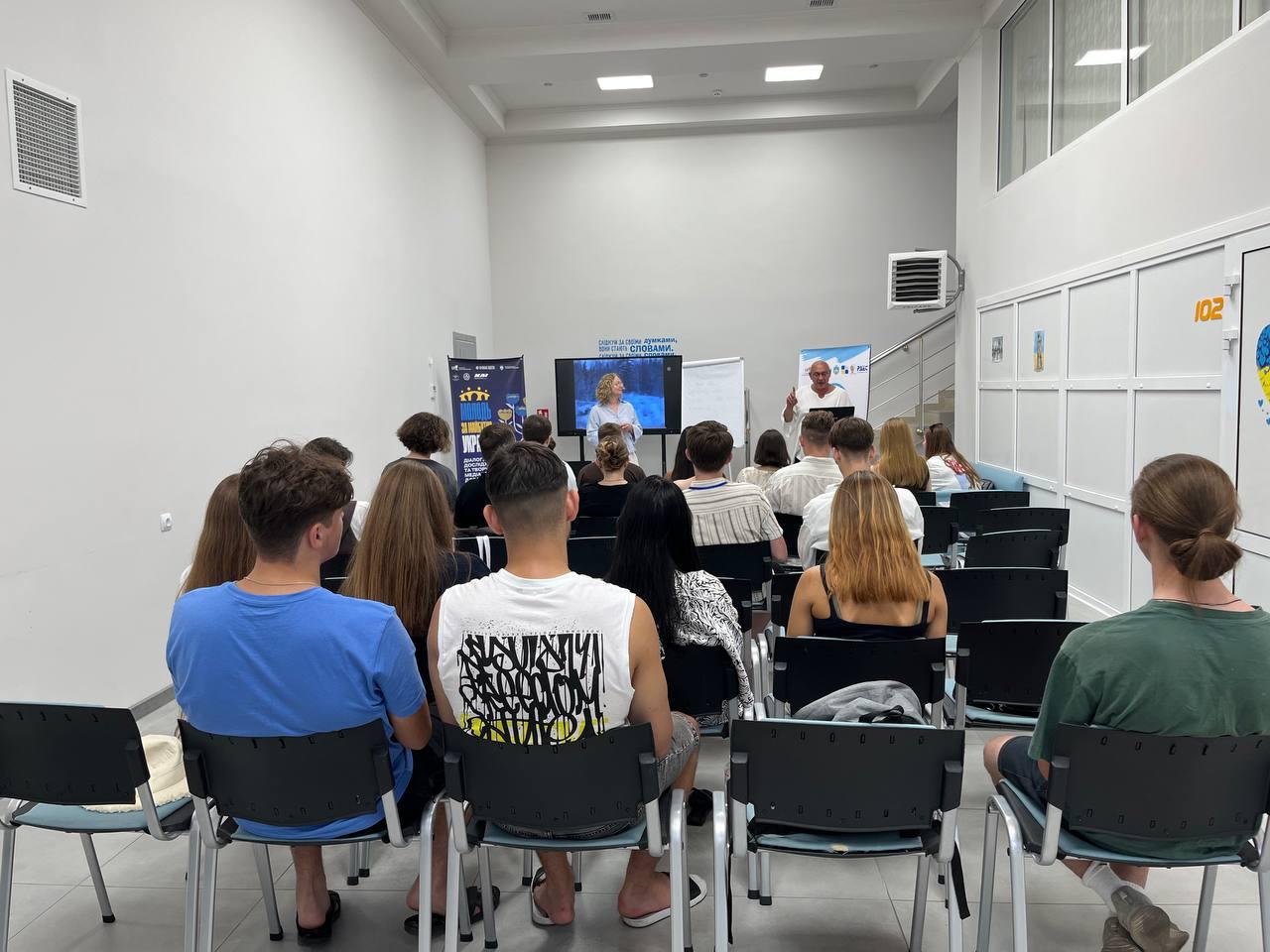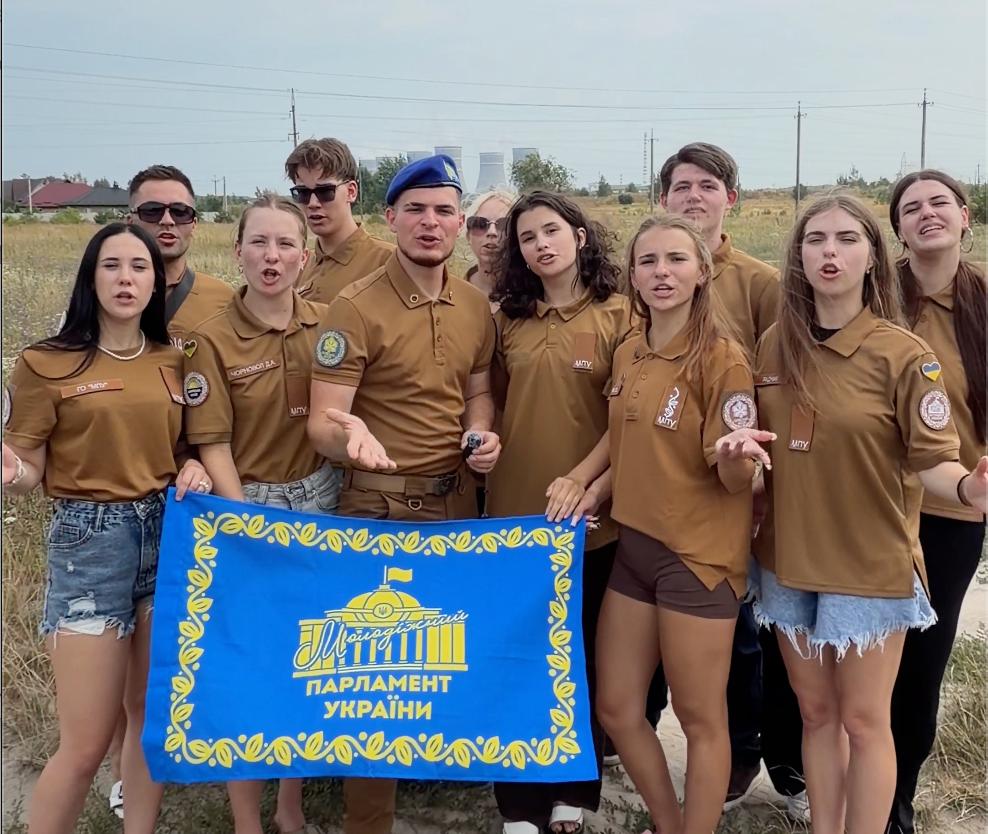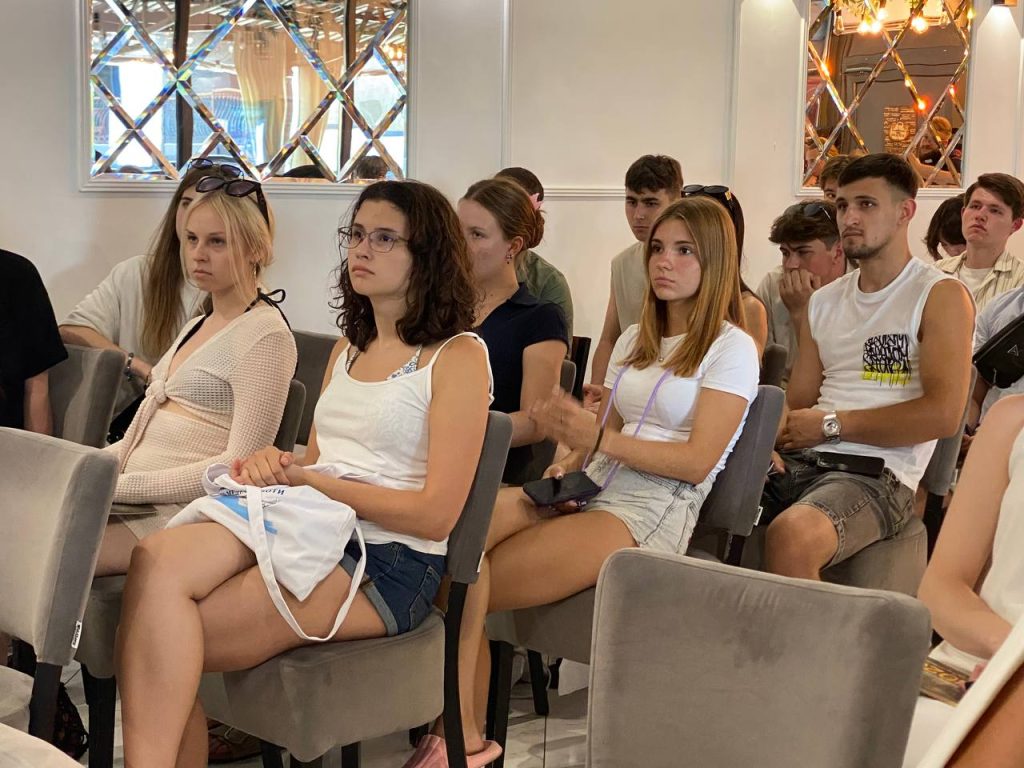
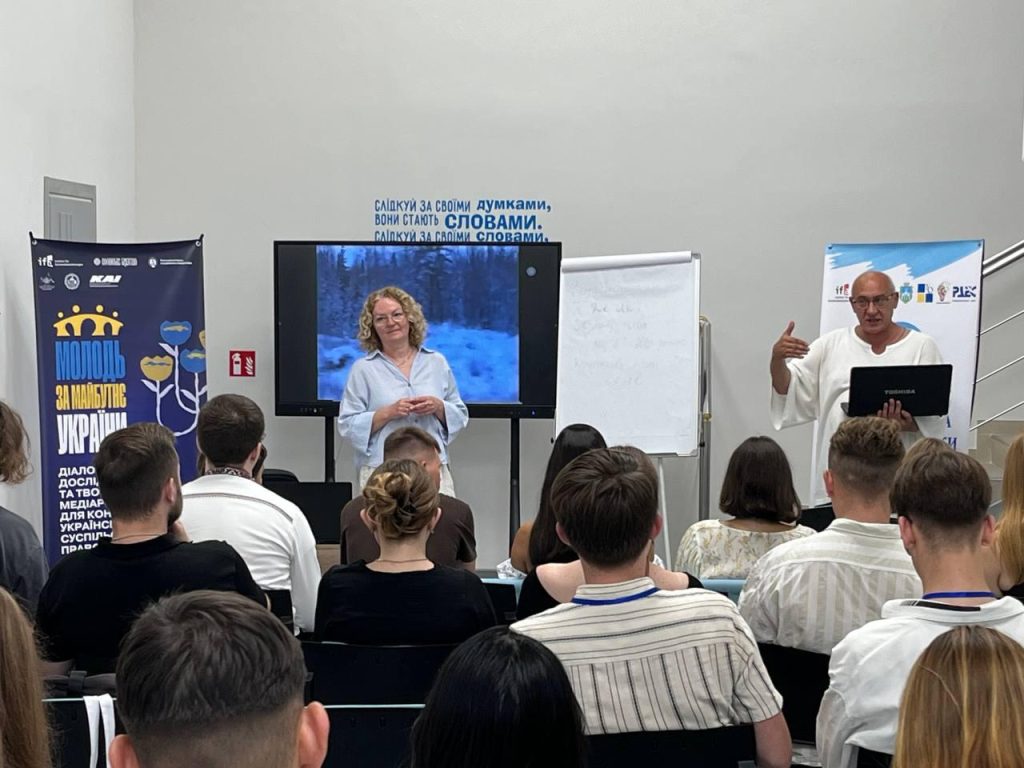
From 2 to 6 August, the Summer School of Media and Journalism took place in Varash, Rivne Region, as part of the “Youth for the Future of Ukraine” project. Young participants worked with journalism, video, critical thinking, and dialogue, and sought their own answers to the question: what should the Ukraine that we want to build be like?
The Summer School became a space where journalism did not remain merely theoretical. Young people learned how to work with information, ask questions, recognize manipulation, tell stories, create videos, and speak about complex social processes in a way that makes people want to listen. This was precisely the approach embedded in the concept of the School: to see people, hear stories, and create the common good.
The programme combined learning, practice, creativity, and informal interaction. Some sessions were devoted to journalism and creative media work, while others focused on developing communication, leadership, resilience, and the ability to work together. The practical and artistic activities included in the programme were not merely a “break” between lectures, but a way to get to know one another better, restore personal resources, and build trust within the group.
From Information Warfare to Responsibility for One’s Own Words
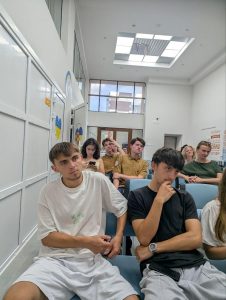
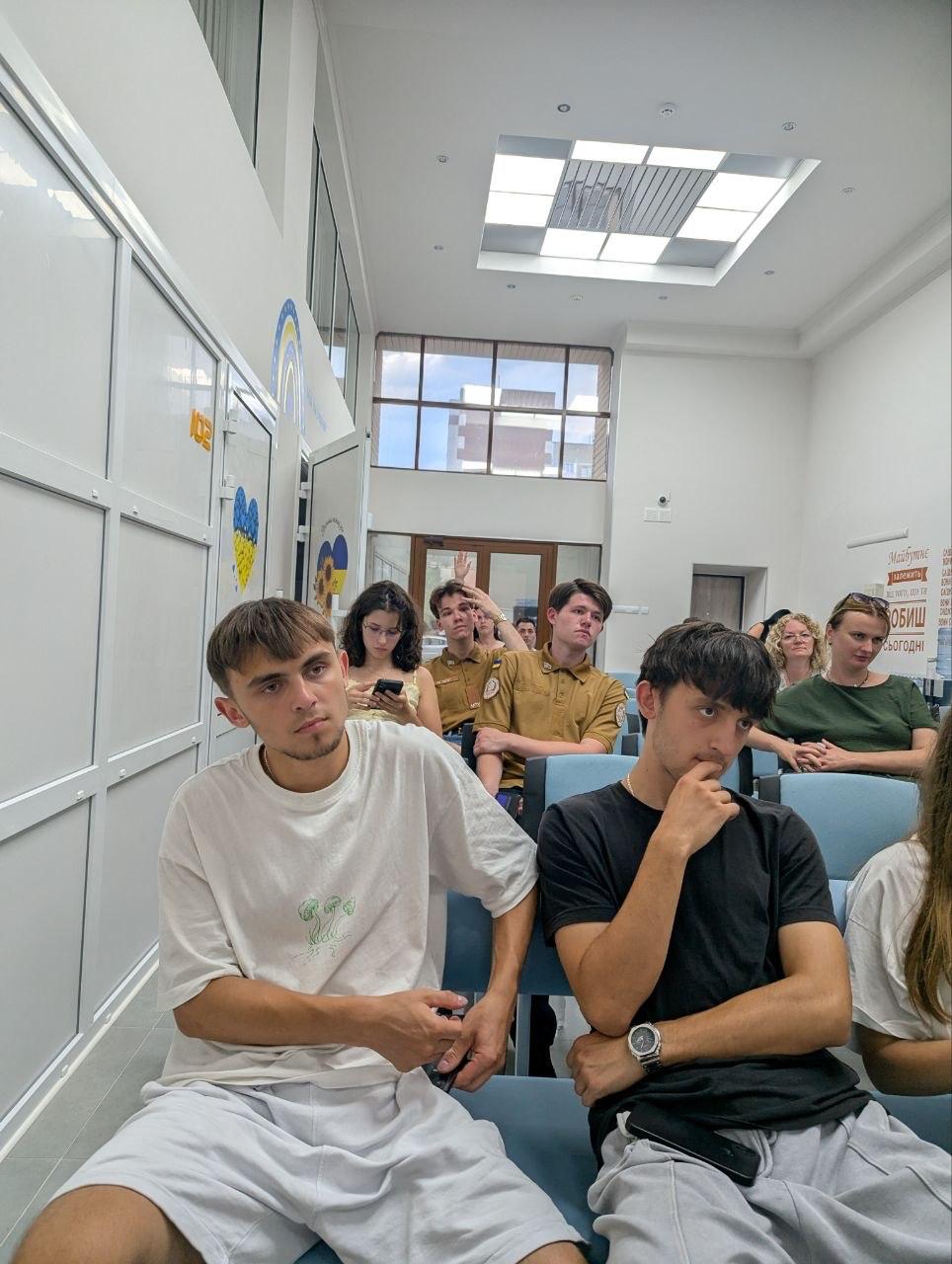
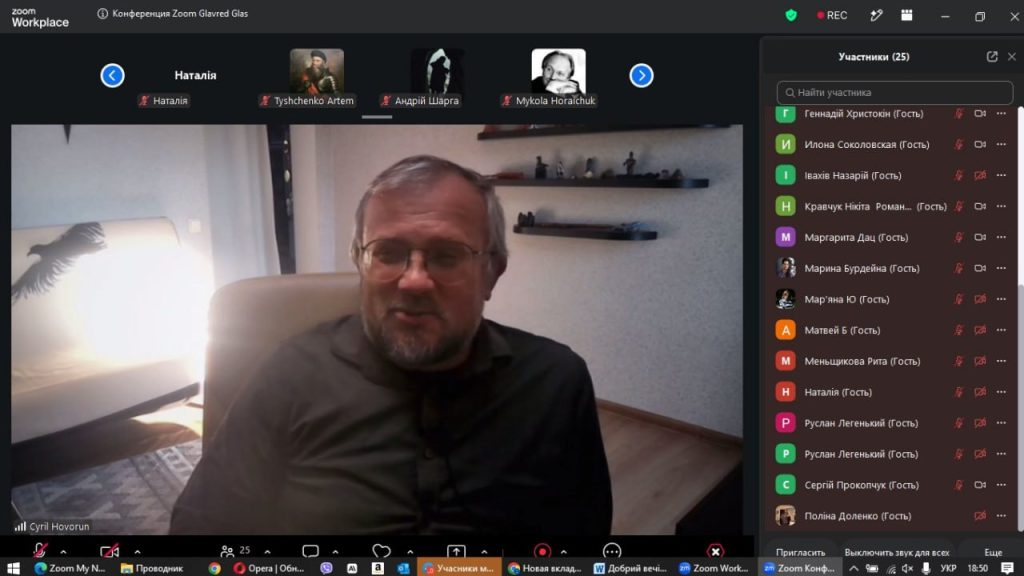
One of the first key conversations was an interactive lecture-dialogue by political scientist and co-founder of the National Platform for Resilience and Cohesion, Oleh Saakian, “Information Warfare, Trust, and the Future of Ukraine. How the Media Help Society Endure and Preserve Unity.”
The participants discussed how information affects communities, why society can both unite and become divided, and why responsibility for the information space rests not only with professional journalists but also with everyone who creates and disseminates public content.
The participants saw this problem not only in theory. Laser tag, which became one of the first practical activities, unexpectedly turned into a good metaphor for information warfare: in a game, after making a mistake, you can start again, whereas in the real information space, false information can trigger panic, destroy trust, or harm an entire community.
Therefore, one of the School’s central questions was simple: is it enough for us to trust information, or do we need to verify it?
How to Talk About Ukraine’s Problems Without Working for the Enemy
A separate section was devoted to the difficult wartime topic of civic responsibility.
Human rights defender and civic activist, co-founder and head of the First Volunteer Mobile Hospital, Hennadii Druzenko, spoke with young people about the boundary between criticism, responsibility, and civic courage: “How to Talk About Ukraine’s Problems Without Working for the Enemy?”
This was not a conversation about avoiding uncomfortable topics. On the contrary, the participants learned to speak openly about problems, but to do so responsibly, understanding the possible consequences of their own words.
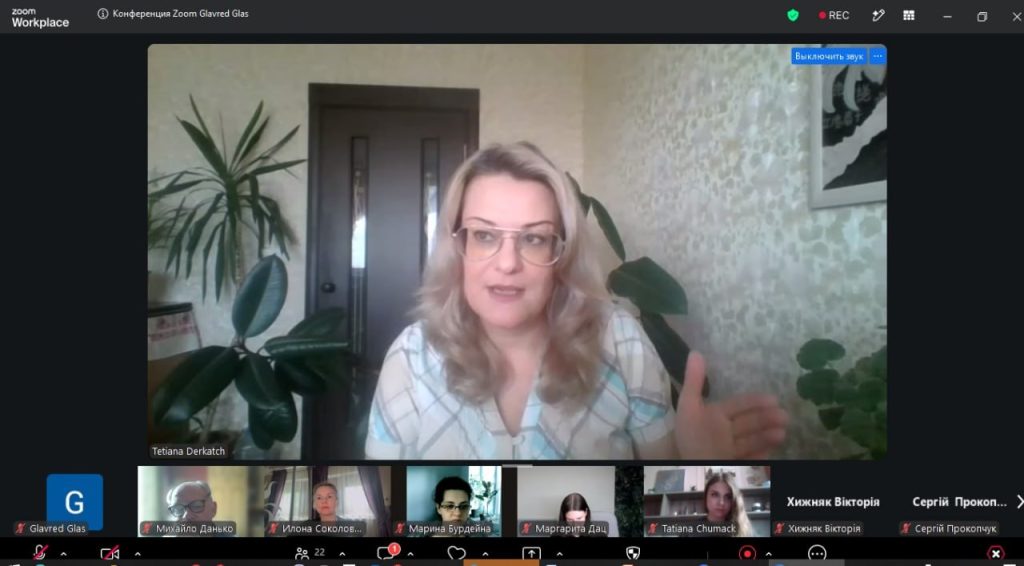
A separate practical laboratory was conducted by Viktoriia Ahapova, Doctor of Philosophy in Economics and analyst at VoxUkraine: “The Word That Builds. What Journalism and Media Work Should Be Like for Ukraine’s Recovery.” The discussion focused on how to explain reforms, public policy, and complex changes in simple language so that people not only receive information but also want to understand and become involved.
From an Idea to a Finished Story
Practical media work became an important part of the School.
Journalist, film and television producer, screenwriter, Colonel of the Armed Forces of Ukraine, and laureate of the Kyiv Art Prize in the field of journalism Taras Borovok conducted the practical laboratory “A Story Capable of Changing a Community, City, or Country.” The discussion focused on how to create a video after which the viewer will not simply click “like,” but will want to do something.
The next practical session, led by television journalist, screenwriter, and creator of the “Kamo Hriadeshy” project Olha Manko, “From an Idea to a Finished Film. How a Small Team Can Create a Major Media Project,” allowed the participants to move from an initial concept to a concrete media story.
During the interactive detective seminar “Who Edits Your Reality?”, editor and journalist Olesia Lepetun and documentary film director Mykhailo Vorobiov invited participants to look at the media from another perspective: how our picture of the world is formed, who determines what we see, and how editing, presentation, and visual choices change our perception of a story.
Together with the young participants, they also modelled the format of a public talk show: participants tried themselves in the roles of representatives of local authorities, civic activists, young people, and community residents, discussing specific problems such as the condition of shelters, recreational spaces, educational infrastructure, and employment opportunities for young people. This format made it possible not only to practise journalistic skills, but also to see how media can be used to organize meaningful dialogue within one’s own community, ask the authorities uncomfortable but important questions, and not be afraid to communicate with those who make decisions.
Not Just Journalism
Media work was deliberately combined with experiences that help participants gain a deeper sense of their own culture, local history, and community.
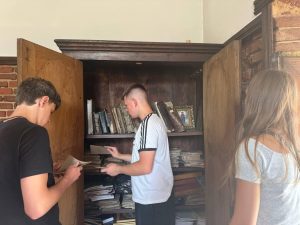
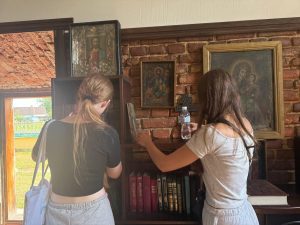
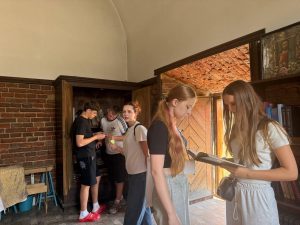
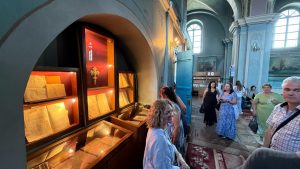
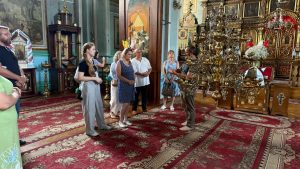
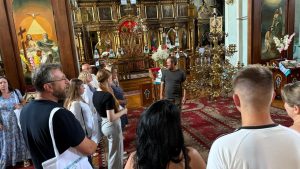
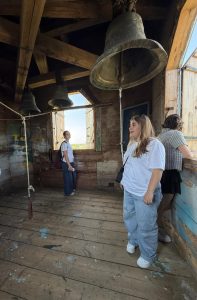
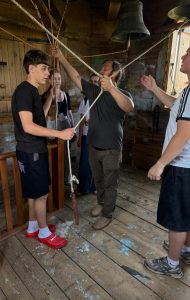
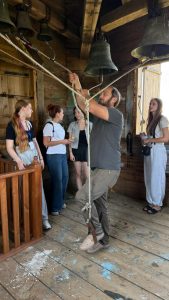
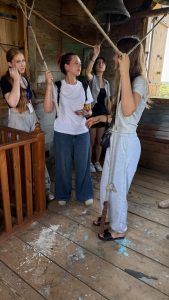
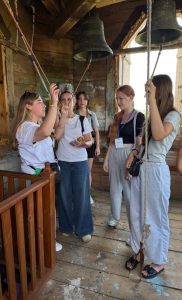
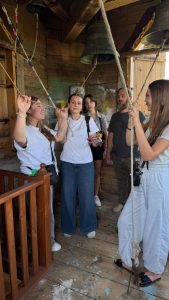
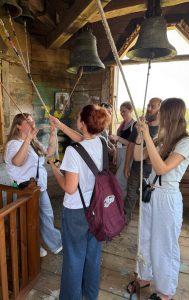
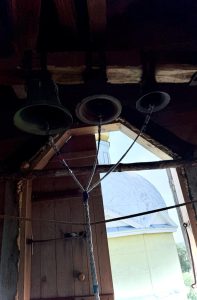
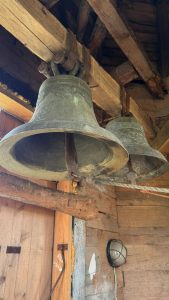
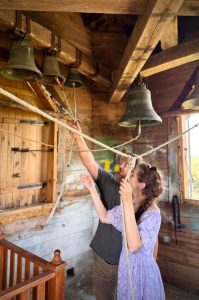
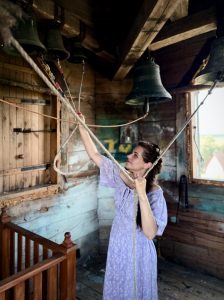
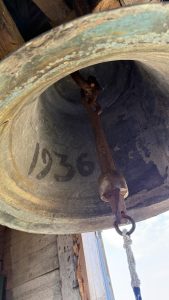
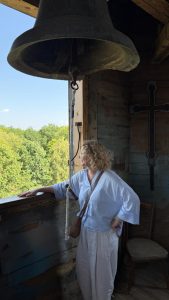
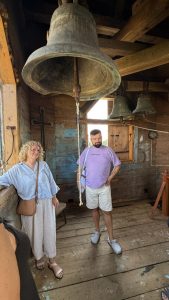
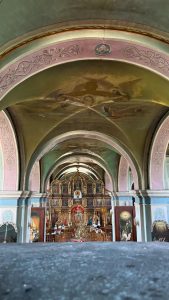
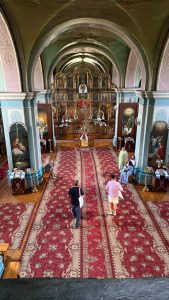
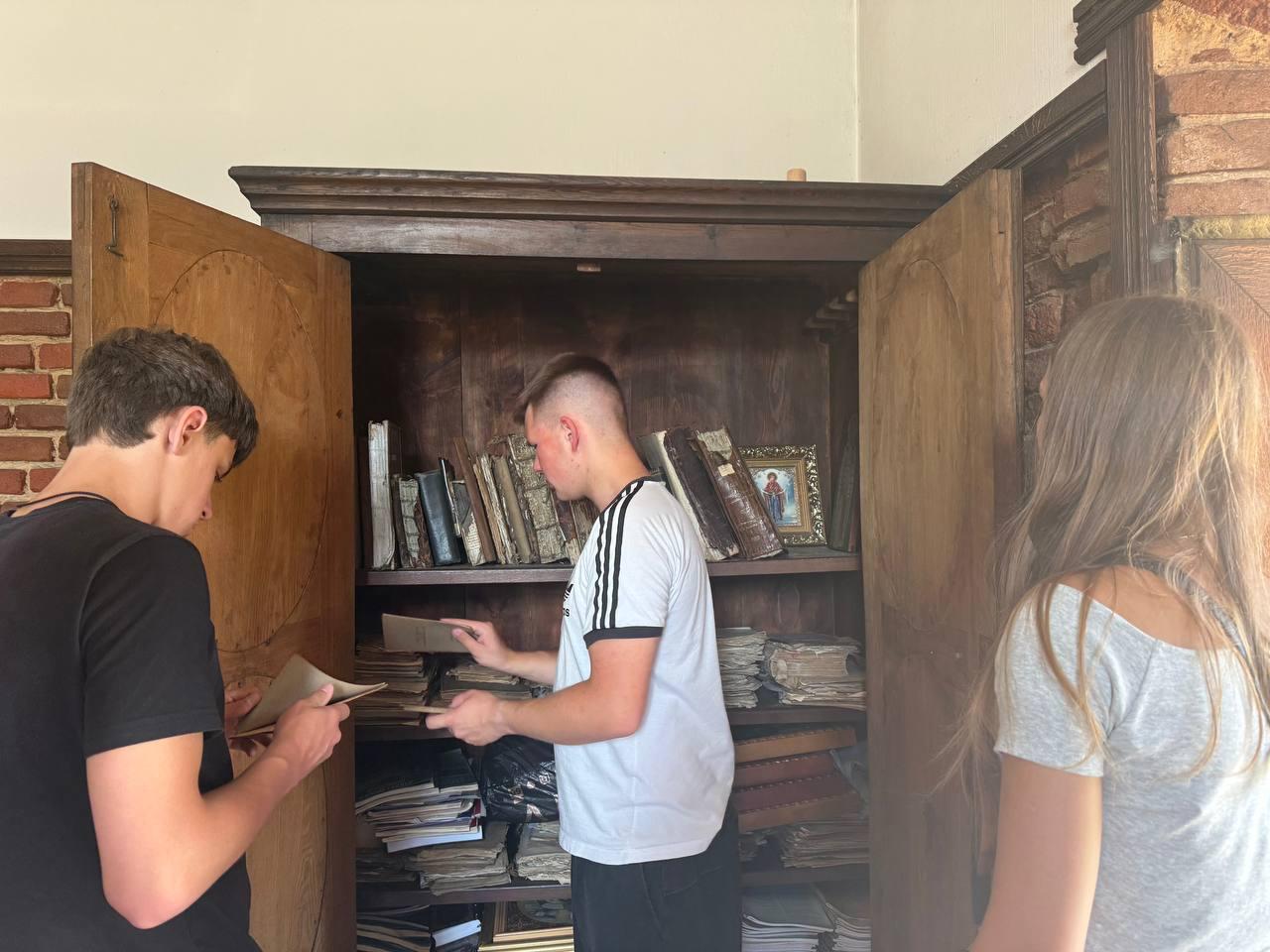
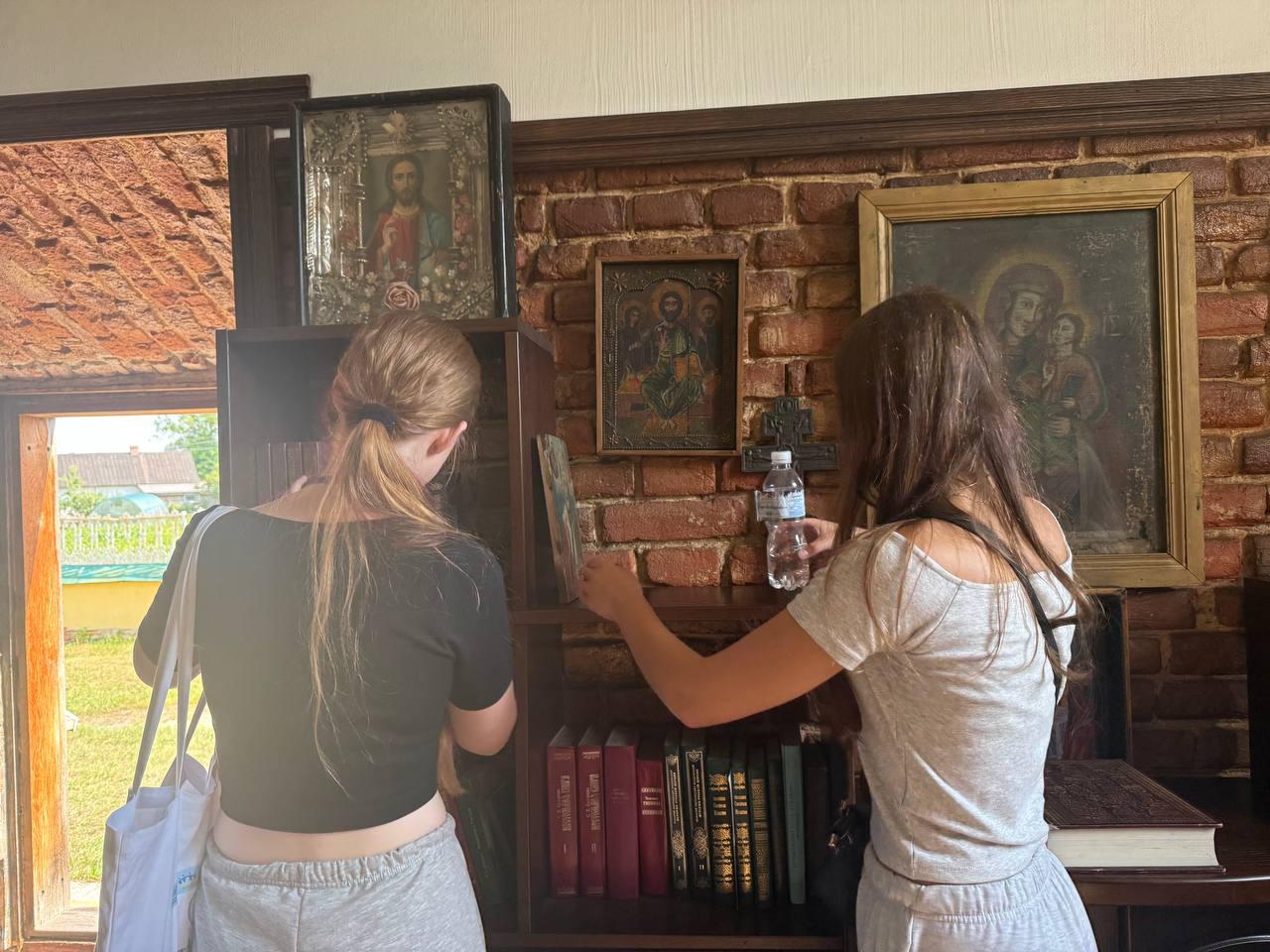
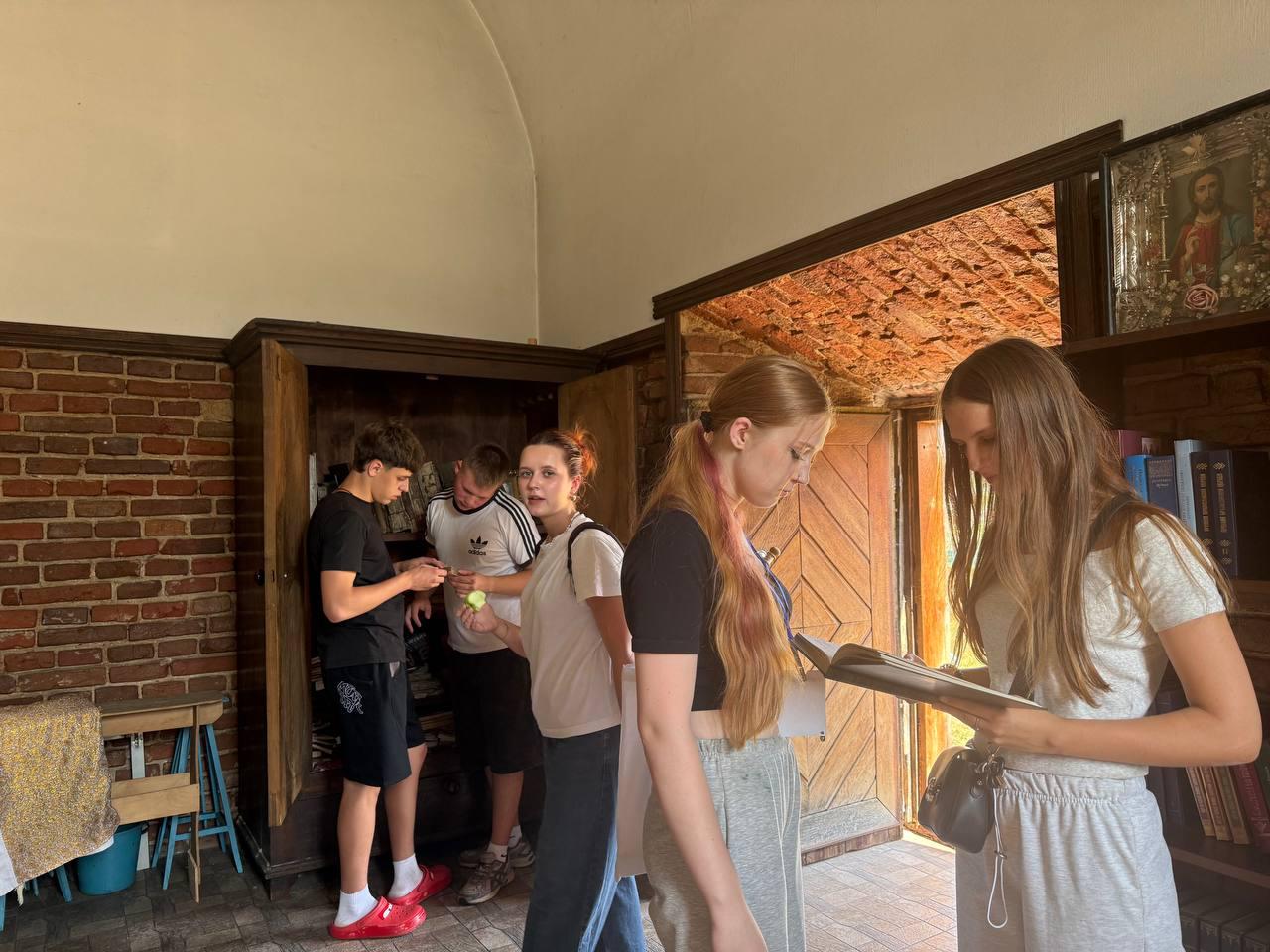
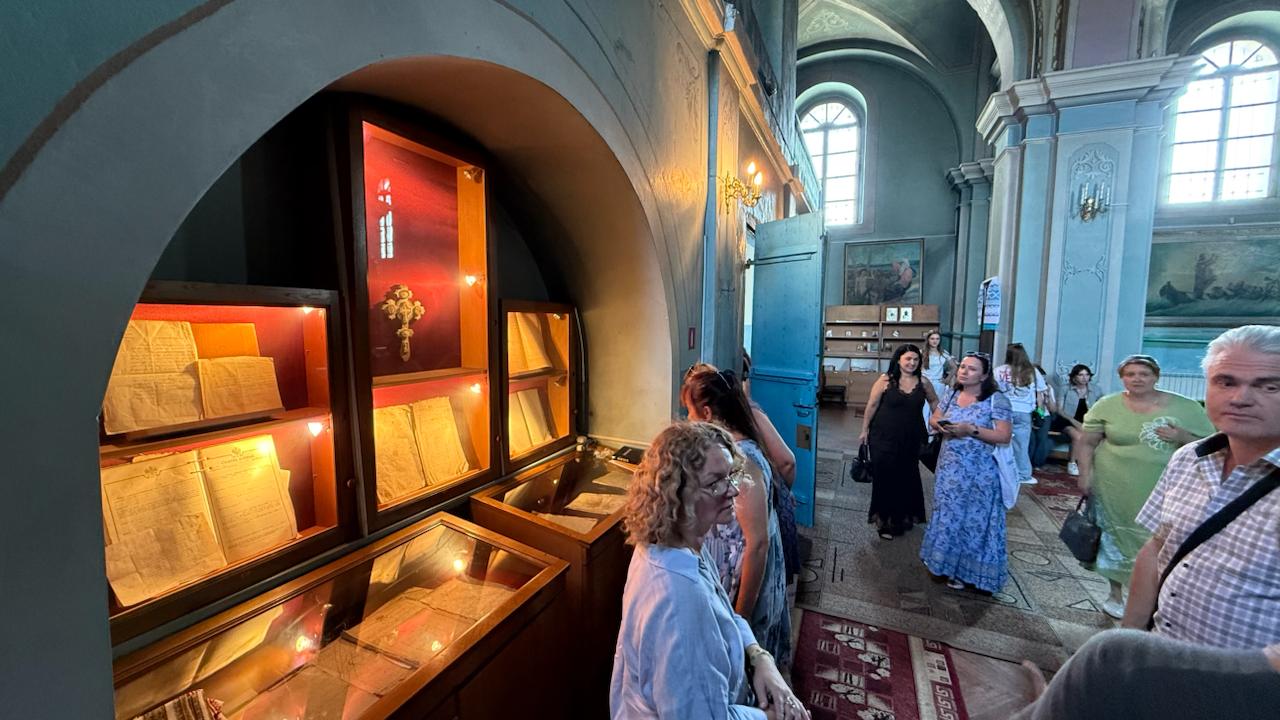
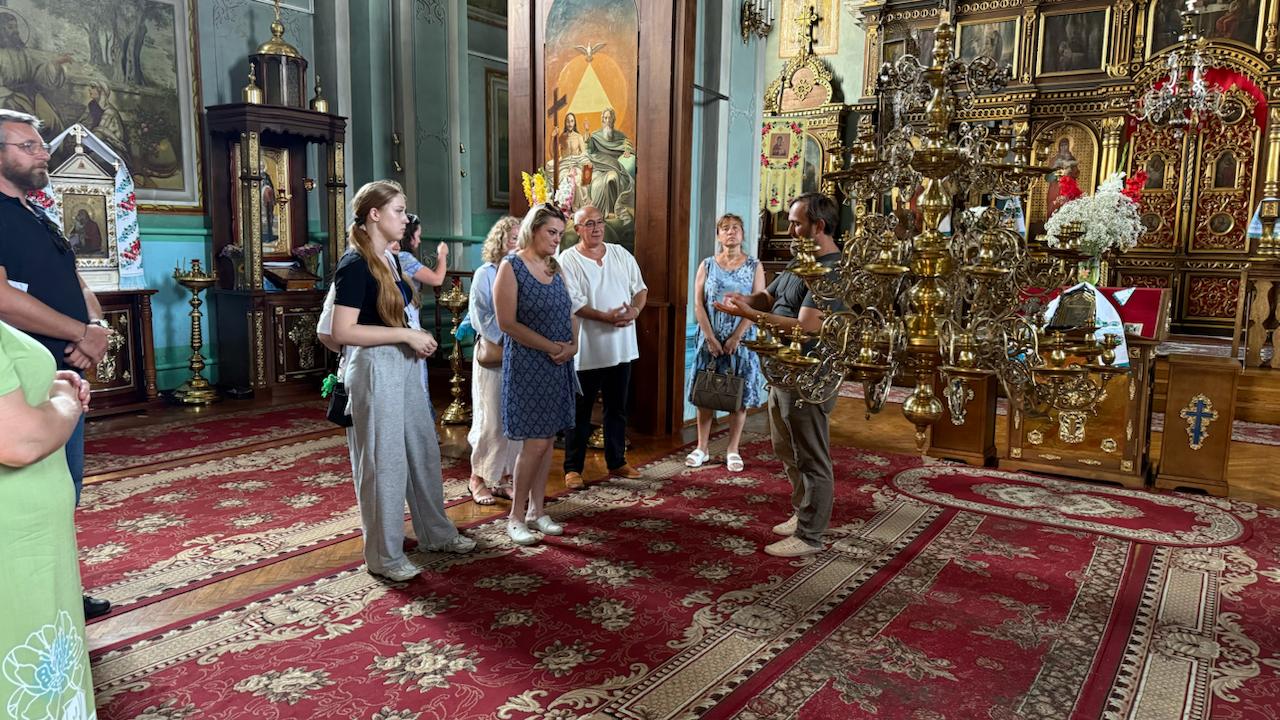
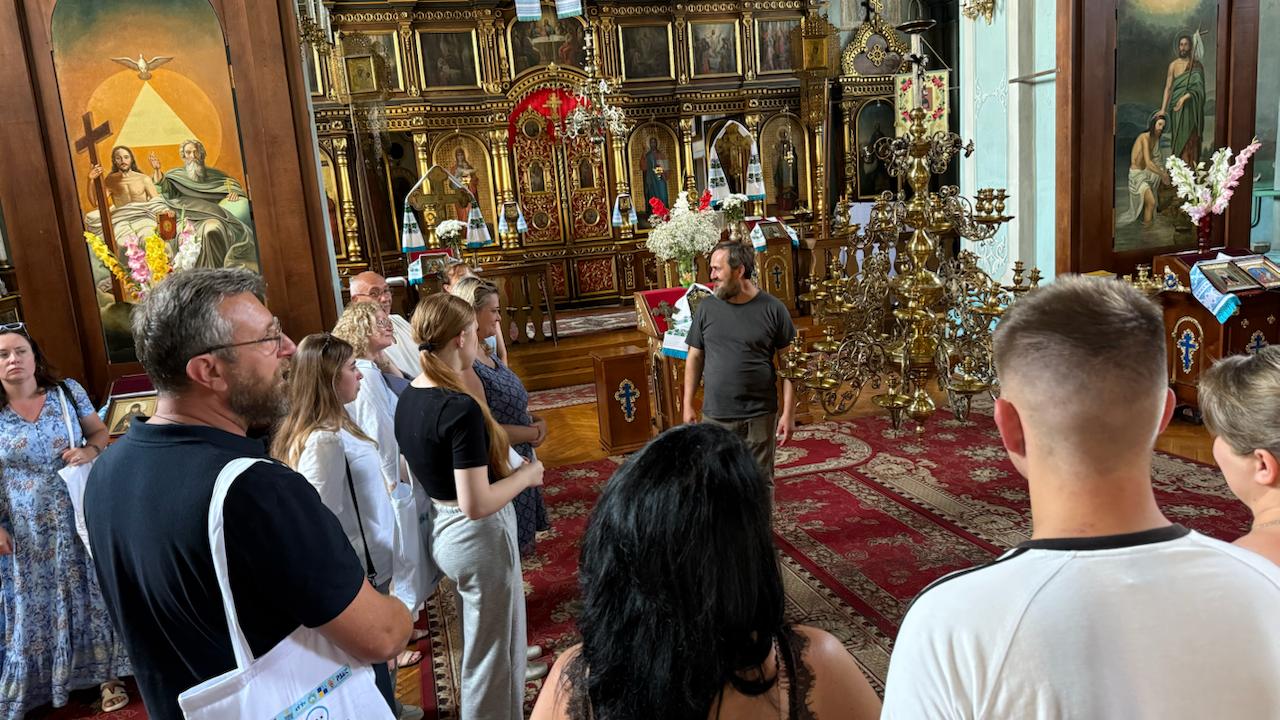
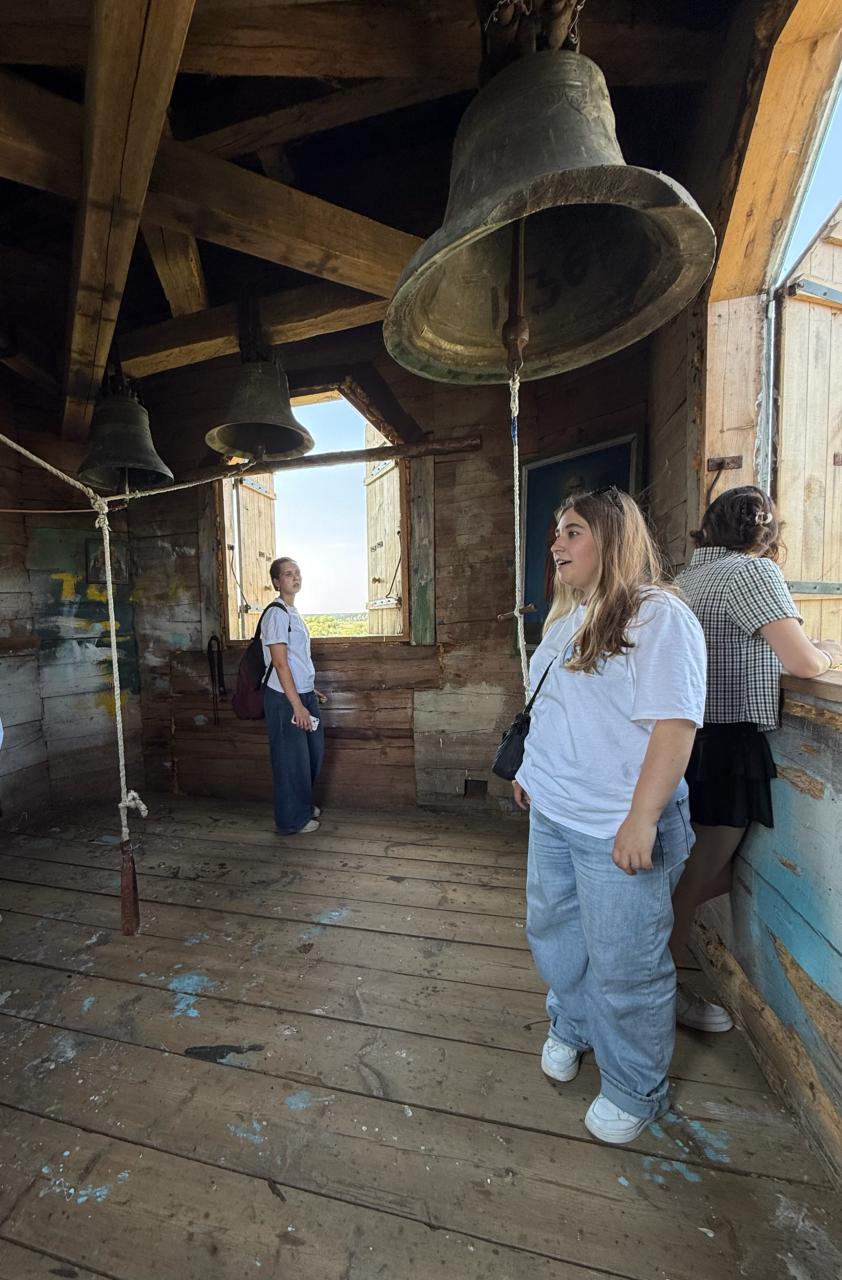
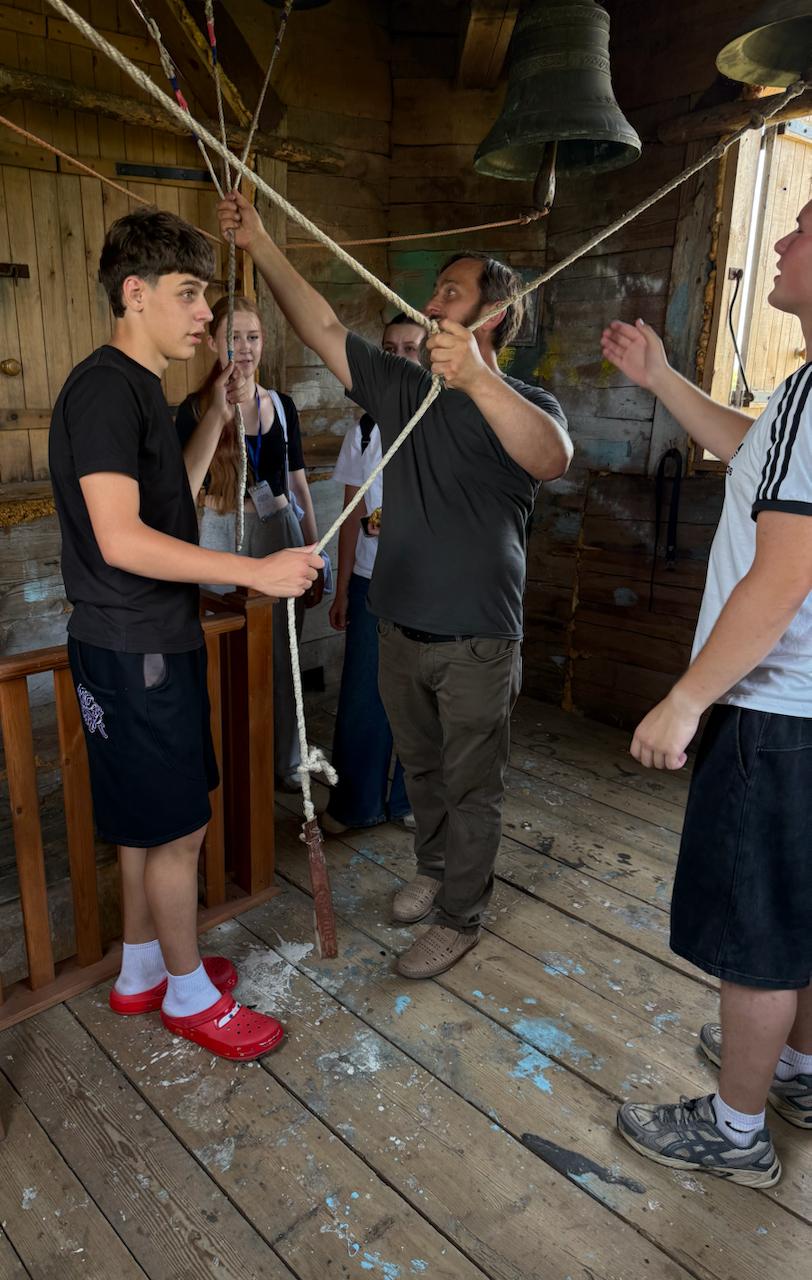
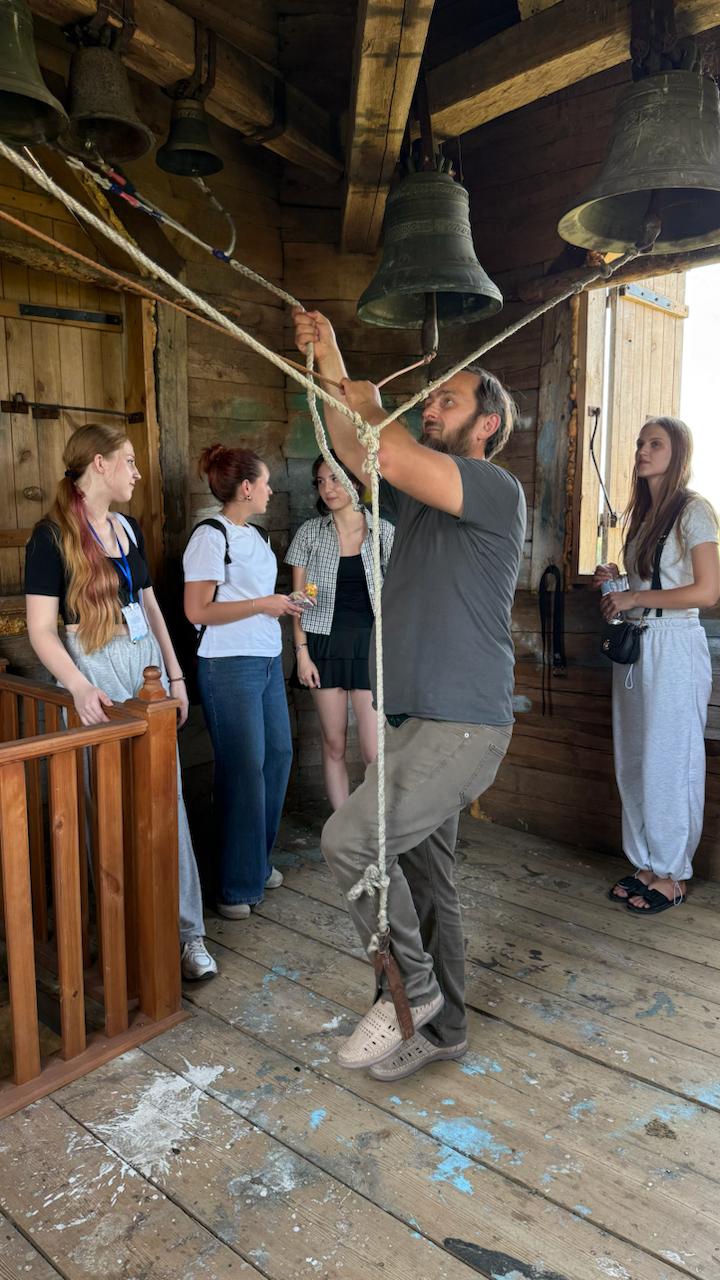
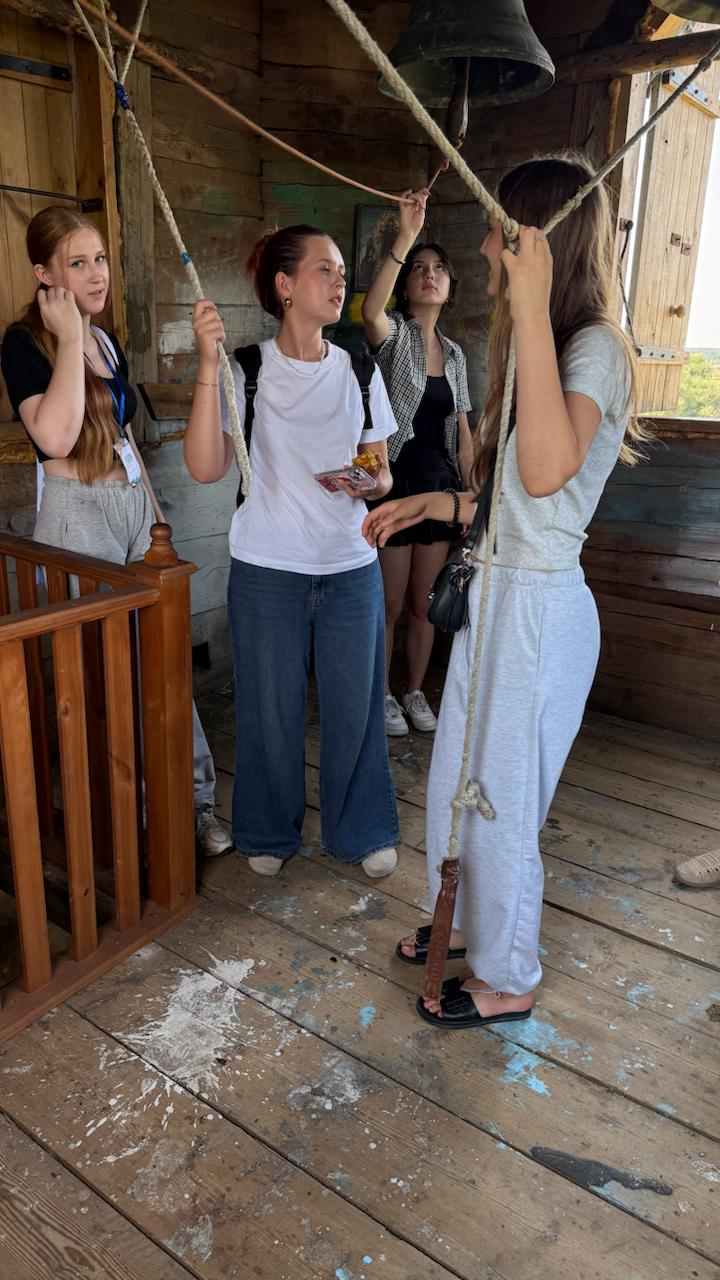
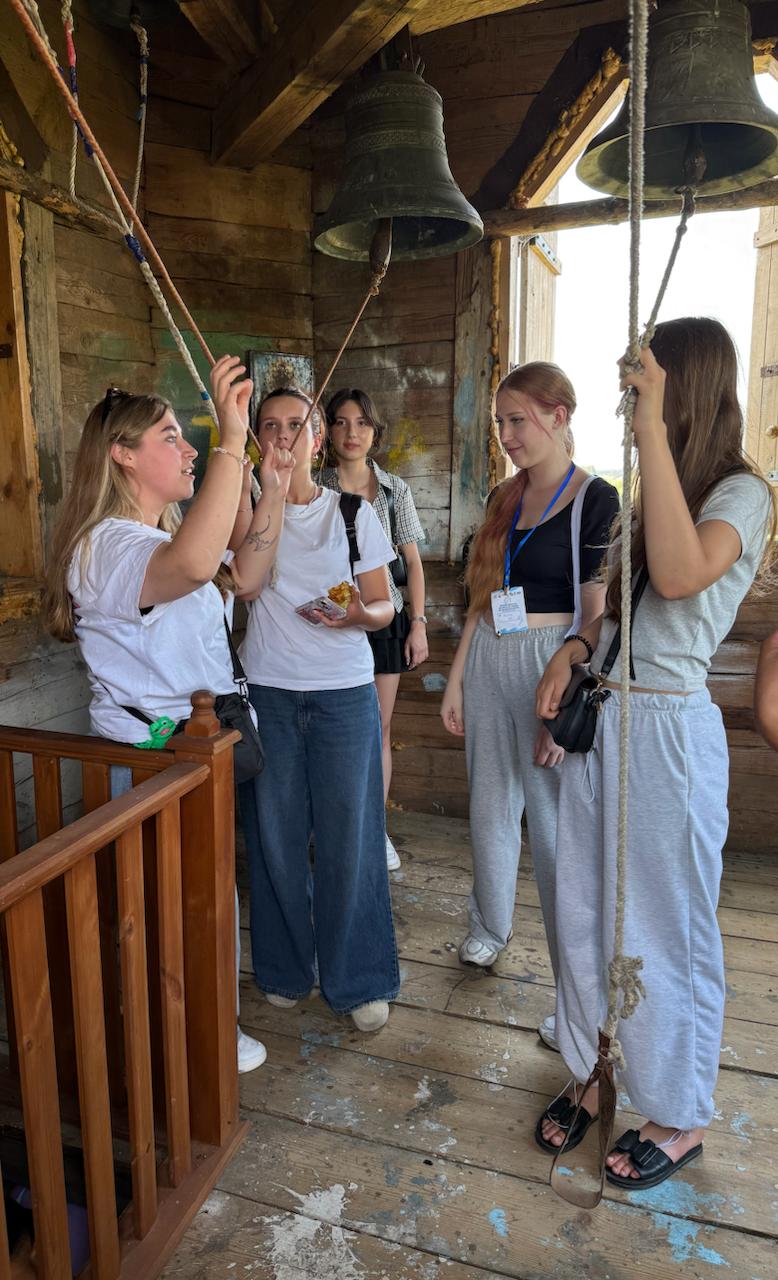
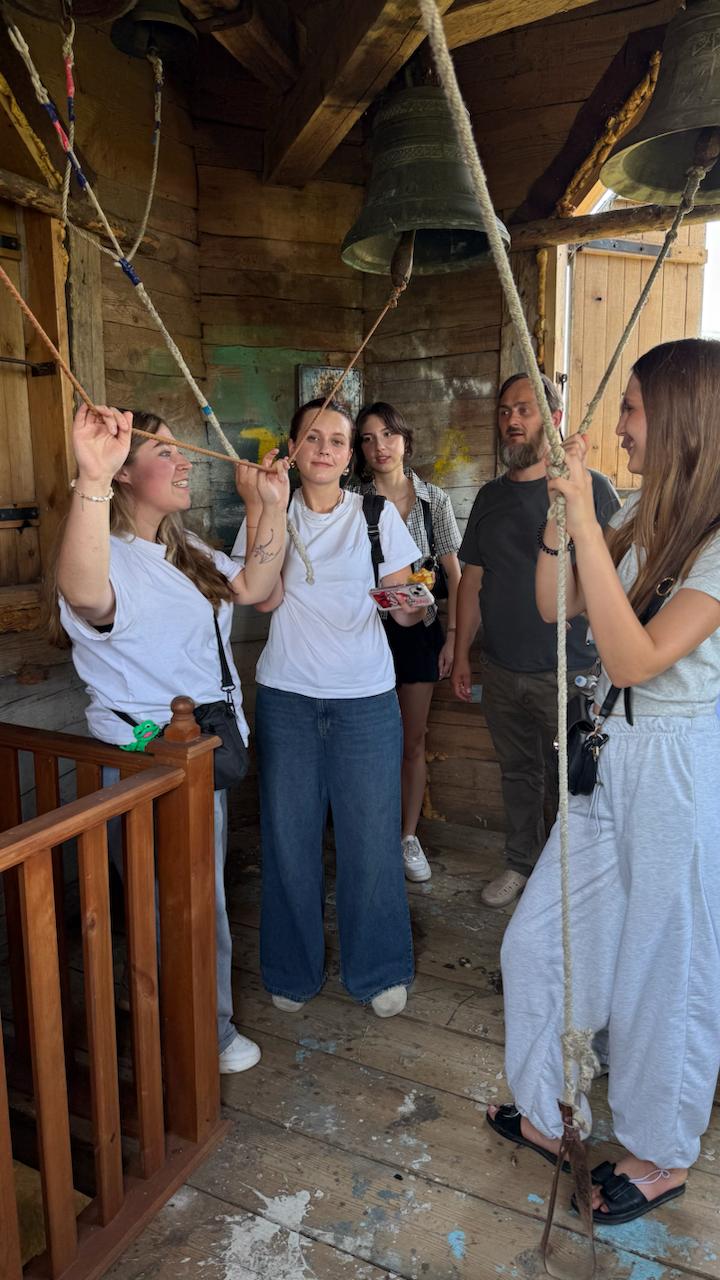
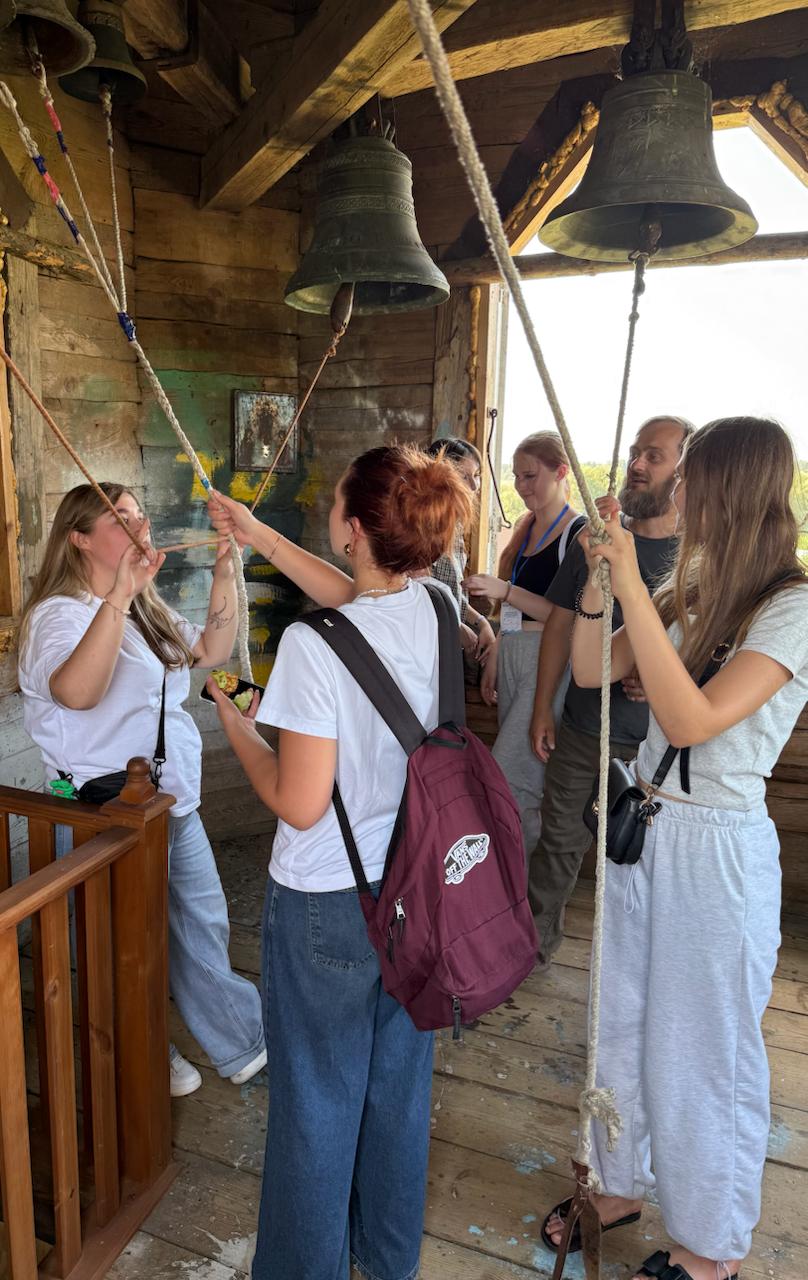
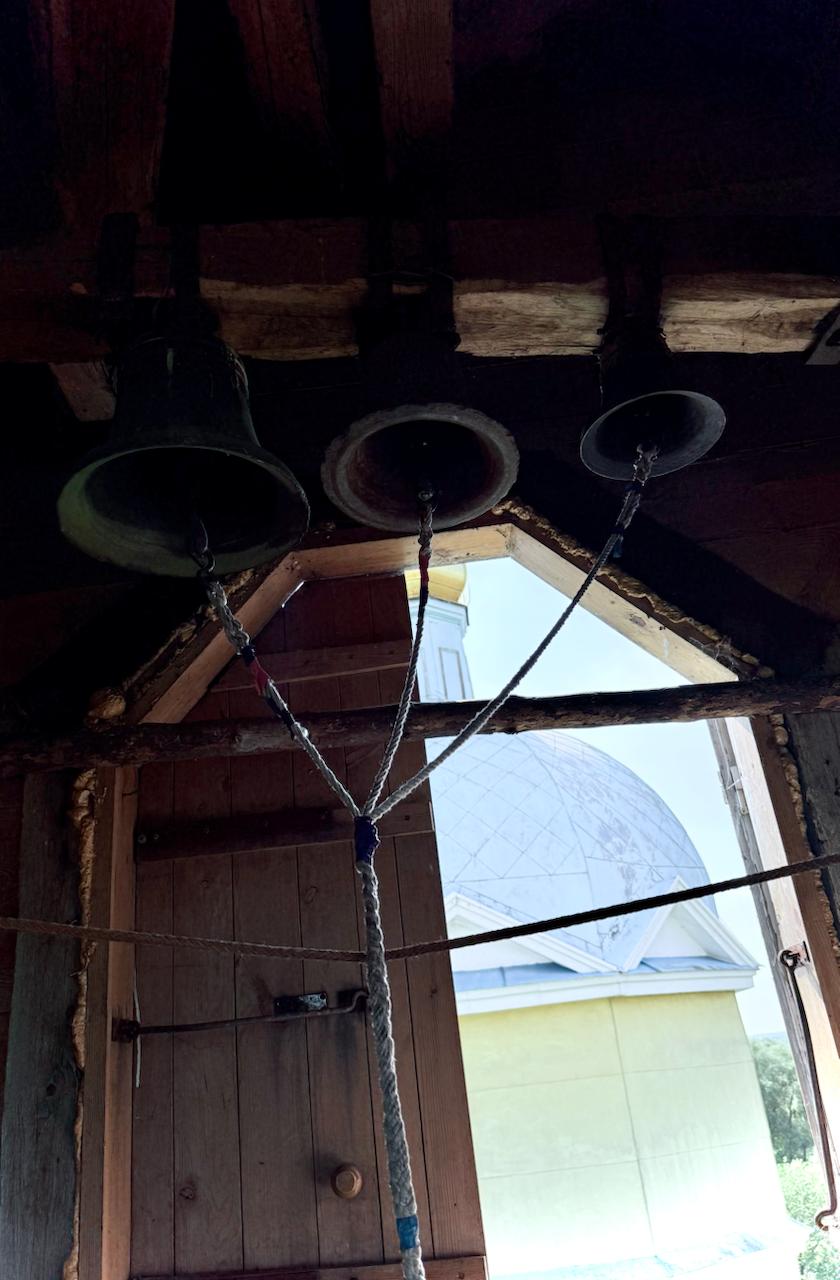
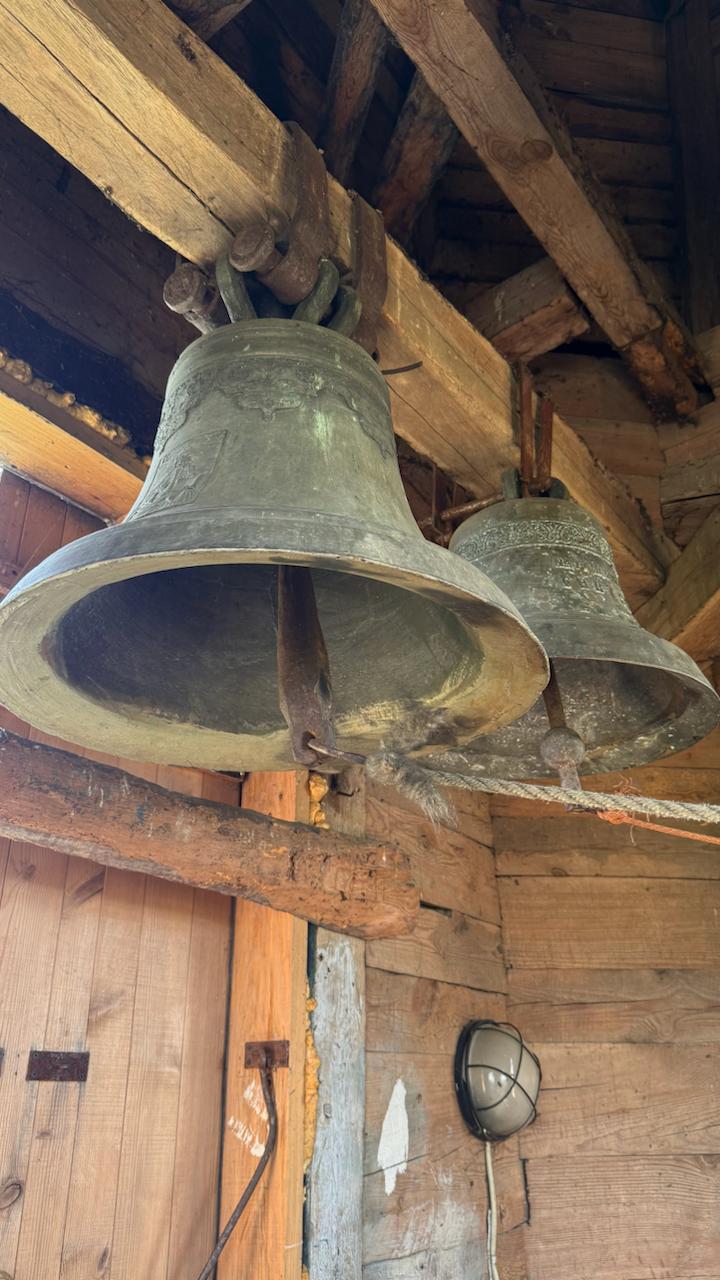
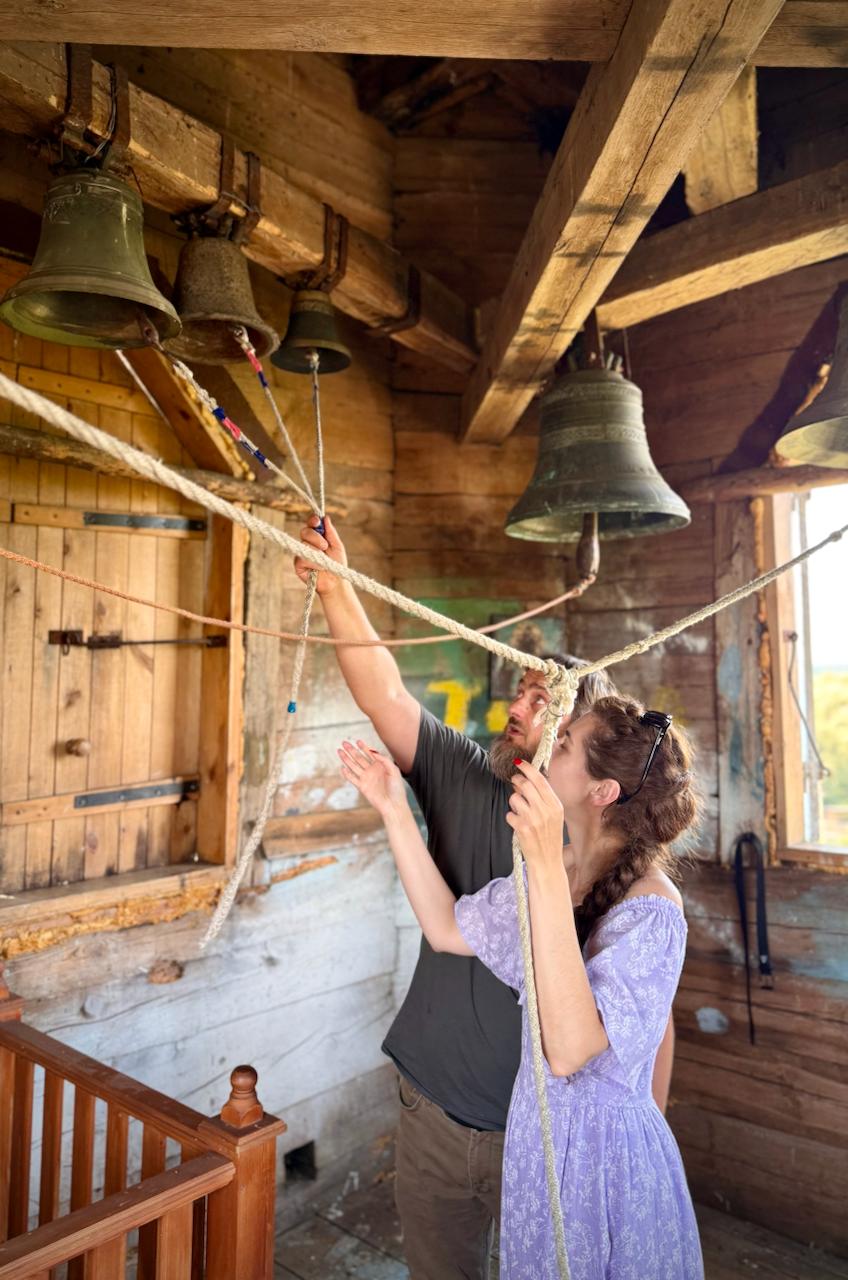
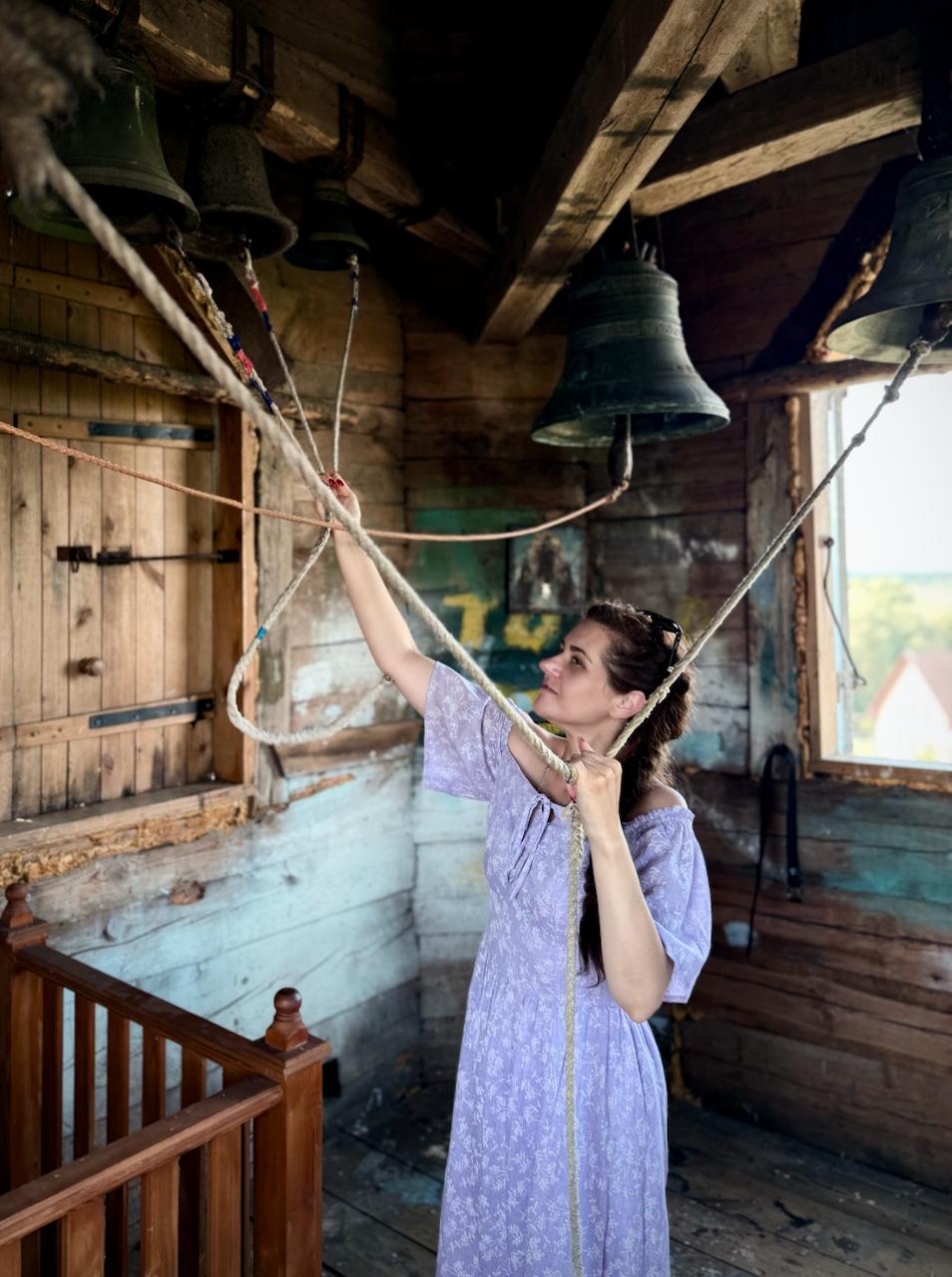
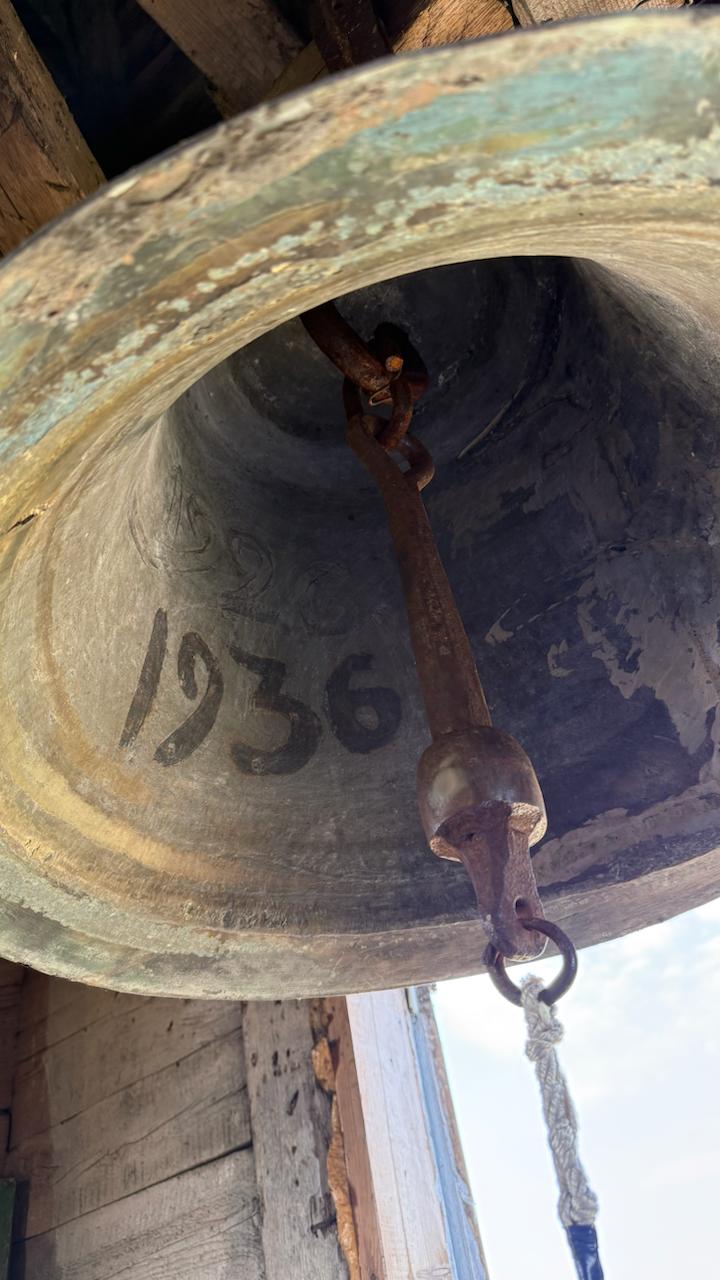
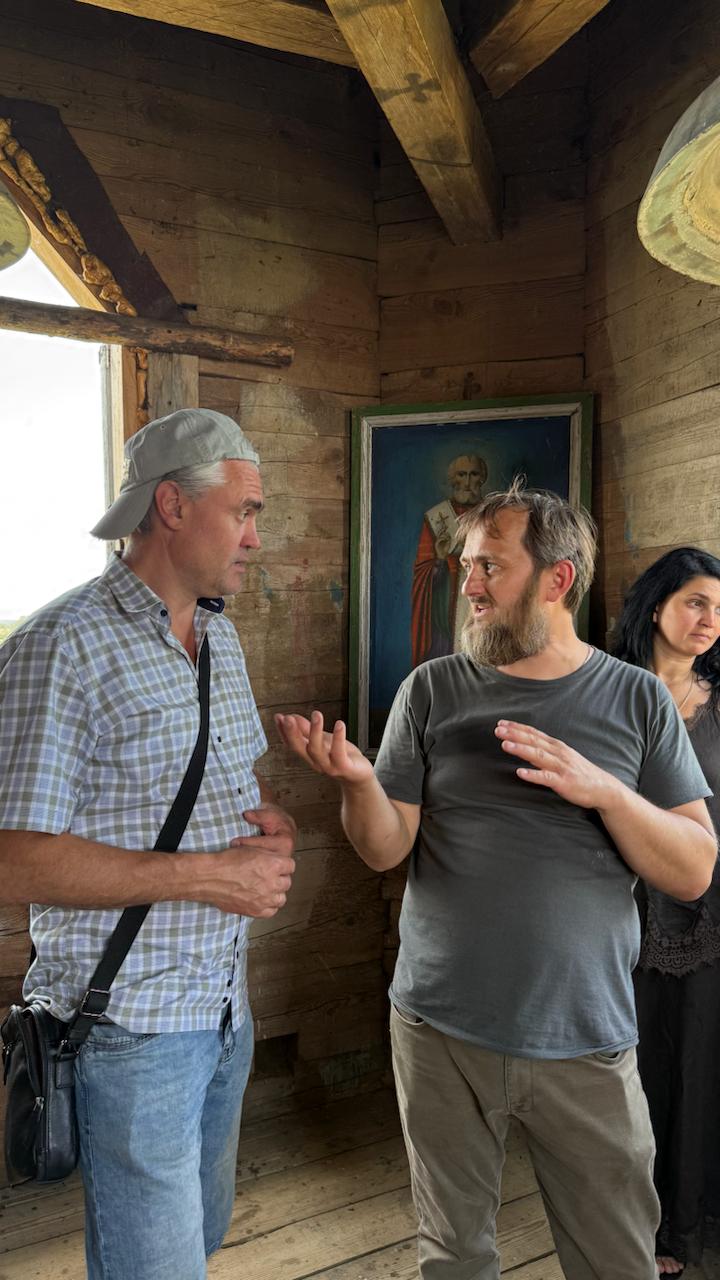
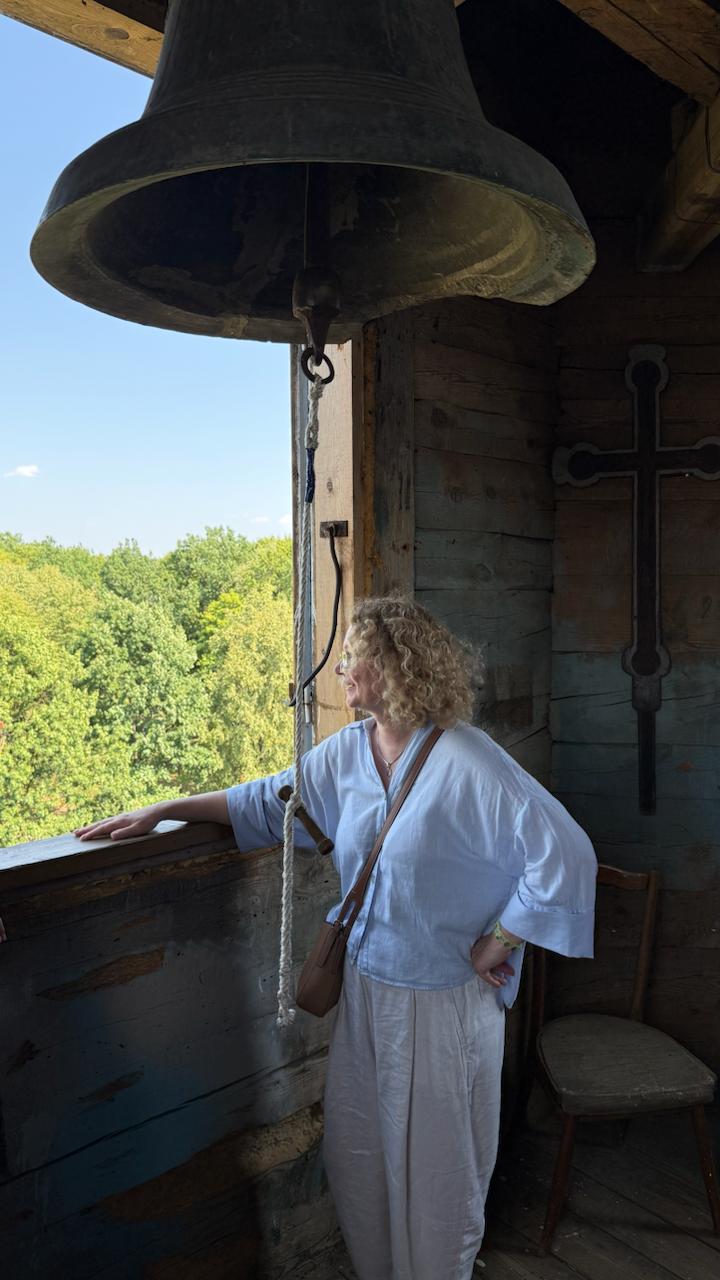
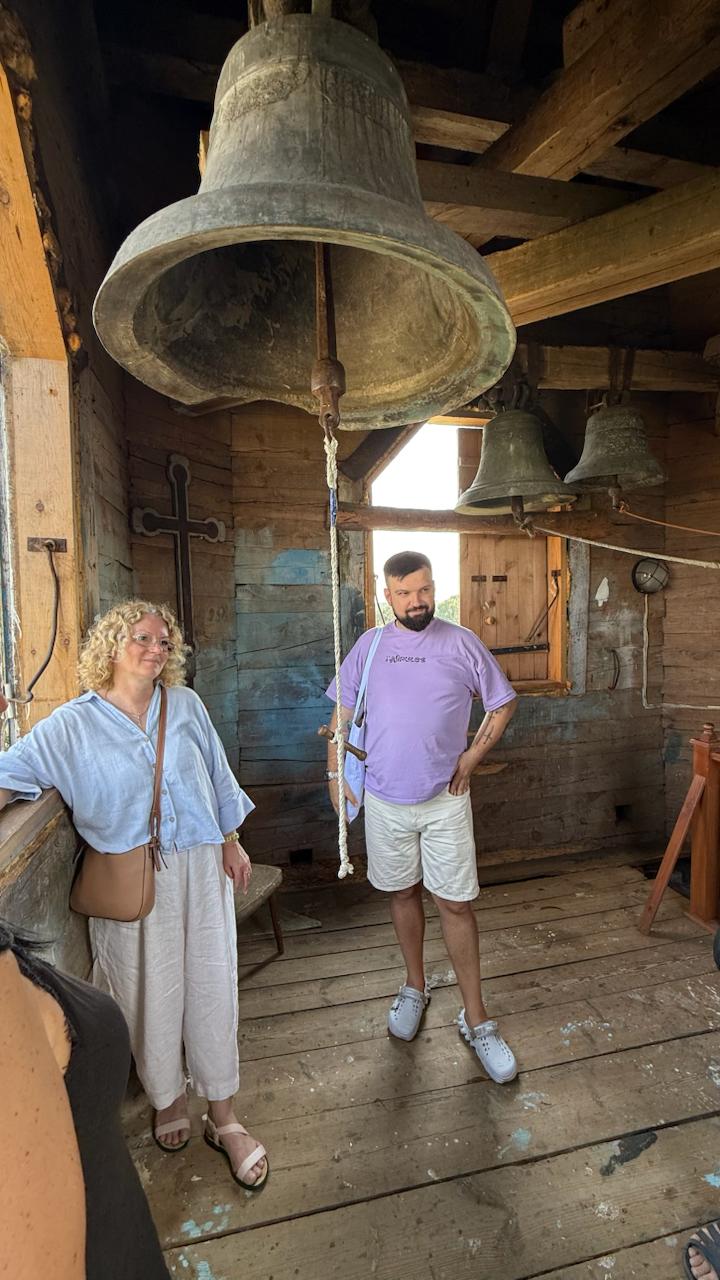
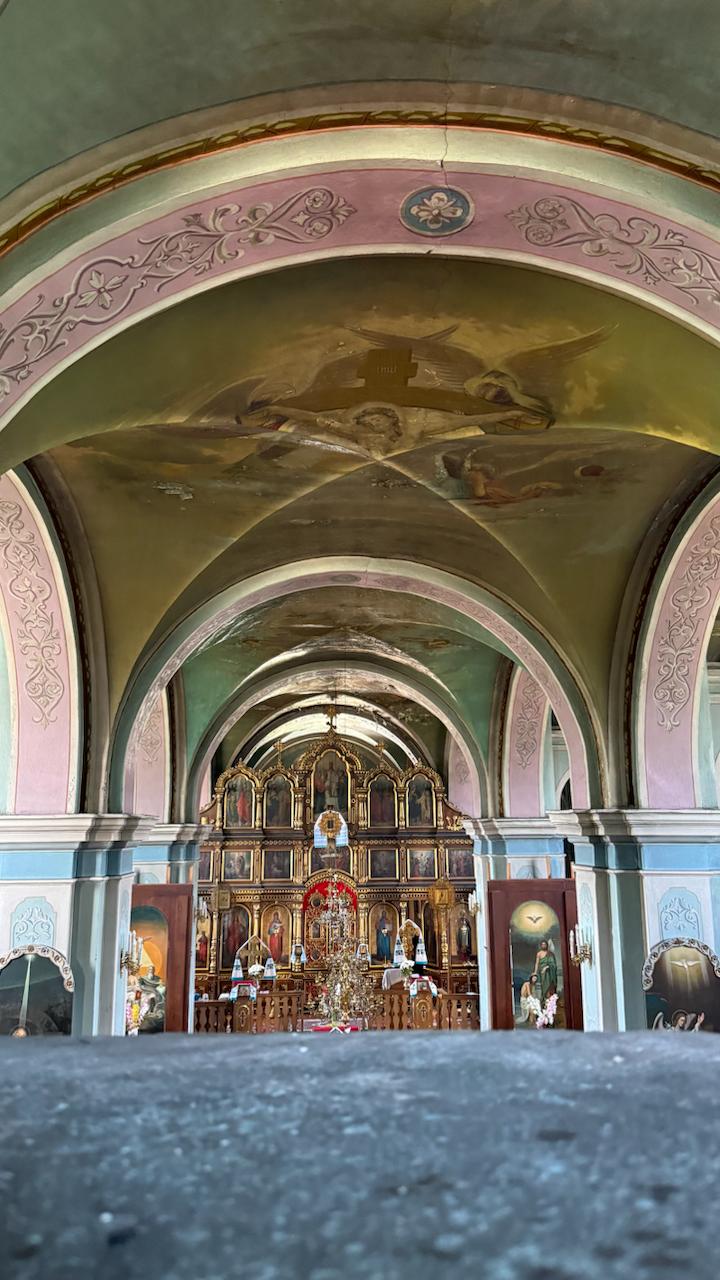
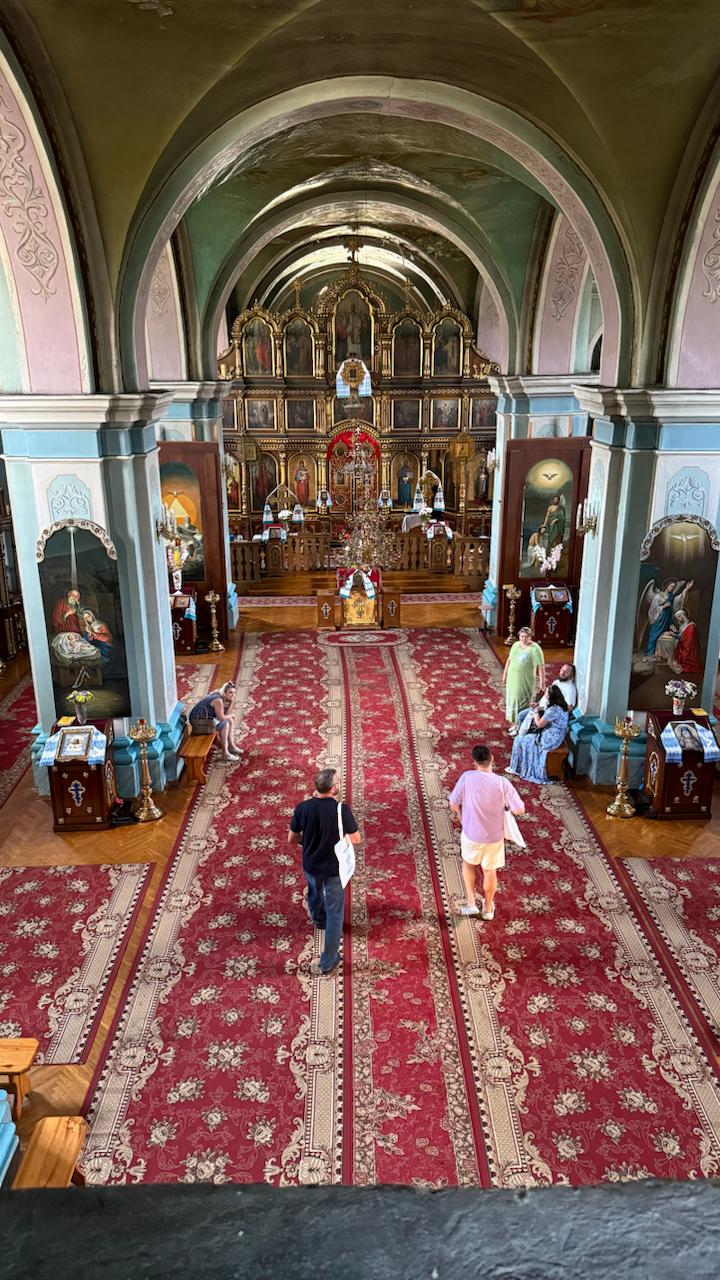
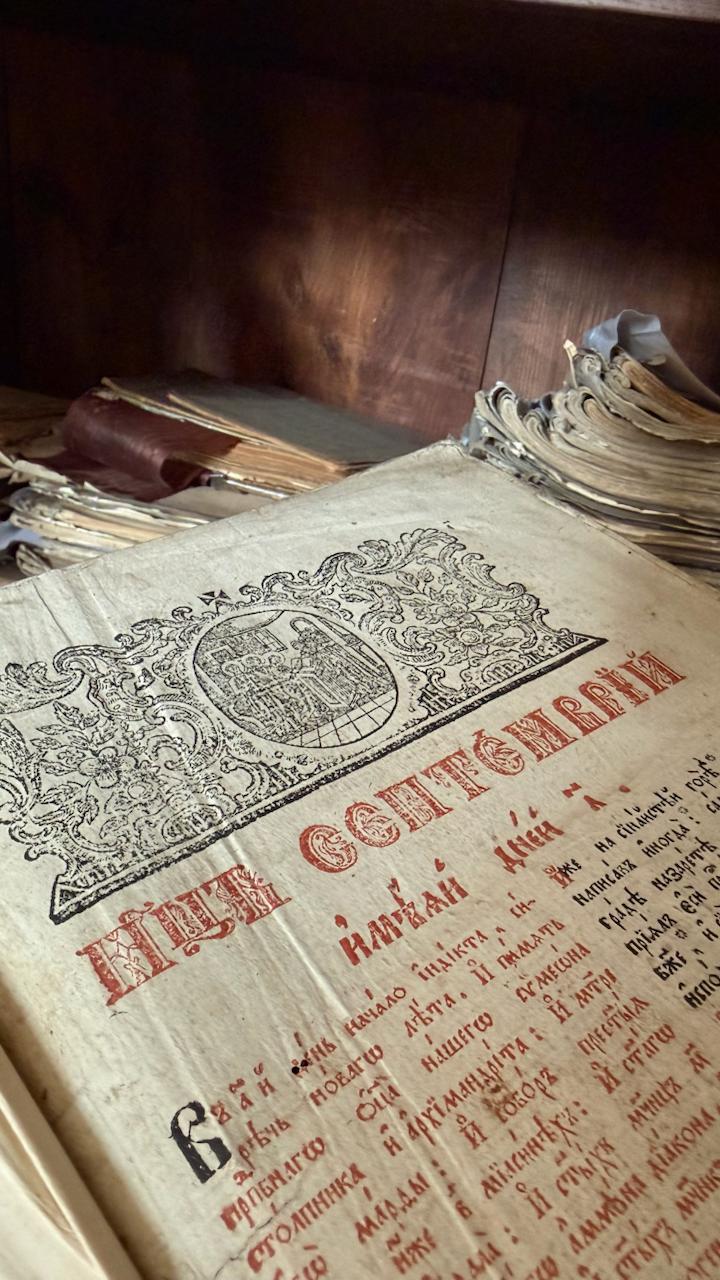
The participants visited the village of Stara Rafalivka, where they took part in workshops on bell ringing and working with archival documents from St Nicholas Church. Among many other activities, particularly memorable were a workshop on making a traditional motanka herbal doll led by craftswoman Nataliia Havryliuk and a “First Aid” workshop conducted by the Maltese Relief Service.
These practices became an important complement to media work. After all, it is difficult to create meaningful stories about Ukraine without being able to see its people, local memory, traditions, and cultural heritage.
A separate space was devoted to leadership, self-development, and psychological resilience. Crisis psychologist and dialogue facilitator Lena Shtorm and theologian, social worker, and dialogue facilitator Dmytro Fedorchak worked with participants on issues of resilience, communication, and the theology of memory.
From “What Will Ukraine Be Like?” to “What Can I Do to Make It Happen?”
One of the School’s important goals was to ensure that young people would not remain merely consumers of information.
Therefore, throughout the programme, participants not only listened to experts but also created their own media materials: videos, texts, interviews, and stories about the people and events they encountered during the School. They worked like small editorial teams: searching for a topic, identifying the central idea, filming, recording interview clips, editing, and presenting the final result.
The final stage was the presentation of the participants’ mini-projects and recognition of the School’s most active participants.
This practice was also important because, within the project, media were viewed not only as a profession. Media are a tool for participation. Through a story, video, photograph, or text, a young person can draw attention to a problem in their community, tell others about a positive change, ask an uncomfortable question, or propose their own solution.
This is why, throughout the School, the conversation about Ukraine’s future gradually became more concrete. It was no longer only: what do we want Ukraine to be like? It also became: what can we do to make this happen right now – in our community, in our city, in our information space?
An Intensive Programme: Dozens of Formats and One Shared Result
The School’s programme was intensive and covered two main areas of study: moderation and facilitation, and journalism and creative media work. In total, it included 42 educational workshops, as well as 20 physical and artistic practices aimed at developing mutual trust, empathy, communication, and self-development.
A special place in the joint programme was given to discussions of the documents “The Future of Ukraine We Want to Build. A Youth Perspective” and “Ideas for a Ukrainian Metanarrative.” The young participants did not simply familiarize themselves with ready-made ideas; they had the opportunity to discuss them, ask questions, and formulate their own vision of the country’s future.
Particular attention was devoted to practical skills needed by young leaders: active listening, questioning techniques, facilitation and conflict transformation, time and project management, creating a safe space, and visualizing the results of collaborative work.
For participants in the media track, this also meant gaining practical experience with various journalistic genres, interview techniques, the fundamentals of photography and video production, video editing, graphic design, and creating content for contemporary media. The young people immediately put some of these skills into practice by creating their own media materials based on the outcomes of the School.
A special place was given to physical, creative, and cultural practices—from working with archival documents from St Nicholas Church in Stara Rafalivka and bell ringing to making a motanka doll. These activities helped participants not only restore their energy after intensive work, but also see the living connection between cultural memory, local history, and contemporary Ukraine.
In this way, the School brought together elements that often exist separately: professional media skills, leadership, dialogue, work with conflicts, cultural memory, and a conversation about Ukraine’s future.
The Summer School in Varash has ended, but its main result is not the number of sessions held. It is the young people who gained new tools for working with information, creating media content, engaging in dialogue, and working as a team – and who saw how these skills can work in real life.
Because good journalism is not simply about telling people what happened.
It is about helping a person see why it matters, what can be done about it, and what their own role in bringing about change can be.
And the future of Ukraine, the project participants believe, begins precisely with this.