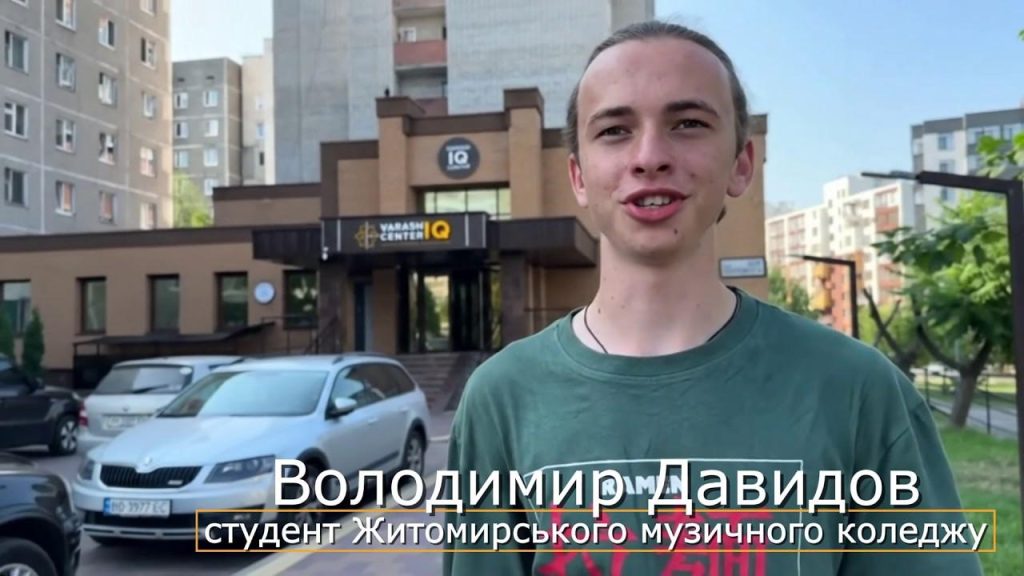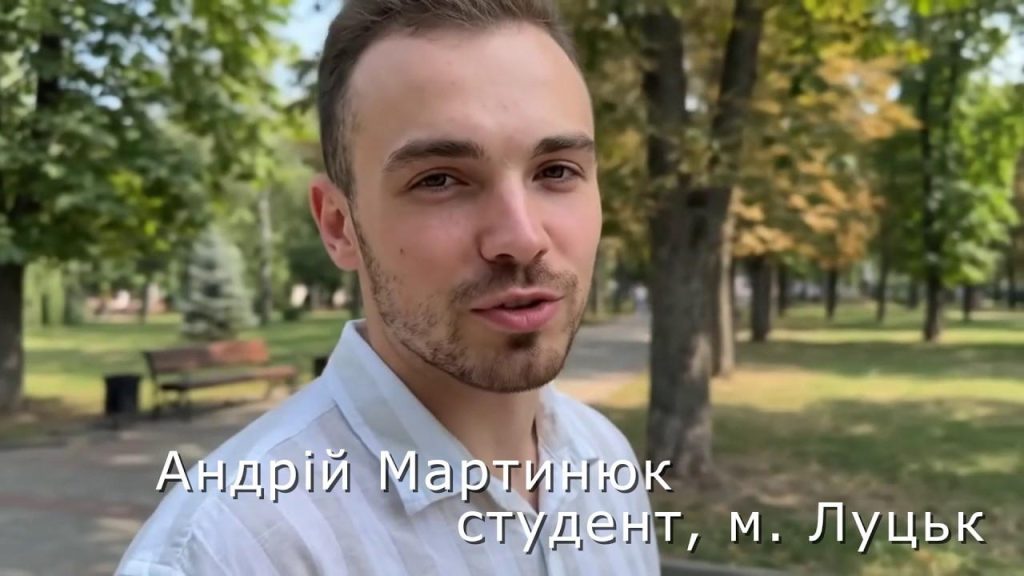
The fifth year of the full-scale war. Ukraine continues to hold the front line, yet even today people are thinking about the day after victory. What kind of country will Ukraine become? Around which values will its reconstruction take place? And will those who live not in the capital, but in small towns and villages, have a voice in shaping this process? These questions became the starting point of a new project launched by the NGO Sophiyske Brotherhood.
More Than Orthodoxy: Why the Brotherhood Is Launching a Youth Project
For many people, Sophiyske Brotherhood is primarily associated with inter-church dialogue, research on the Orthodox tradition, and the spiritual resilience of Ukrainian society. However, the organization’s new initiative extends far beyond purely religious issues.
The project “Youth for the Future of Ukraine: Dialogue, Research, and Creative Media Work for the Consolidation of Ukrainian Society and Orthodoxy” focuses on what is critically important for any democratic state today: engaging young people from the regions in shaping the agenda for Ukraine’s post-war reconstruction. Here, the Brotherhood acts not as a religious institution but as a platform that connects diverse social, ideological, and regional groups around a common purpose.
“The reconstruction of Ukraine is not only a matter of infrastructure and finance,” the organizers emphasize. “It is a matter of values. And we are convinced that young people from small towns and villages should not be the objects of other people’s decisions, but their authors.”
What the Project Will Include
The programme runs for seven months (May–December 2026) and brings together 16 youth teams from different regions of Ukraine (five participants in each team). The participants are leaders and activists aged 20–35 representing youth organizations, civil society initiatives, religious communities (including different Orthodox jurisdictions), as well as internally displaced persons’ communities and people who have experienced loss. The principal selection criterion is not religious affiliation or political views, but the willingness to work for the common good.
The project’s key activities include:
- Youth Forum (held in two stages: June and September) — the flagship event where participants meet one another, discuss their vision of the future, and present their own initiatives.
- Summer School (August) — a five-day training programme focusing on two tracks: dialogue facilitation and journalism/media work.
- Webinars — sixteen online sessions covering trauma psychology, communication, leadership, and project management.
- Community Dialogues — fifty-four local discussions organized independently by participants in their own towns and villages.
- Academic Conference — a forum for exploring the concept of the “common good” together with leading scholars and public intellectuals.
The programme will conclude with the publication of two documents prepared by the participants themselves: “The Future of Ukraine We Want to Build” and “Ideas for a Unifying Metanarrative of Ukrainian Orthodoxy.” These texts are not academic essays but concrete proposals intended to contribute to public dialogue.
Why This Matters Now
Nearly five years of full-scale war have left Ukrainian society not only with pain and exhaustion but also with profound internal divisions: between those fighting on the front line and those supporting the country from the rear; between those who left the country and those who remained; between the capital and the regions; and between different church traditions.
The phenomenon of “competition of victims”—the tendency to compete over who has suffered more—often divides society even more effectively than propaganda itself. The project “Youth for the Future of Ukraine” sets itself an ambitious goal: to create a space where different experiences of suffering become not grounds for confrontation, but the starting point for a shared conversation about the future.
Particular attention is devoted to young people from small towns and villages. They are the ones least frequently included in the central discussions about reconstruction. Yet they are also the ones who will continue living in the country that is too often being designed without their participation.
Partnership with Germany: Support That Matters
The project is financially supported by zivik / the Institute for Foreign Cultural Relations (ifa), funded by the German Federal Foreign Office.
The zivik programme supports peacebuilding and conflict prevention initiatives in different parts of the world. The fact that it has chosen to support a Ukrainian civil society project focused on young people from the regions sends a powerful message. It is a recognition that the issues of values, dialogue, and social cohesion in Ukraine are of European significance.
How to Participate
The programme begins with the academic and practical conference “Common Good: Values and Meanings Around Which the Reconstruction of Ukraine Is Possible,” which will take place on 2–3 June at the Kyiv Aviation Institute.
You can register for the conference by completing the registration form available at:
https://forms.gle/ZcCMCZG19cG9xfjp9
Registration for the full project programme (16 youth teams, forums, summer school, mentoring, and community dialogues) will open soon. Young people aged 20 to 35 who wish to contribute to the future of their communities and their country are invited to apply.
The application form will be published through the information channels of Sophiyske Brotherhood (website, Facebook, and Telegram). Stay tuned for announcements!
If you have any questions regarding participation in the project, please call:
+380 67 798 4064 (Serhii)
or send an email to:
All participant expenses (travel, accommodation, and meals) within the framework of the project are fully covered by the organizers.
A country in which young people from small towns become co-authors of the future cannot be broken either by war or by internal divisions. This is precisely what the new project of the NGO Sophiyske Brotherhood seeks to demonstrate.