The project “Youth for the Future of Ukraine: Dialogue, Research, and Creative Media Work for the Consolidation of Ukrainian Society and Orthodoxy” has launched a series of thematic webinars designed to help participants not only gain new knowledge but also develop their own project ideas for the benefit of their local communities.
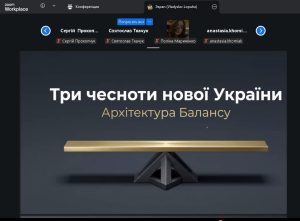
Over the coming months, participants will take part in eight webinars dedicated to the future of Ukraine, the concept of the common good, values, the role of religious communities in society, and other topics that are essential to any meaningful discussion about the country’s recovery and reconstruction.
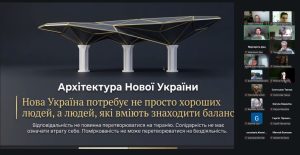
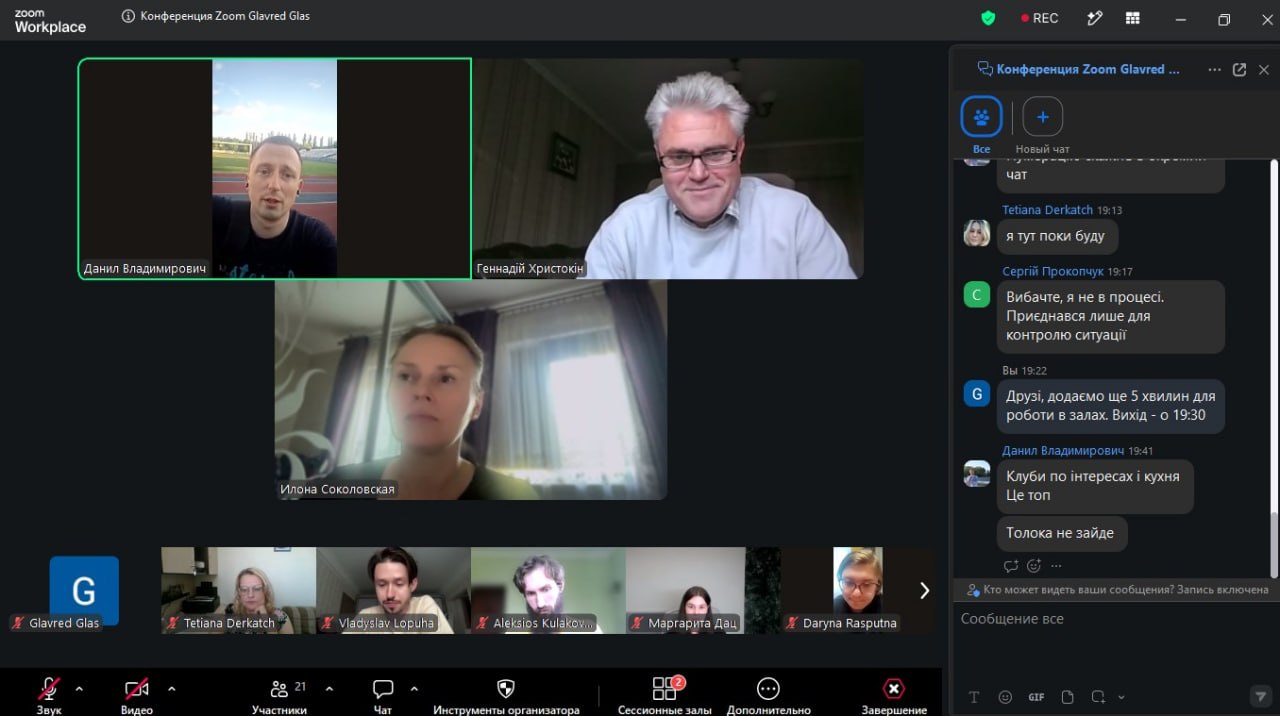
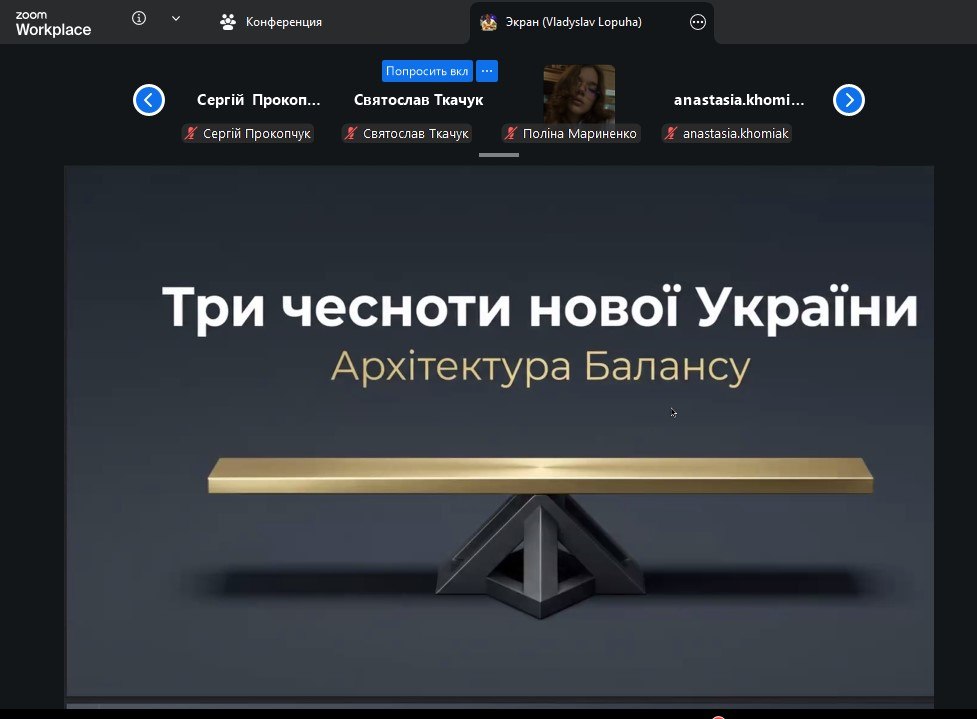
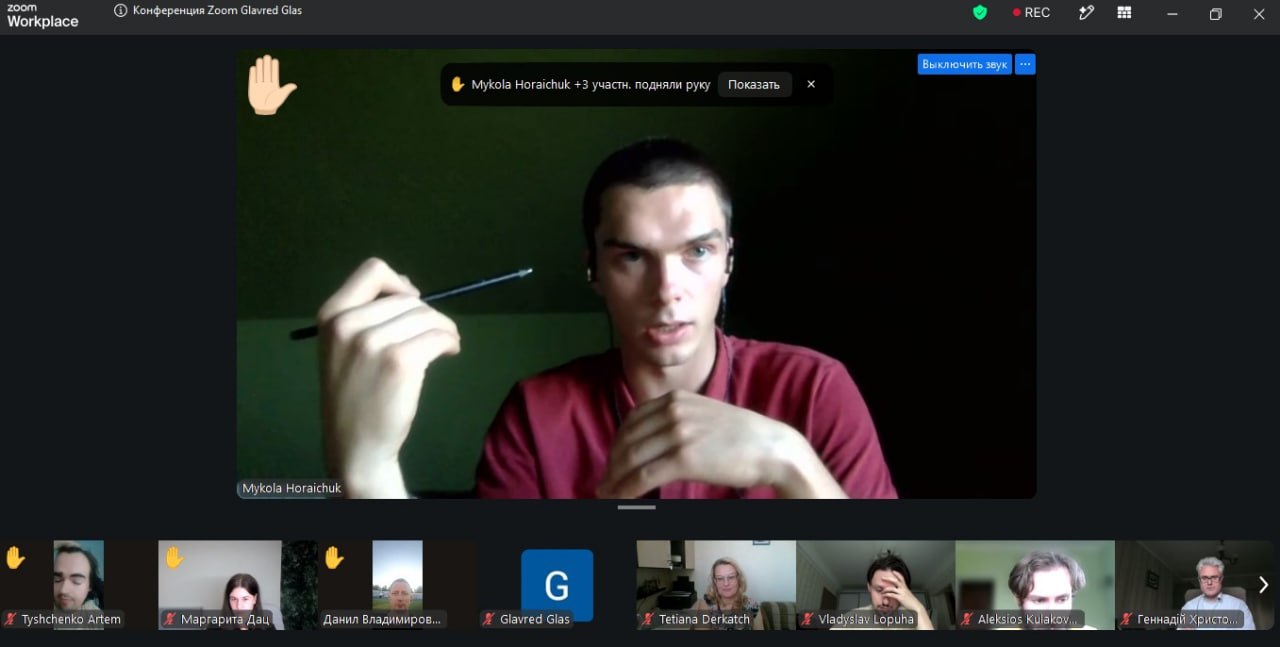
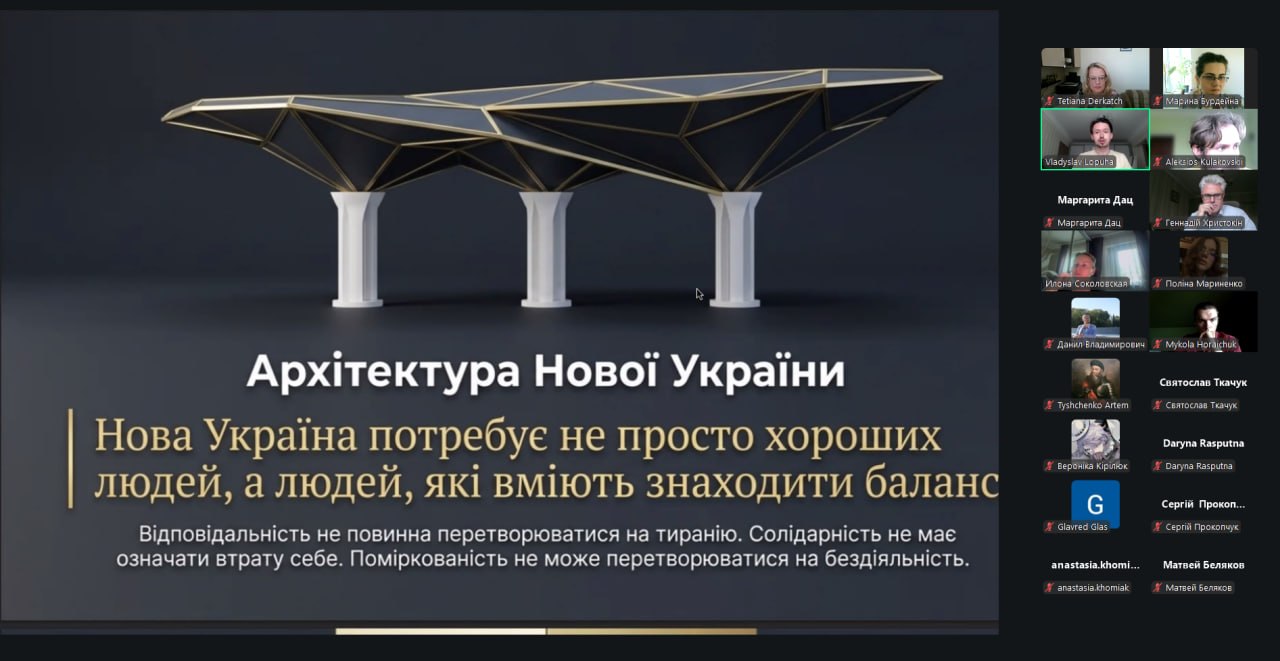
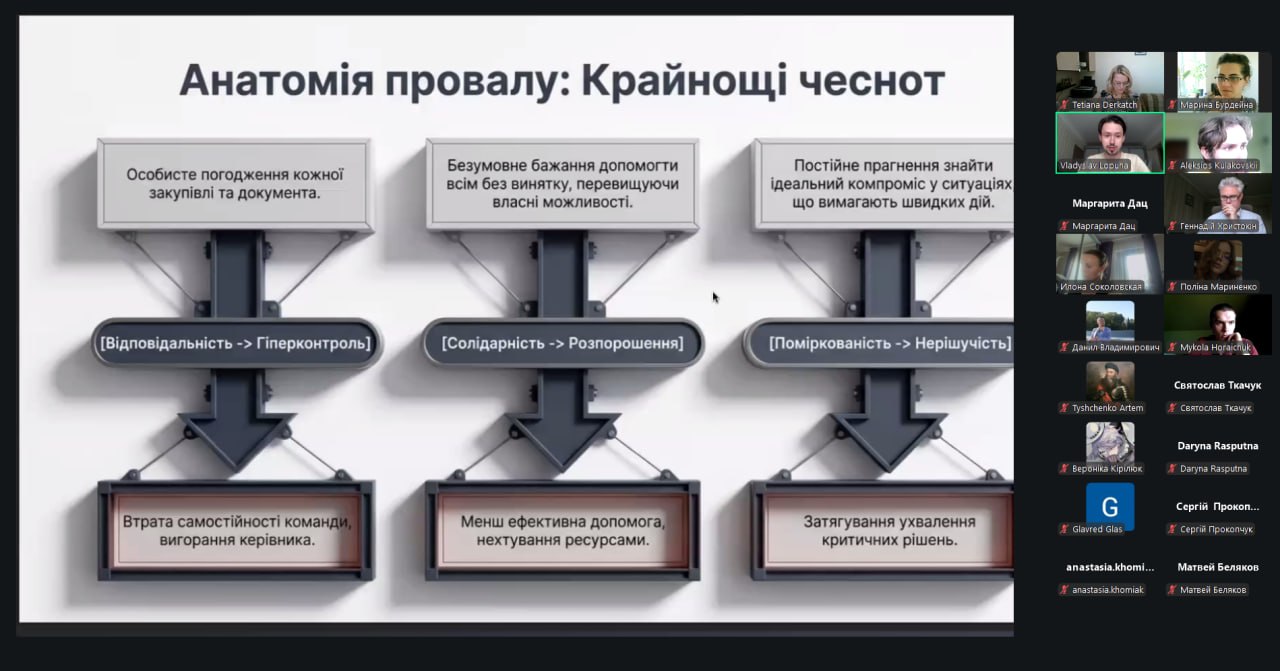
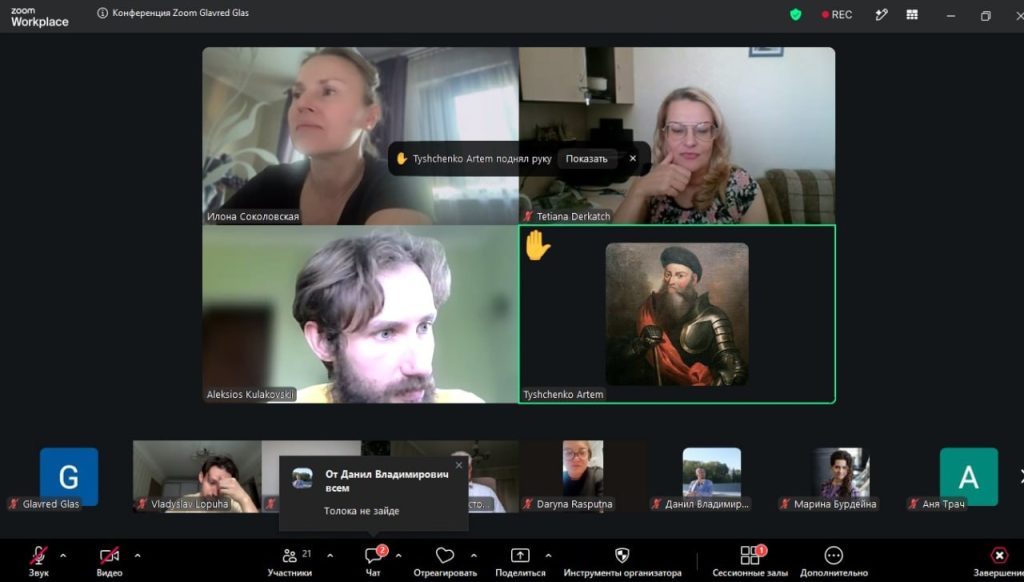
The first webinar was delivered by Hennadii Khrystokin, an expert in the project’s “Values and Reconstruction” track and Doctor of Philosophy. His lecture was titled “The Common Good for Ukraine: Values, Virtues, and Justice.”
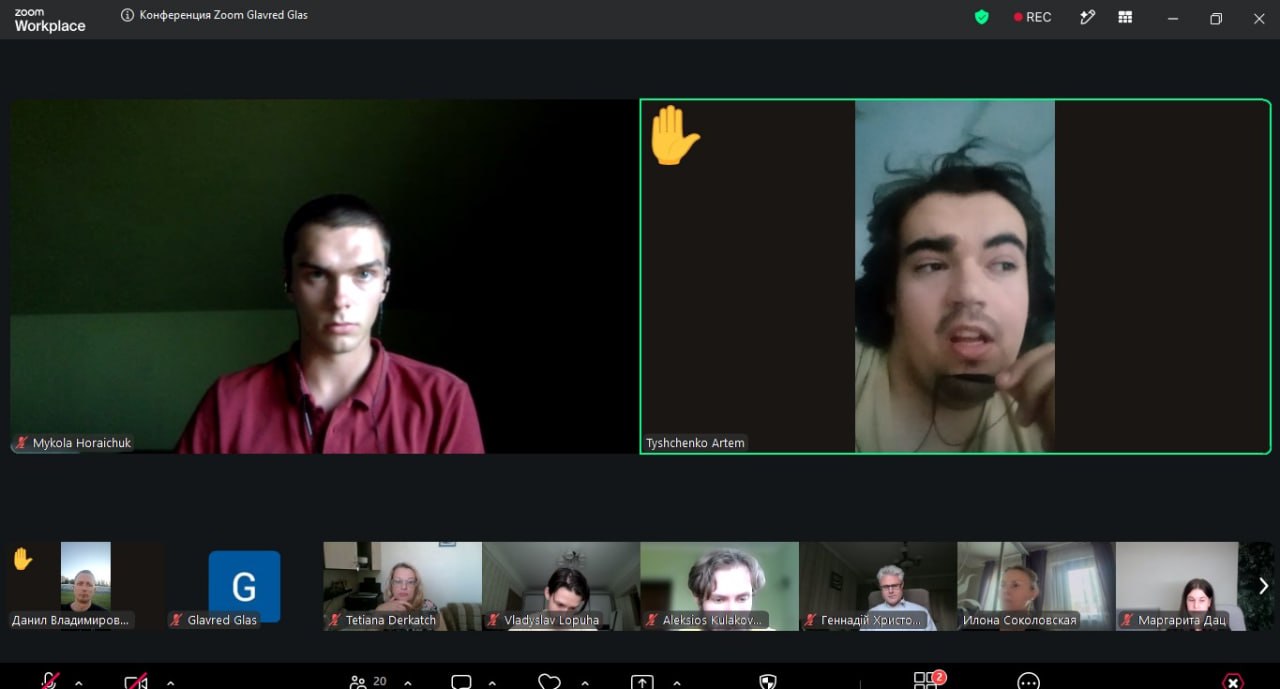
This was far more than a lecture – it became a genuine intellectual workshop.
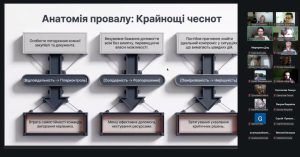
Together with the speaker, participants explored what the common good actually means, why democracy cannot exist without trust, virtue, and responsibility, how different understandings of justice influence public policy, and why values shape the future of a country no less than economics or politics.
The most engaging part, however, began after the theoretical session.
The participants divided into teams, each receiving a practical strategic assignment closely reflecting the real challenges facing Ukraine today.
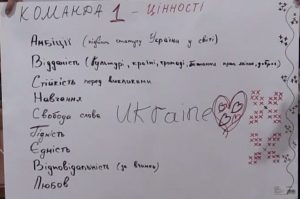
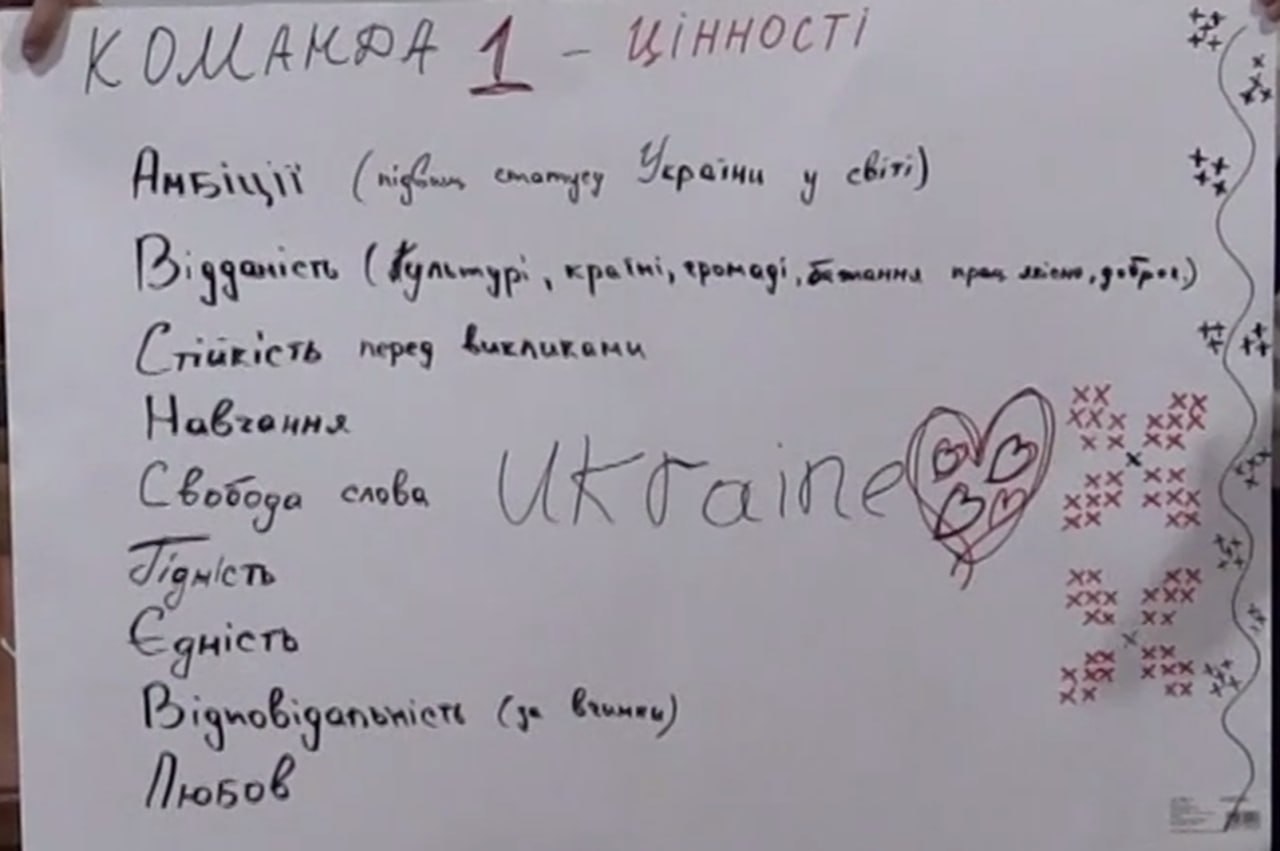
Some teams were asked to propose new social practices that could genuinely unite Ukrainians with different experiences of war, everyday life, loss, and differing perspectives.
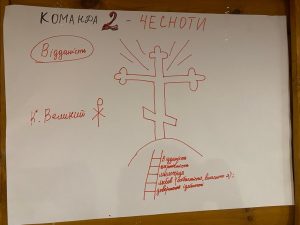
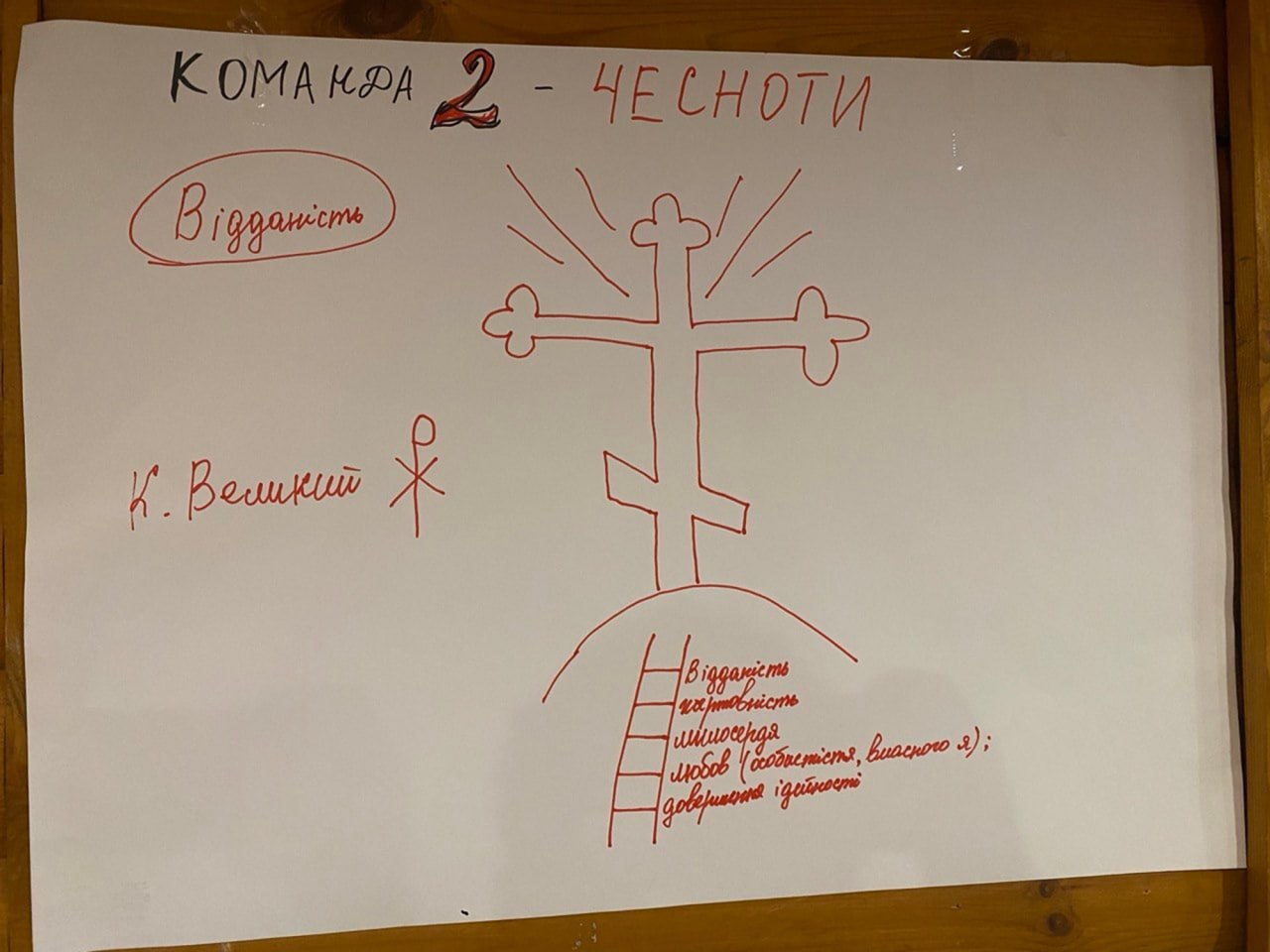
Others examined the virtues that are indispensable for building a renewed Ukraine, searching for examples of how these virtues are expressed in everyday life while also discussing where the boundary lies between a virtue and its excess.
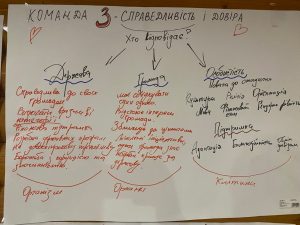
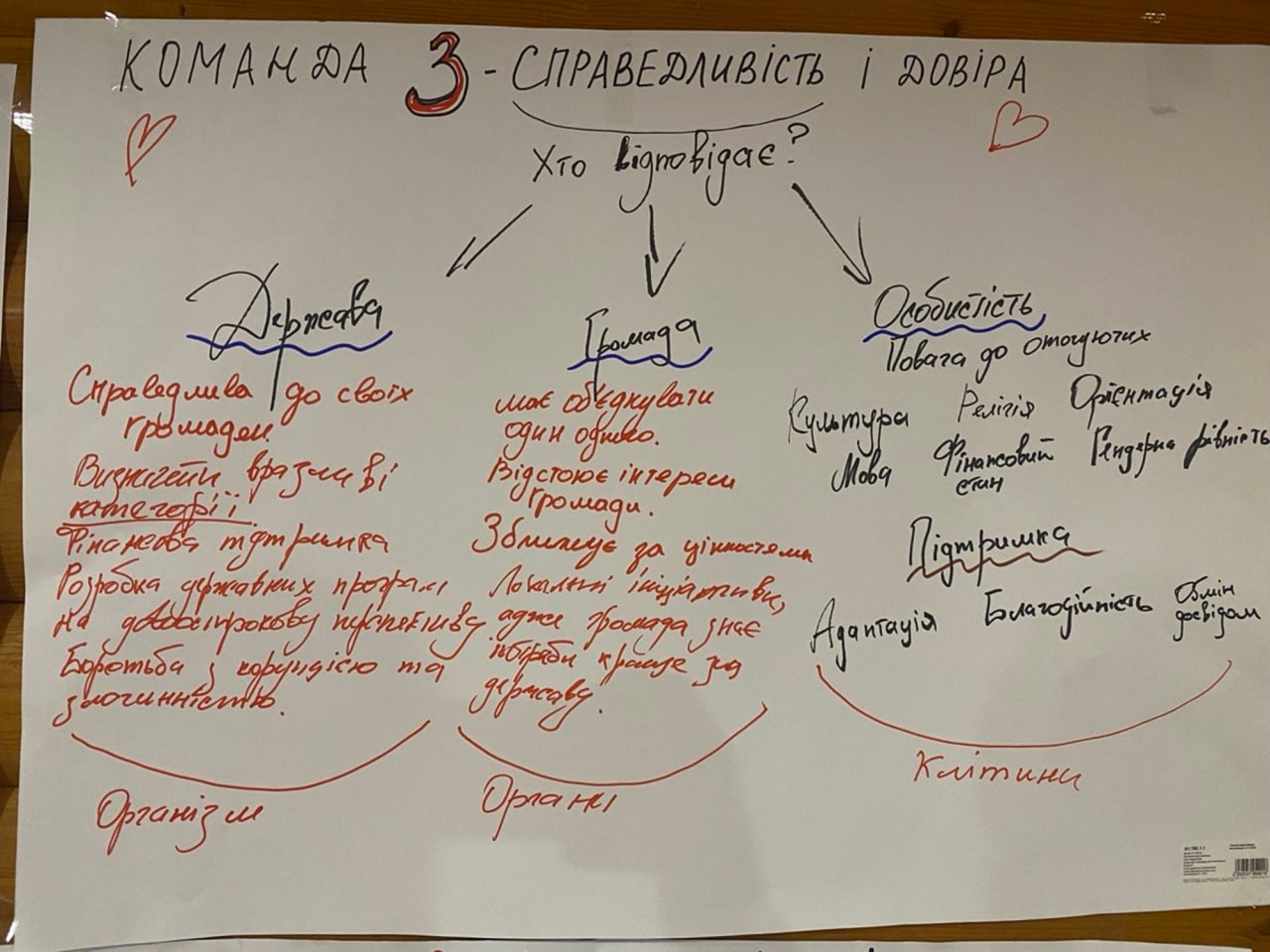
Another group worked on one of the most difficult reconstruction scenarios imaginable: how to allocate limited resources when needs far exceed available opportunities. Participants were asked to determine their own priorities between tangible reconstruction projects—such as rebuilding housing, hospitals, roads, and industrial facilities – and intangible priorities, including support for veterans, psychological assistance, the development of education and culture, and programs for social reconciliation. The most important task was not simply to choose among these priorities, but to explain which understanding of justice informed their decisions.
The discussions within the teams proved lively and deeply engaging. Young people defended their viewpoints, challenged one another’s assumptions, searched for compromise, and tried to see the issues through the eyes of people whose life experiences differed from their own. This learning model—in which knowledge is immediately transformed into practical application – is one of the defining principles of our project.
In the months ahead, participants will continue with additional webinars, attend the Summer School of Media and Journalism in Varash, develop their own team initiatives, and present them at youth forums.
After all, the future of Ukraine begins not only with major governmental decisions. It begins with young people who learn to think critically, engage in meaningful dialogue, build consensus, and take responsibility for their communities. That is precisely what our project is about.