July Has Been Busy — And Not Just Because of the Heat
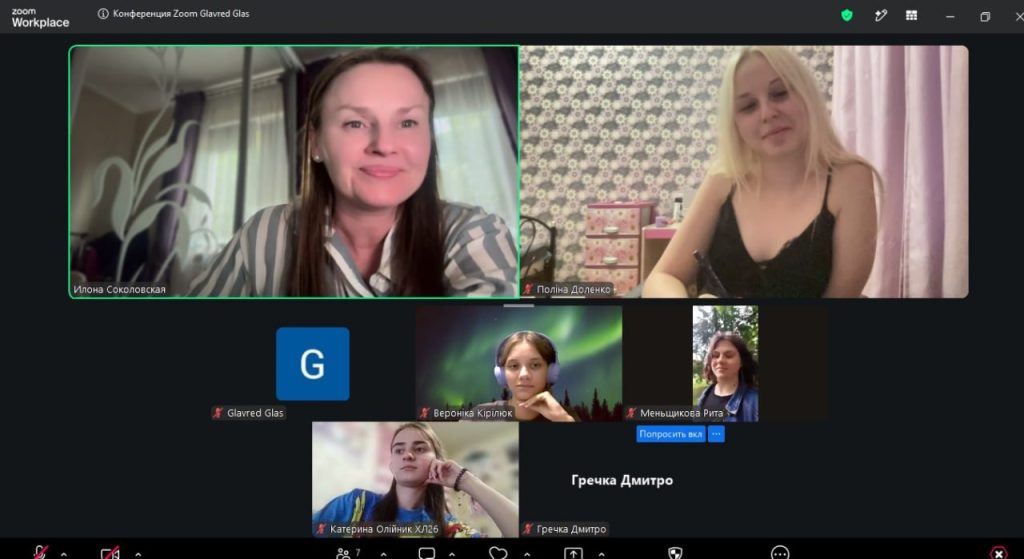
While some people are planning their vacations, 16 youth teams from different parts of Ukraine are working on their projects – and that is no exaggeration. We met with the teams to help them transform their ideas into clear action plans.
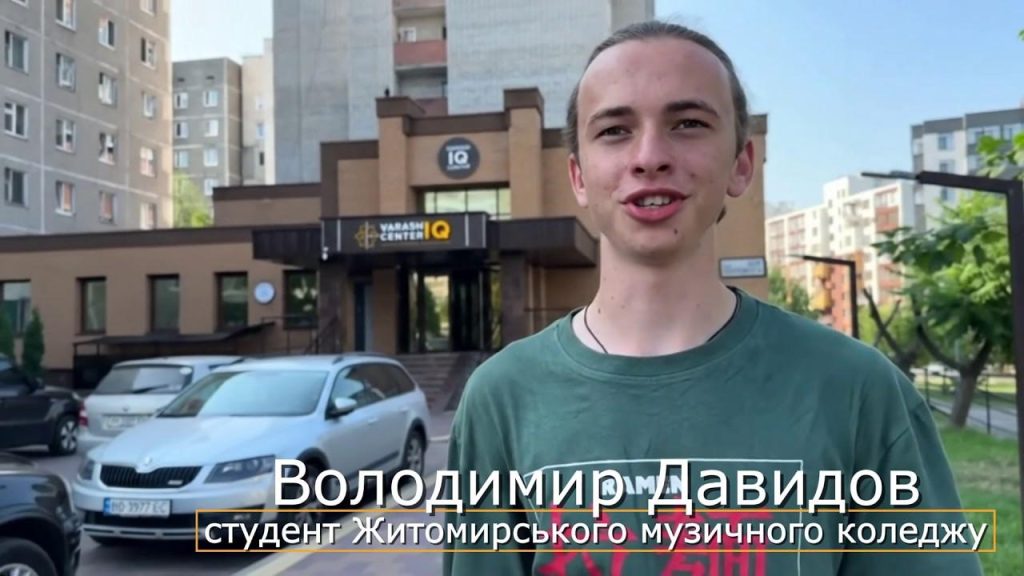
“I thought that a project was simply about writing a good proposal. It turned out that it is actually about changing your village. That is a little frightening, but at the same time incredibly inspiring,” one of the participants shared.
And there are dozens of stories like this.
What Did We Do Together?
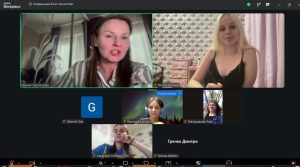
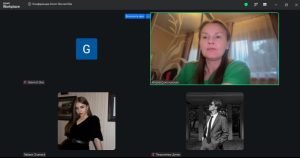
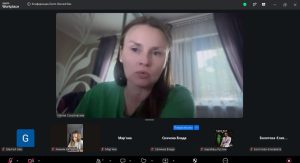
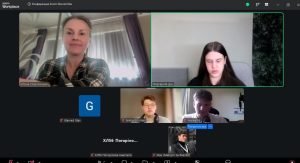
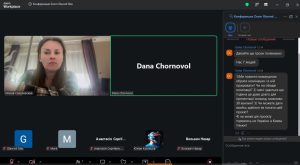
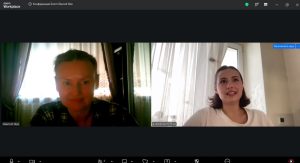
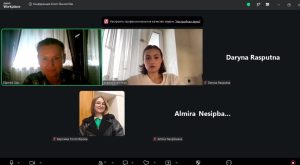
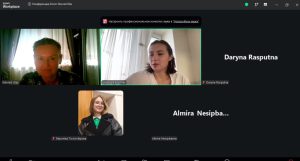
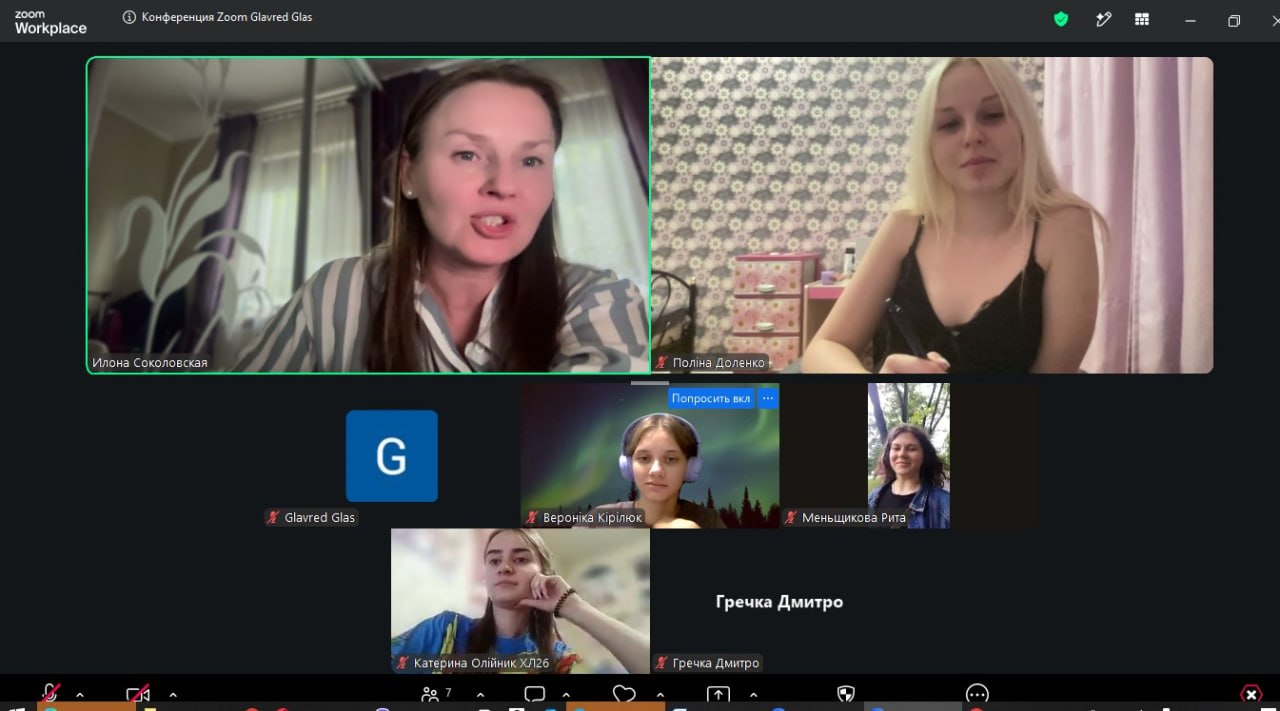
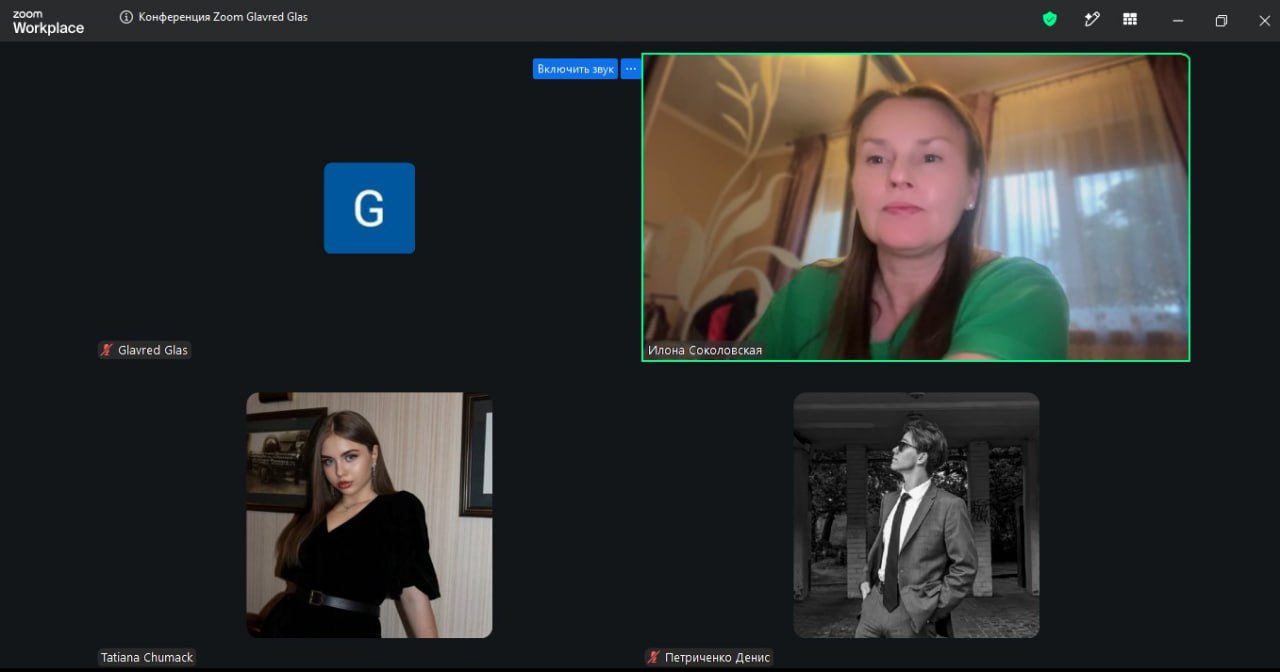
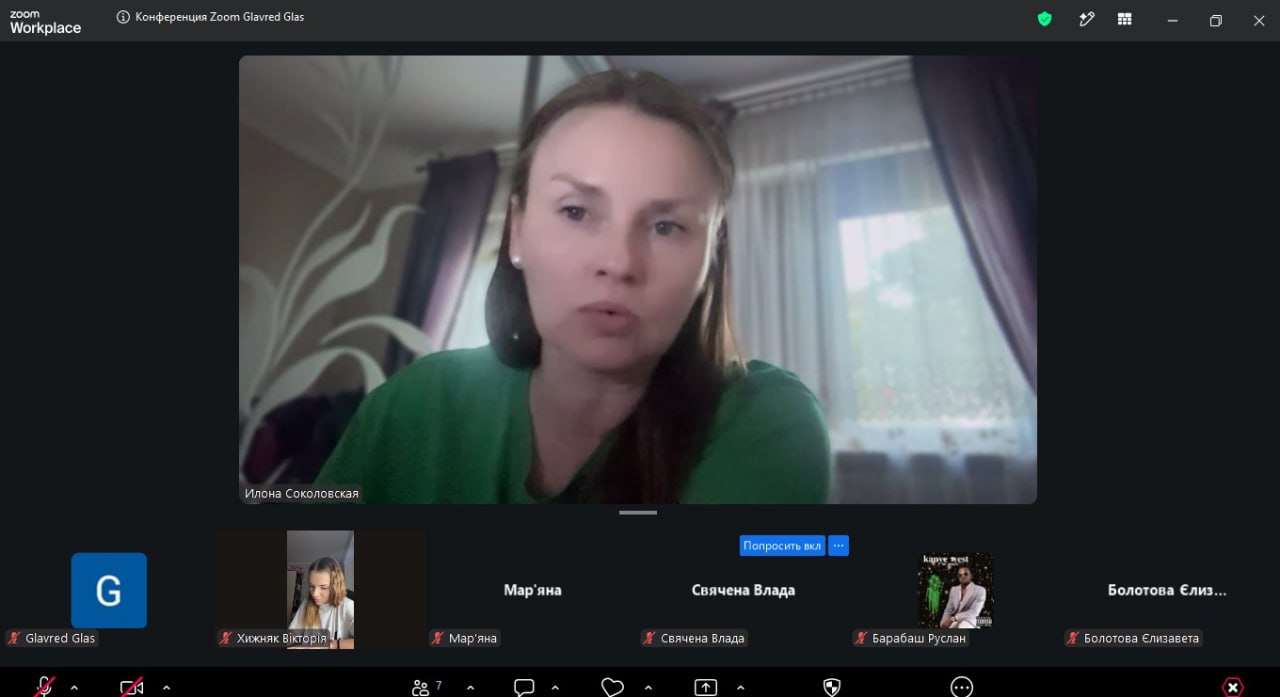
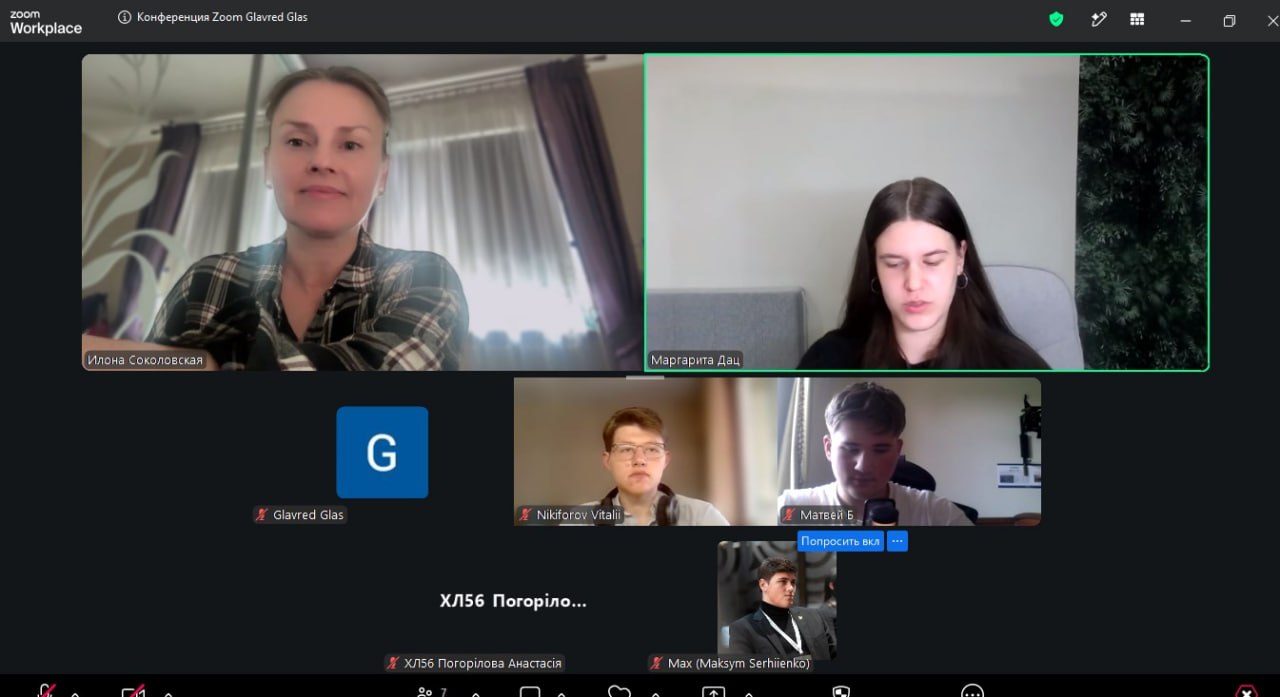
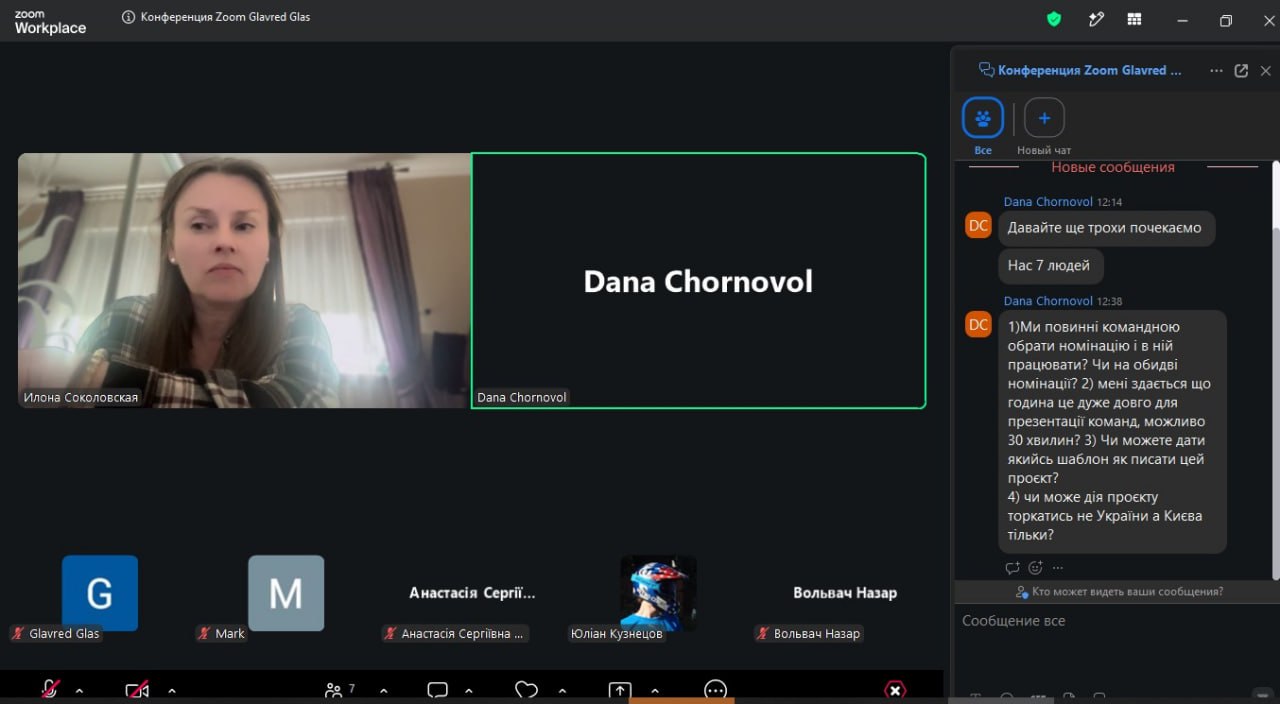
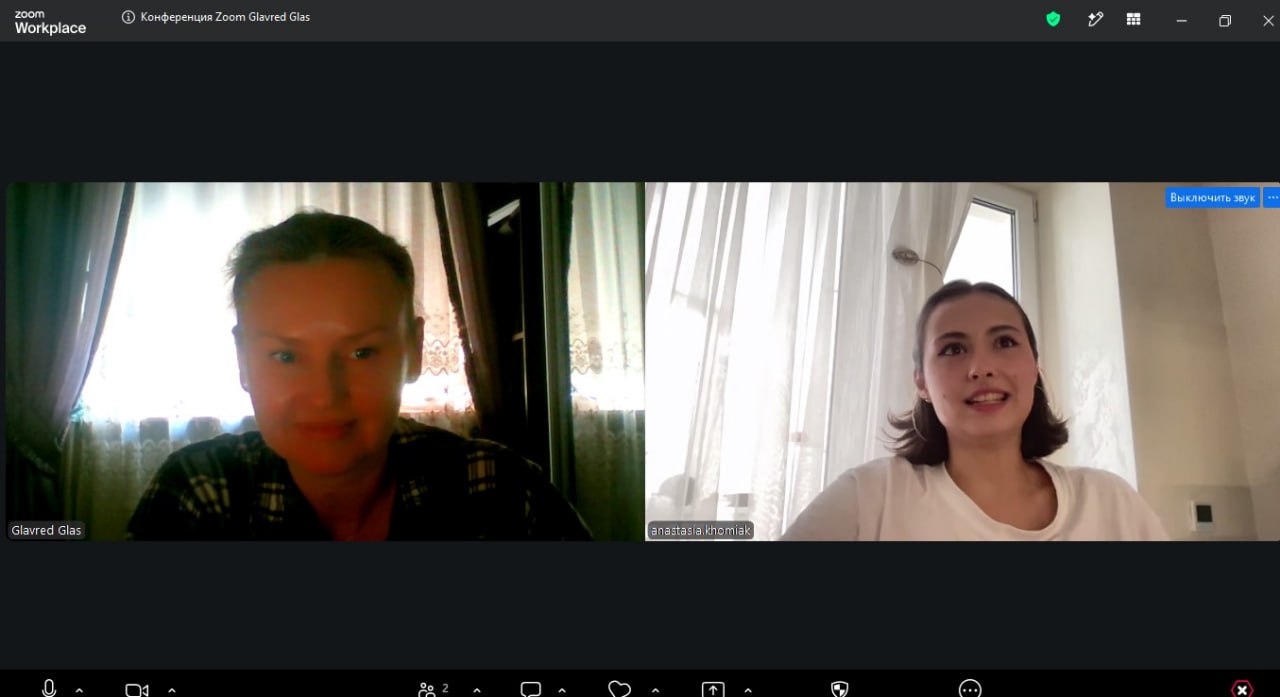
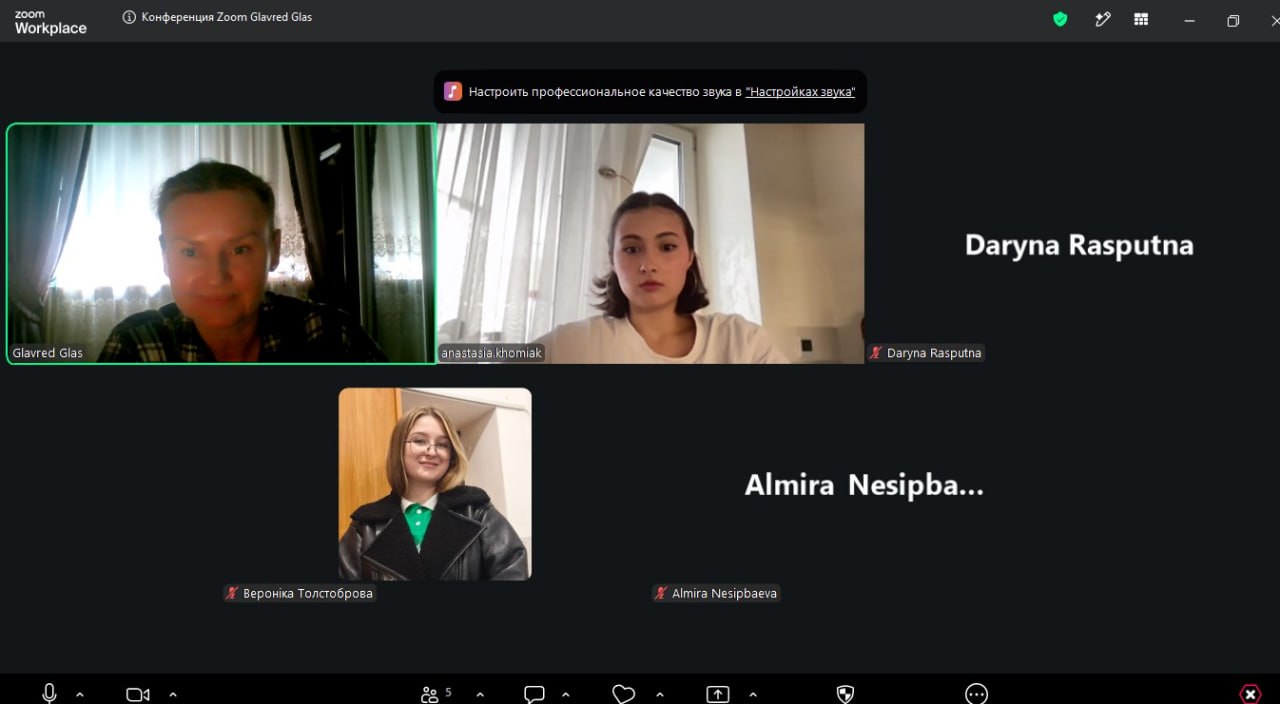
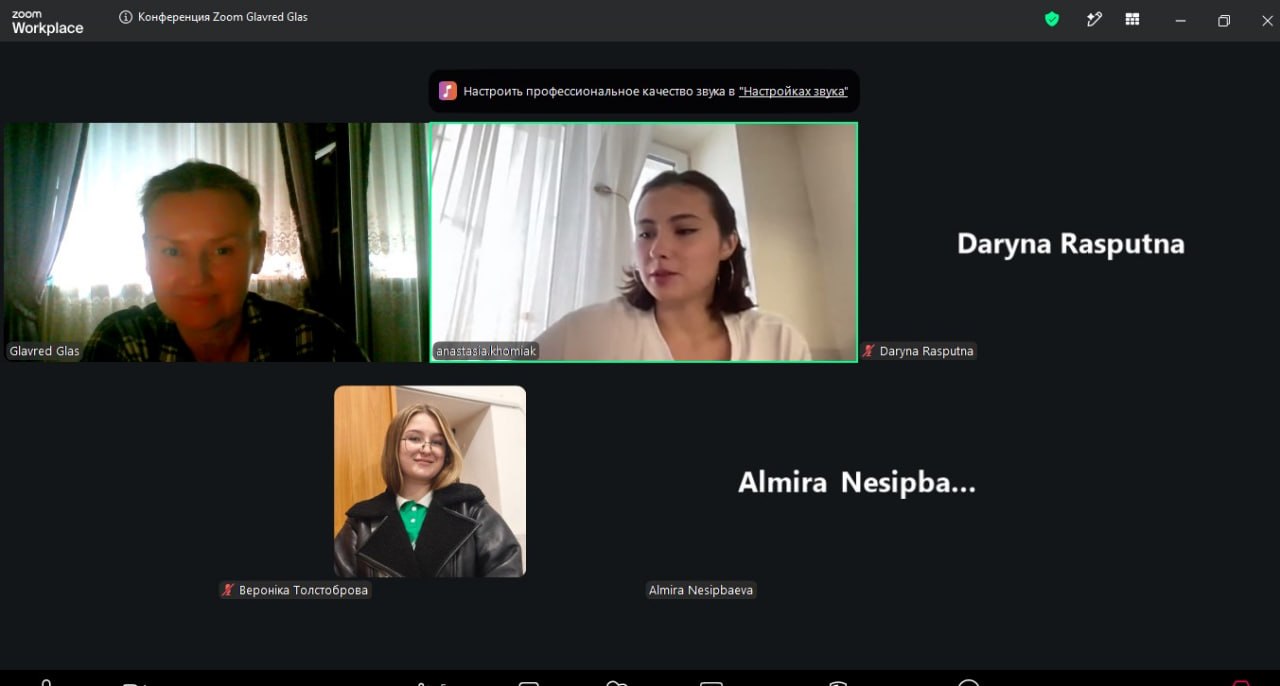
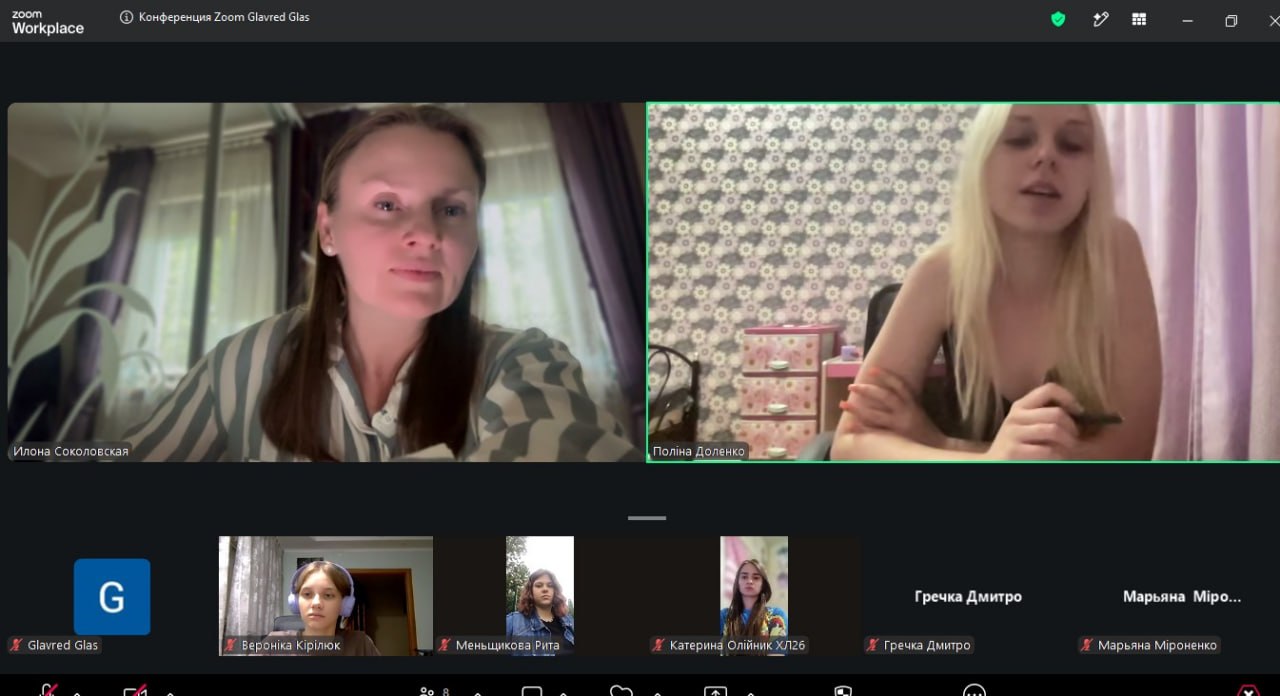
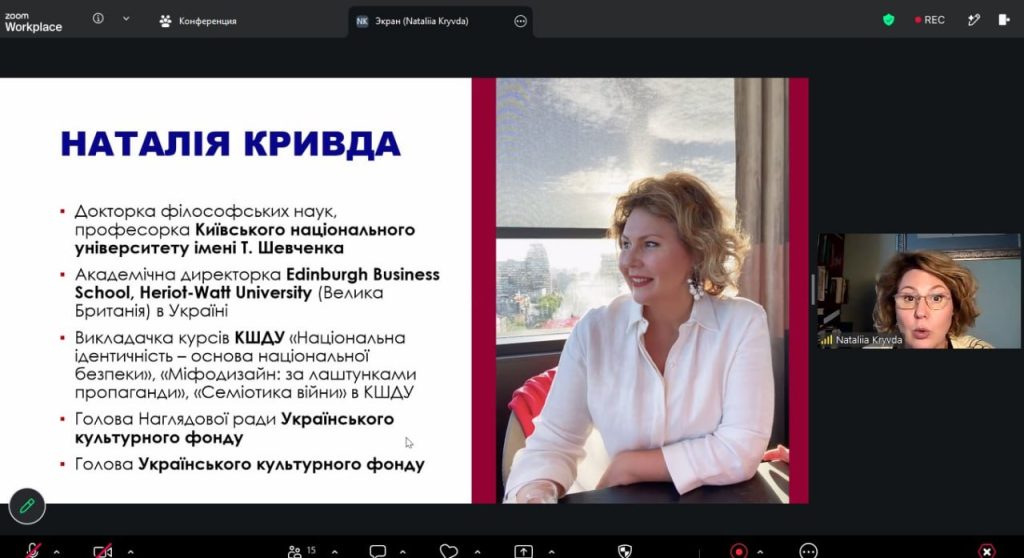
Throughout July, we held coaching sessions with the project participants. Some joined online, while others met with us in person, but the most important thing was that everyone came ready to work. Together, we:
- learned where to find ideas for projects, how to design projects, and how to develop project concepts;
- learned how to formulate the problems facing their communities clearly (because saying “everything is bad” is not a problem – it is a feeling);
- structured ideas so that they could be explained to a mayor, a neighbor, and even a grandmother sitting on a bench;
- strengthened teamwork skills, because one person alone cannot accomplish everything, but five like-minded people working together become a powerful force.
And do you know what? The results are truly impressive.
Sixteen Teams — Sixteen Unique Ideas
Our participants come from different regions, have different backgrounds, and face different local challenges. Some dream of creating a youth space in their village, others want to establish meaningful dialogue between local authorities and the community, while others are developing a software application that will promote recovery without creating a “competition of victims.”
Yet all of these ideas have one thing in common – they are about the common good. They reflect the belief that post-war Ukraine should not be rebuilt from the top down, but from the bottom up, by our own hands.
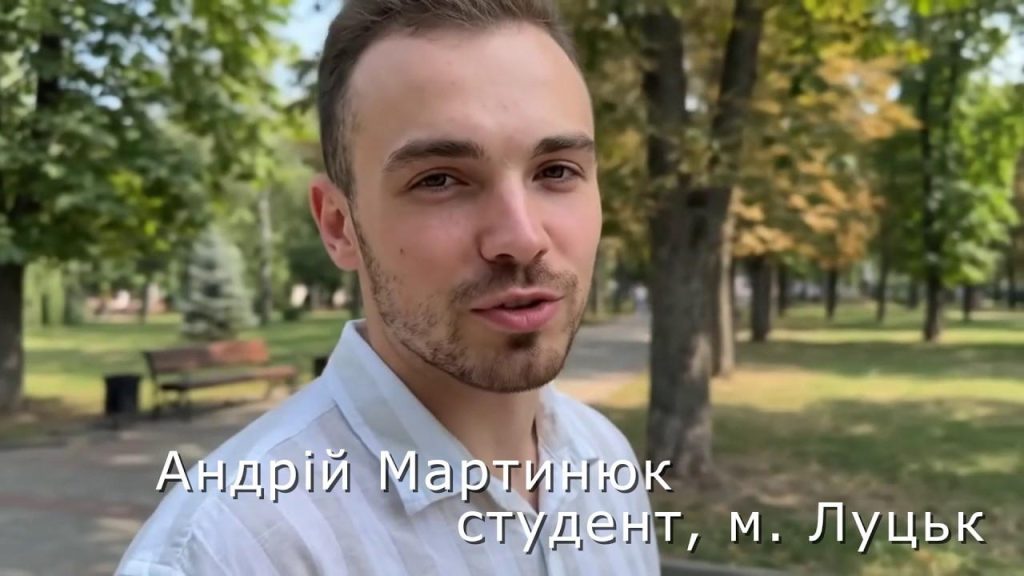
“I never thought I could influence anything beyond my volunteer project. Now I see that we can change not only our own community but also our country,” says a participant from the Volyn region.
What Comes Next?
The next stage is working with mentors. Right now, the teams, together with professional coaches and experts in recovery and values, media communications, and public governance, are refining their project concepts and transforming them into clear, well-structured plans. After that, they will prepare presentations to communicate their ideas effectively to the public, local authorities, and the media.
The participants also have the following ahead of them:
- competition nominations (yes, there will be competition – but in a friendly spirit!);
- regional forums in their communities;
- presentations of their project ideas to local authorities, the media, and the public.
The final stage will be a large forum in Kyiv, where we will review the results of the entire program and announce the winners.
Why Does This Matter?
Because we are tired of waiting for someone else to come and solve our problems for us. Because rebuilding Ukraine is not only about constructing new buildings and roads. It is also about creating new meanings, rebuilding trust, and embracing shared responsibility.
And, above all, it is an opportunity to say to ourselves:
“I am not just watching. I am taking action.”
Follow our news – there is much more to come.