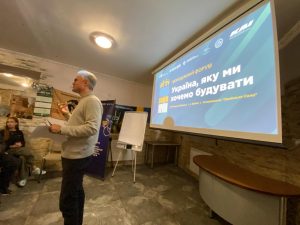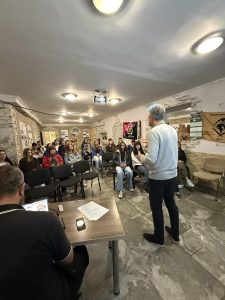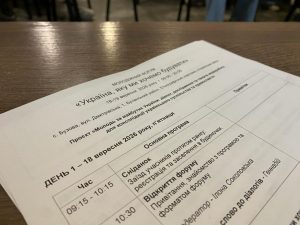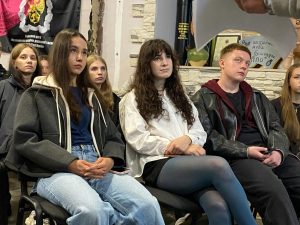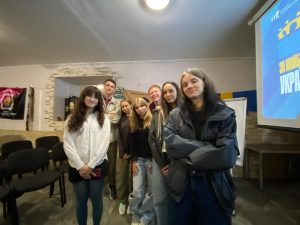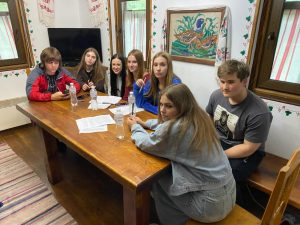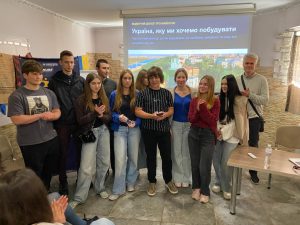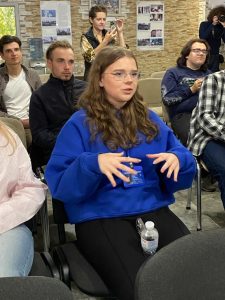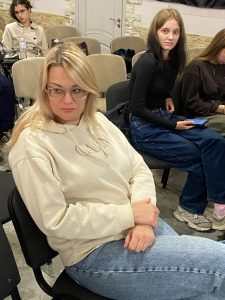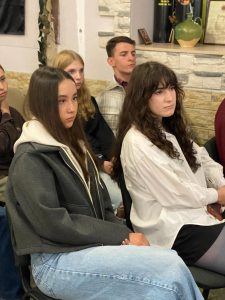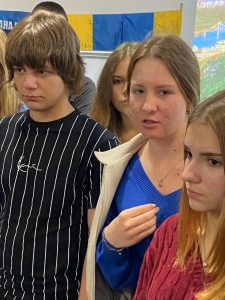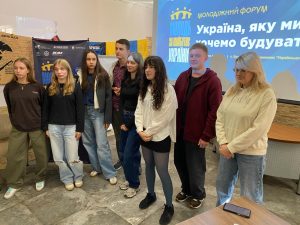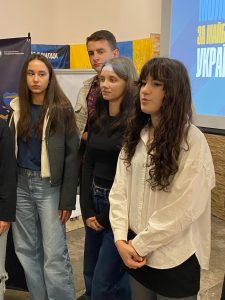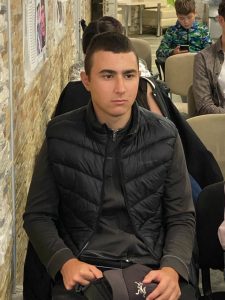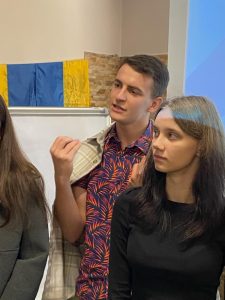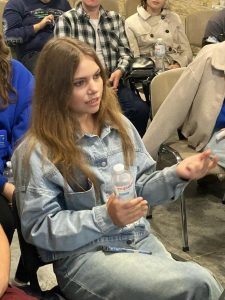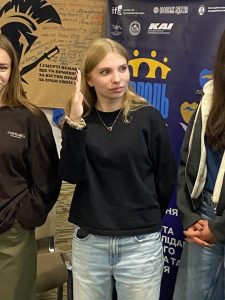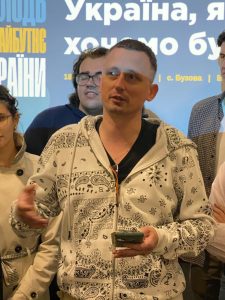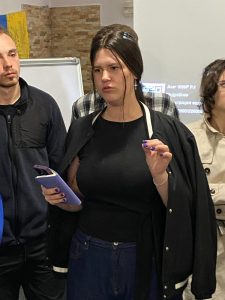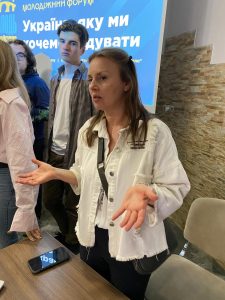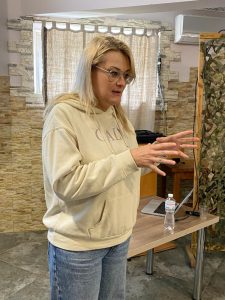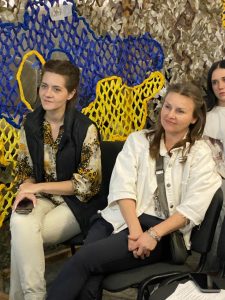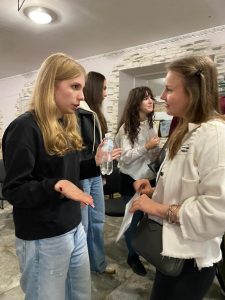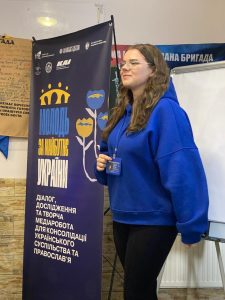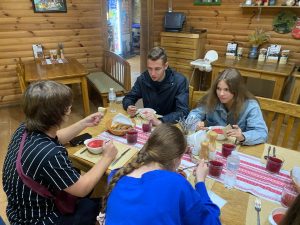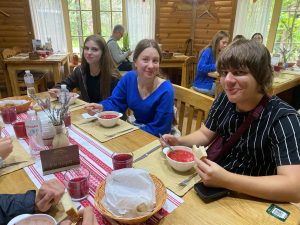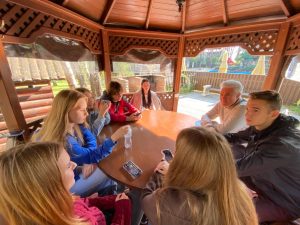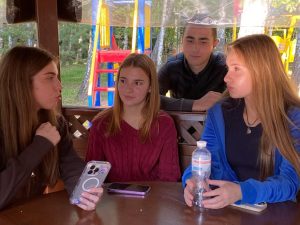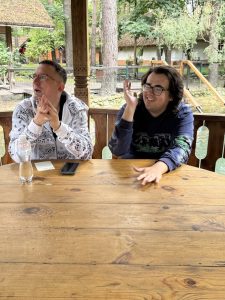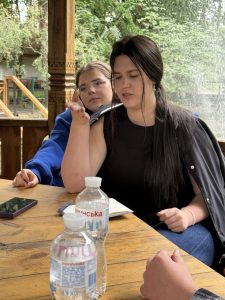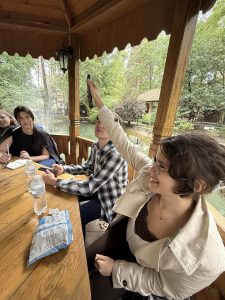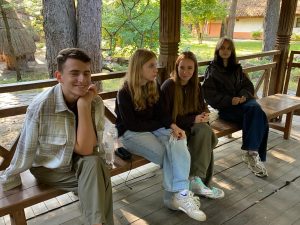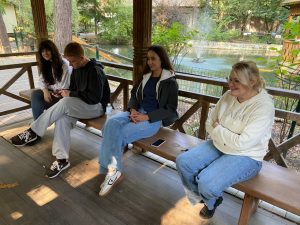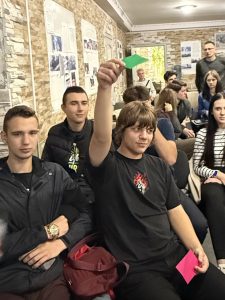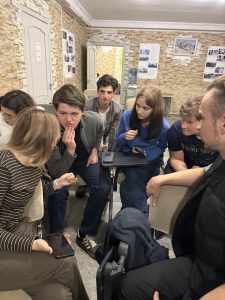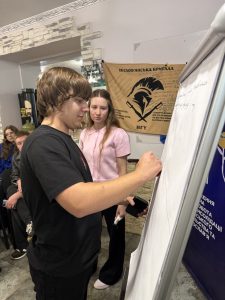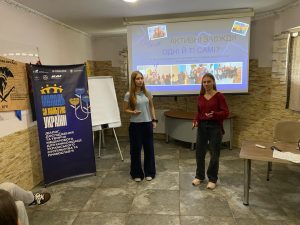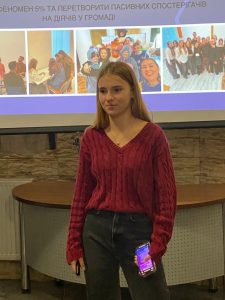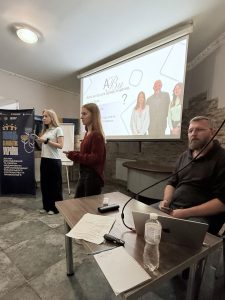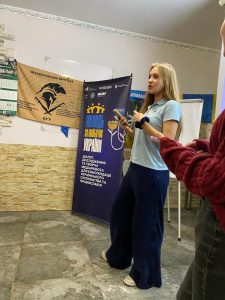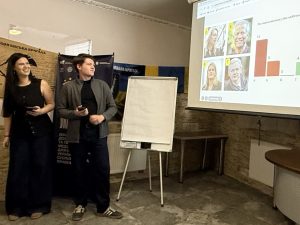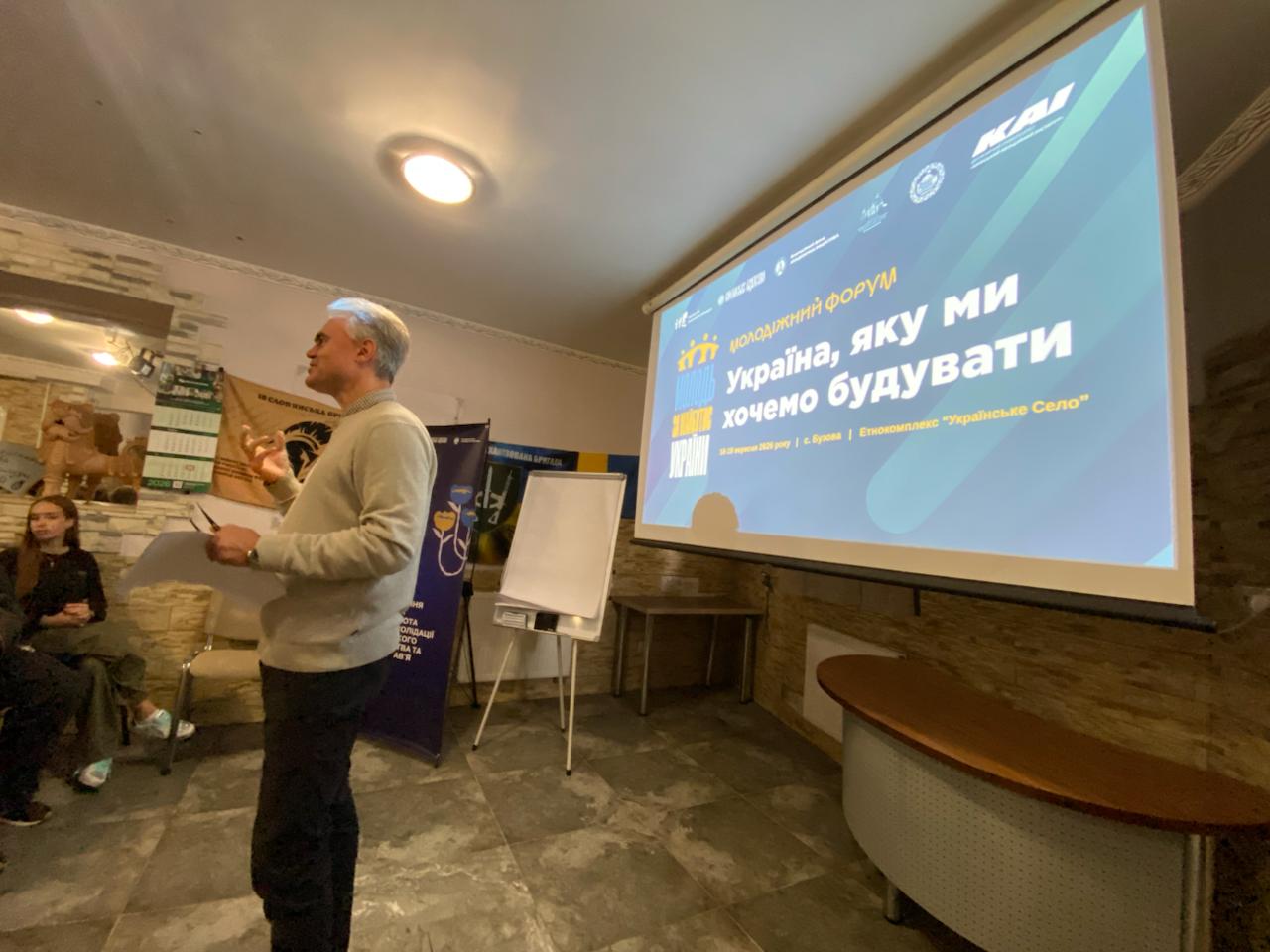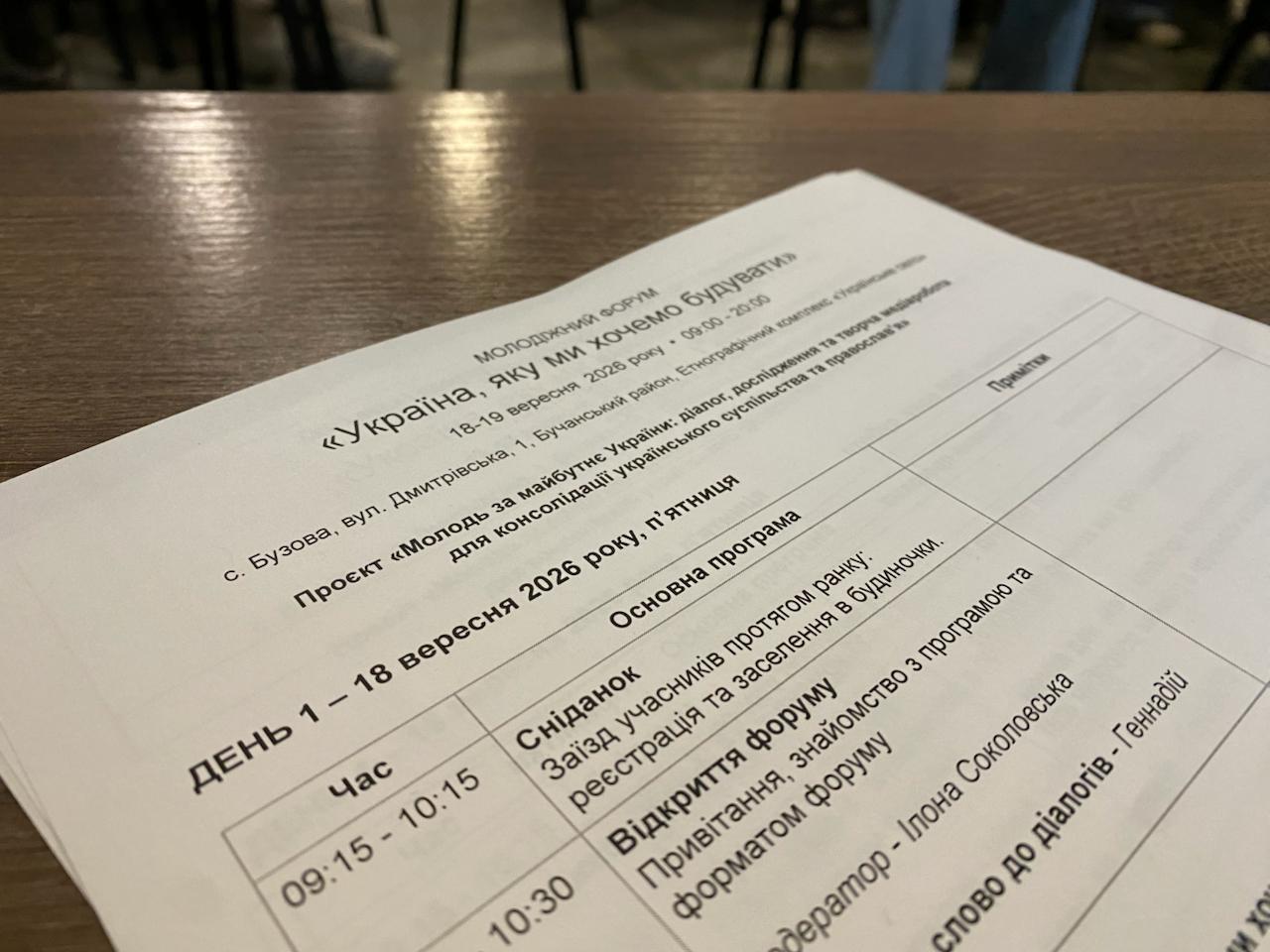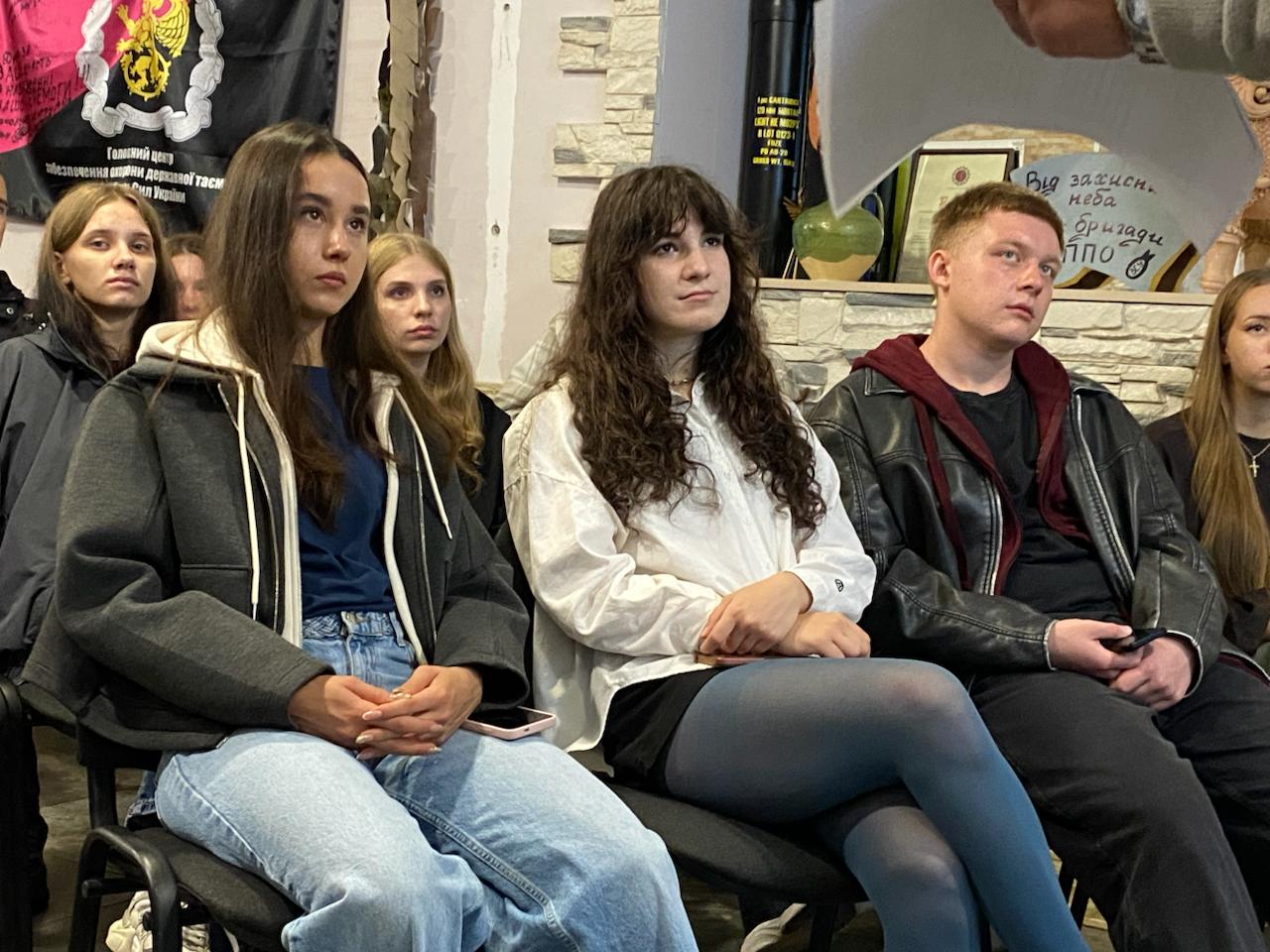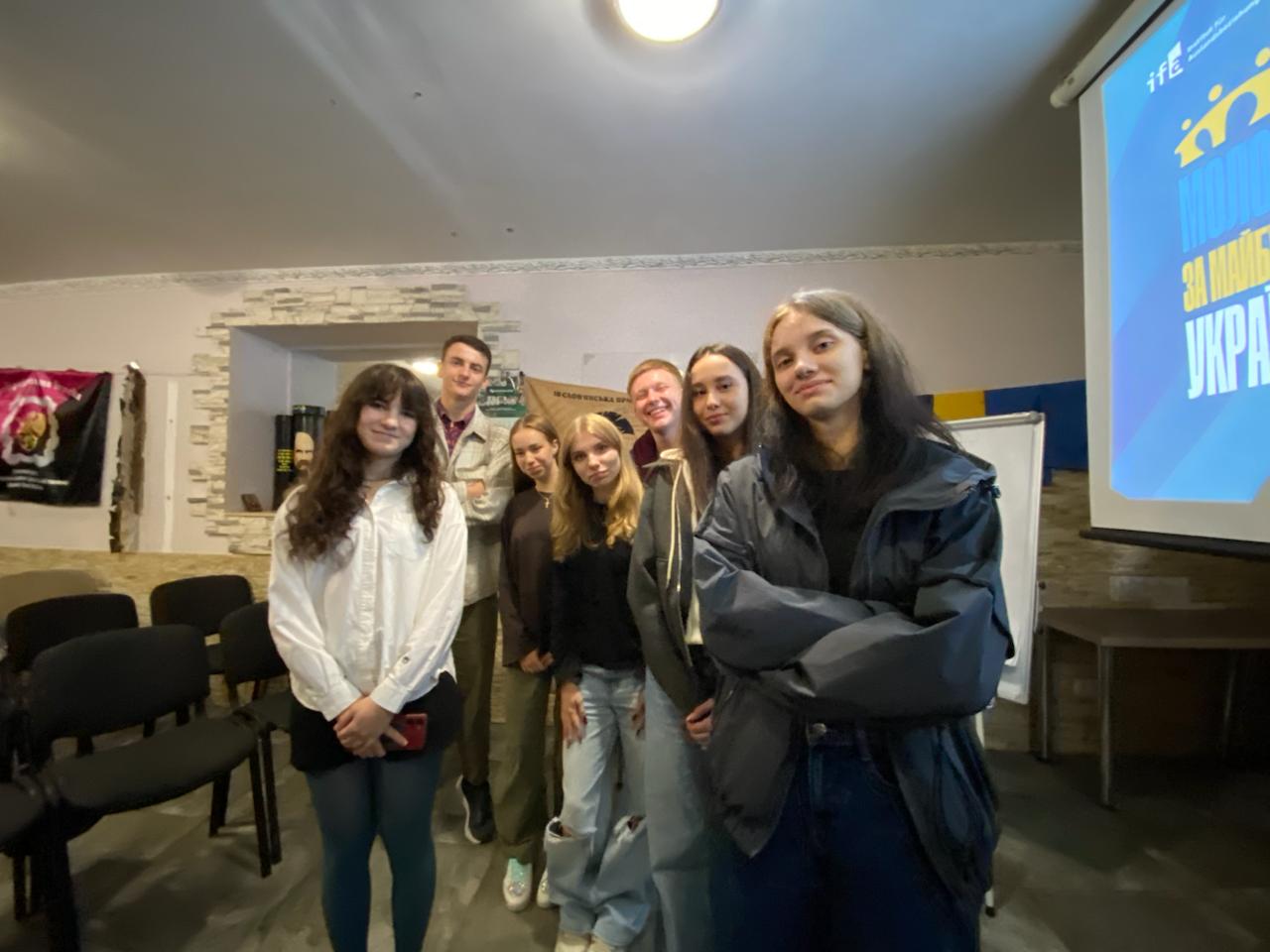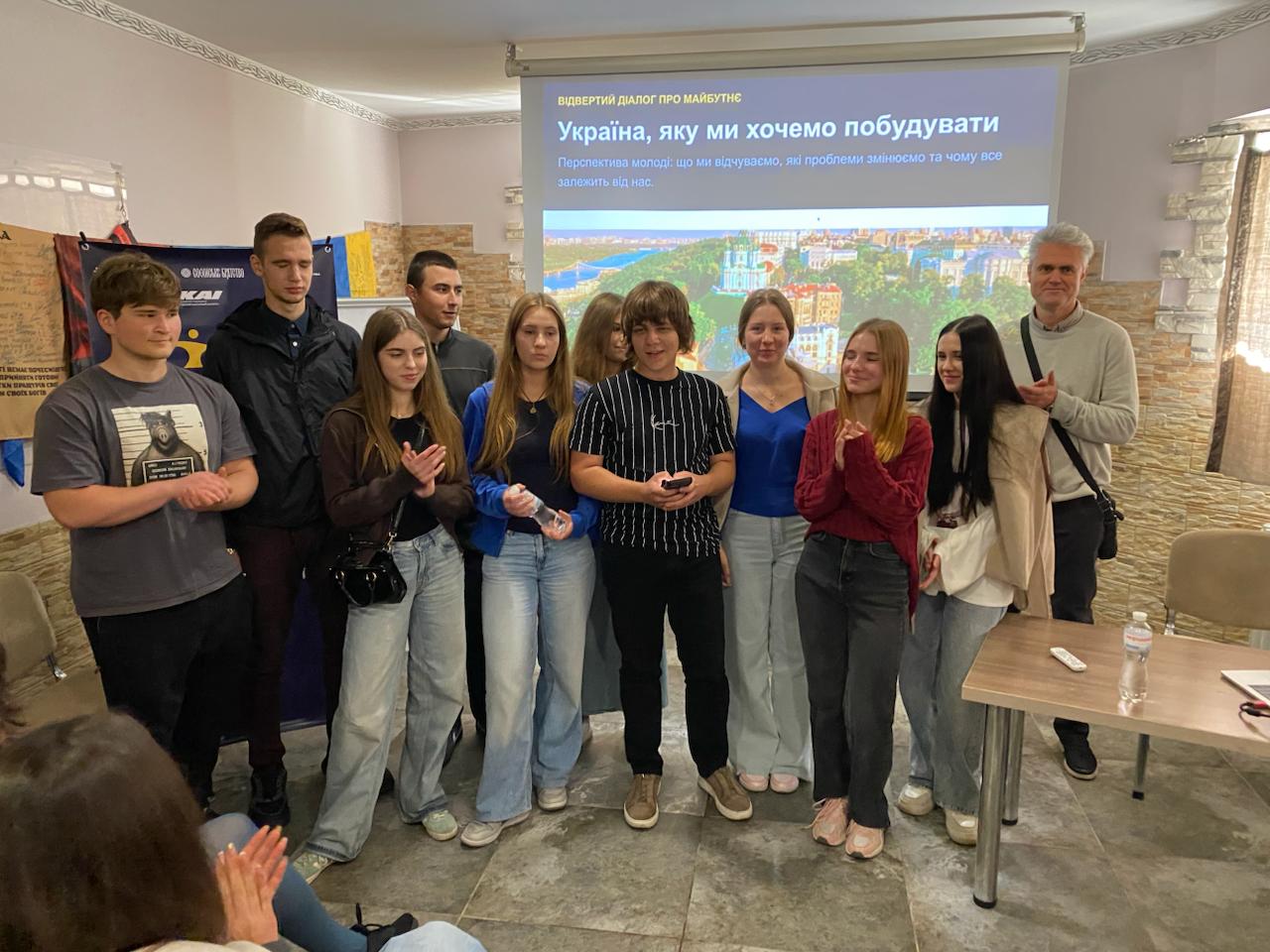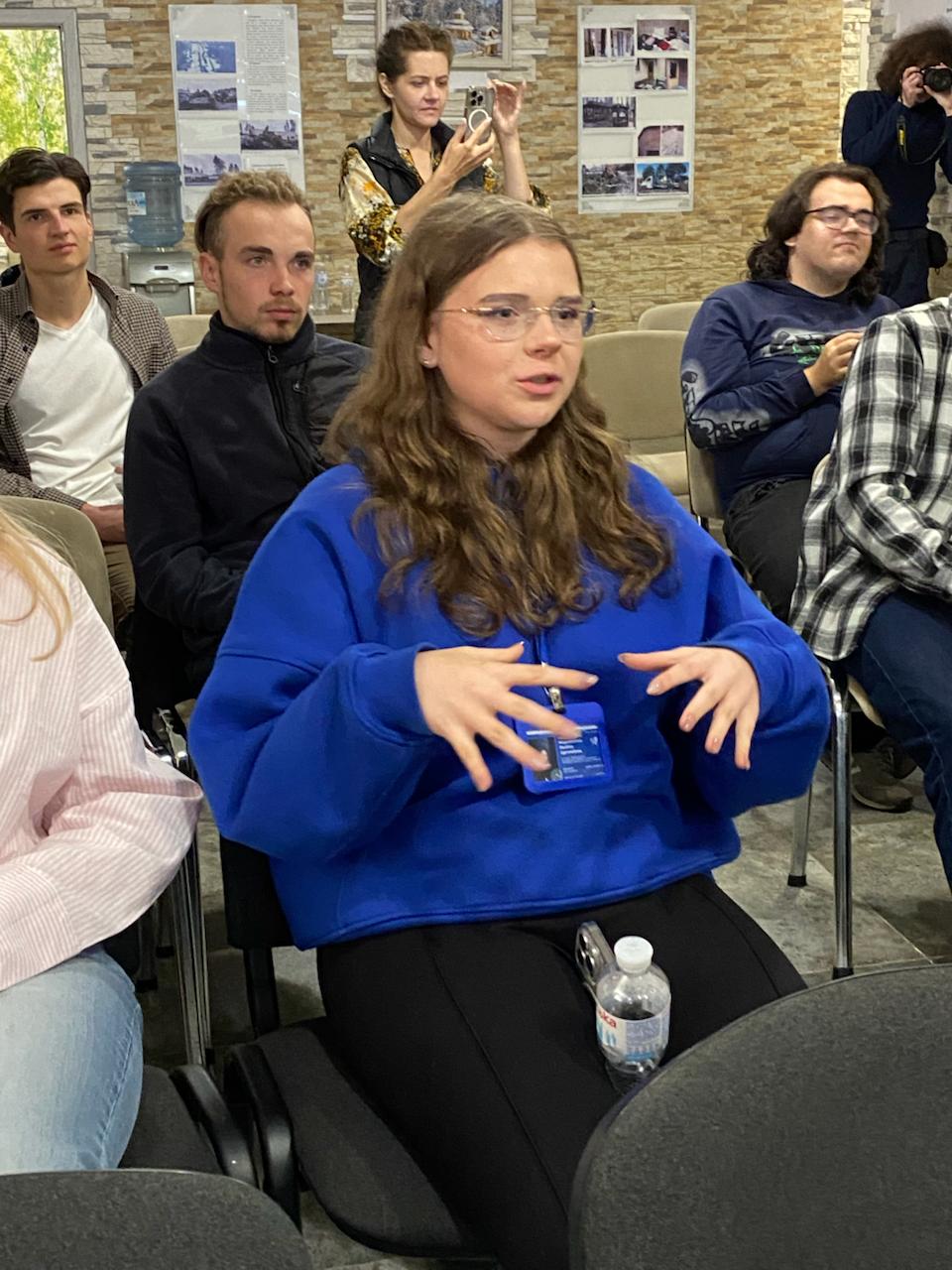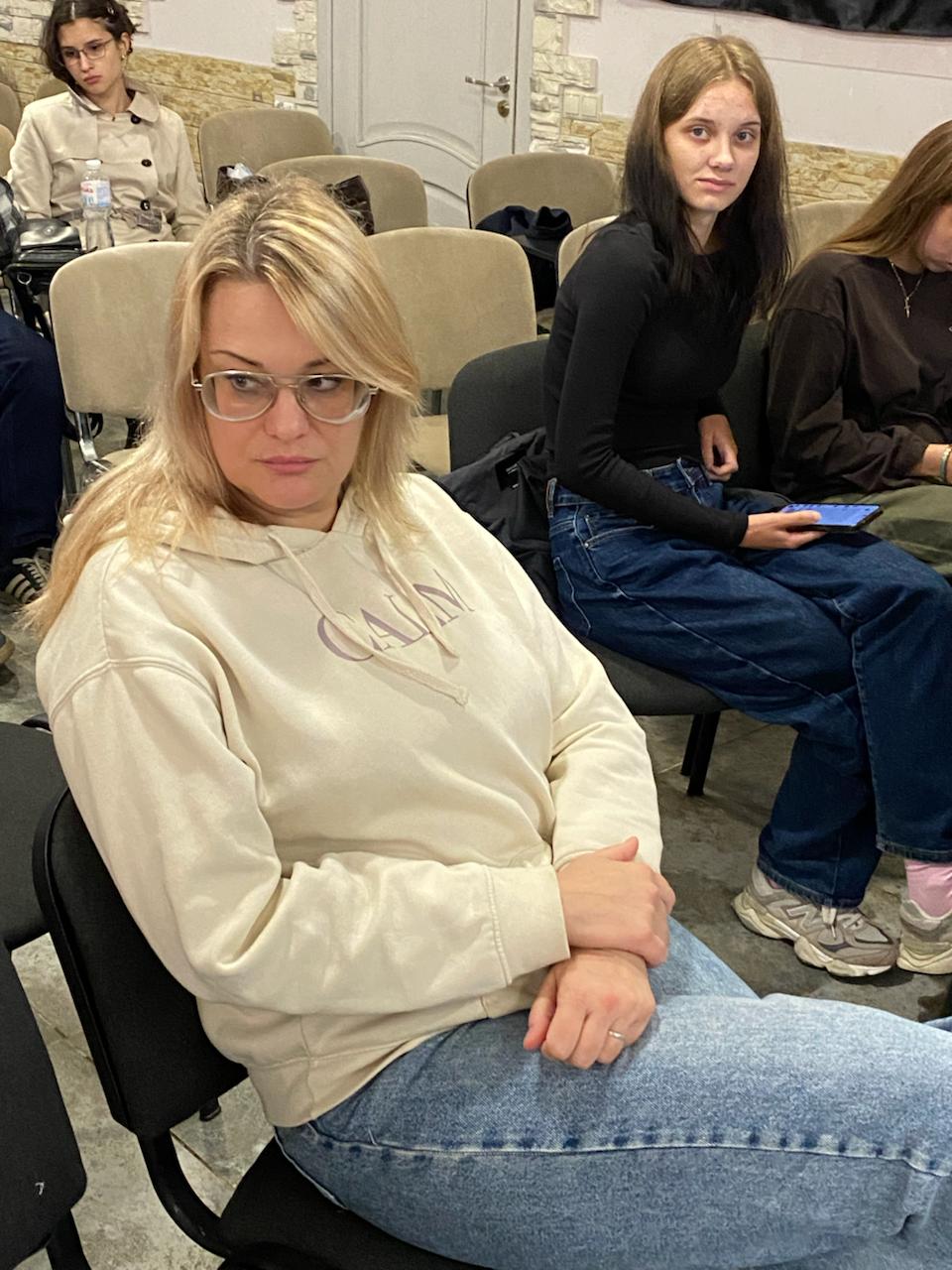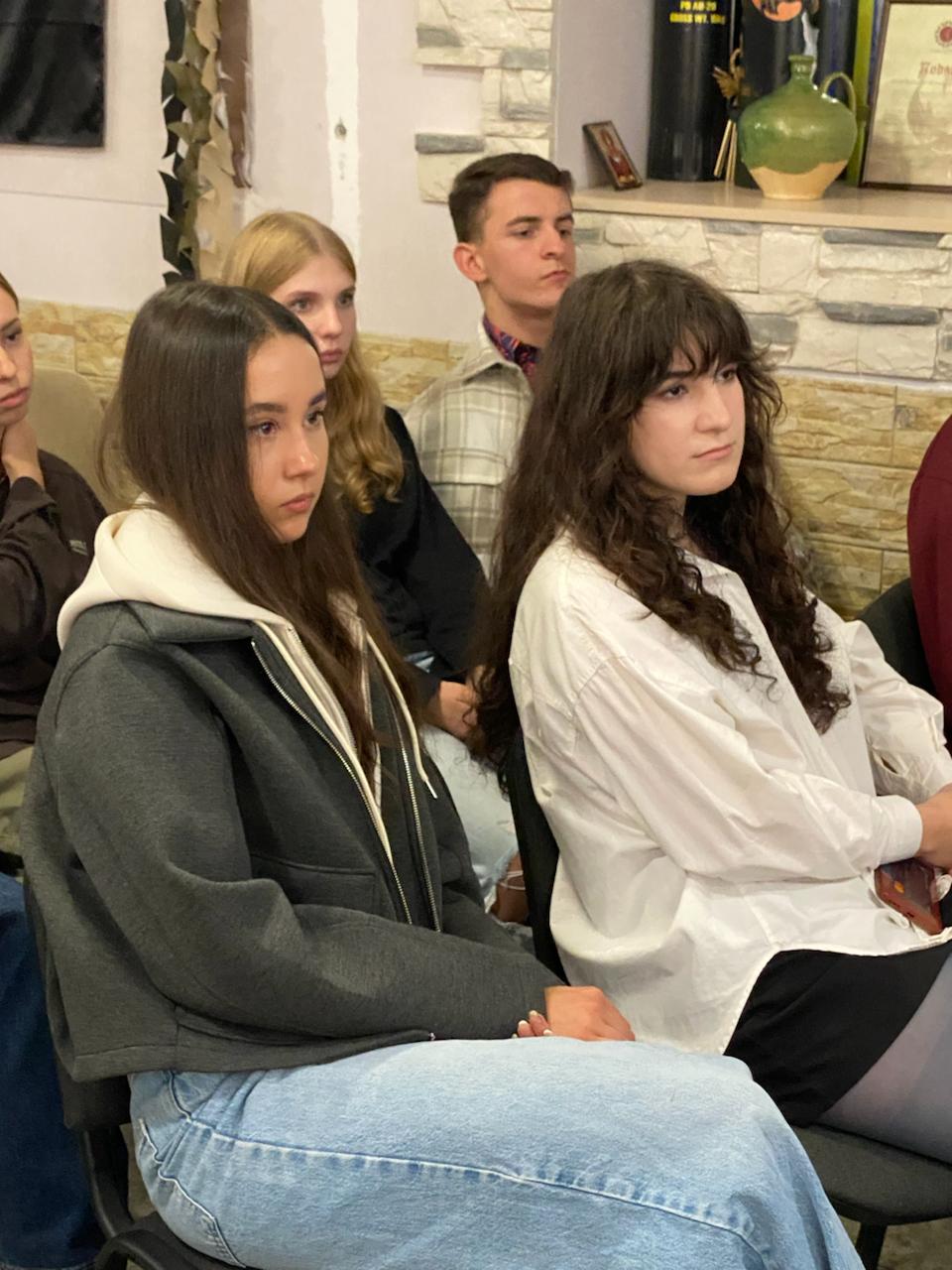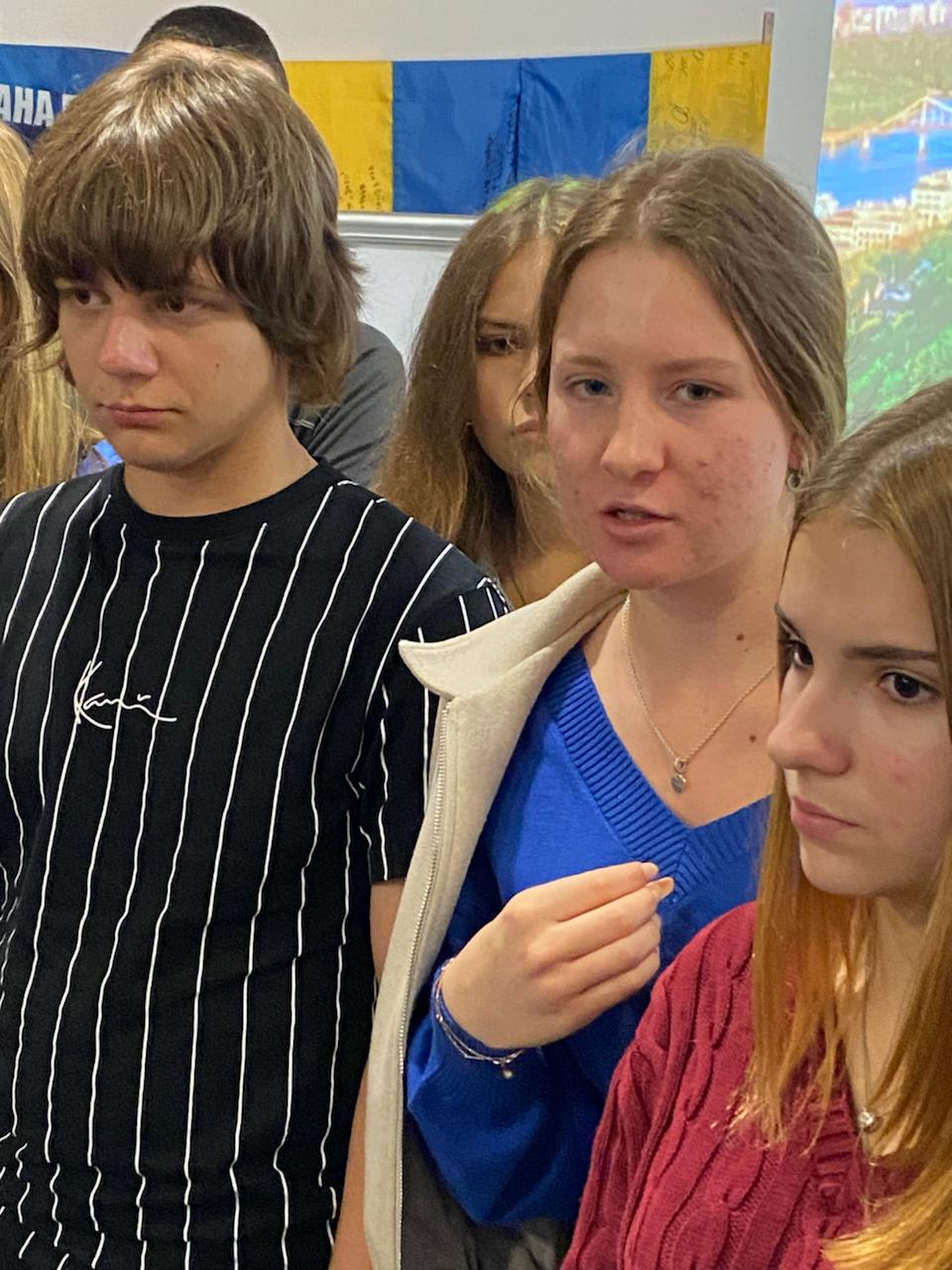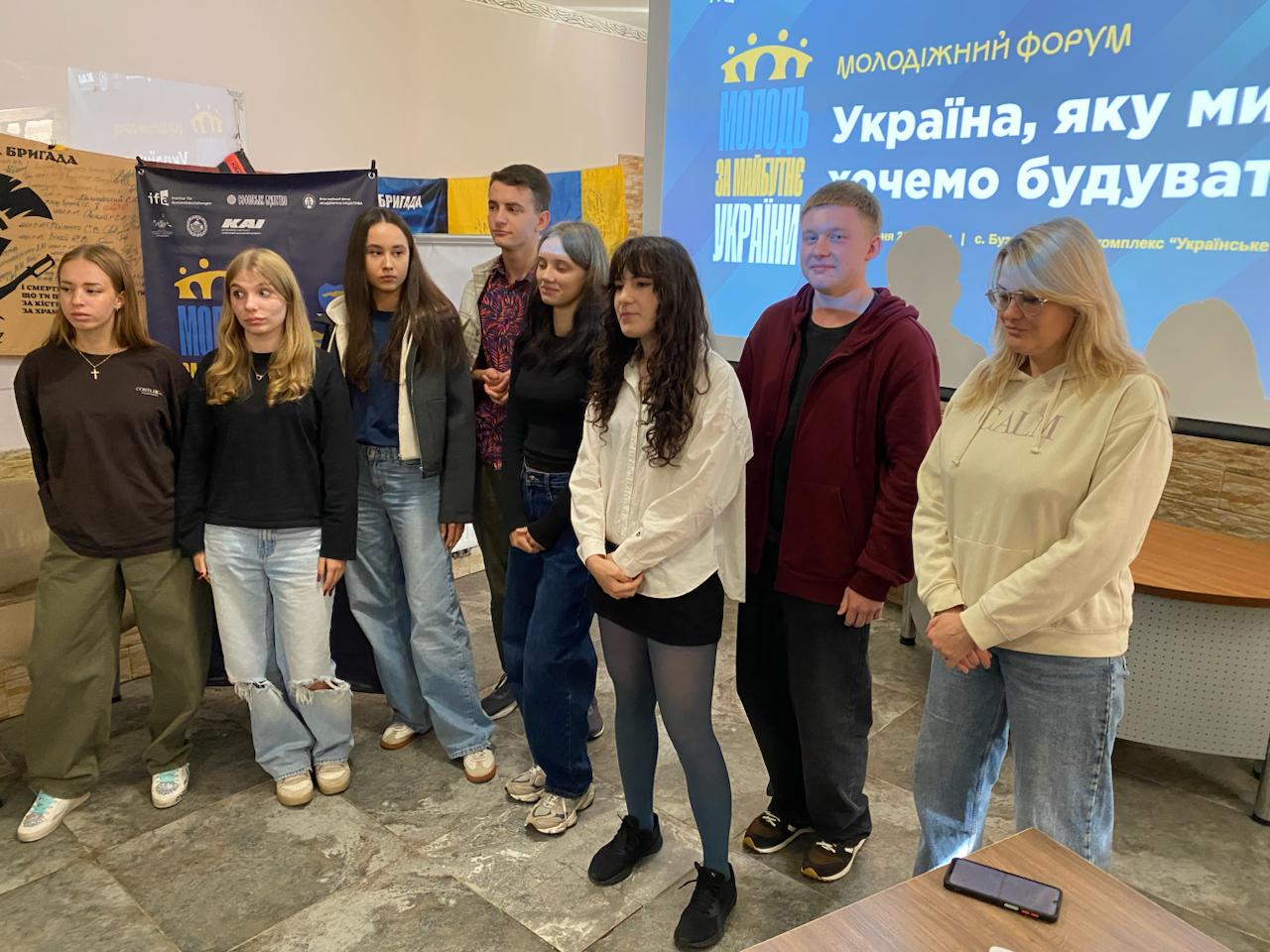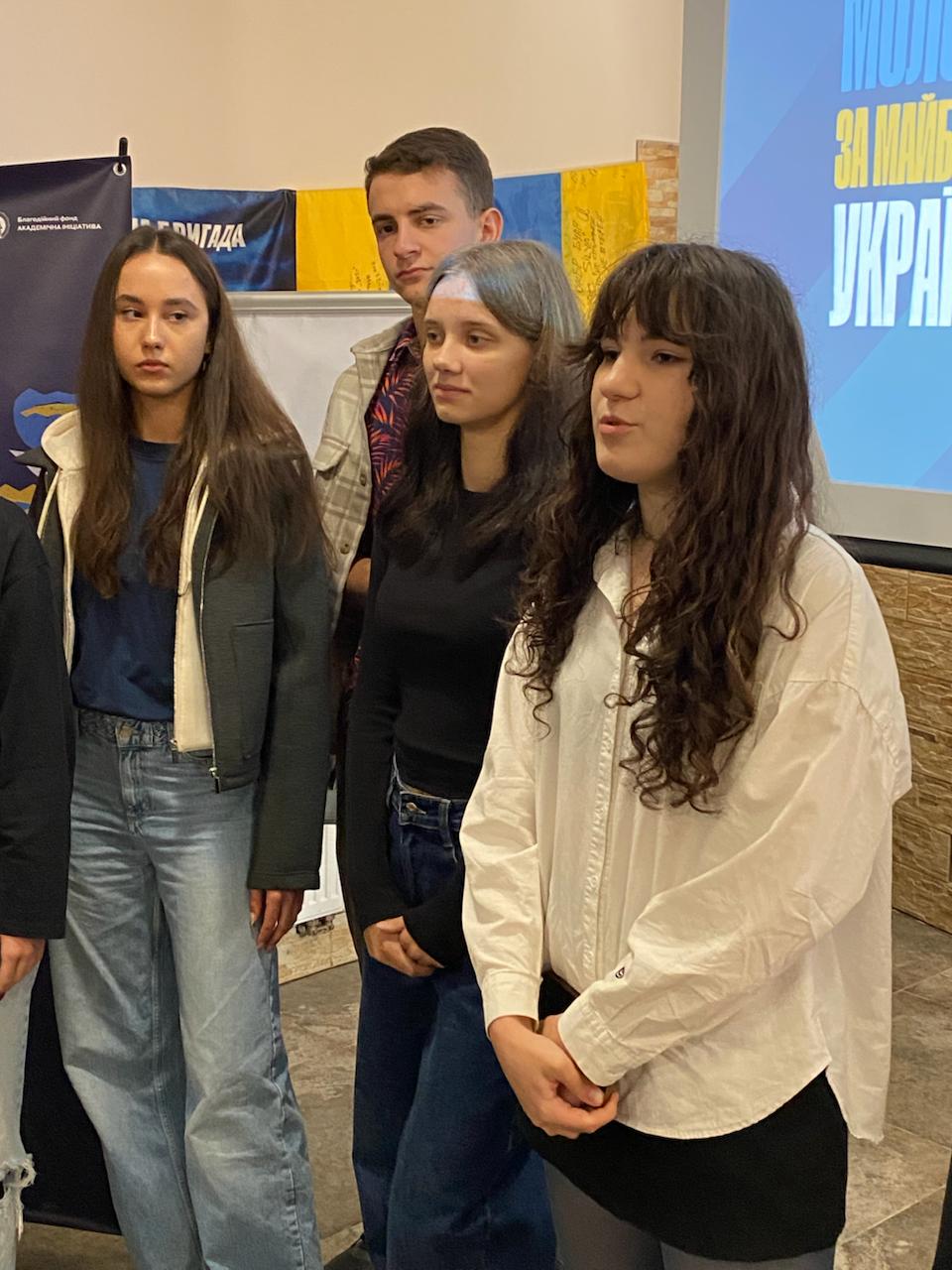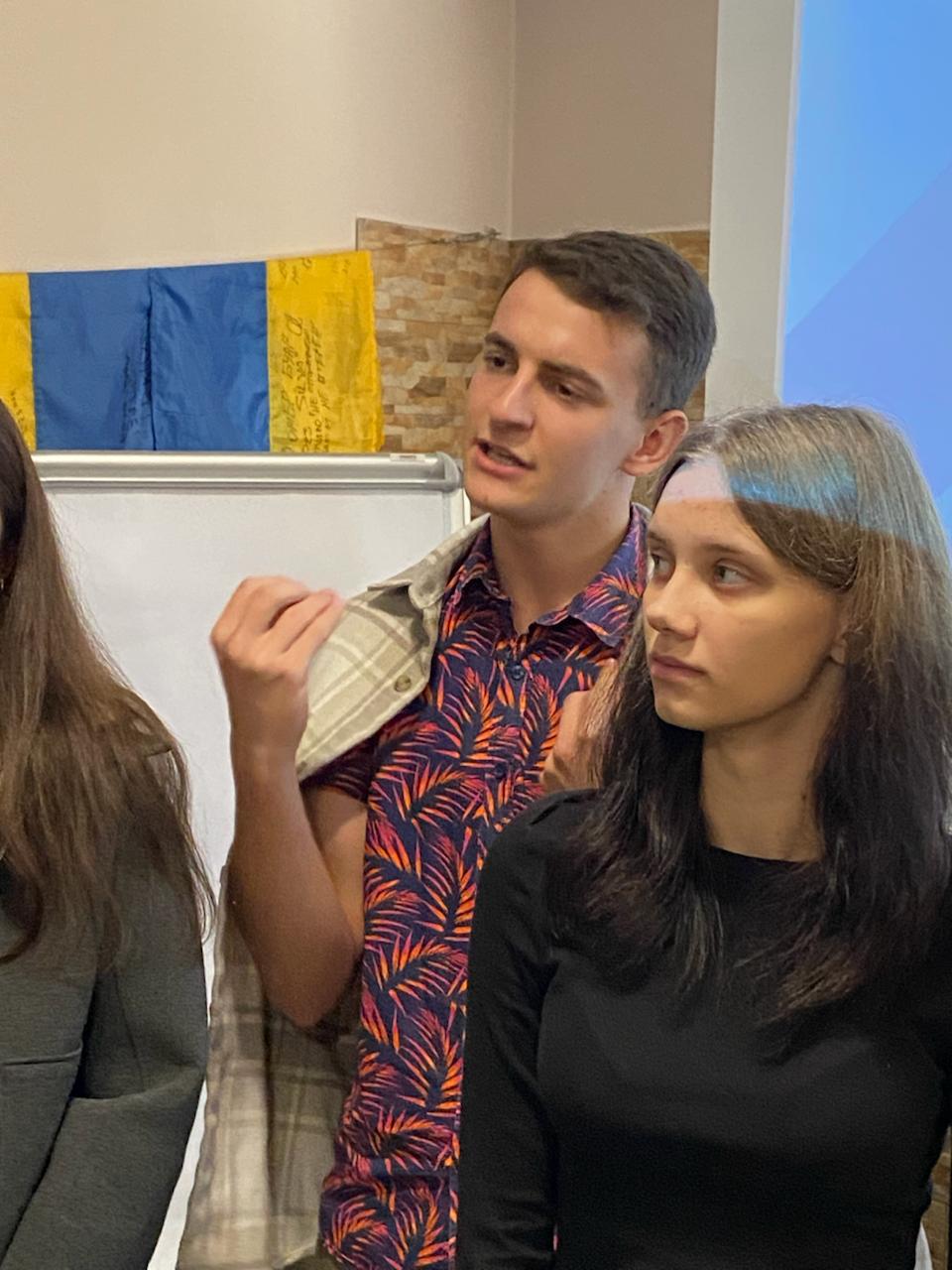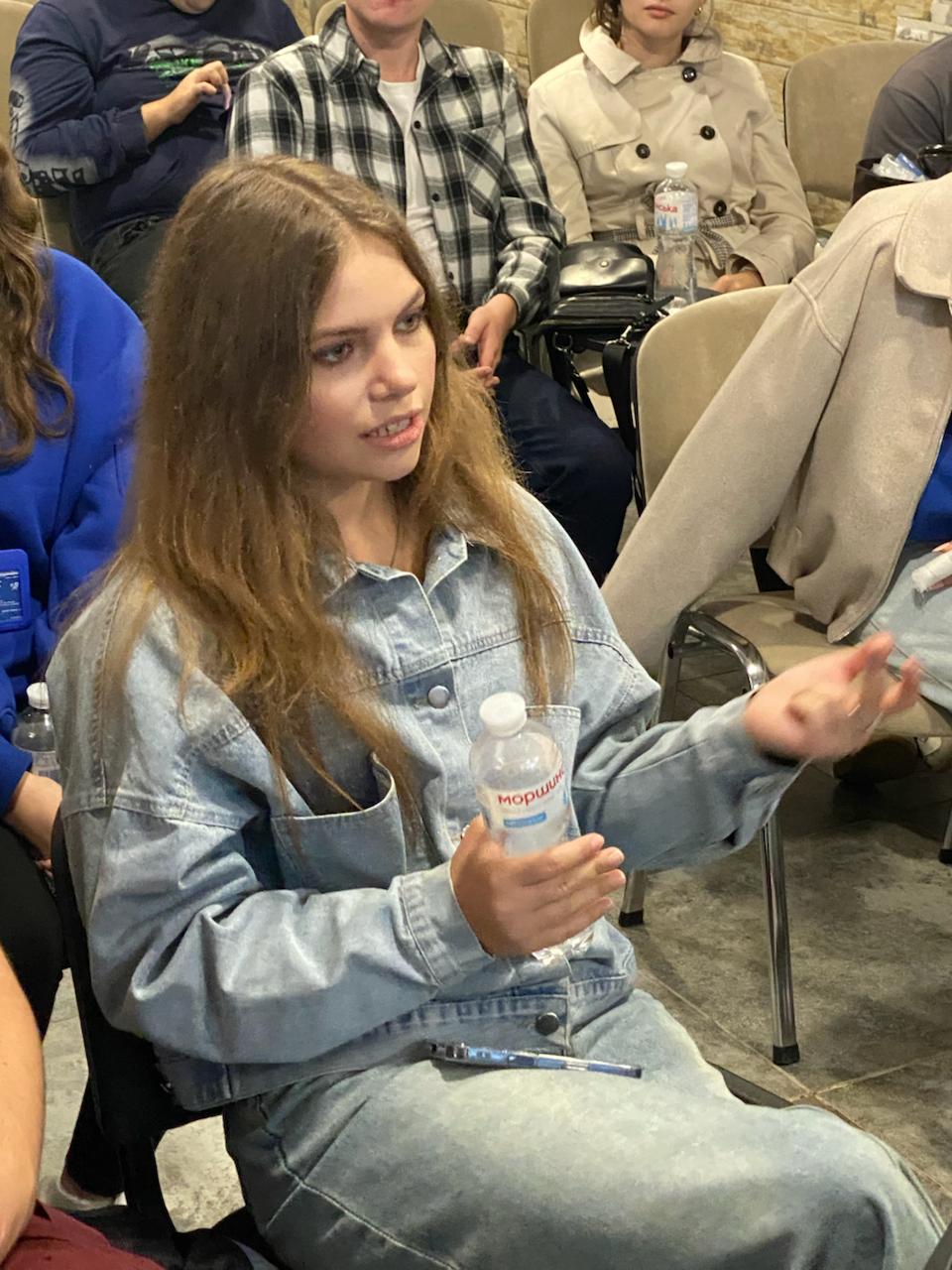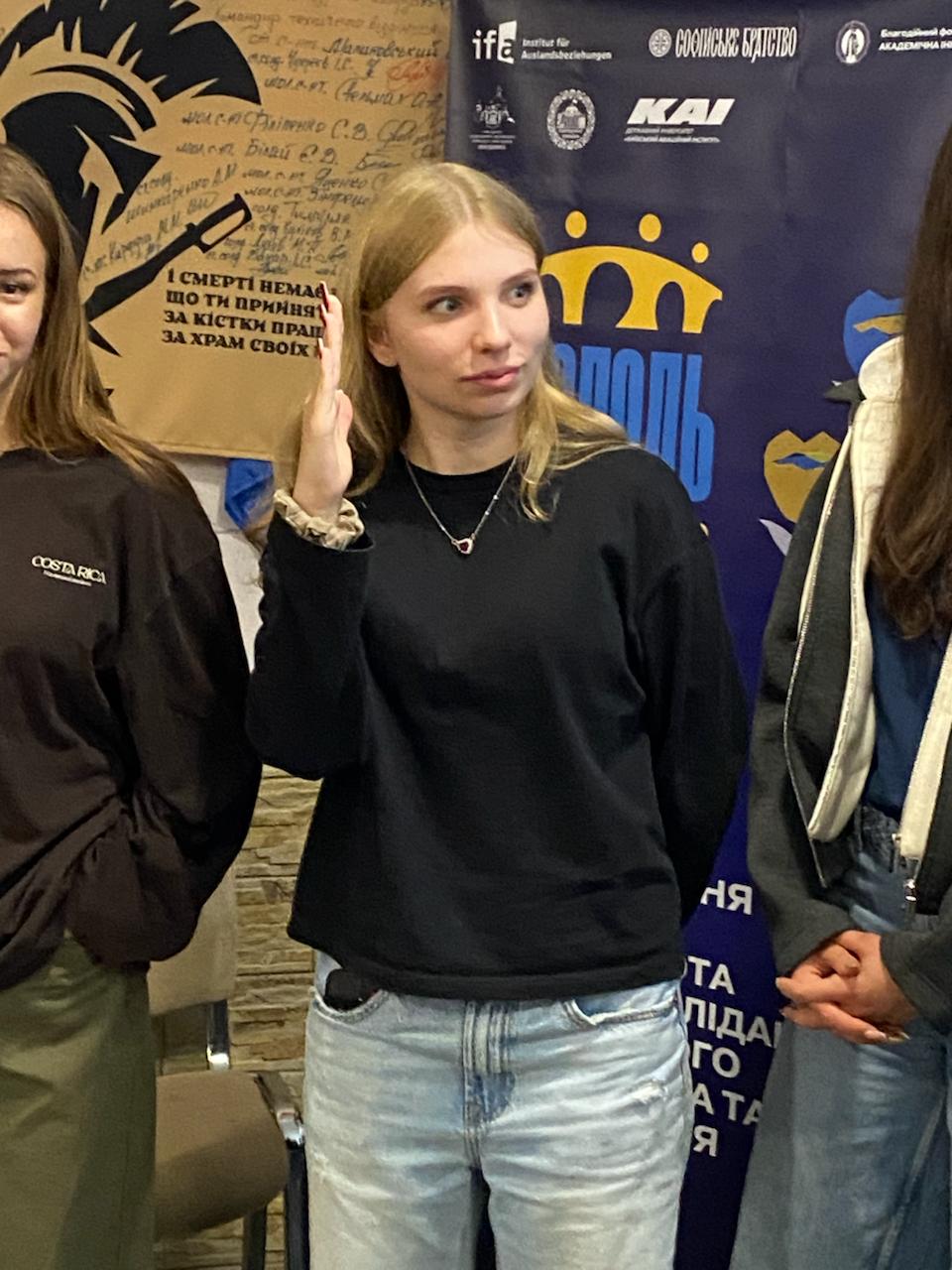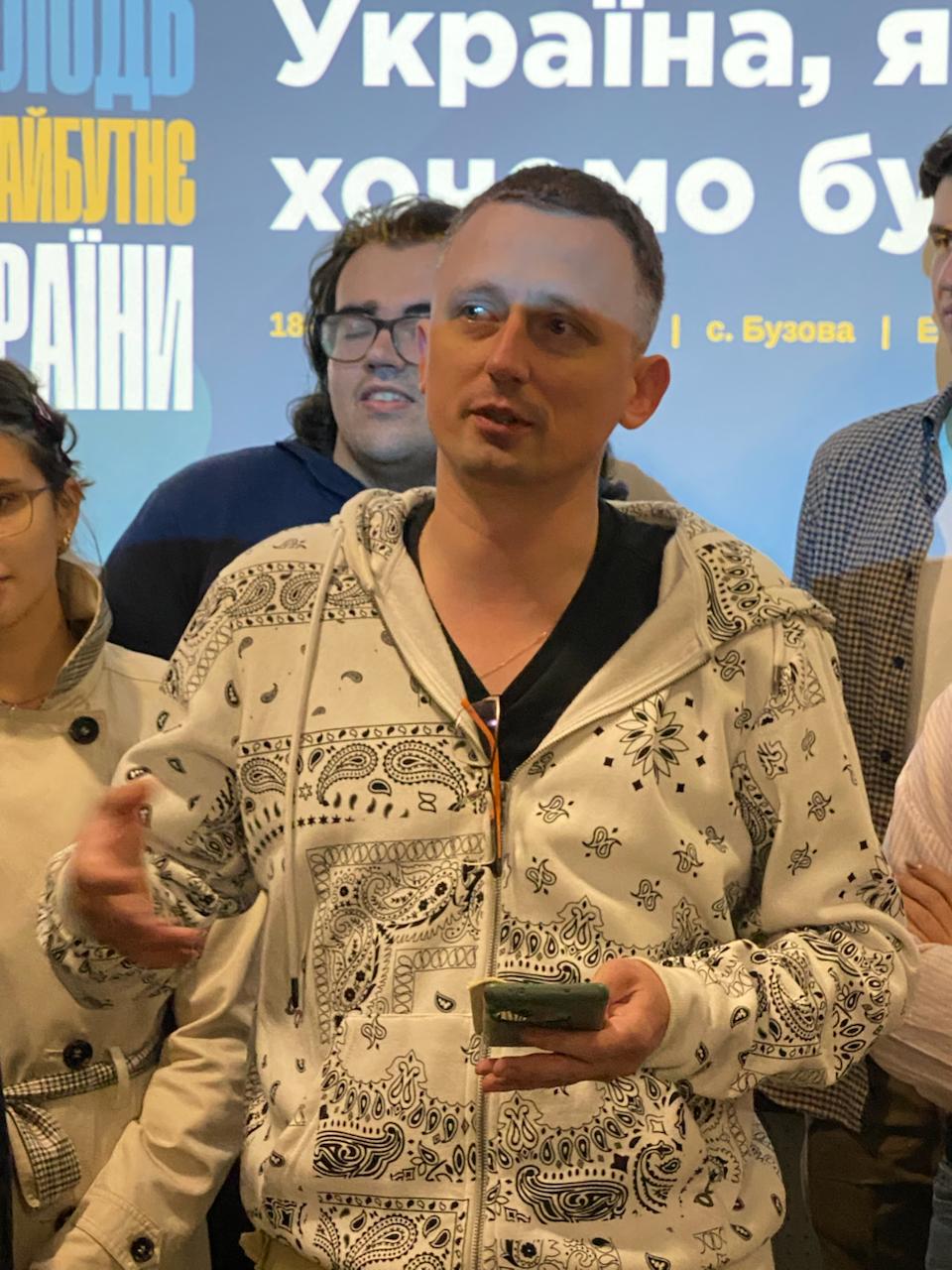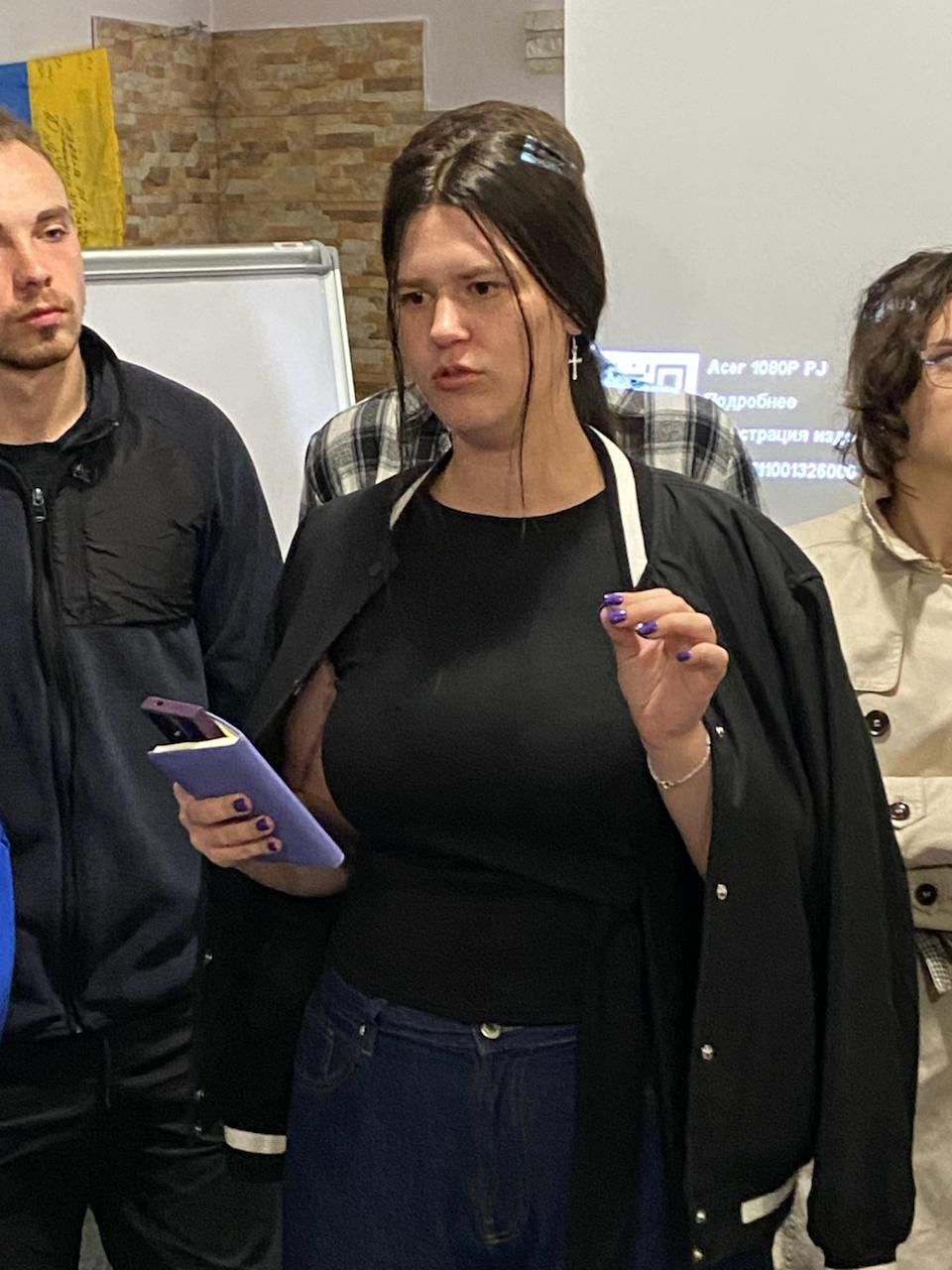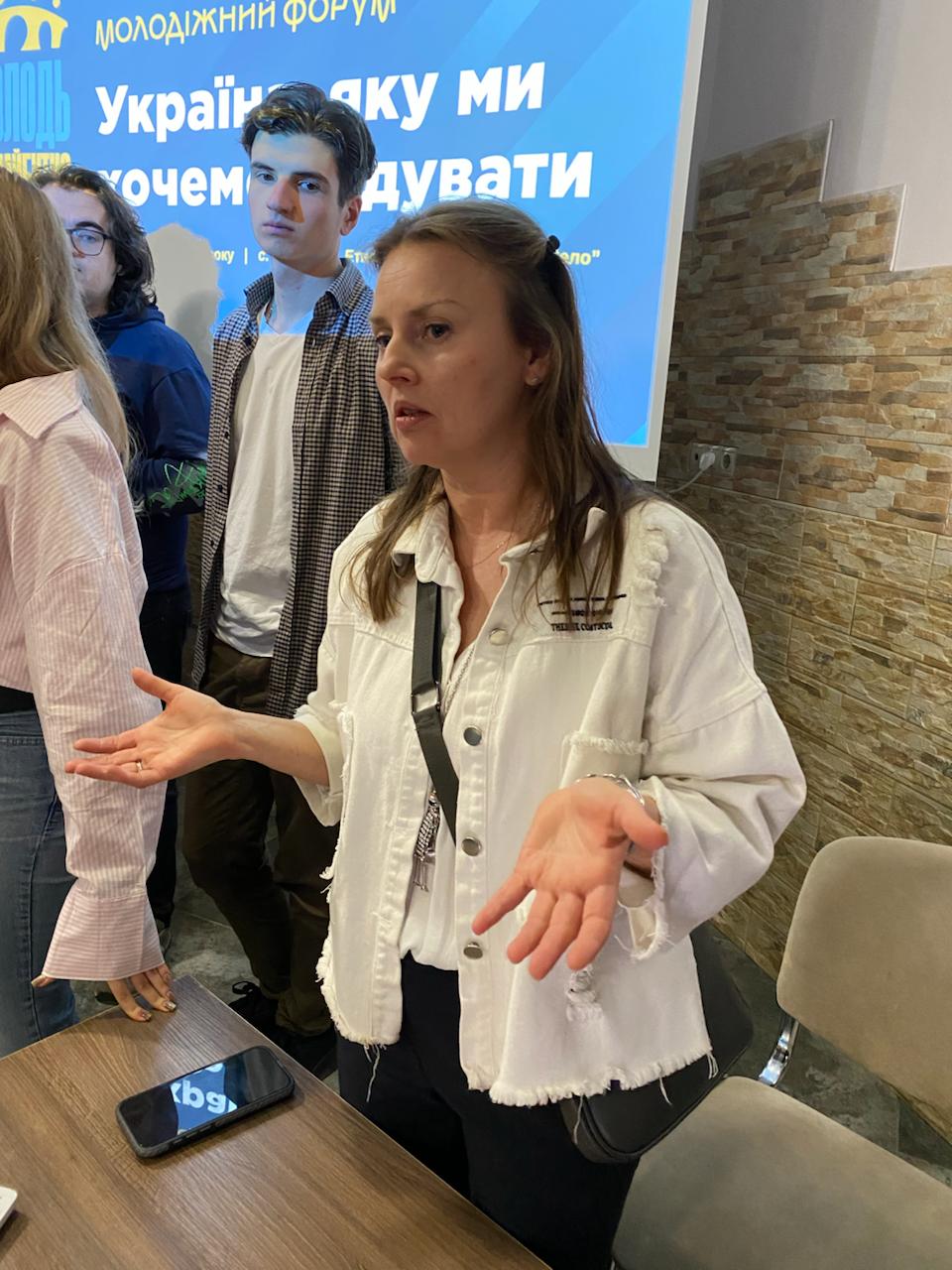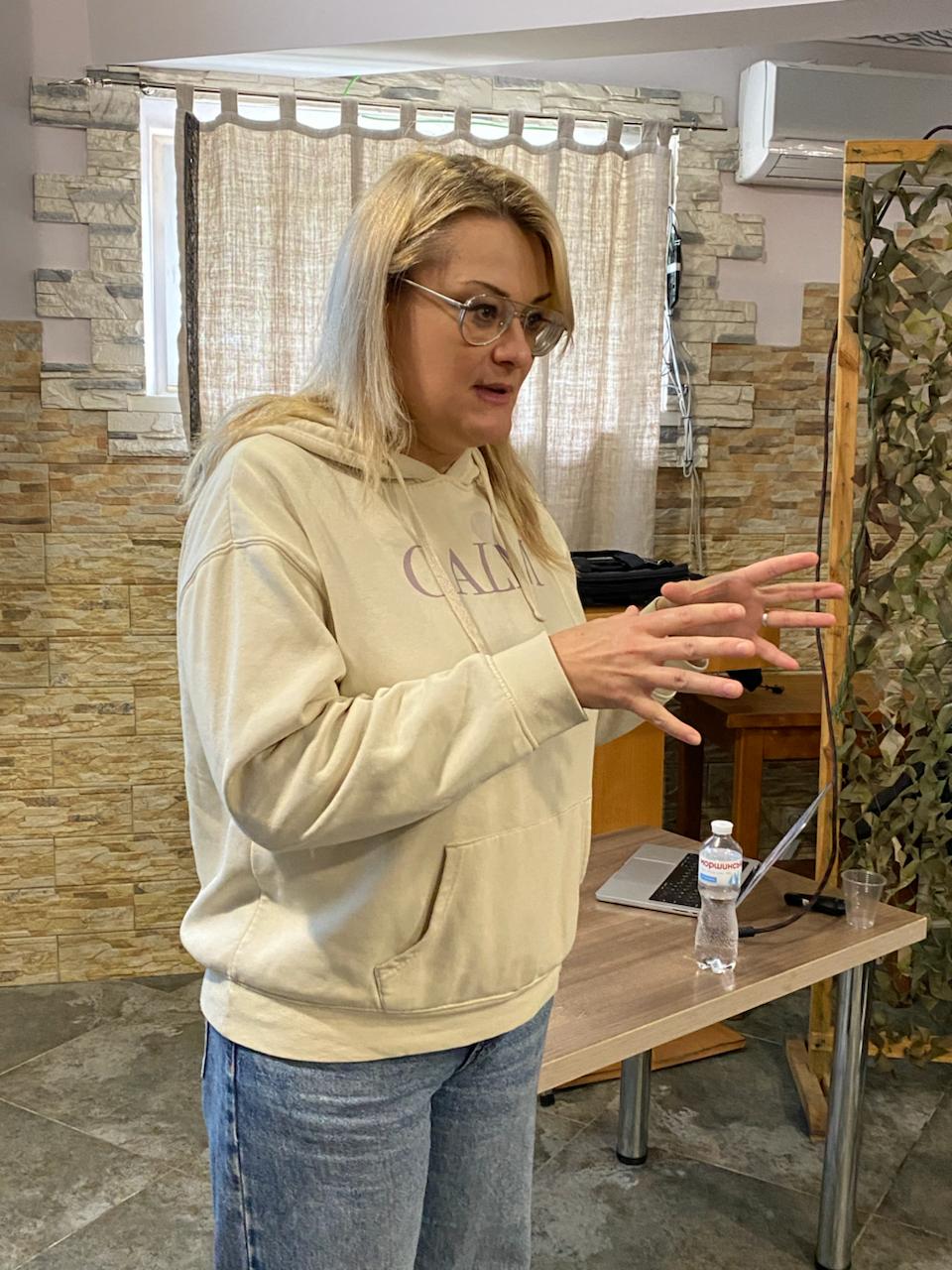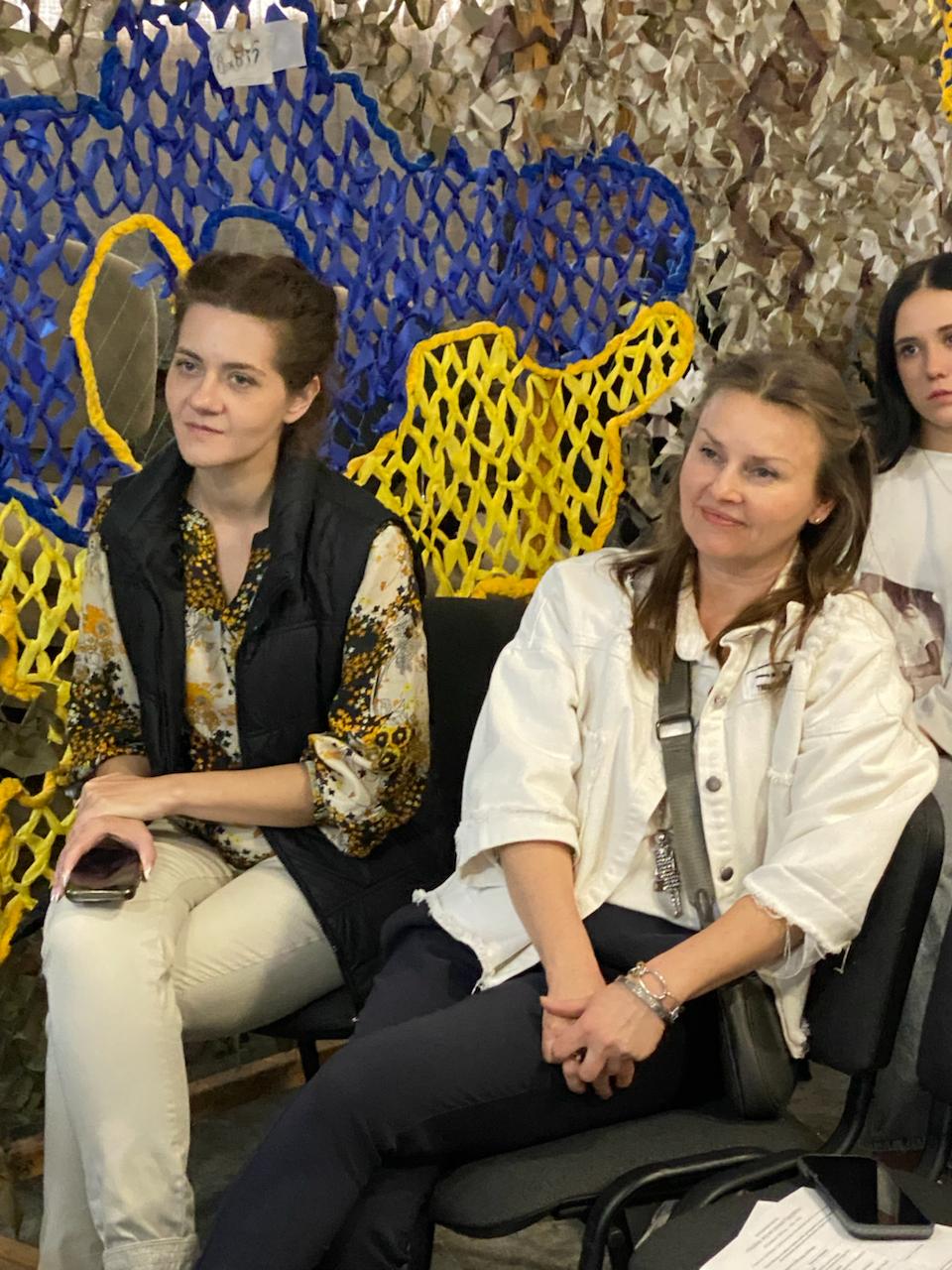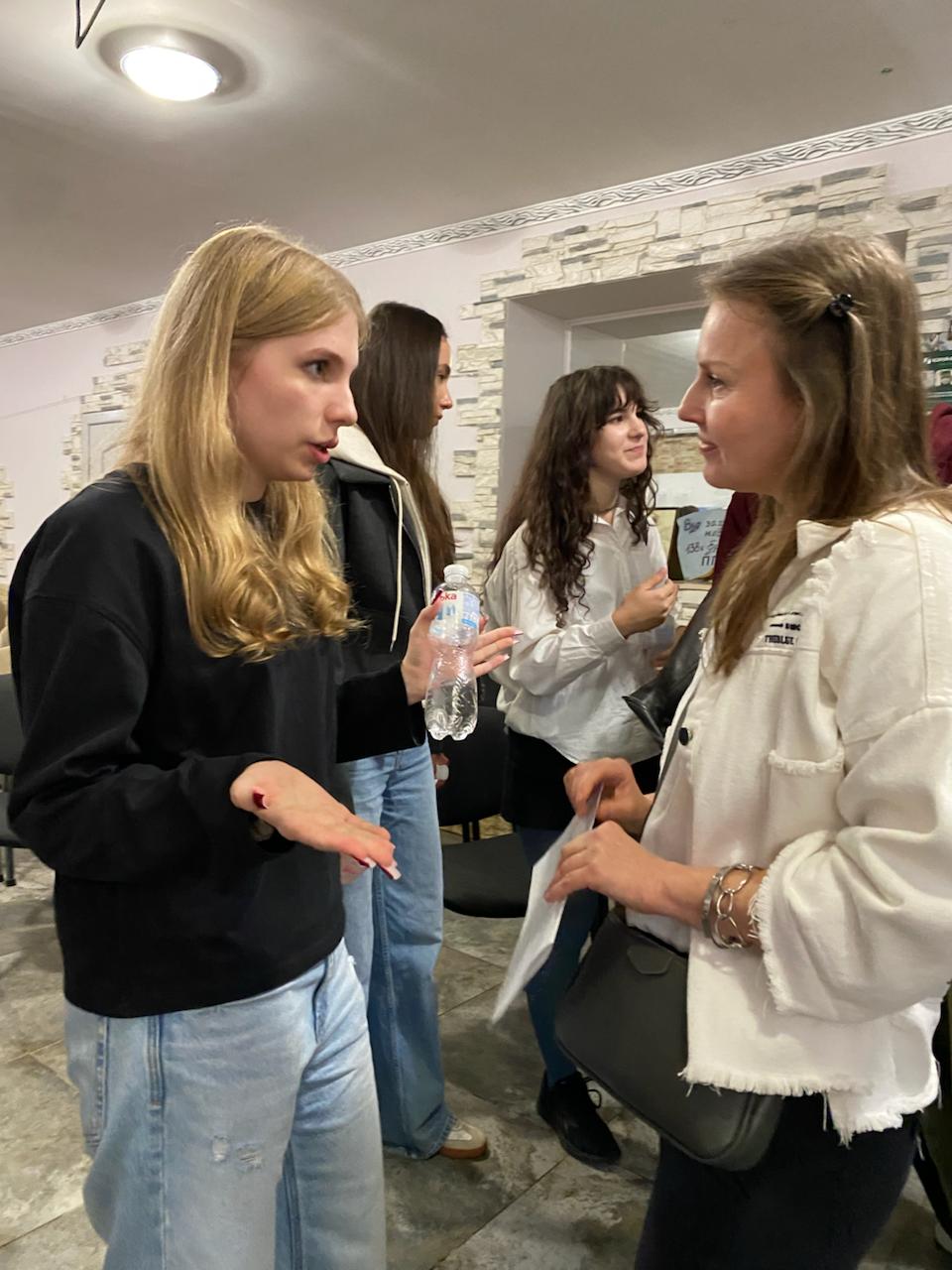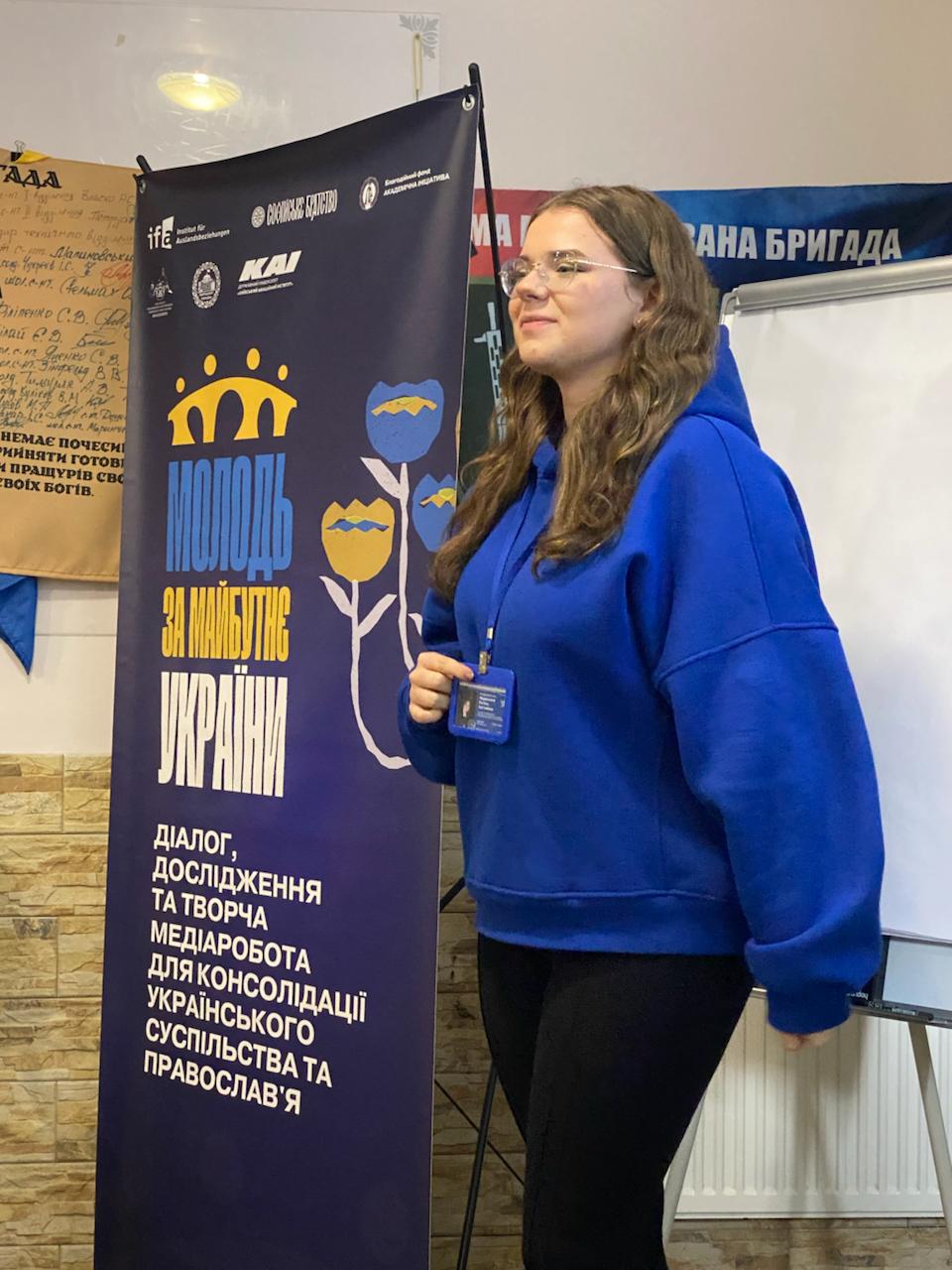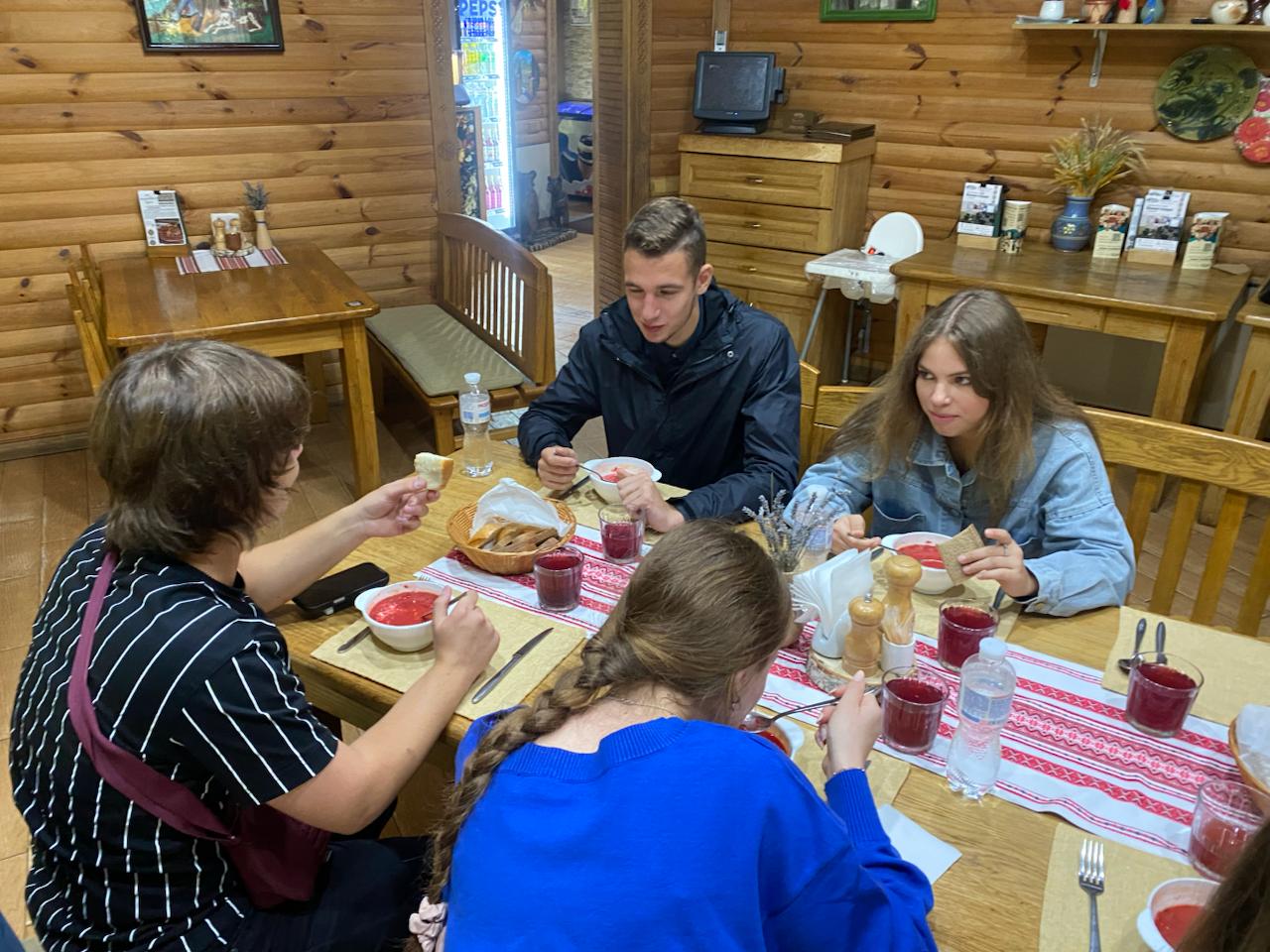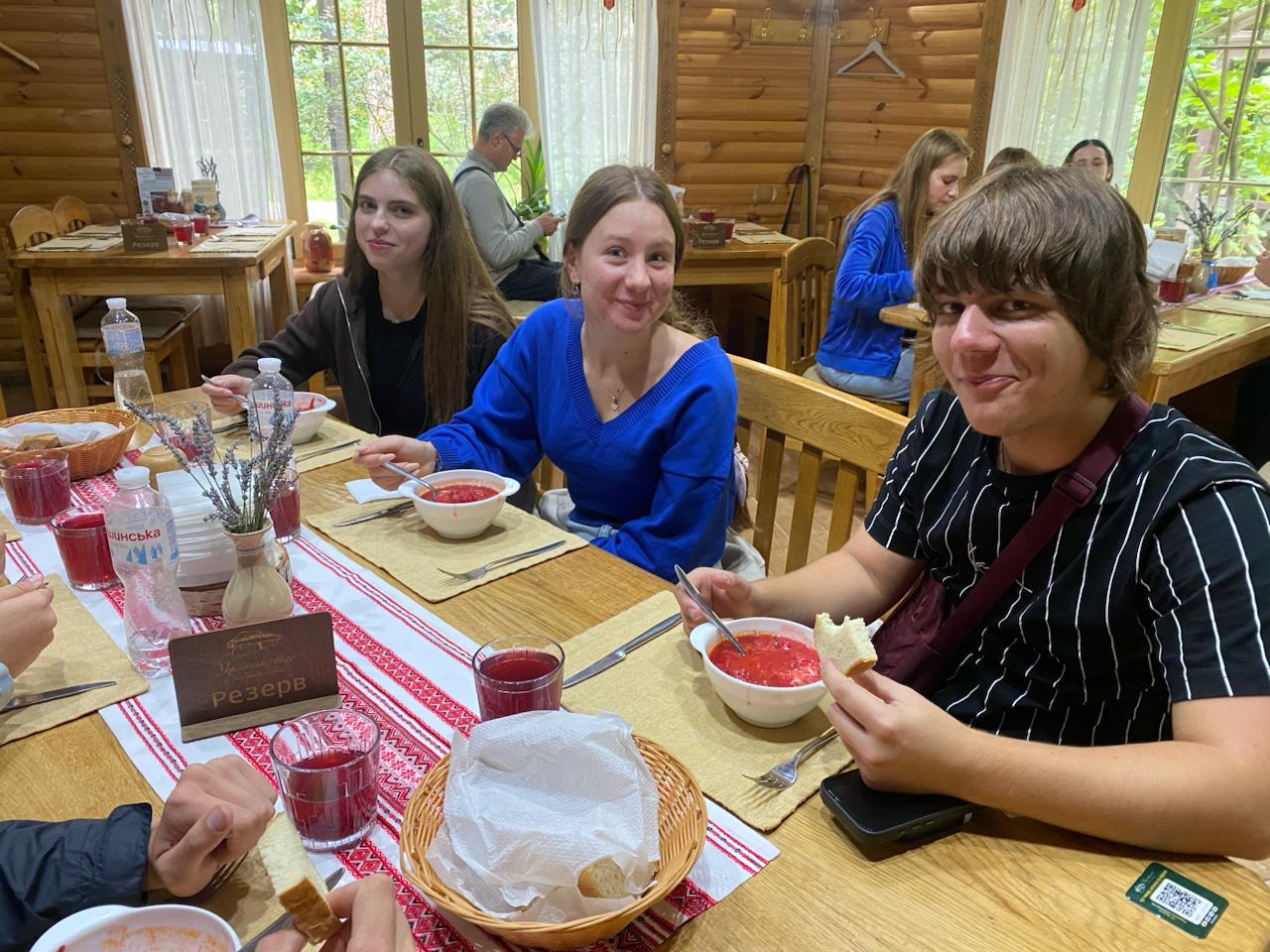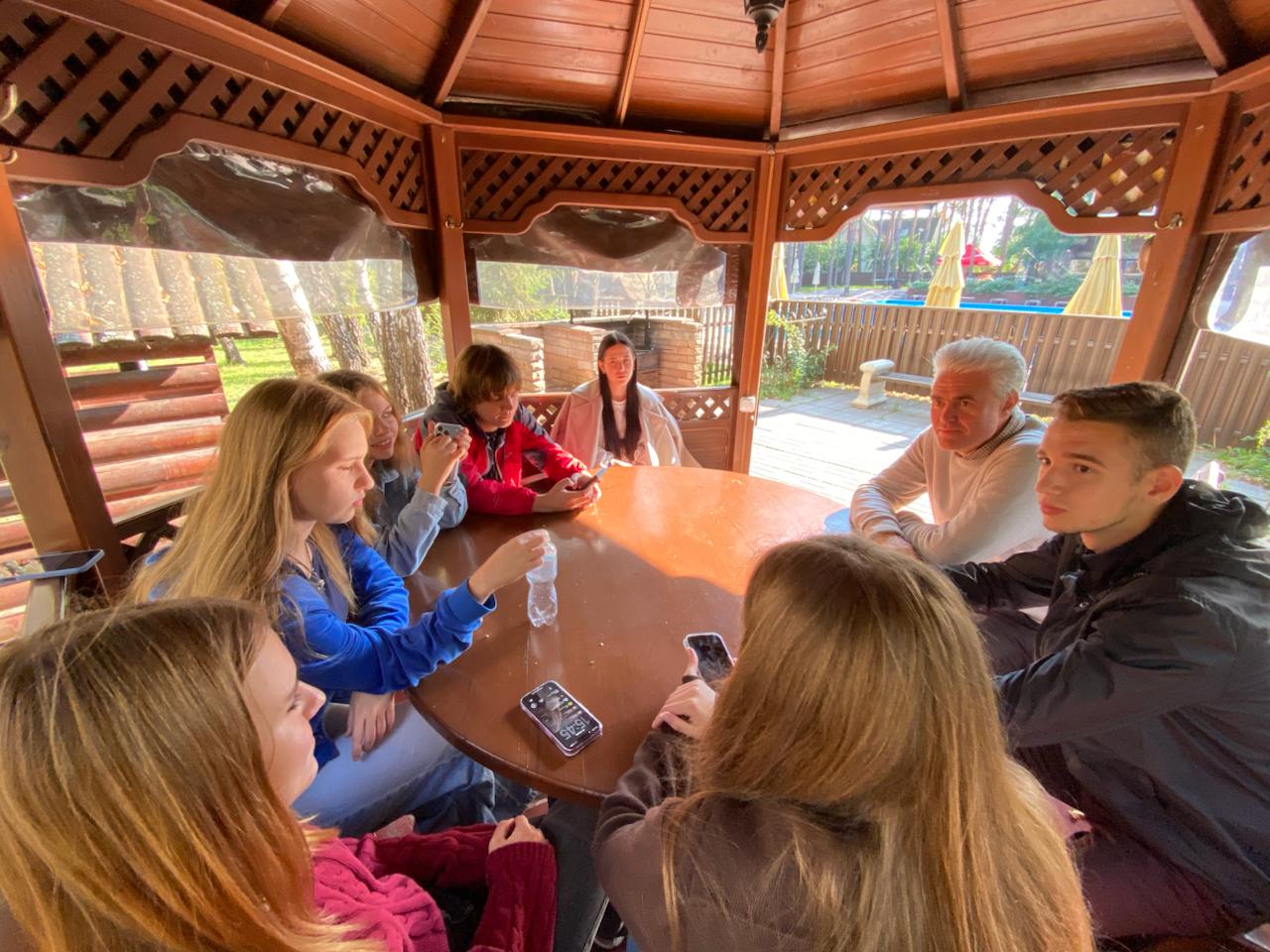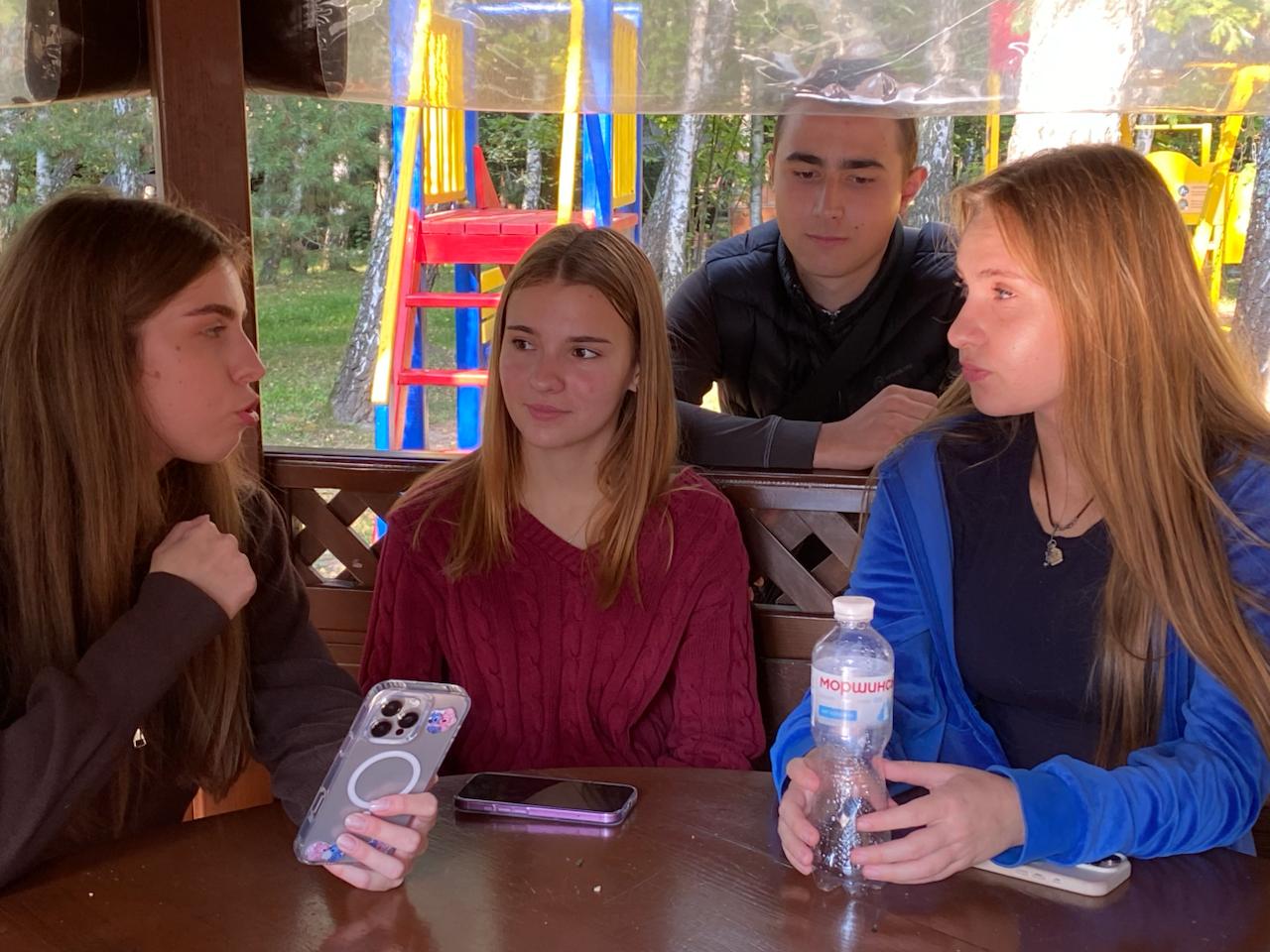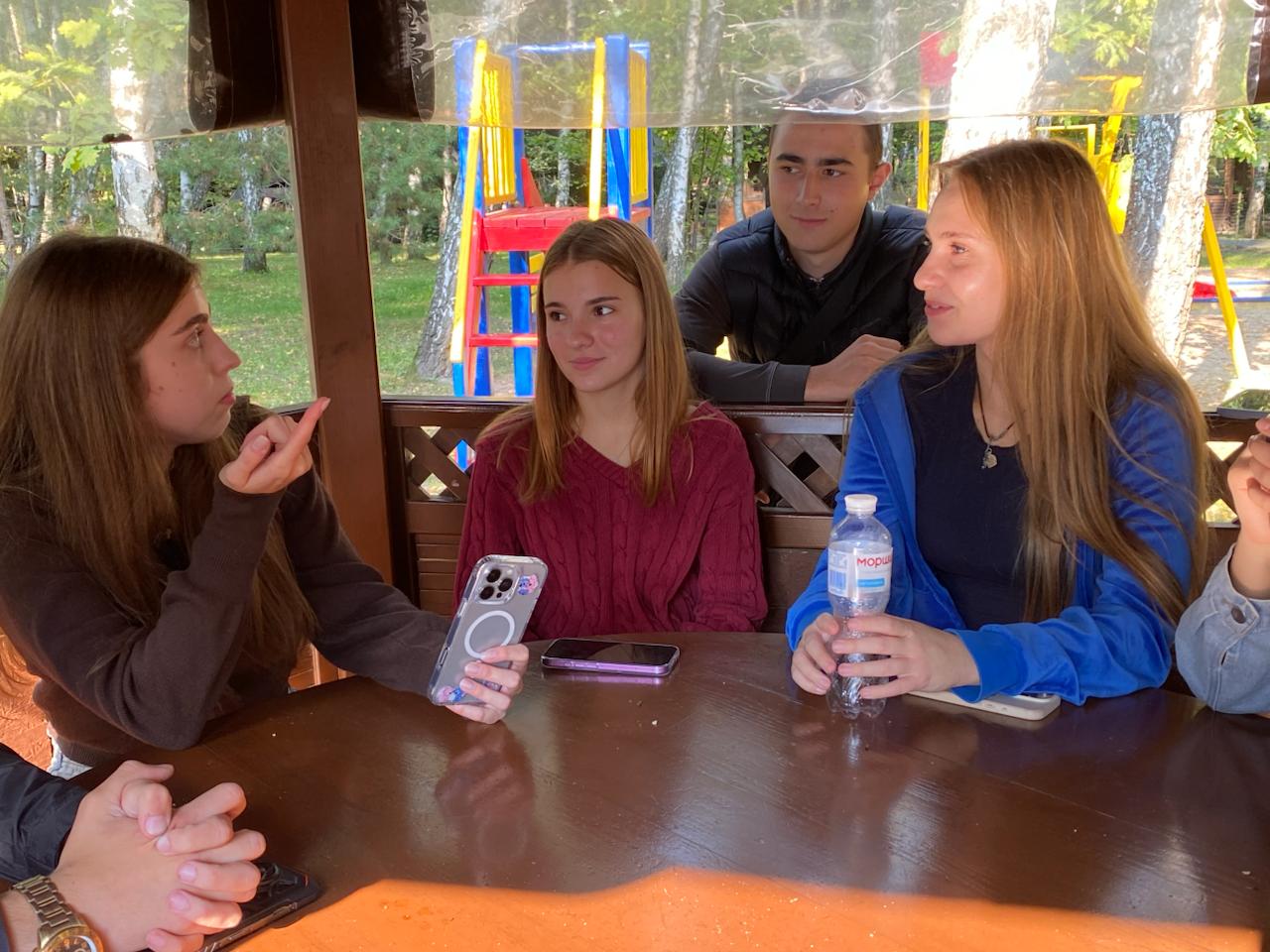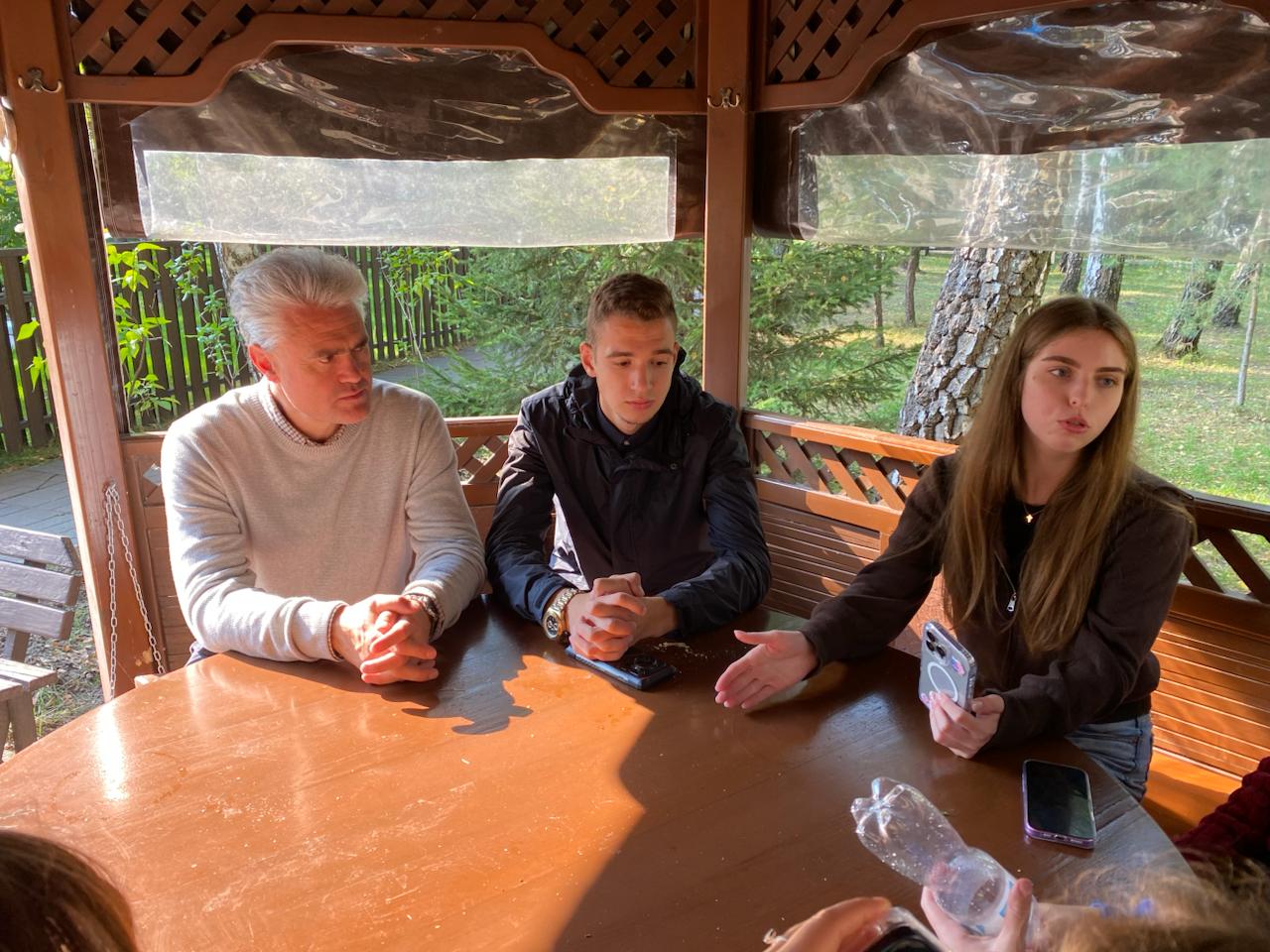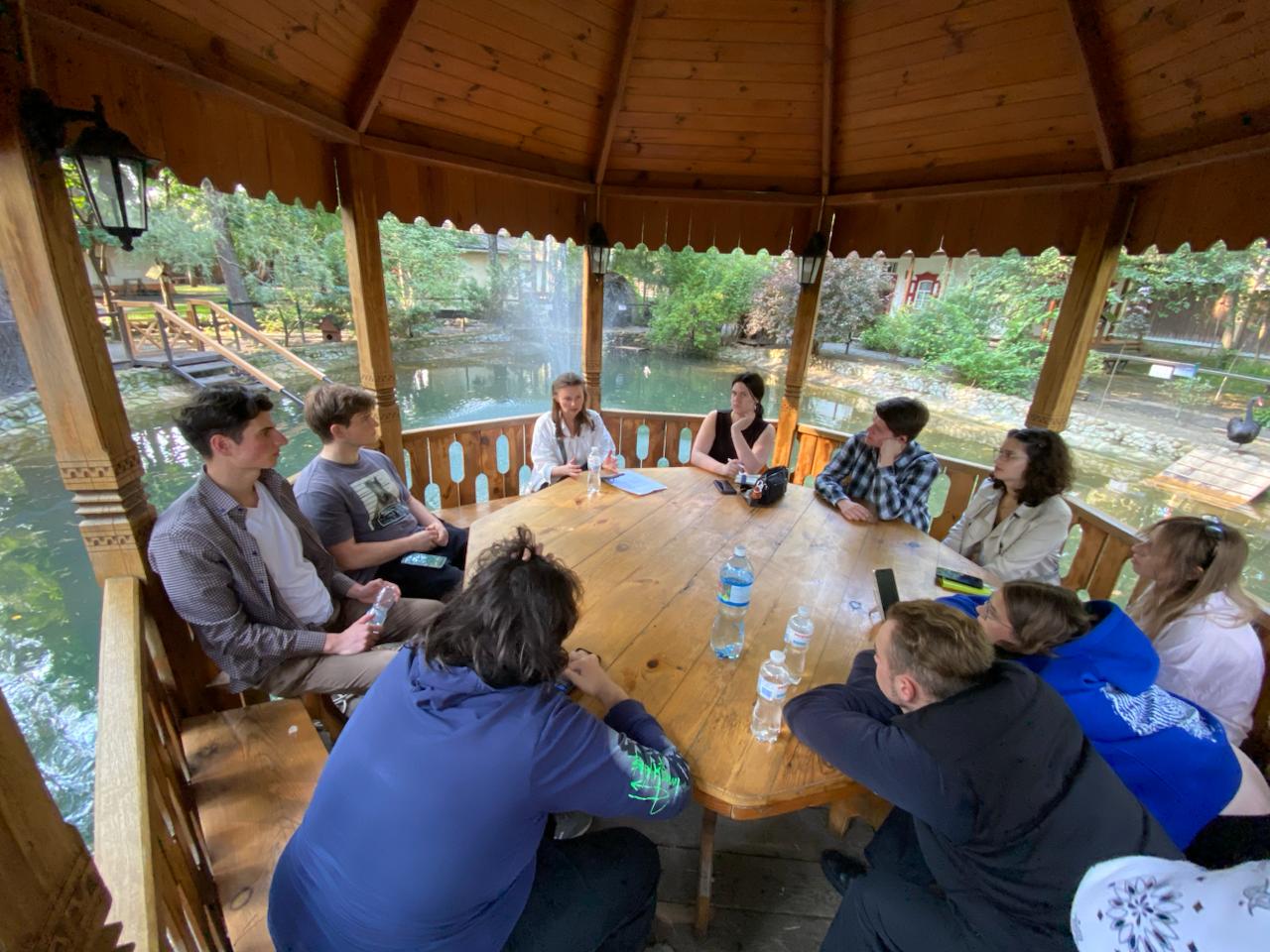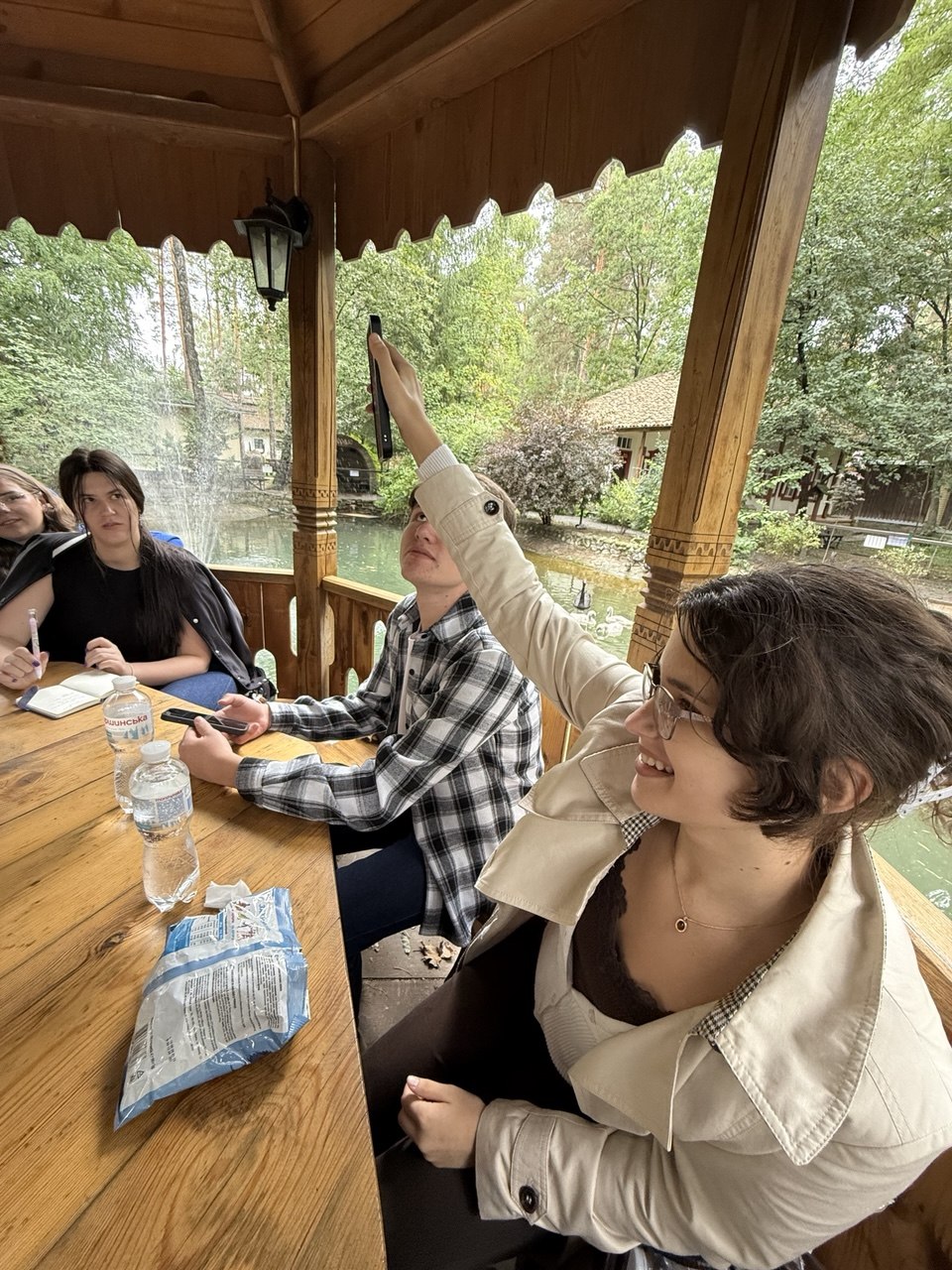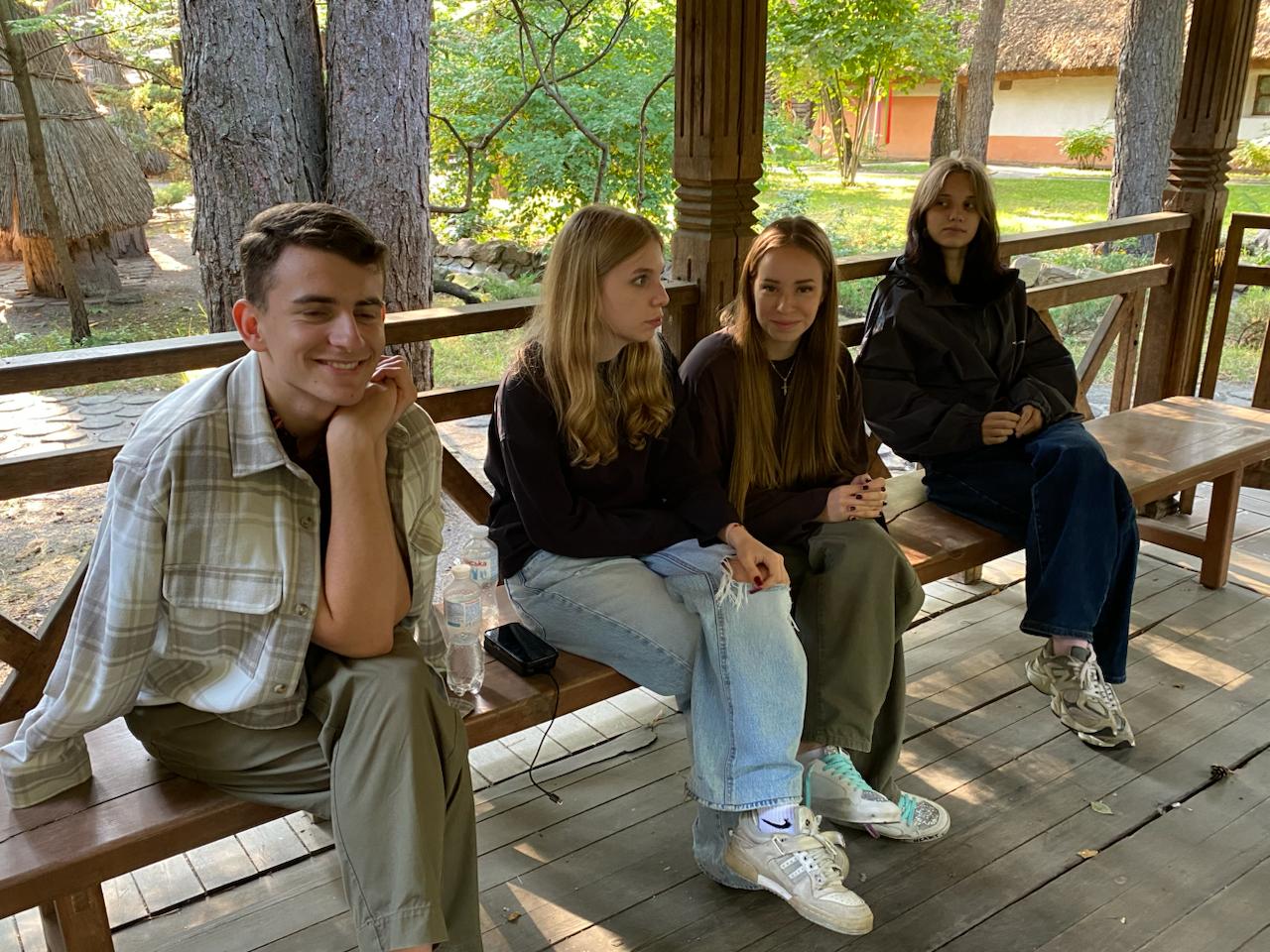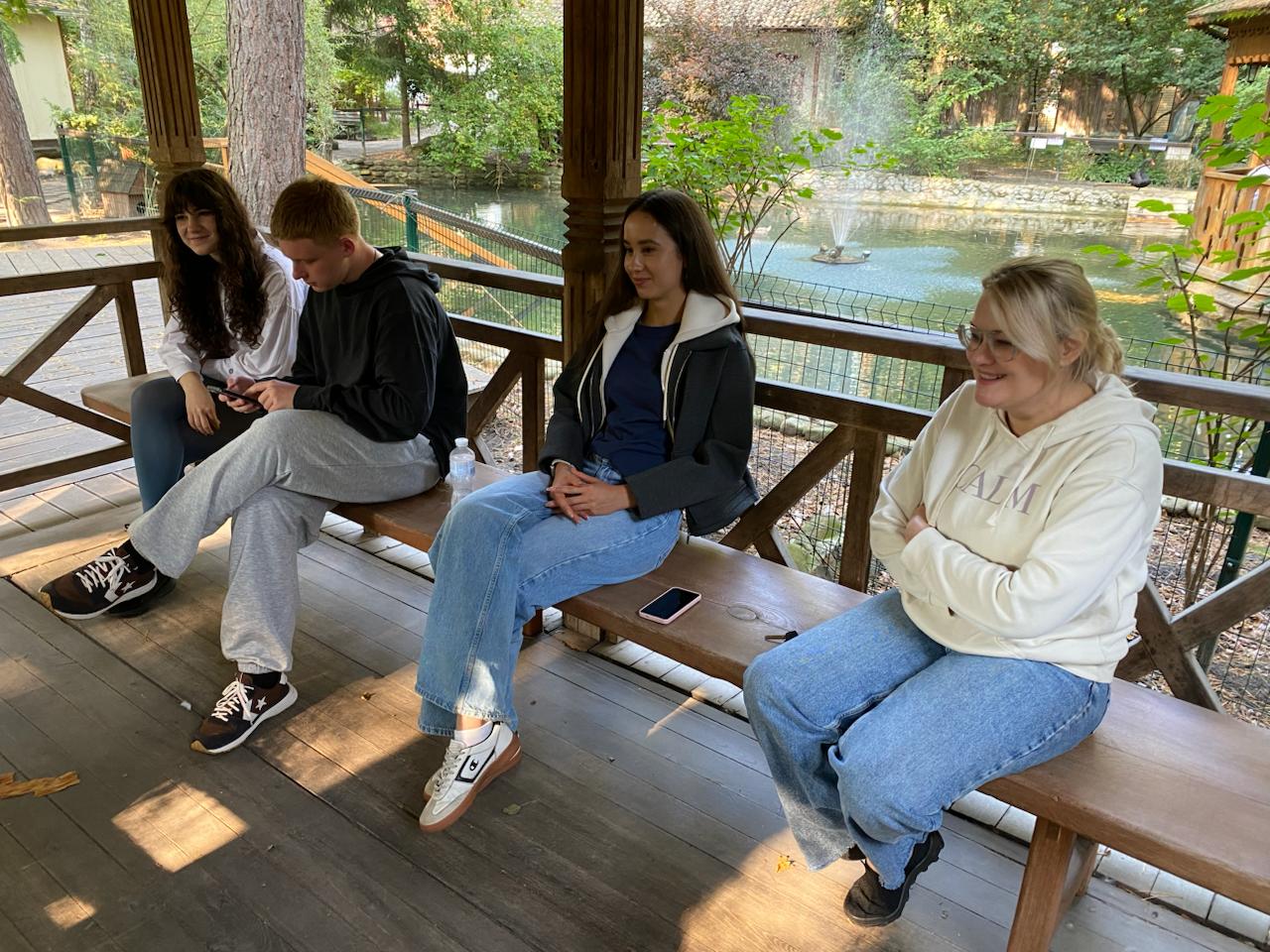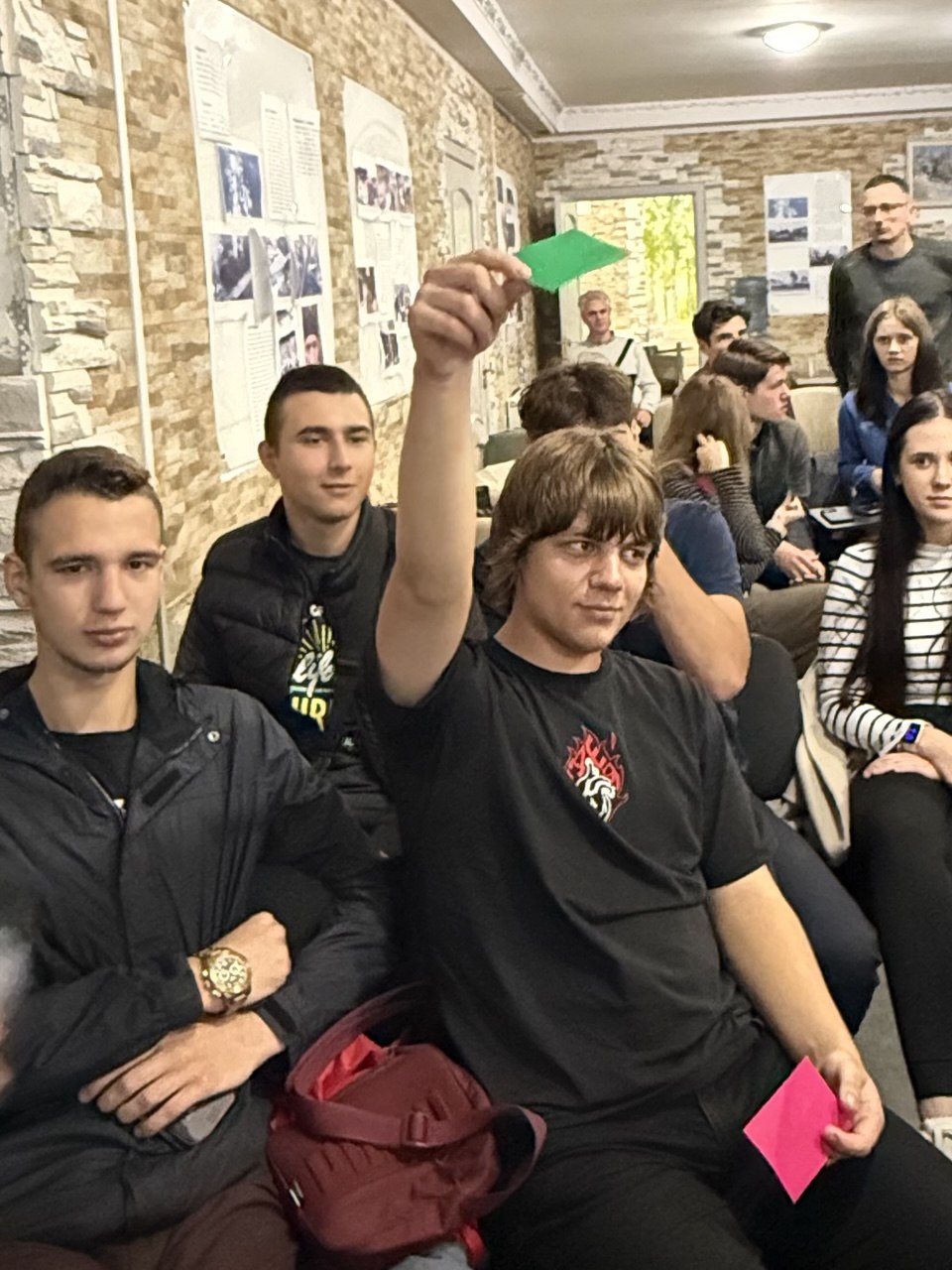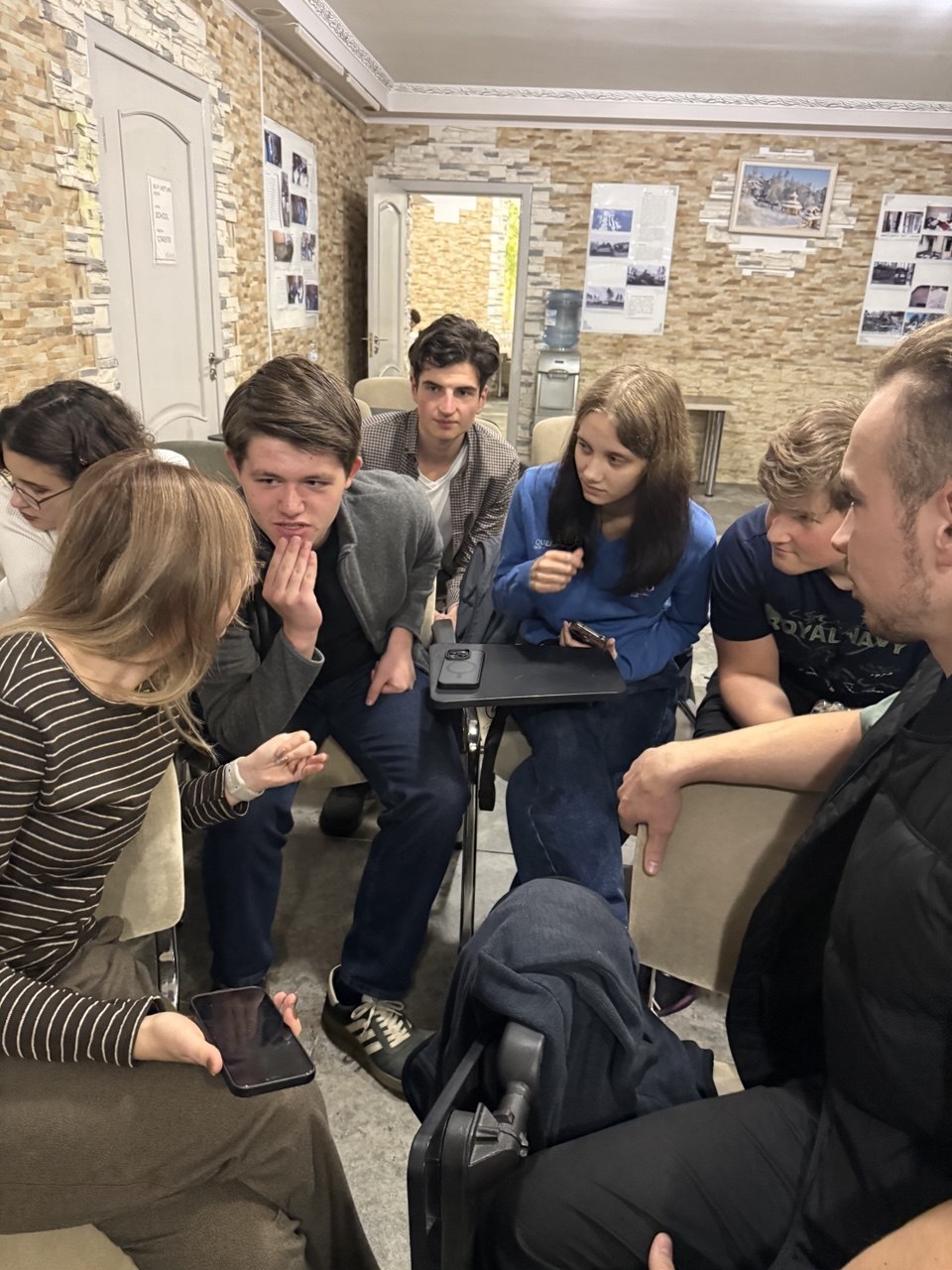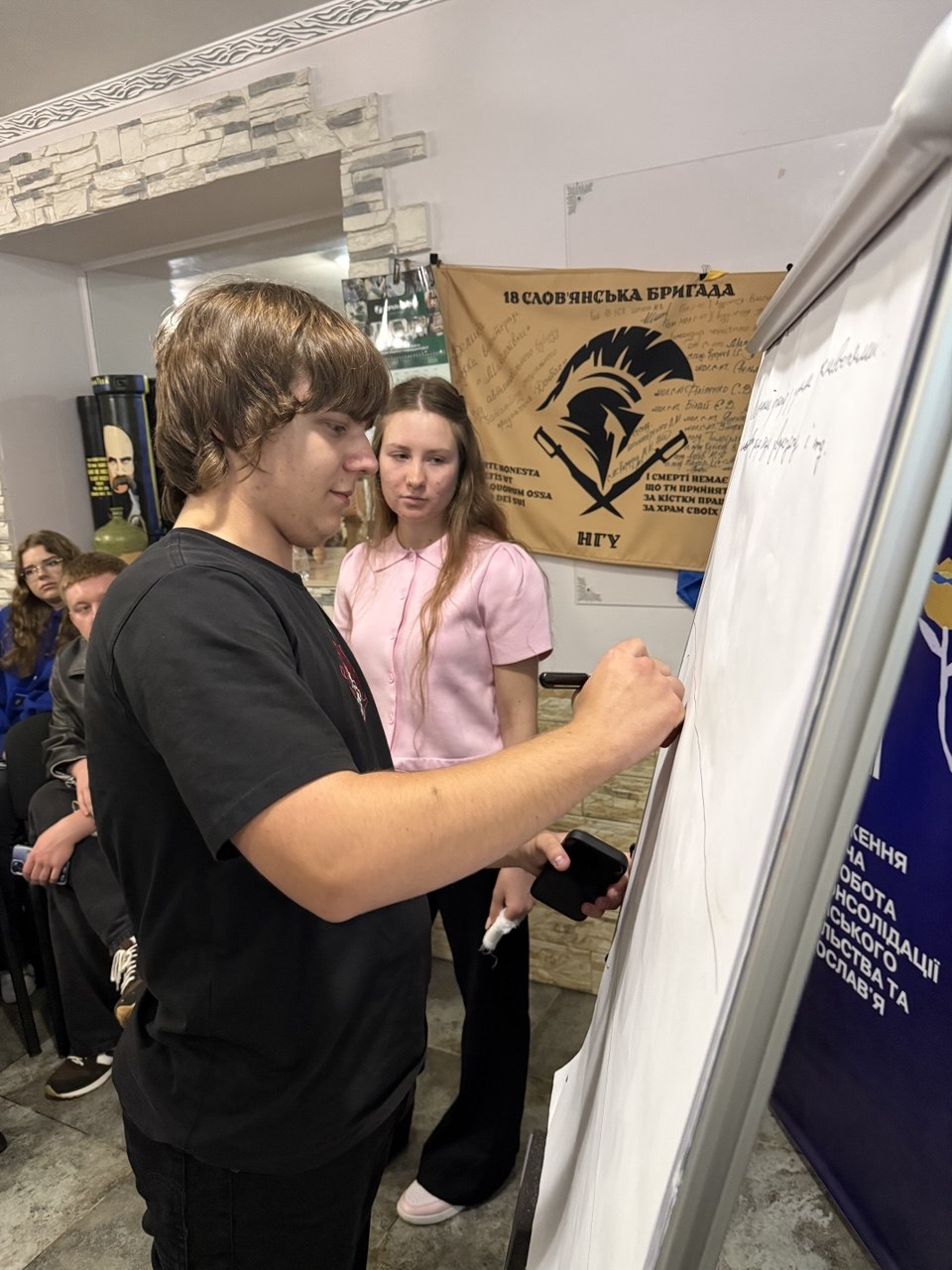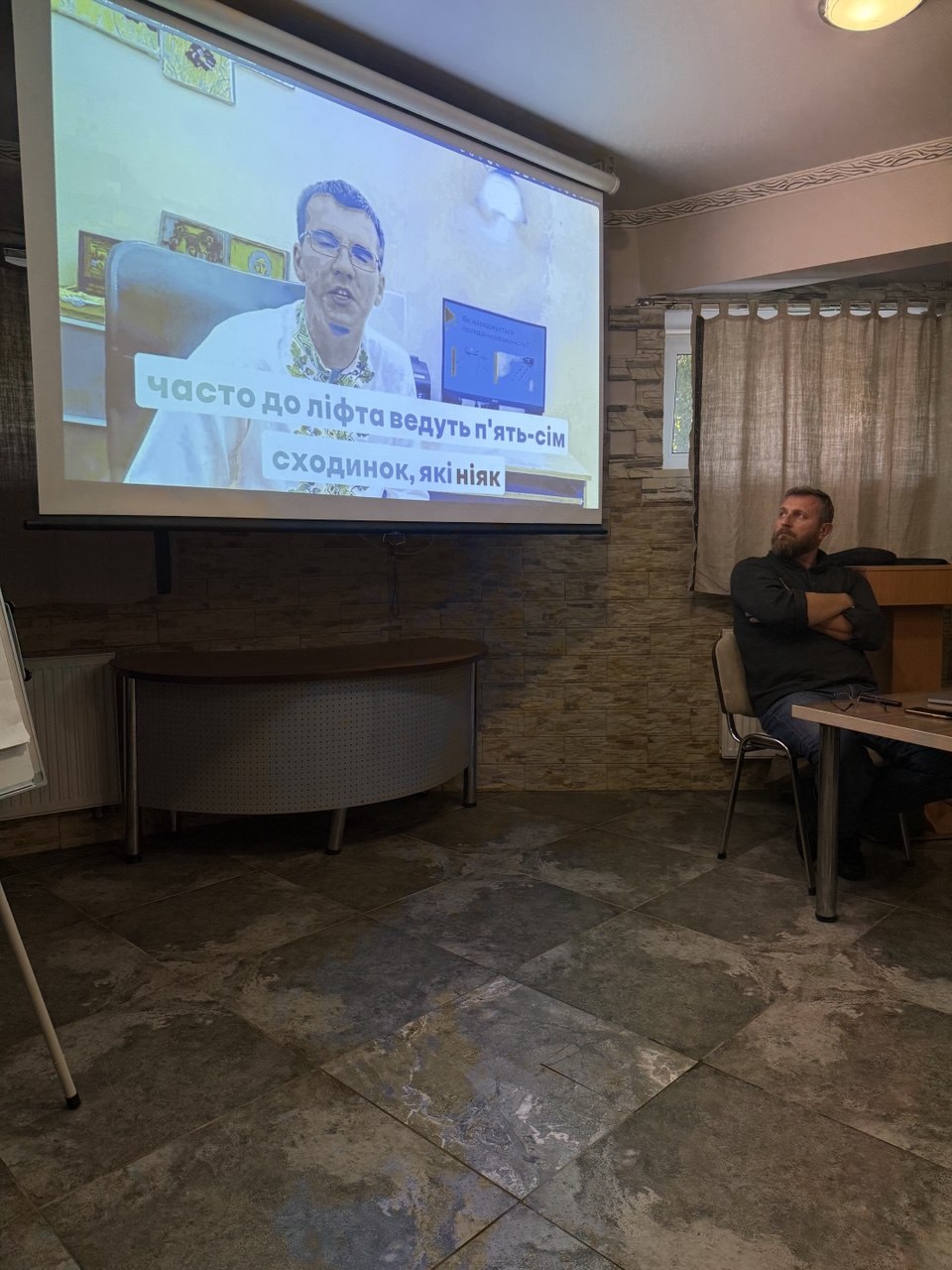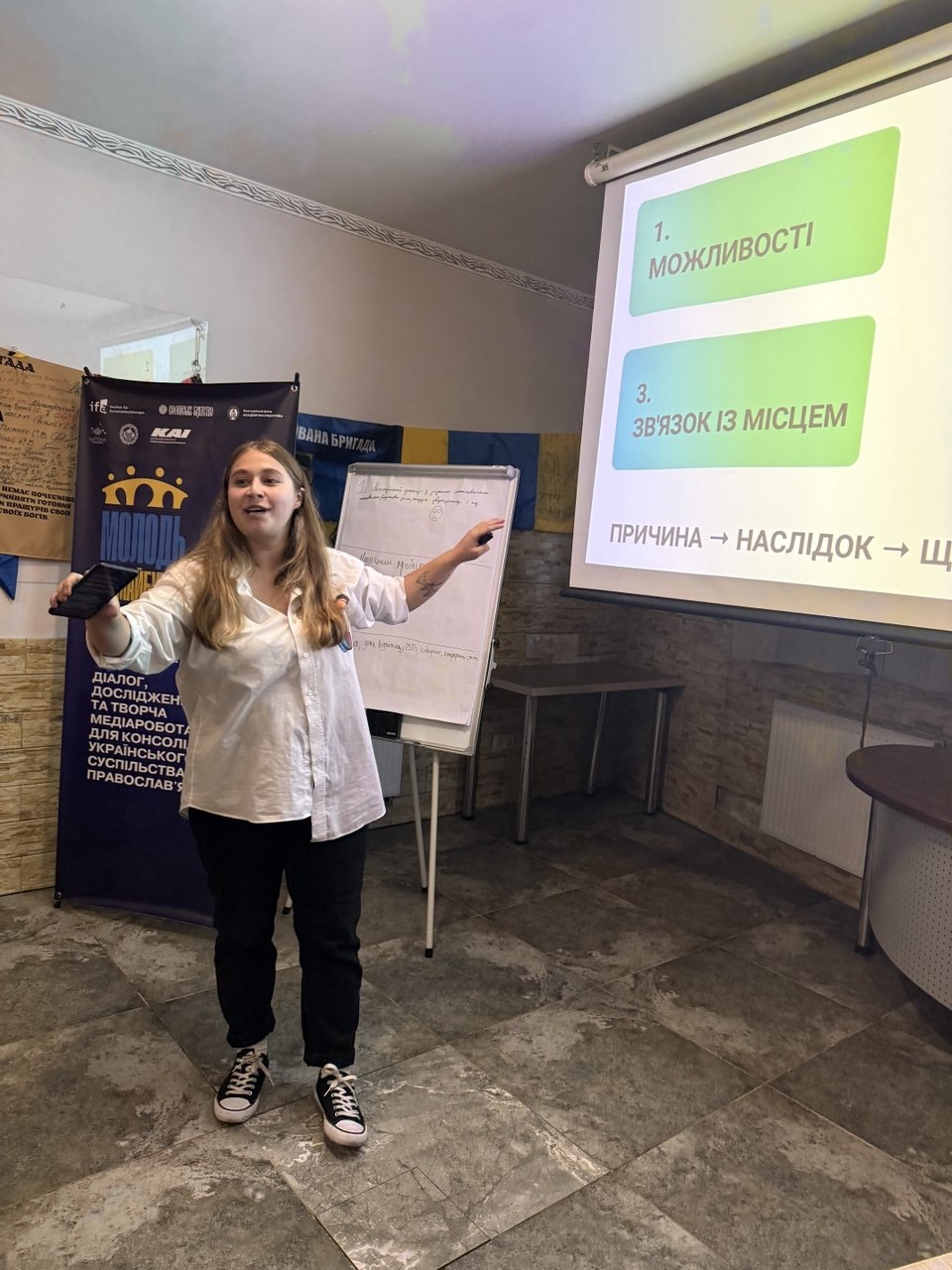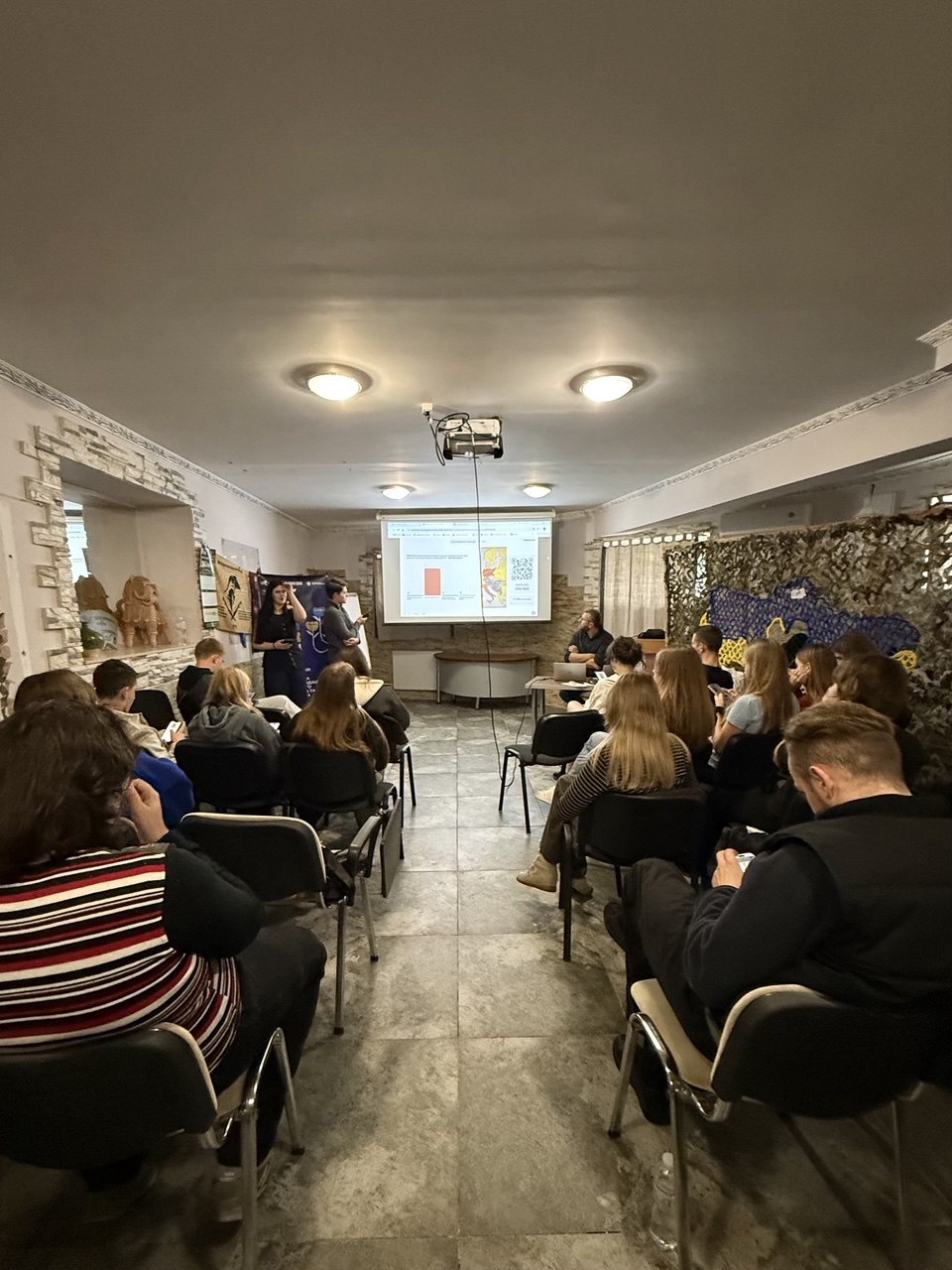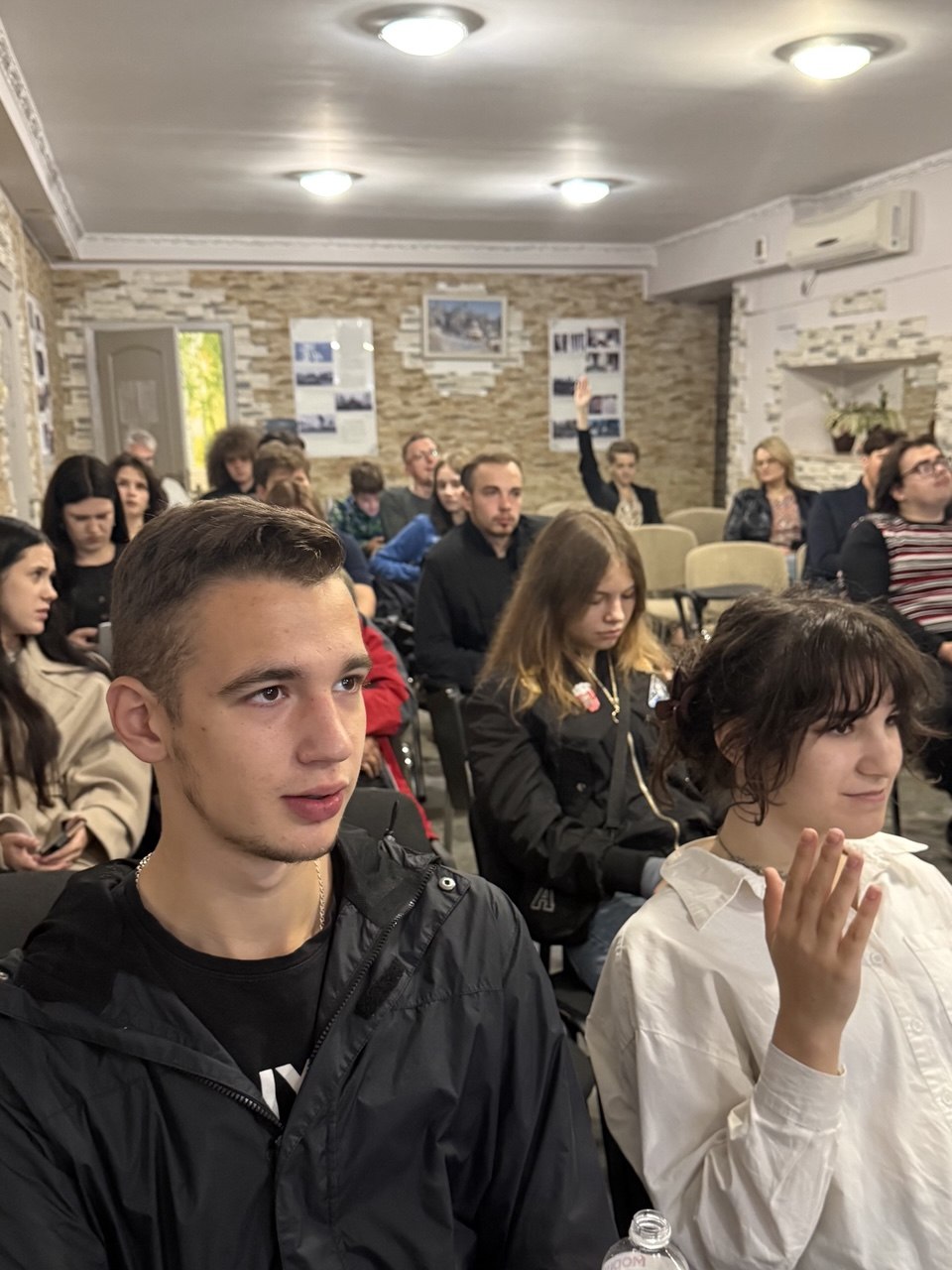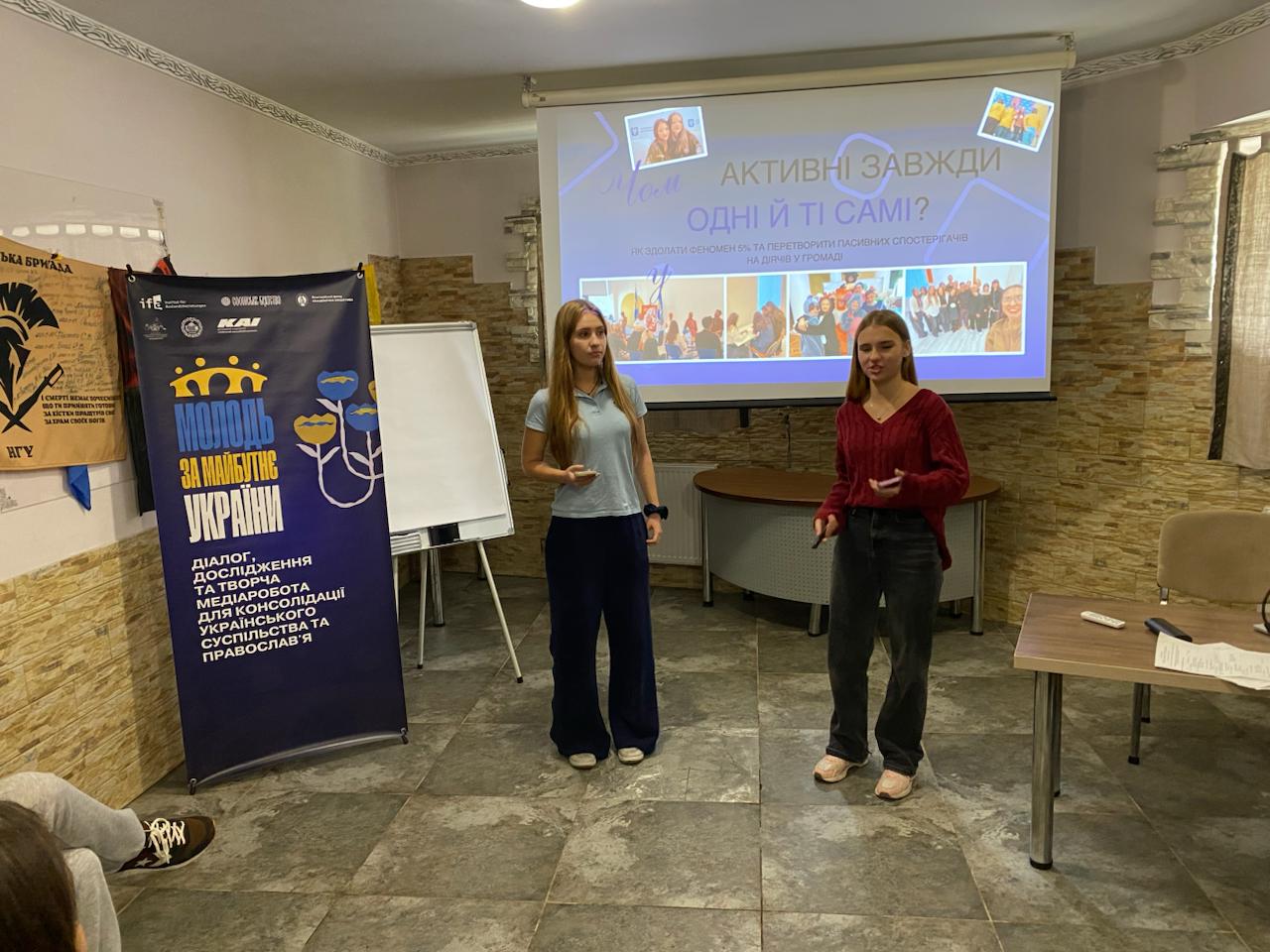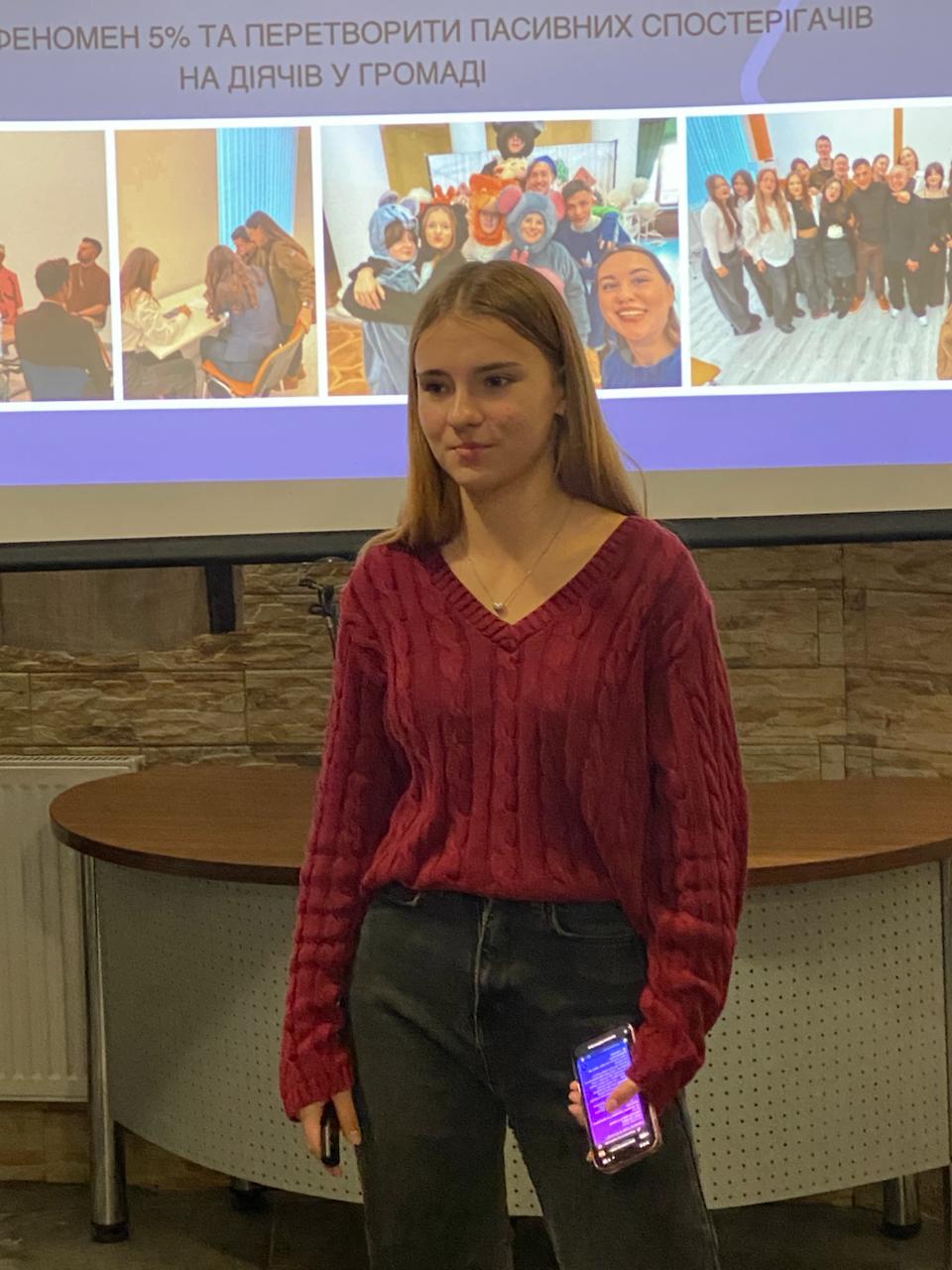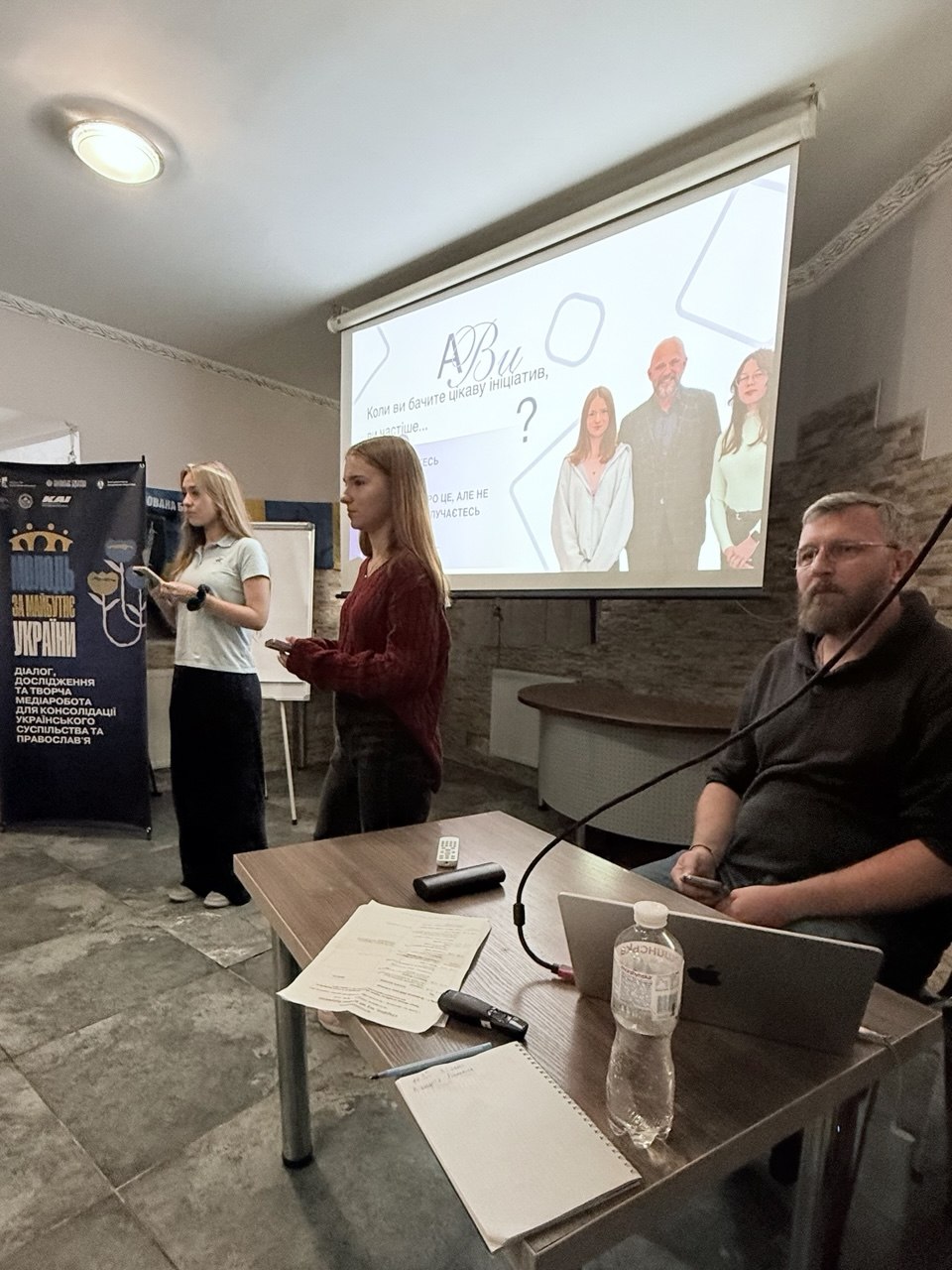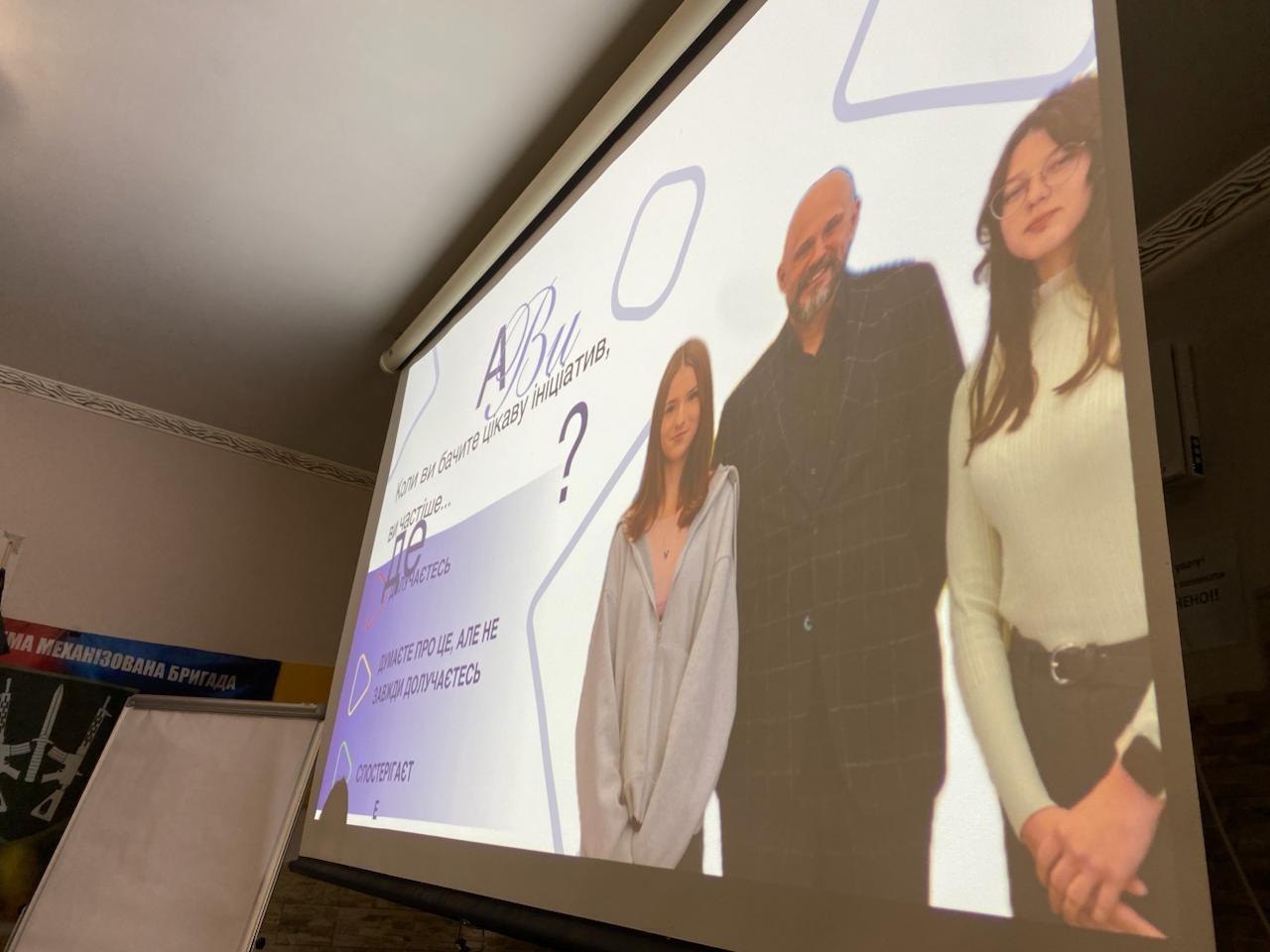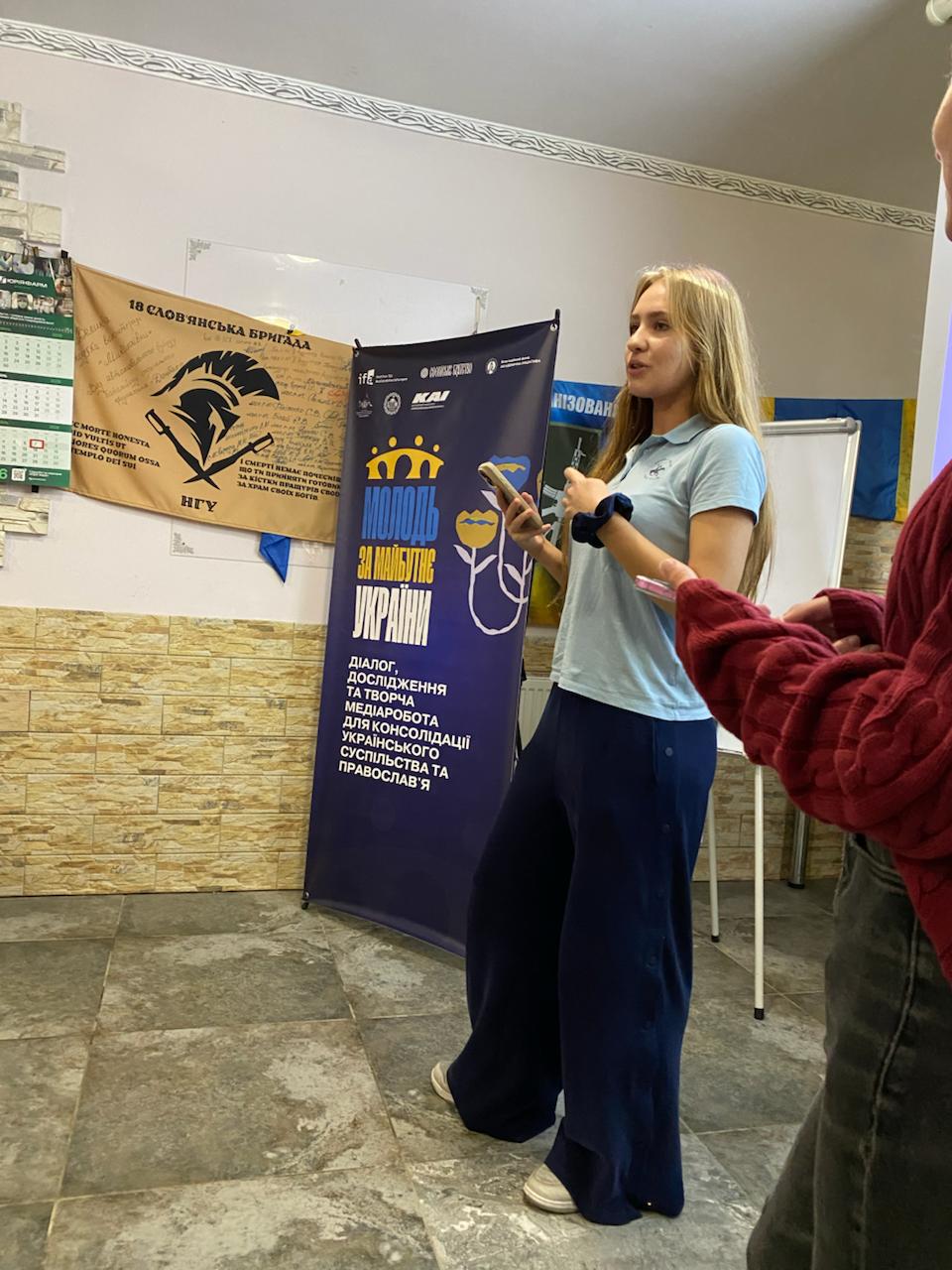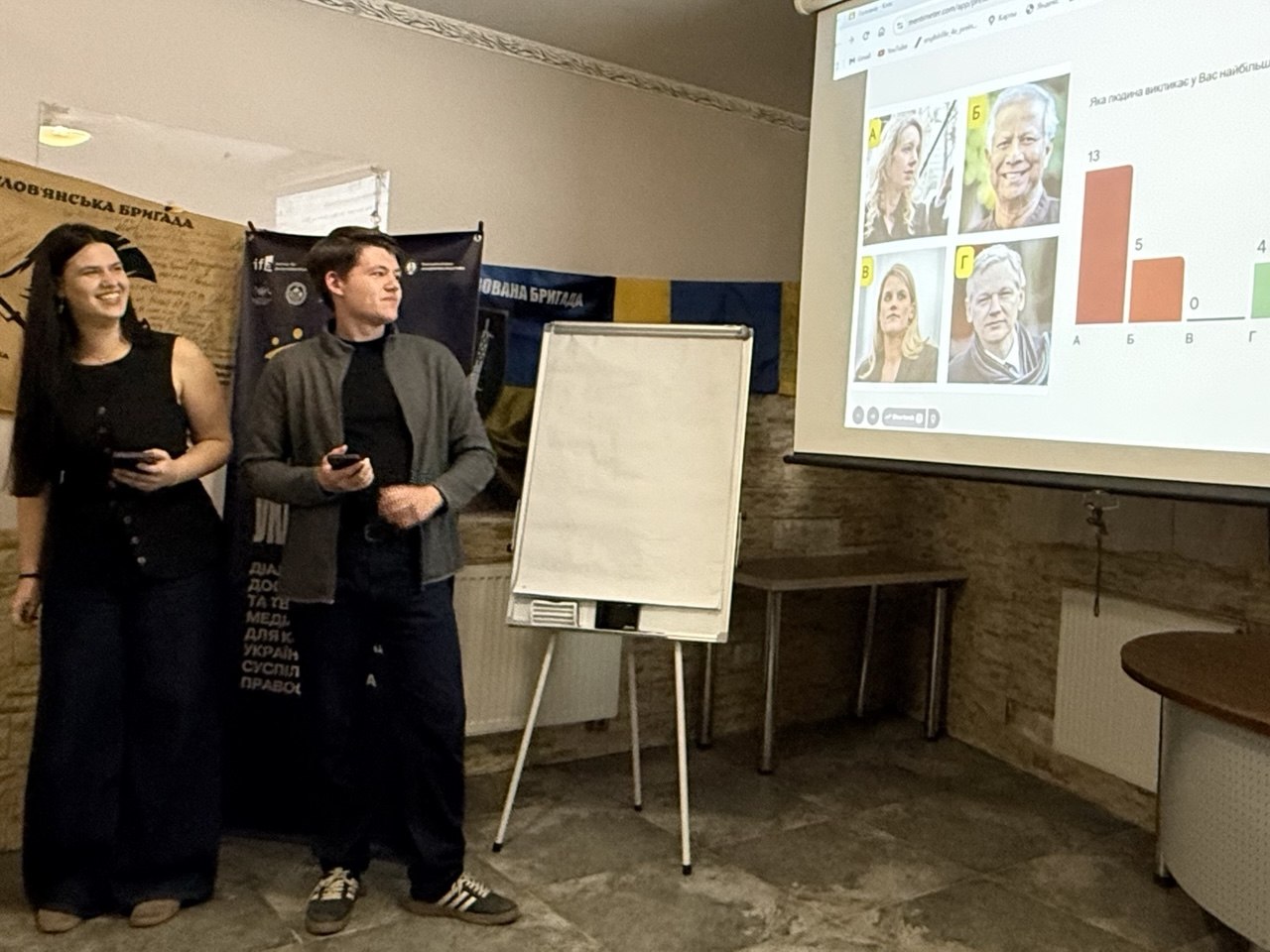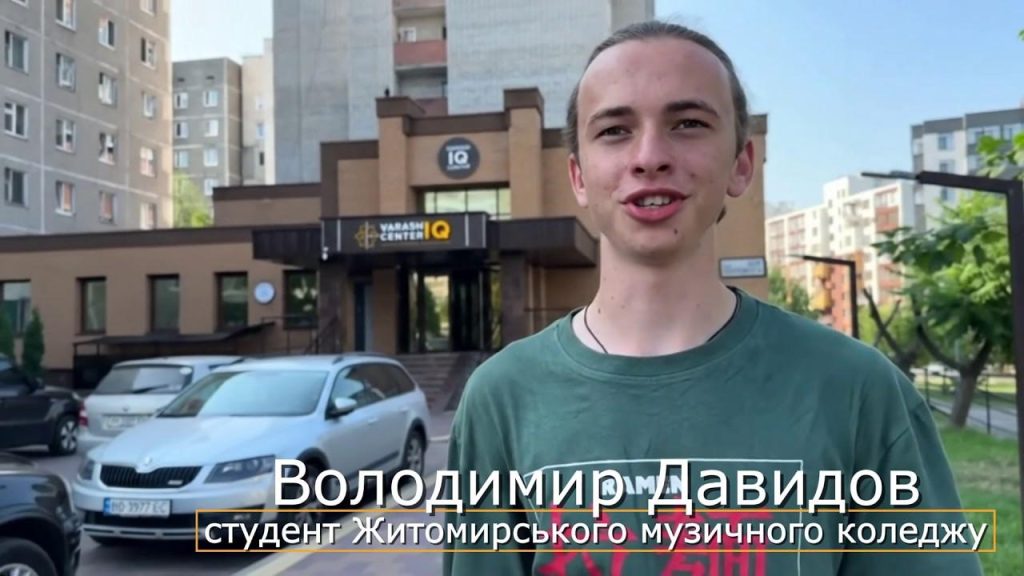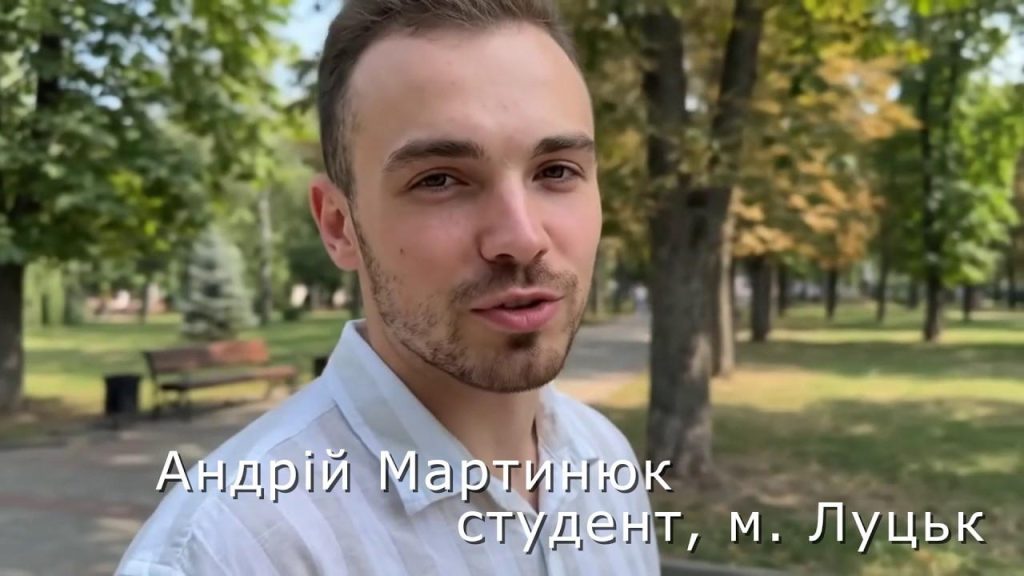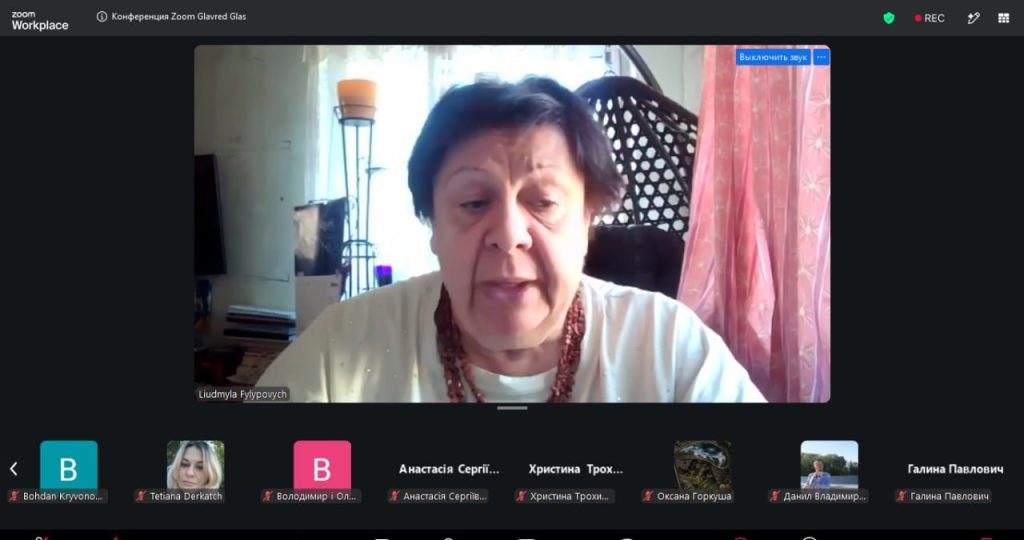
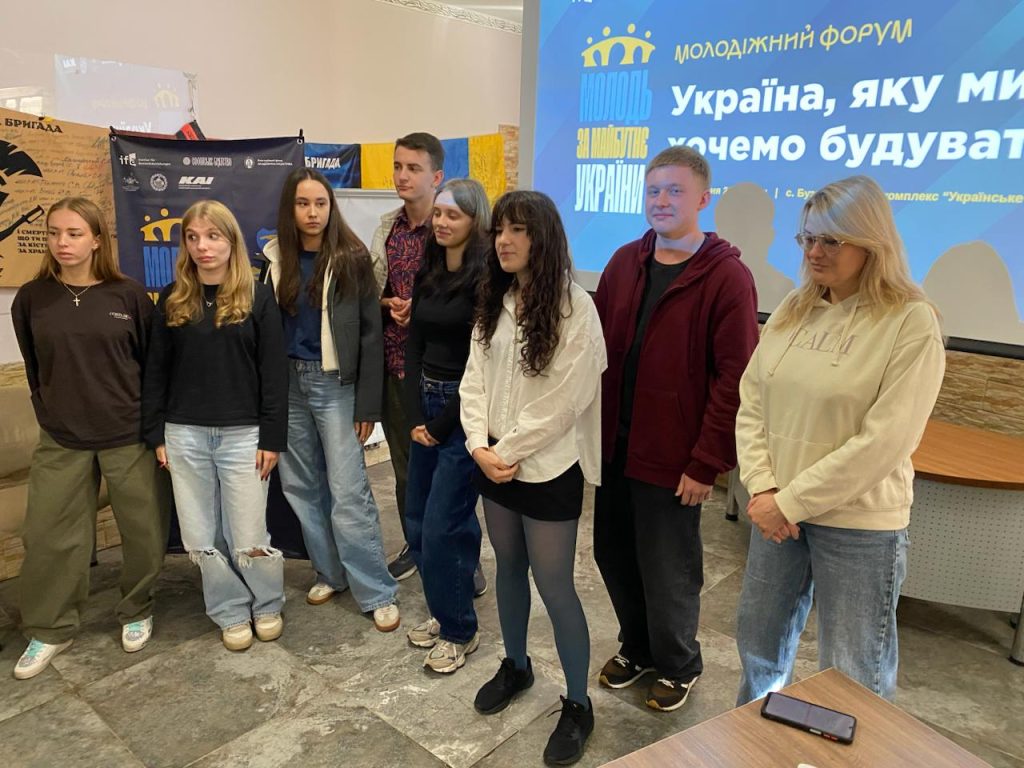
What do young people want from Ukraine after the war – and what are they ready to do to make it happen now? Participants of the Second Youth Forum “The Future of Ukraine We Want to Build,” held on 18–20 September in the Kyiv region, spent three days discussing these questions.
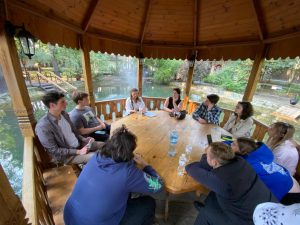
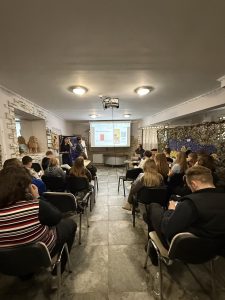
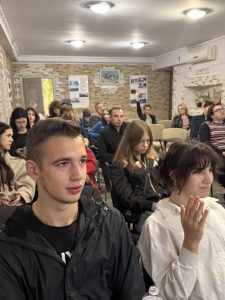
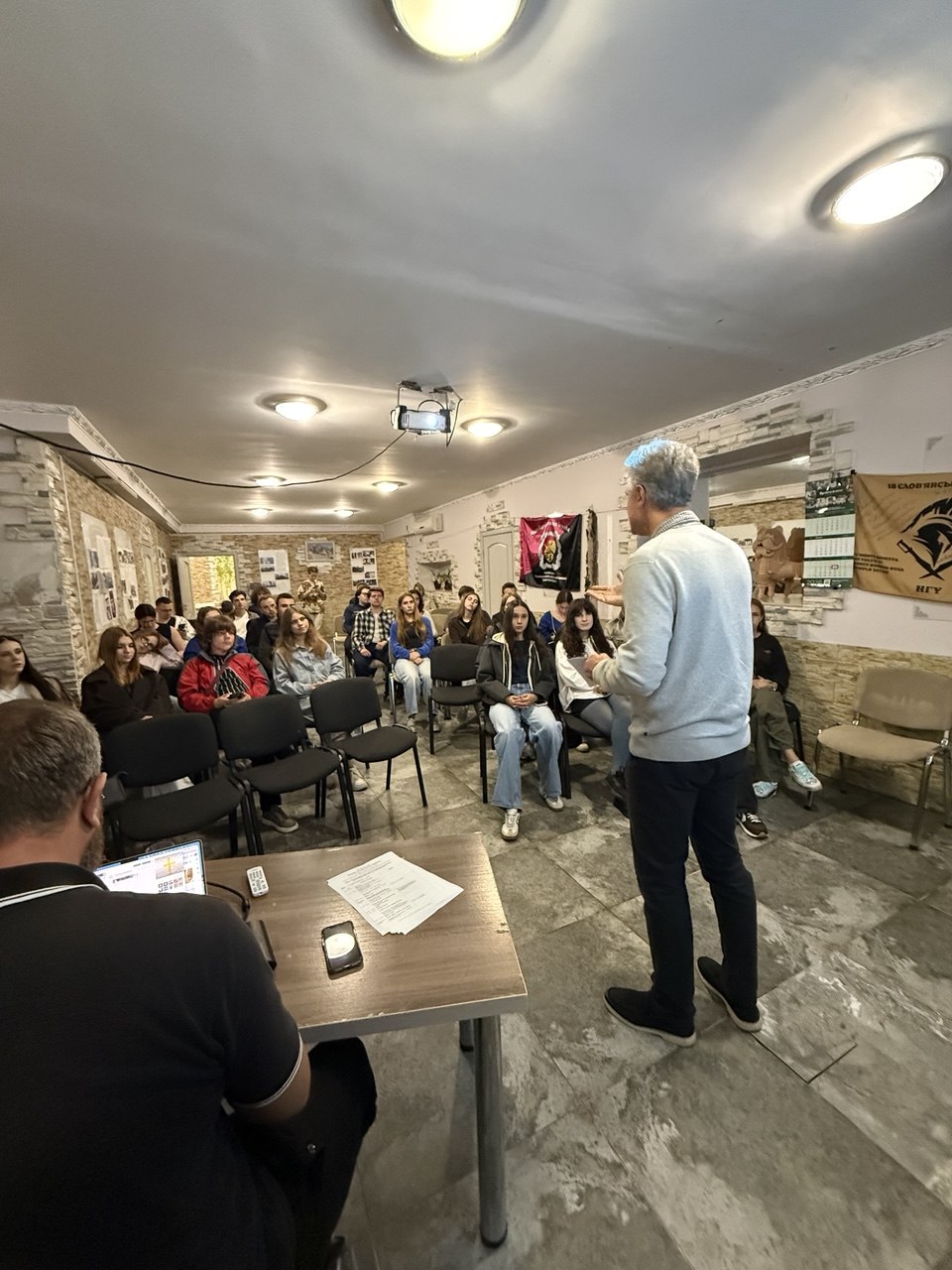
Around 40 young people from different regions of Ukraine gathered in Buzova not simply to talk about the future, but to present their own project ideas and test them through discussion with their peers, experts, and organizers.
The forum marked the second stage of work within the project “Youth for the Future of Ukraine: Dialogue, Research and Creative Media Work for the Consolidation of Ukrainian Society and Orthodoxy,” implemented with the support of the German Government, zivik, and ifa.
The word “after” had to be placed in quotation marks whenever the future was discussed. The war never disappeared from the context: air-raid alerts, news from the front, conversations about security. Some of the work took place in a shelter. And this made the discussion all the more candid.
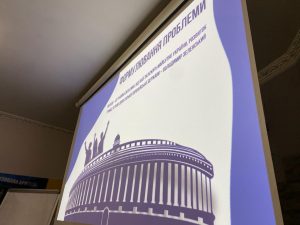
From Problem to Project
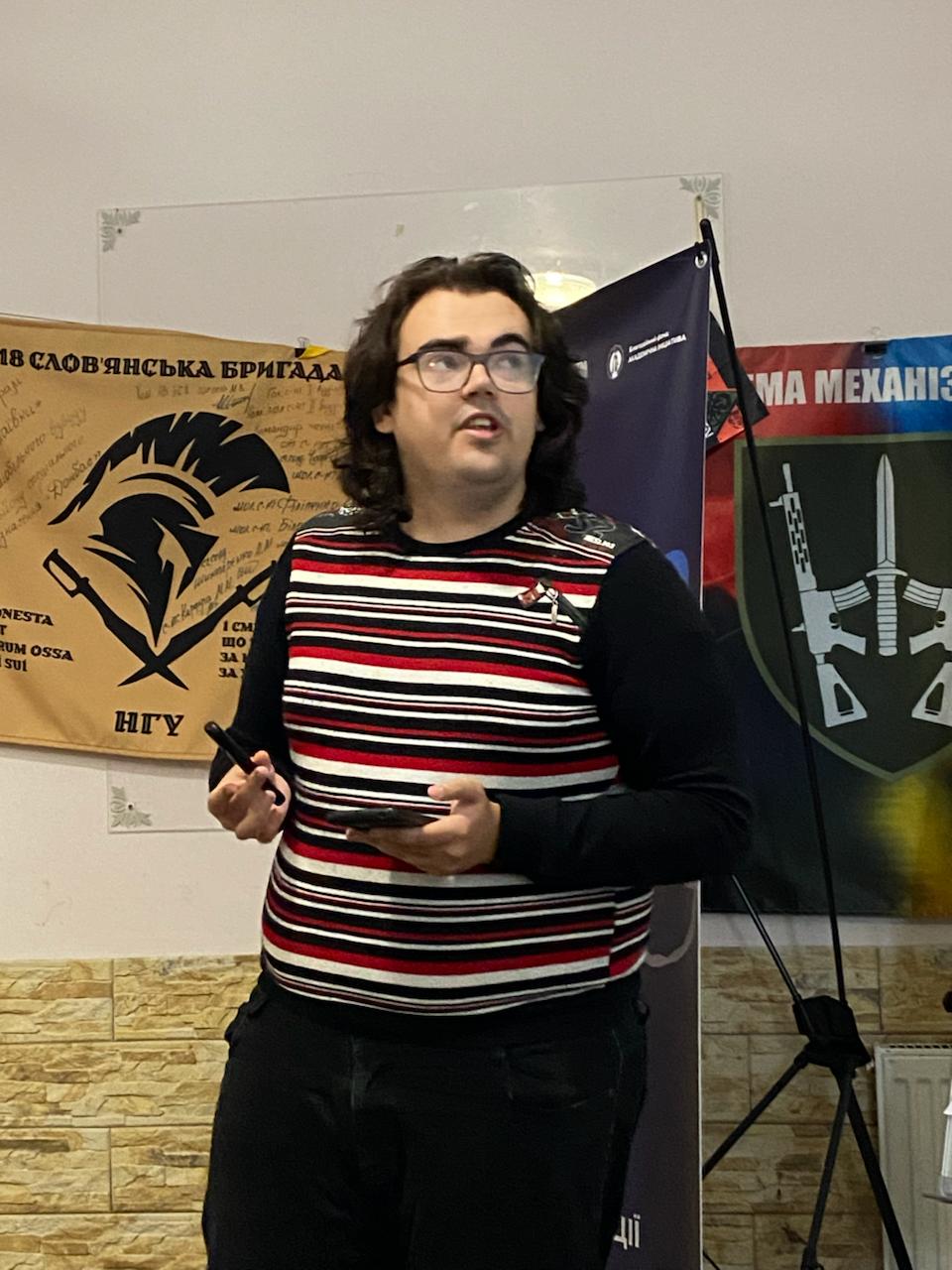
Before the forum, 16 youth teams had completed preparatory work: they identified a problem they considered important for their community and for Ukraine, explored possible ways to address it, and developed their own project ideas.
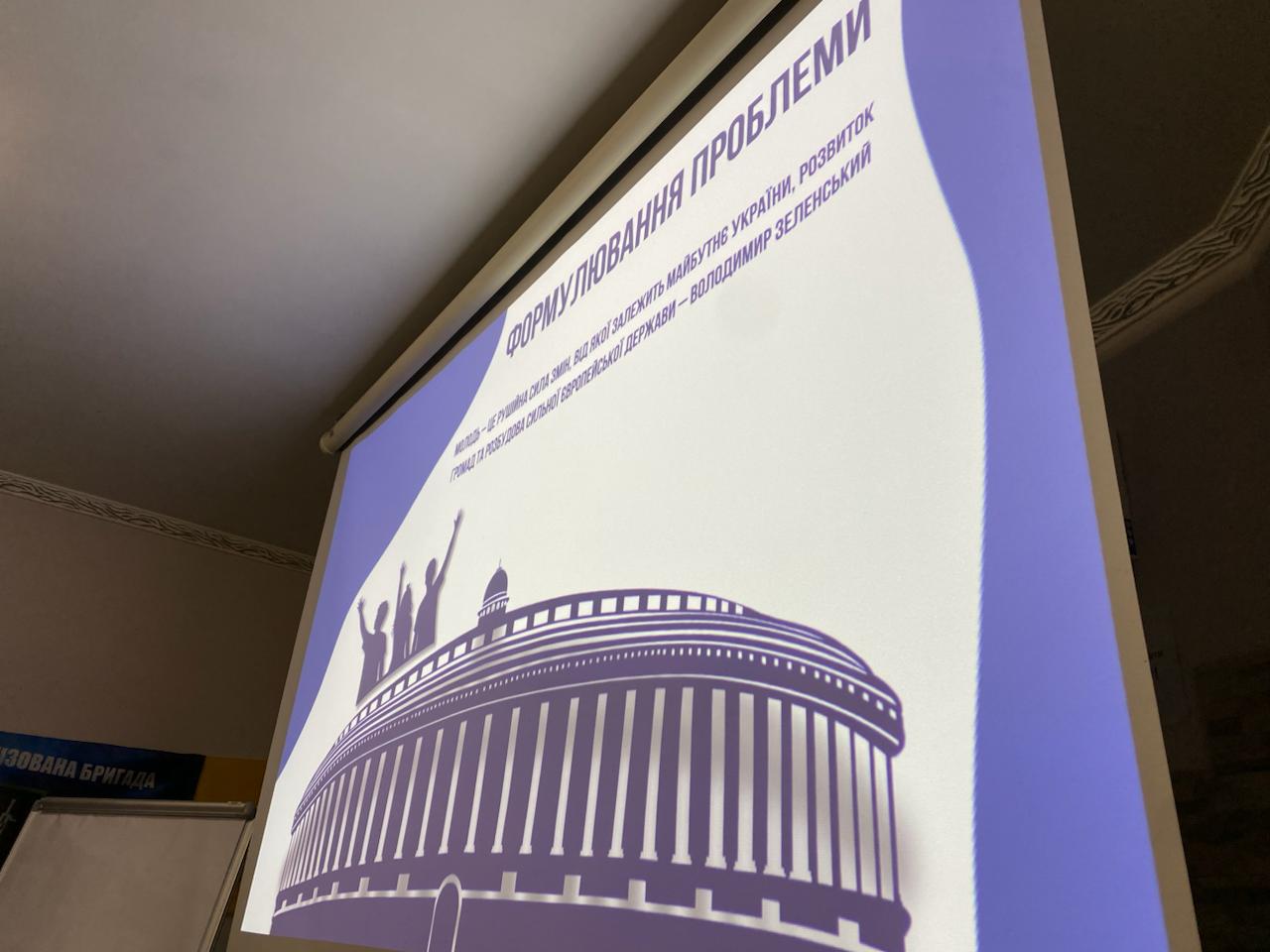
That is why the presentations did not begin with an attractive vision of the future, but with a problem. Corruption, unequal opportunities between regions, the outflow of young people, the state of education, discrimination, insufficient youth participation in decision-making, information overload, and weak communication between different groups in society were just some of the issues discussed in Buzova.
But the Main Question Was Different: What Can Be Done About It?
Some teams focused on education and civic competence. Others discussed youth spaces, the integration of new residents into cities, the development of local communities, a culture of dialogue, media, and communication between people with different experiences.
A separate group of ideas focused on cities. The young participants spoke not only about infrastructure, but about the very experience of living in a city: its rhythm, safety, accessibility, and the possibility of building a life there as a young person. Their proposals included more open local government, free municipal public transport, safe youth and educational spaces – including underground facilities – preservation of historical heritage, thoughtful urban design, and spaces where neighbours can meet and communicate.
They also discussed how to make smaller cities attractive places to live, study, and work, so that young people are not forced to move to the capital or abroad simply because opportunities are lacking.
“It’s a Problem for Me. For You, It Isn’t.”
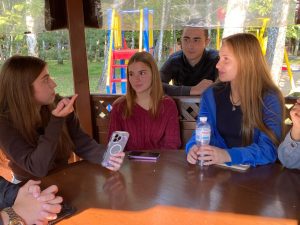
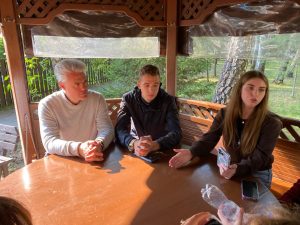
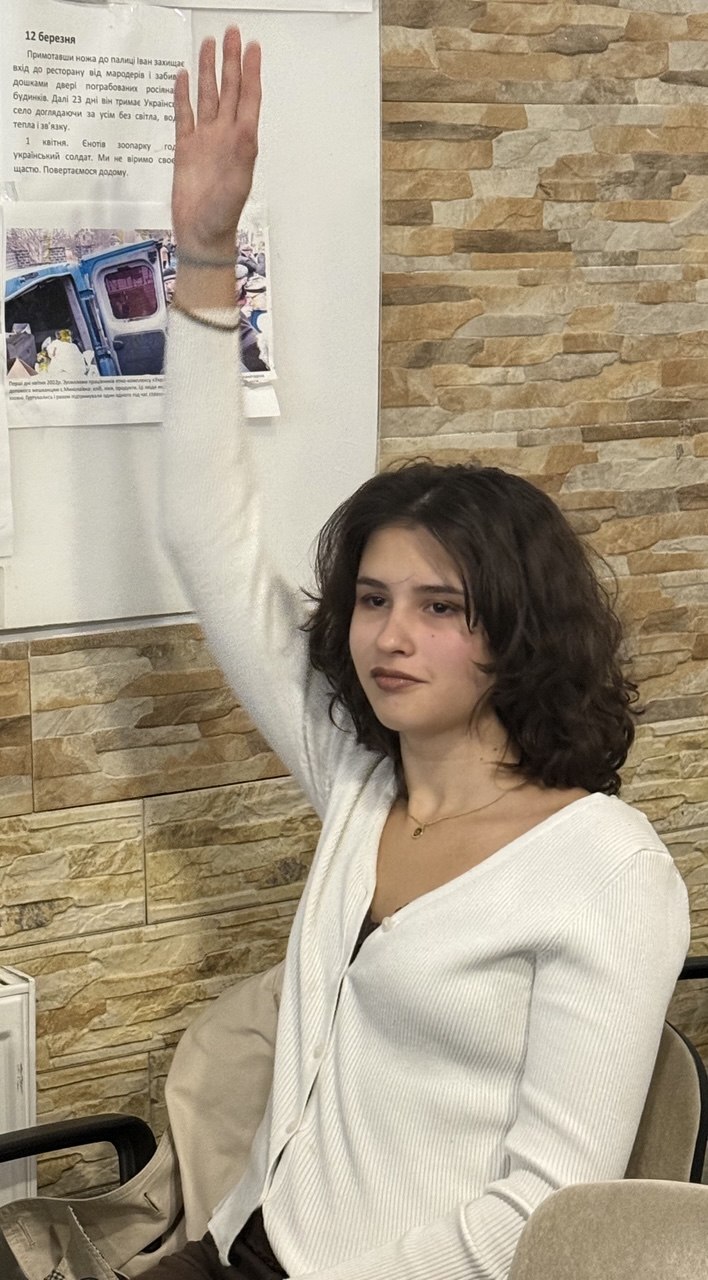
The most interesting part of the forum turned out to be not the presentations themselves, but the discussions that followed them.
One of the forum’s most important discoveries was that participants could not immediately identify a single problem that felt equally urgent to everyone. For some, it was corruption; for others, education, opportunities in their own city, the information environment, or religious conflicts.
What one person considered an obvious problem might not be a problem at all for someone else.
For example, the discussion about youth participation in political life quickly moved beyond general statements. Participants from different regions had different views on the possibility of political processes during wartime. It became clear that even people of the same generation can approach the issue from completely different perspectives depending on where they have lived, what they have experienced, and which problems they consider most urgent.
These differences do not necessarily mean division. On the contrary, the discussion showed that problems begin when people treat their own experience as the only possible one.
And this led to an unexpected conclusion: perhaps one of the main problems facing Ukrainian society is not conflict itself, but the lack of horizontal communication between people with different experiences.
We often want the state to adapt to our own vision. But we rarely ask ourselves whether we are prepared to understand why another person thinks differently.
People may have different priorities not because one of them is indifferent or “wrong,” but because they live in different circumstances.
The same applies to how we engage with information.
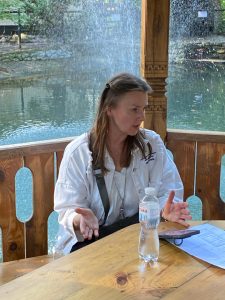
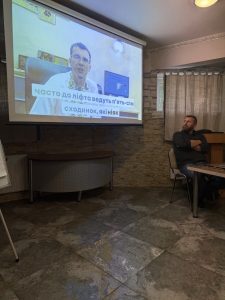
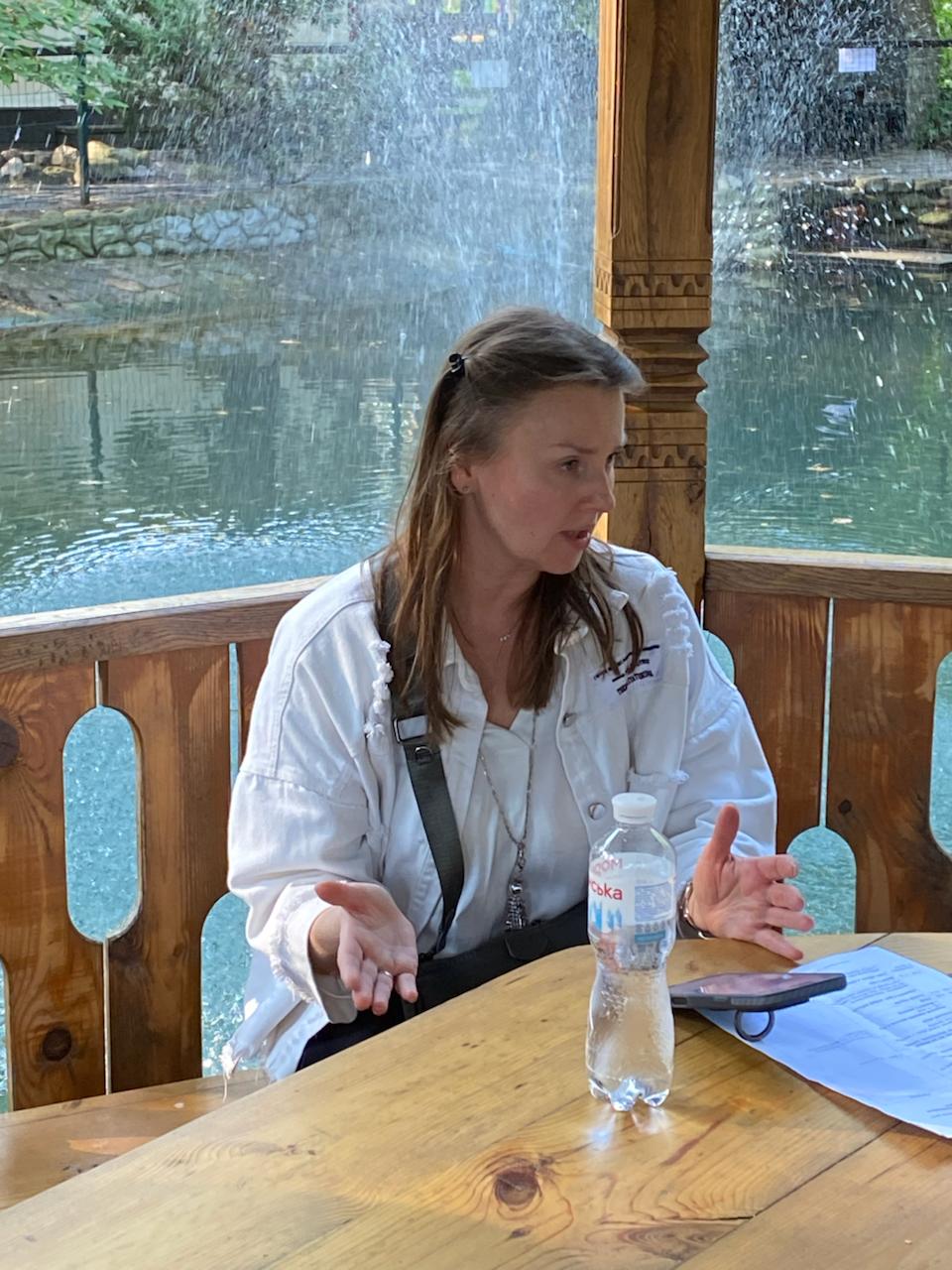
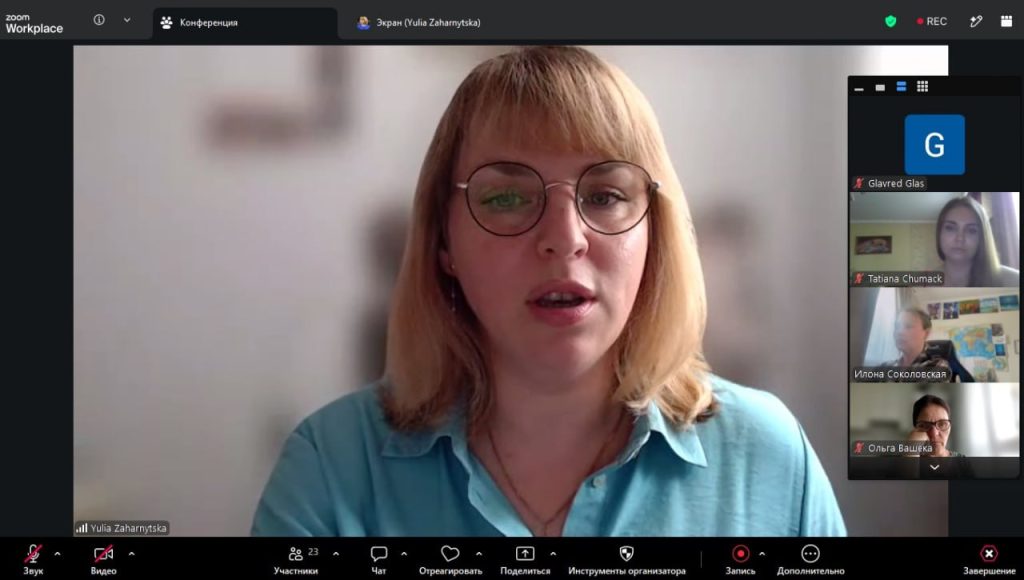
Together with moderator Ilona Sokolovska – journalist, media manager, and creator of the YouTube channel VICHE – participants discussed how the media do not simply report on conflicts; they shape the way society perceives those conflicts. This creates a vicious circle: the media work with divisions that already exist, while people consume media in ways that reinforce their existing beliefs.
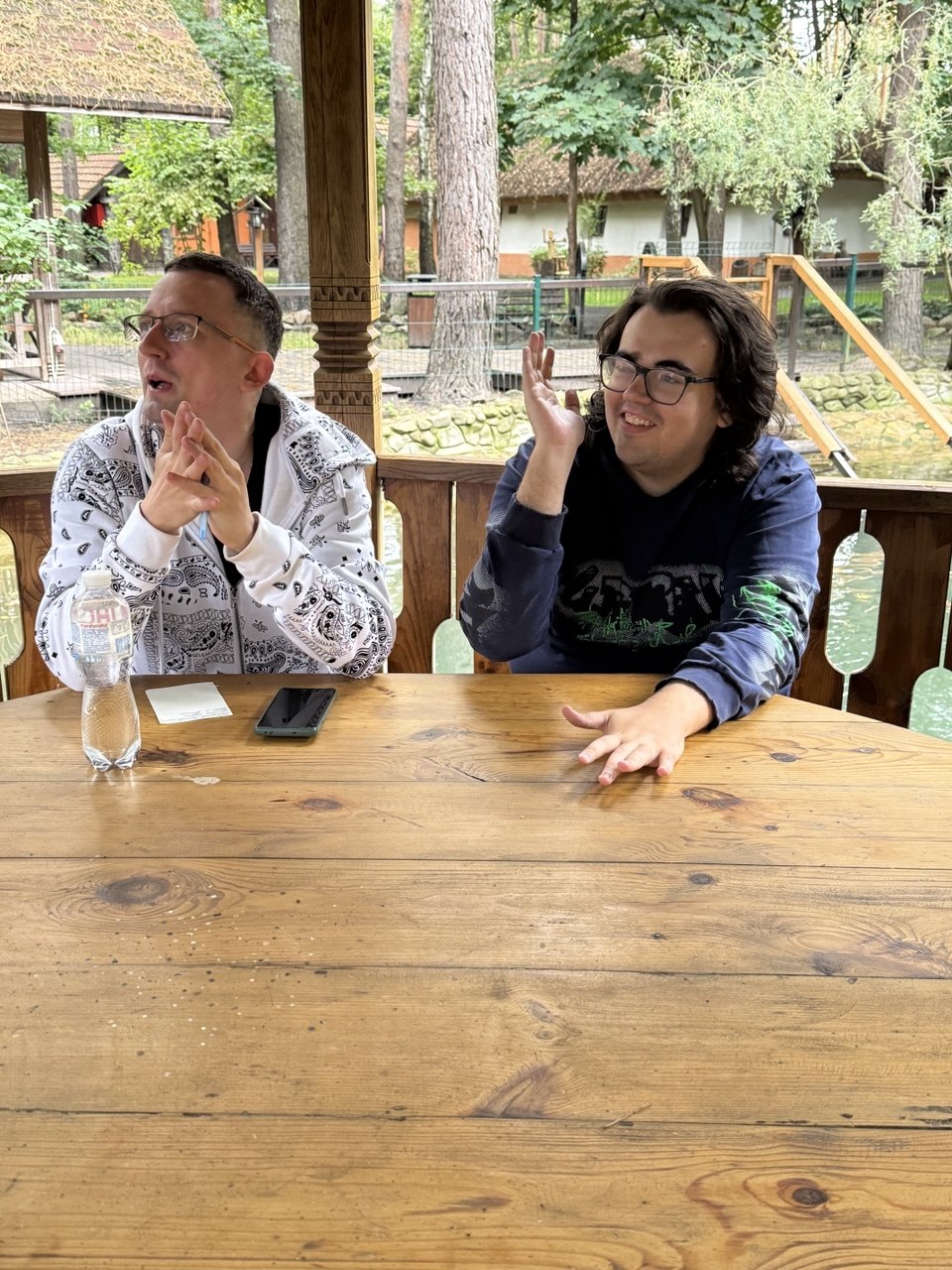
The young participants also discussed how the sheer volume of content makes it increasingly difficult to distinguish genuine knowledge from something that merely sounds convincing. During the discussion, participant Danylo Kabachii even raised a question about ChatGPT: are we beginning to treat a machine-generated answer as the final authority, even though it too can make mistakes?
In this sense, media literacy turned out to mean more than simply knowing how to fact-check. It is also about being able to question our own first answer – even when it seems obvious.
The War Was Part of the Conversation Too
The forum was not a space detached from reality.
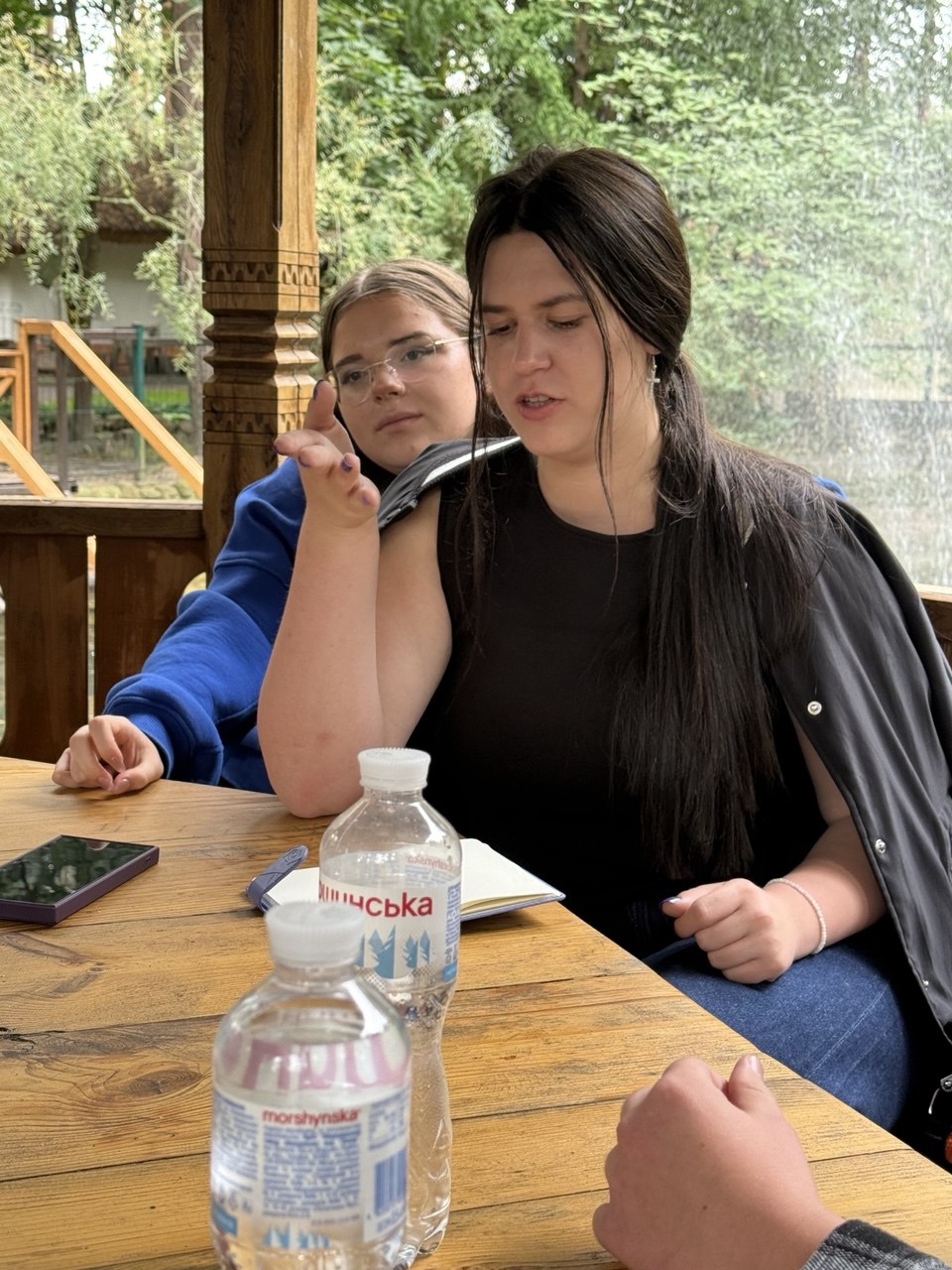
Participant Daria Chornovol, responding to a common perception among adults that today’s young people are passive, pointed out that what appears to be passivity is often exhaustion. Air-raid alerts, uncertainty, fear for loved ones, and constant tension all drain people’s energy and resources.
At the same time, she herself came to the forum even though she could have stayed at home. For her, participating in this kind of conversation was a way not merely to talk about the future, but to influence it.
This tension between exhaustion and the need to act ran through the entire gathering.
Education was another important topic. Participants described schools as one of the places where the civic culture of the future is formed. At the same time, they noted that civic education classes alone are not enough. Values are shaped by family, social surroundings, the information environment, and each person’s own choices.
And once again, the discussion returned to personal responsibility – not as a moralizing demand, but as a practical question: how can we change our environment if we remain merely observers of it?
From Ideas to Working Together
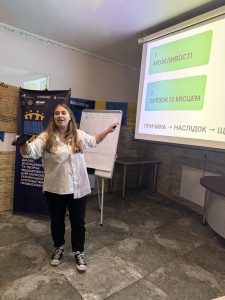
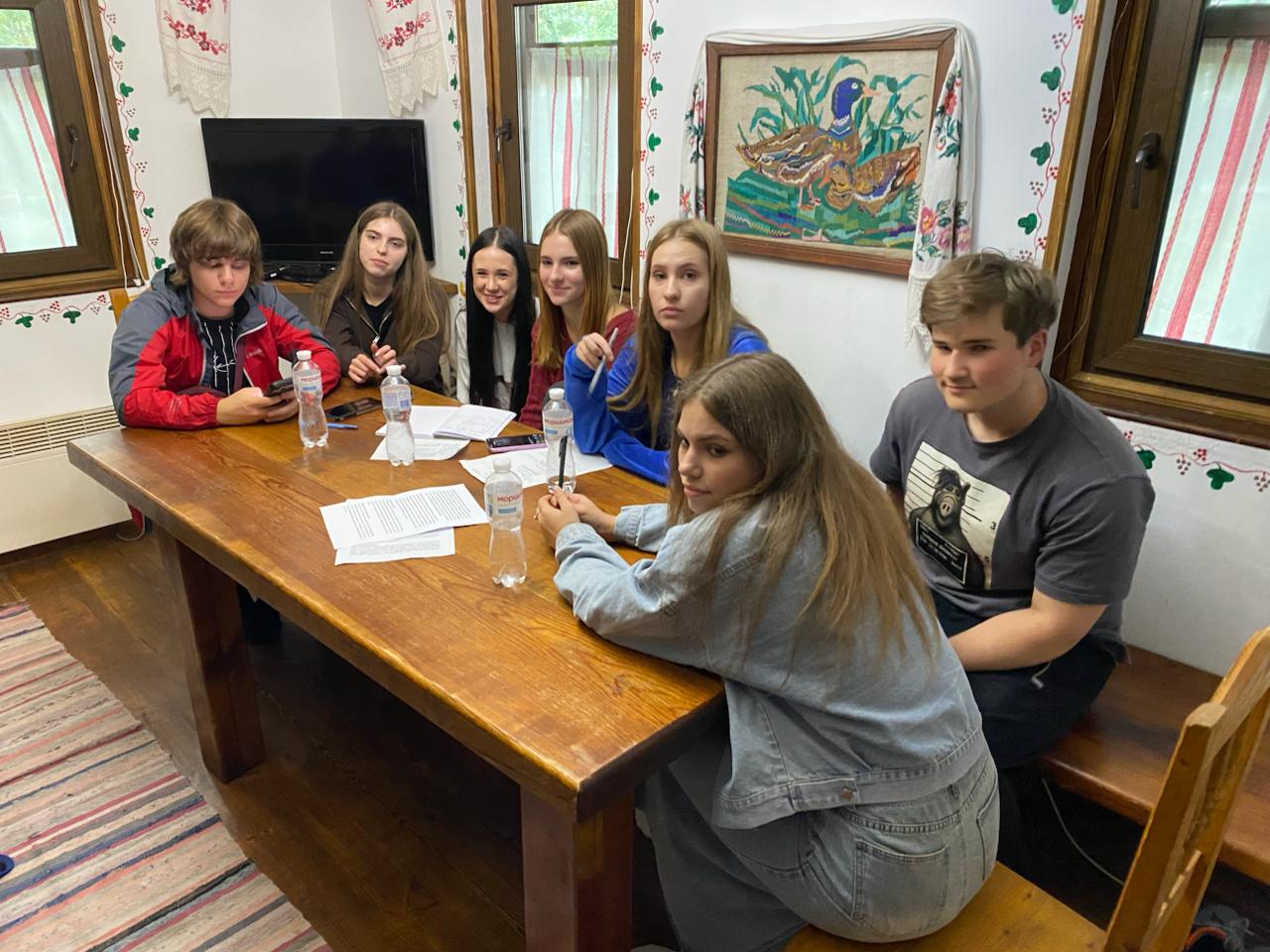
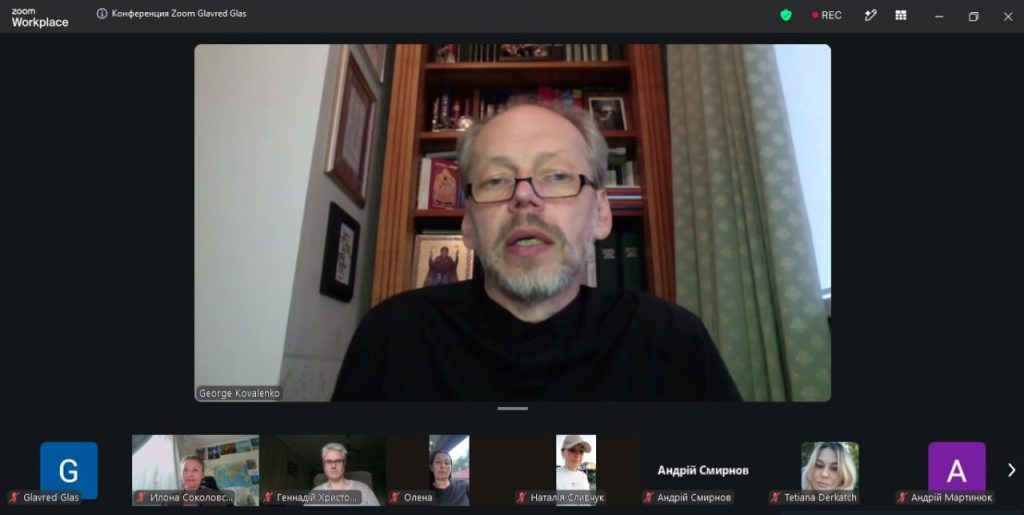
On the second day of the forum, the teams worked in small groups with experts – Professor and Doctor of Philosophical Sciences Hennadii Khrystokin, lecturer at the Volyn Orthodox Theological Academy Heorhii Khodun, and religious affairs commentator and media professional Tetiana Derkach. This gave participants an opportunity not simply to present their ideas, but to receive questions and critical feedback and to test the logic behind their projects.
A separate strand of discussion focused on the document “Ideas for a Ukrainian Metanarrative.” This was not a lecture about the “correct” narrative, but an attempt to explore together which ideas and meanings could unite a society experiencing war, occupation, forced displacement, and loss while at the same time retaining strong regional diversity.
The discussion was moderated by priest Oleksandr Sorokin, for whom the issue of post-war societal recovery is far from abstract. Because of the war and occupation, he himself experienced forced displacement, the loss of what he had built up over the years, and the need to start life with his family virtually from scratch. His professional experience in journalism, business, diplomacy, and civic engagement, together with skills acquired during the war in recovery work, rehabilitation practices, training, and facilitation, has given him another important perspective: not merely to talk about conflicts and disagreements, but to help people articulate them, seek points of mutual understanding, and identify ideas and meanings capable of bringing together a society shaped by war, different historical experiences, and strong regional diversity.
Participants tried to determine whether a shared framework is possible for a society in which people have different traumas and experiences, speak different languages in everyday life, carry different regional memories, and even have different understandings of what constitutes the country’s most urgent problem.
As the discussion progressed, the focus gradually shifted from the question, “Whom do we need to change?” to a far less comfortable one: what in this situation depends on us?
This shift in perspective appears to have been one of the forum’s most important outcomes.
Not all participants agreed with one another. And perhaps that is precisely why the conversation mattered. The goal was not to produce a single correct answer, but to learn how to work with differences – to listen, ask questions, refine one’s own arguments, and turn disagreement into collective action.
Alongside this discussion, participants worked with another document – “The Future of Ukraine We Want to Build: A Youth Perspective.” In effect, these two documents represented two levels of the same conversation: the first explored what can unite society; the second asked what kind of country that society wants Ukraine to become.
The Future Does Not Begin After the War
The forum did not produce a ready-made formula for Ukraine’s future. But perhaps its outcome was never meant to be a formula. Its significance lies in the fact that young people from different regions sat down at the same table and discovered just how differently they see their country. And instead of retreating into their respective information bubbles, they continued the conversation.
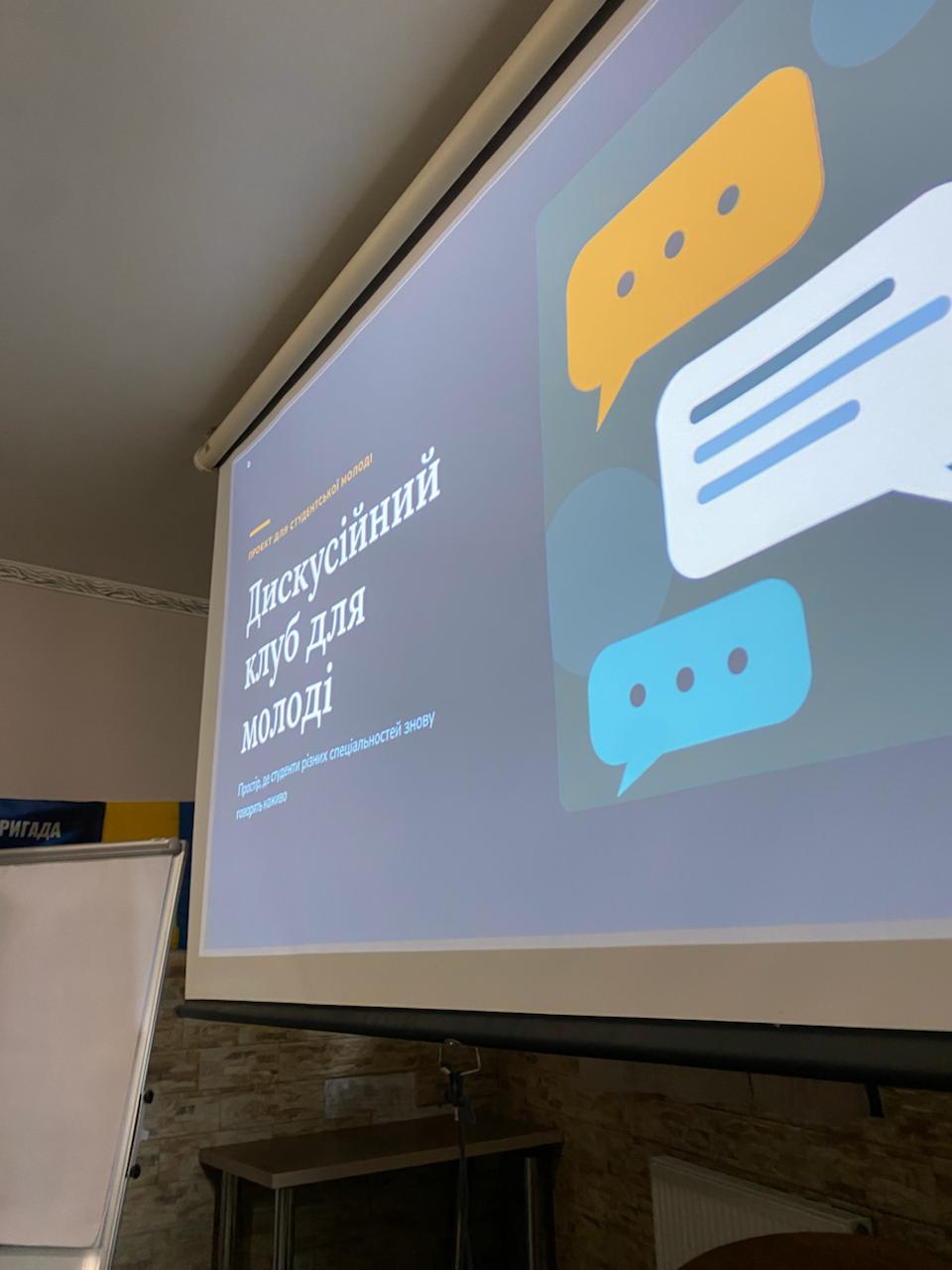
Youth for the Future of Ukraine is not only about youth initiatives. It is an attempt to develop a different culture of public dialogue – one in which identifying a problem is not enough, because solutions must also be sought; one in which personal experience is not declared to be the only valid perspective; and one in which regional differences are not automatically perceived as a threat.
Because the country we want to live in after the war will have to begin being built before the war is over. And judging by the three days in Buzova, some young Ukrainians are already ready to do just that.
The project “Youth for the Future of Ukraine: Dialogue, Research and Creative Media Work for the Consolidation of Ukrainian Society and Orthodoxy” is implemented by the Sophia Brotherhood with the support of the German Government / zivik / ifa.