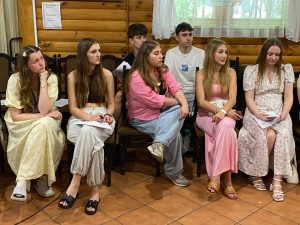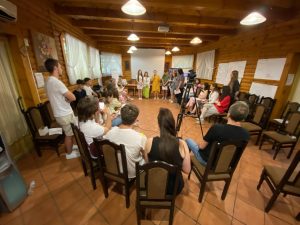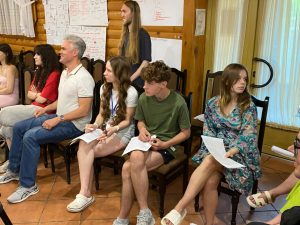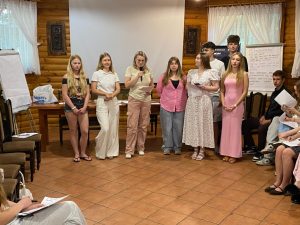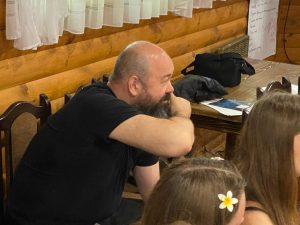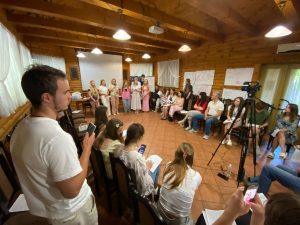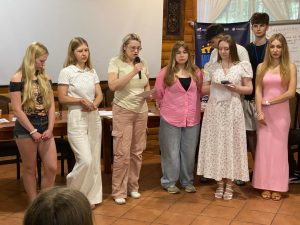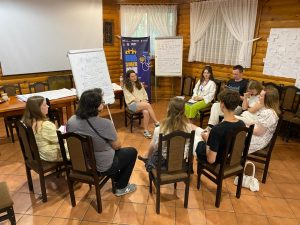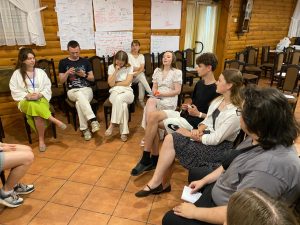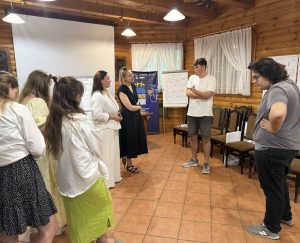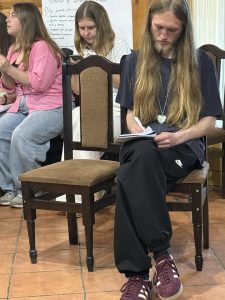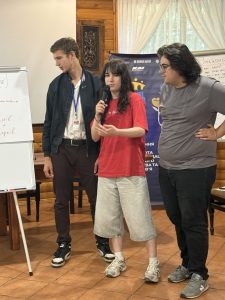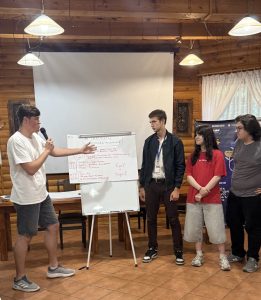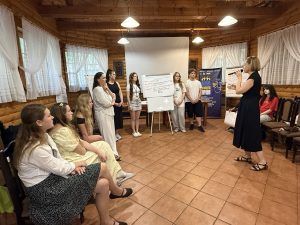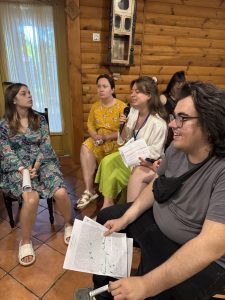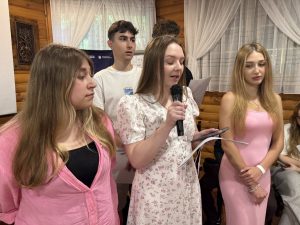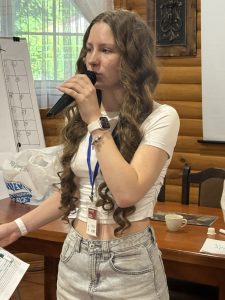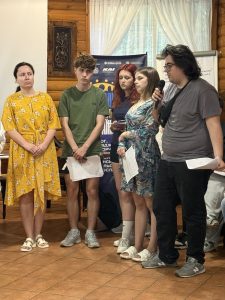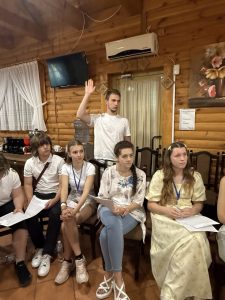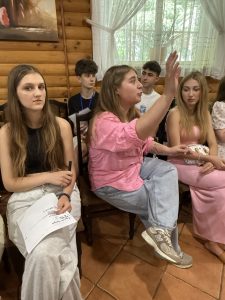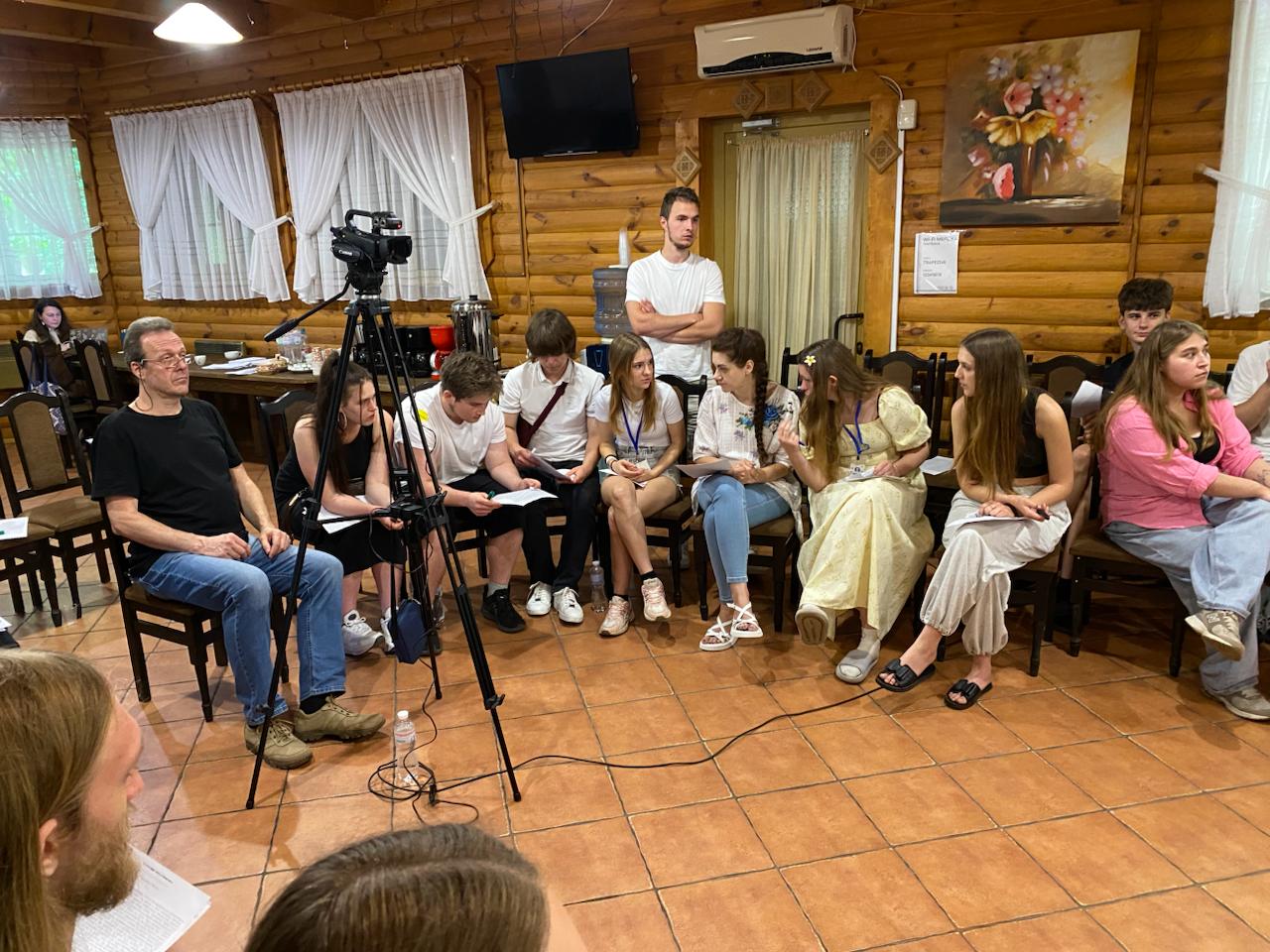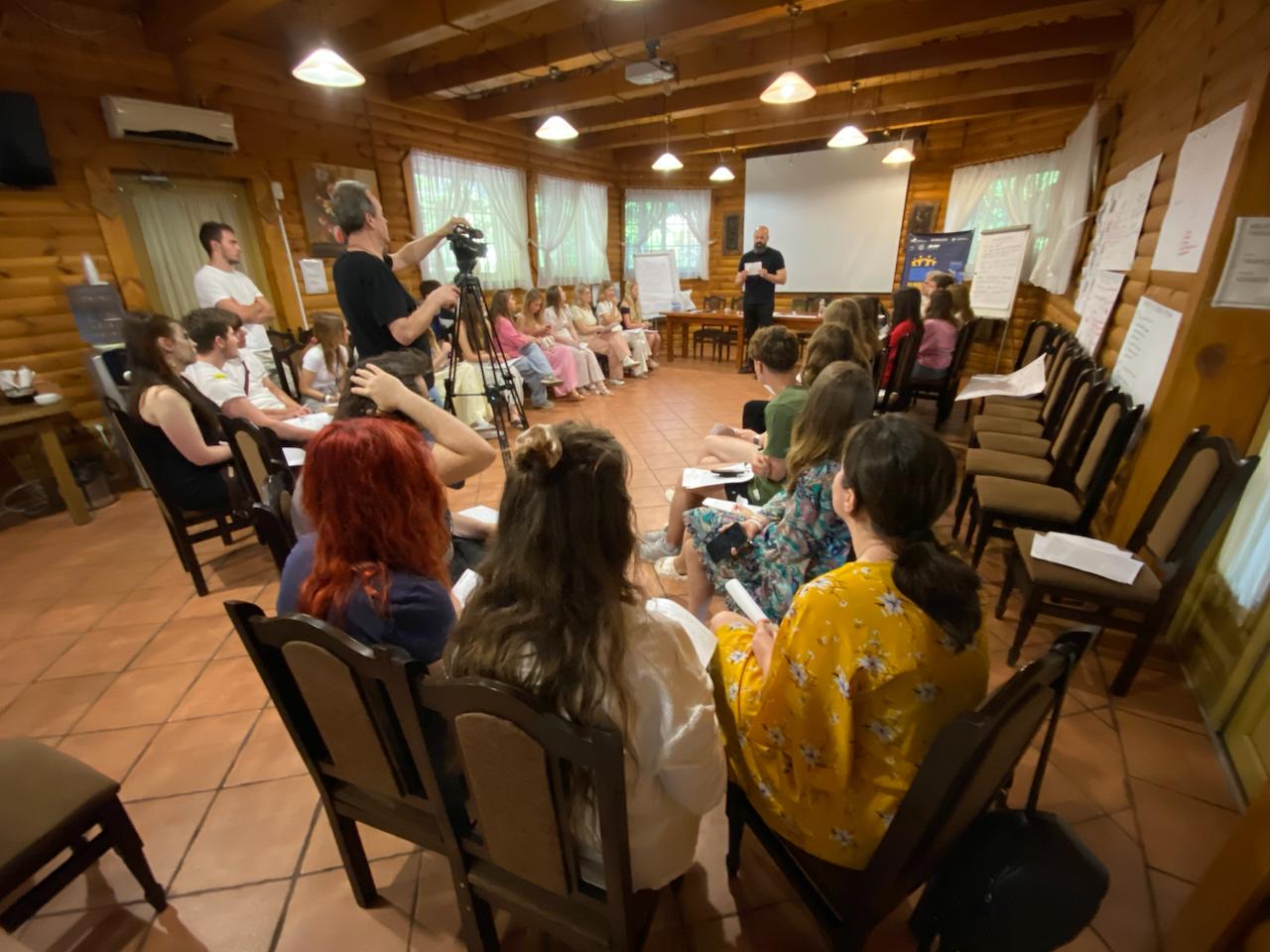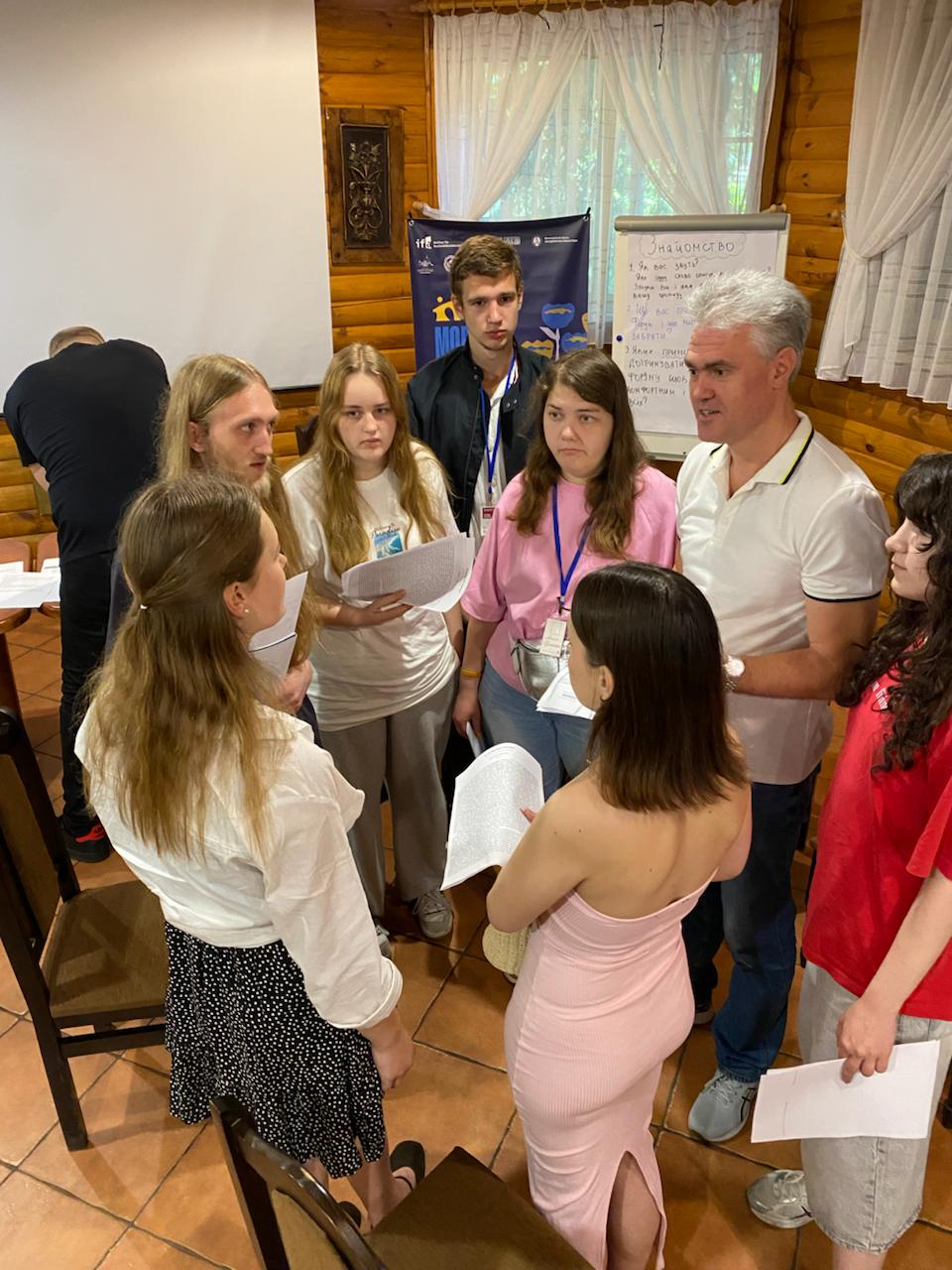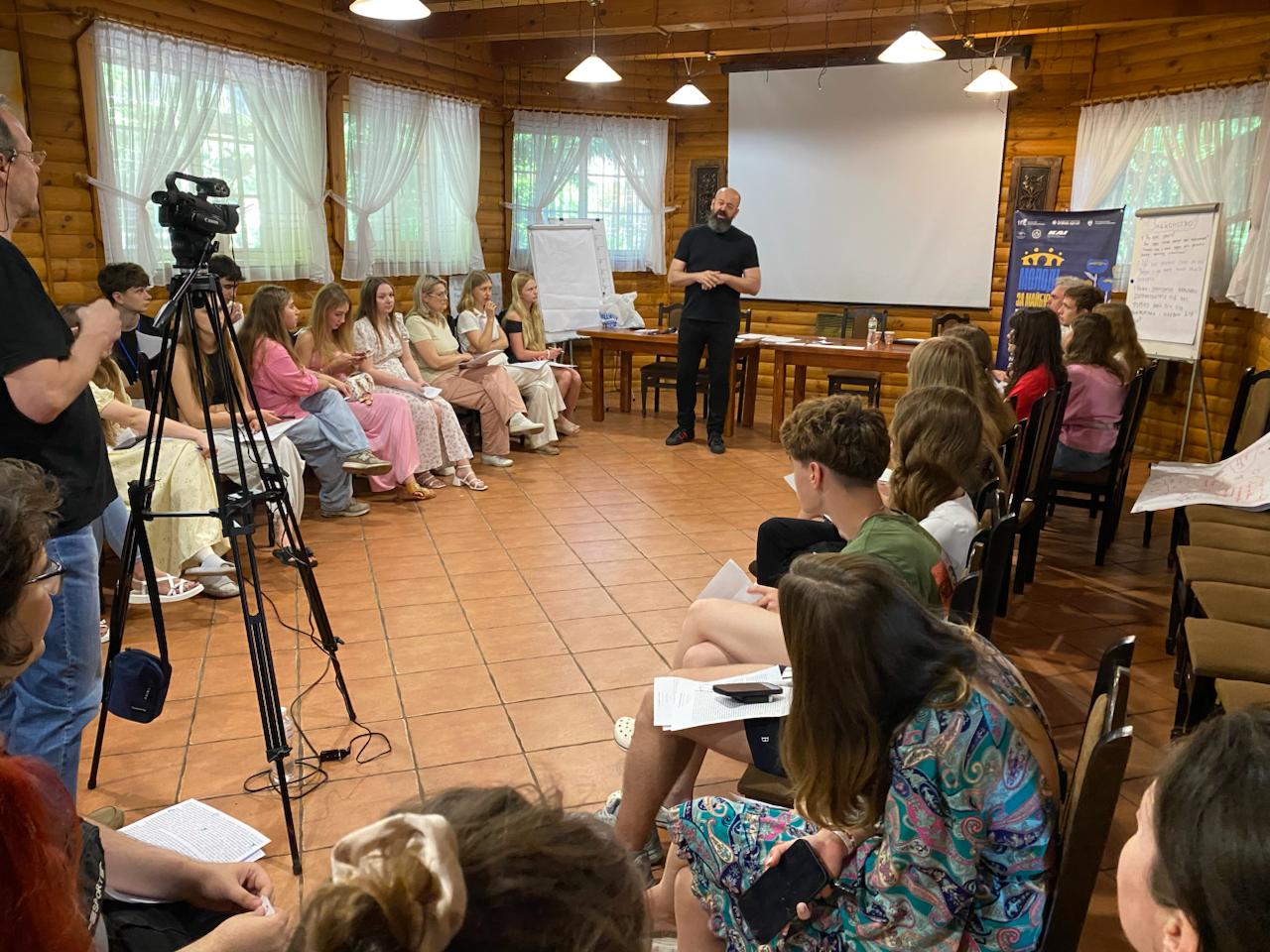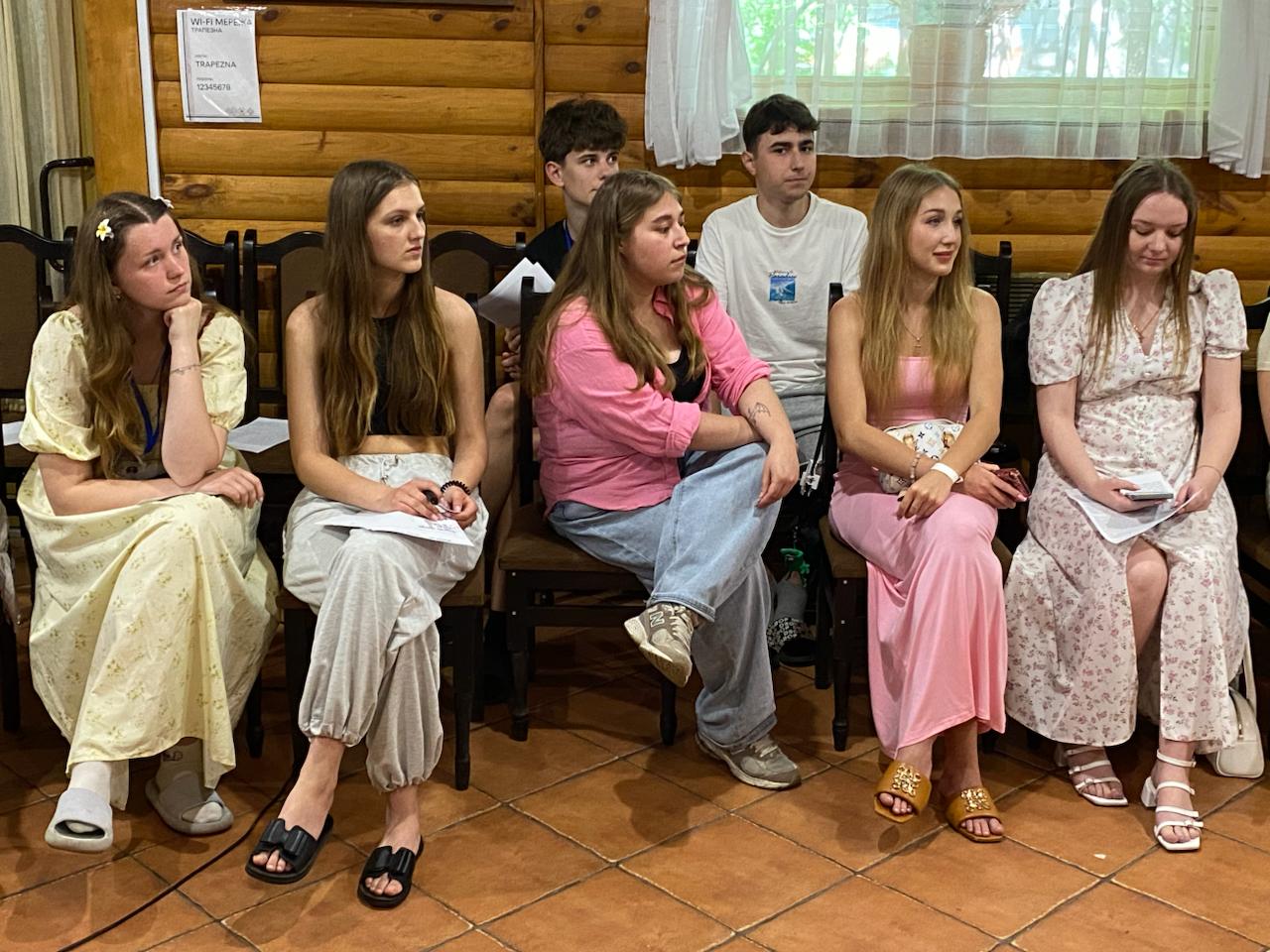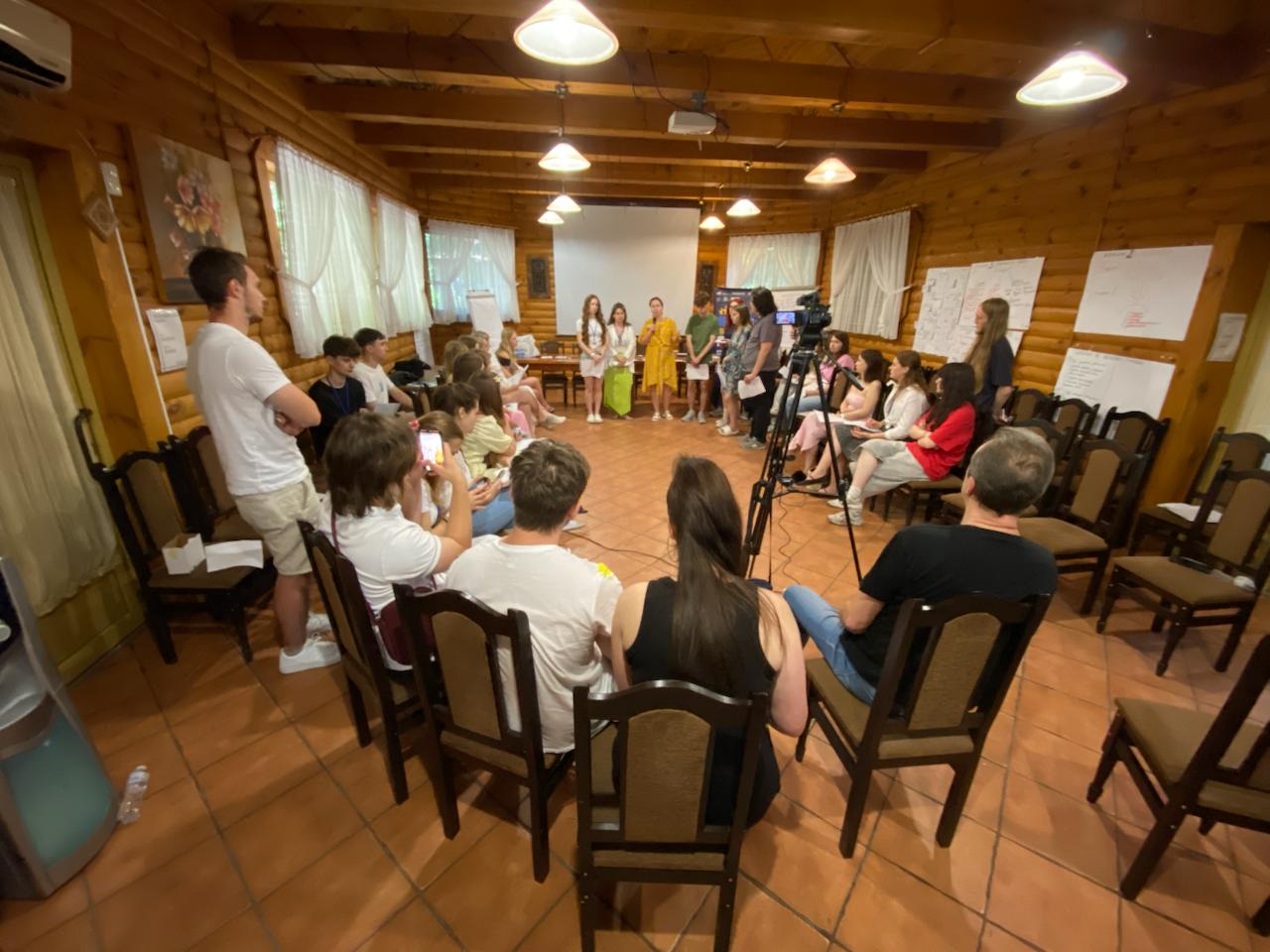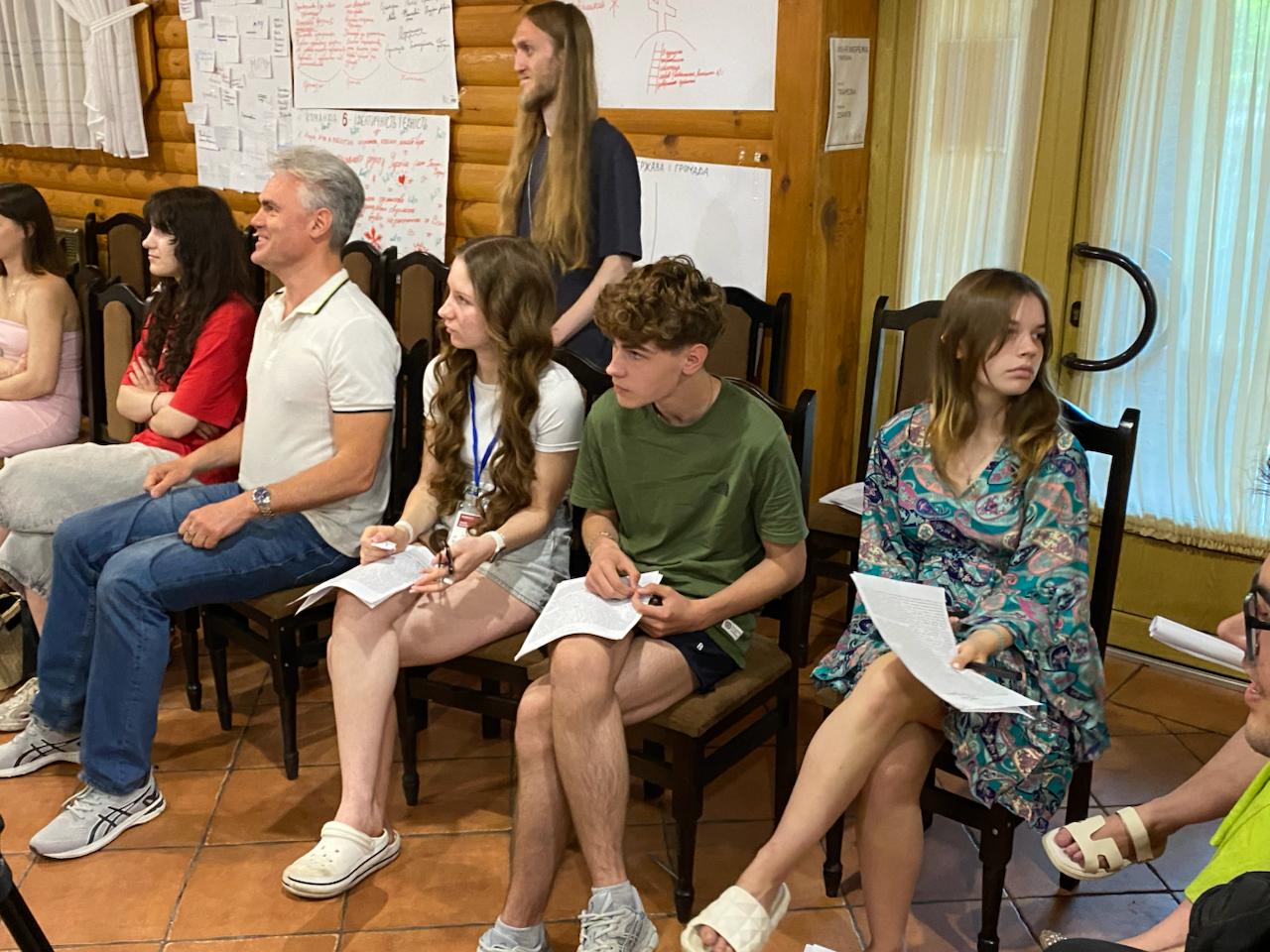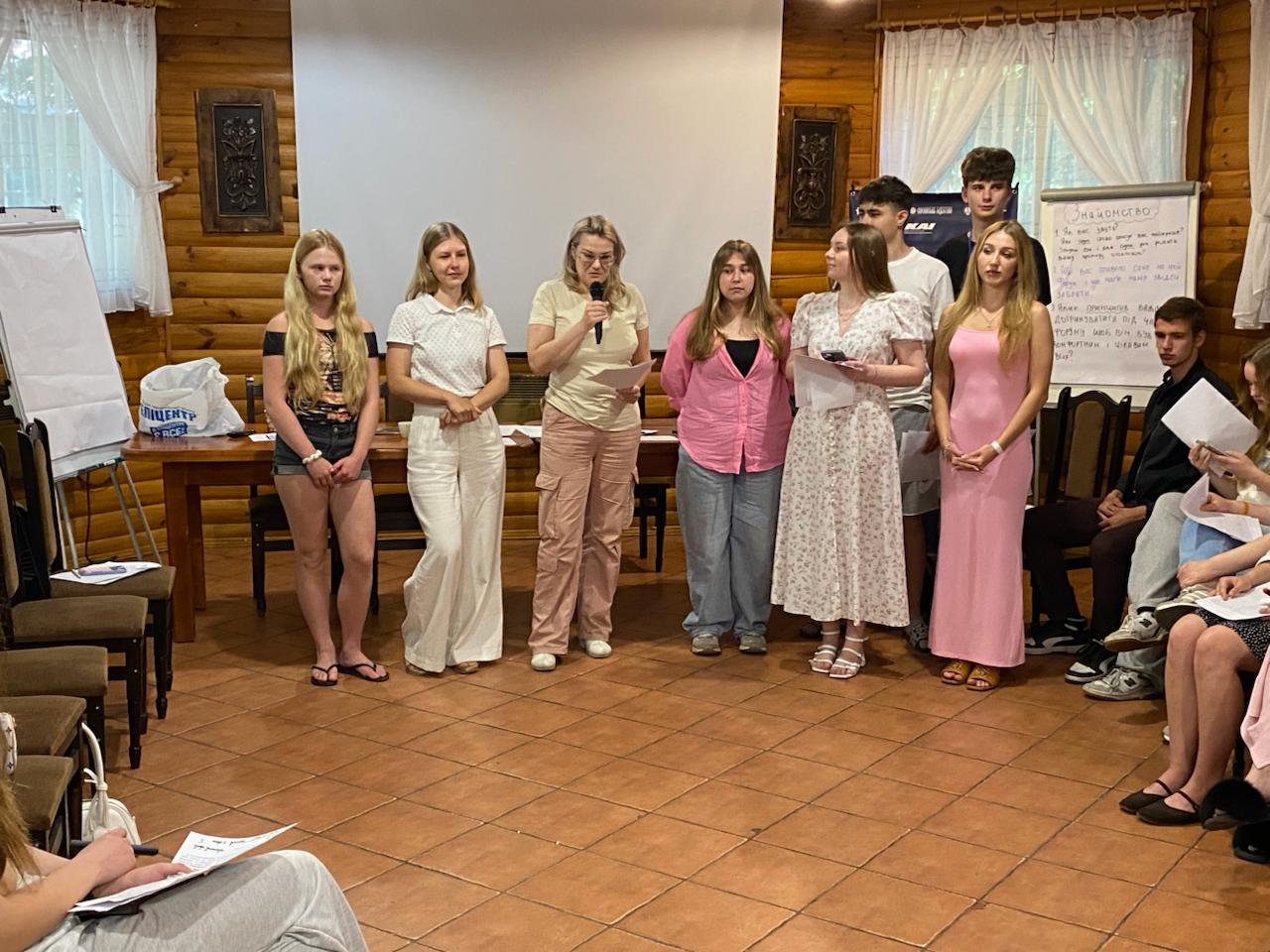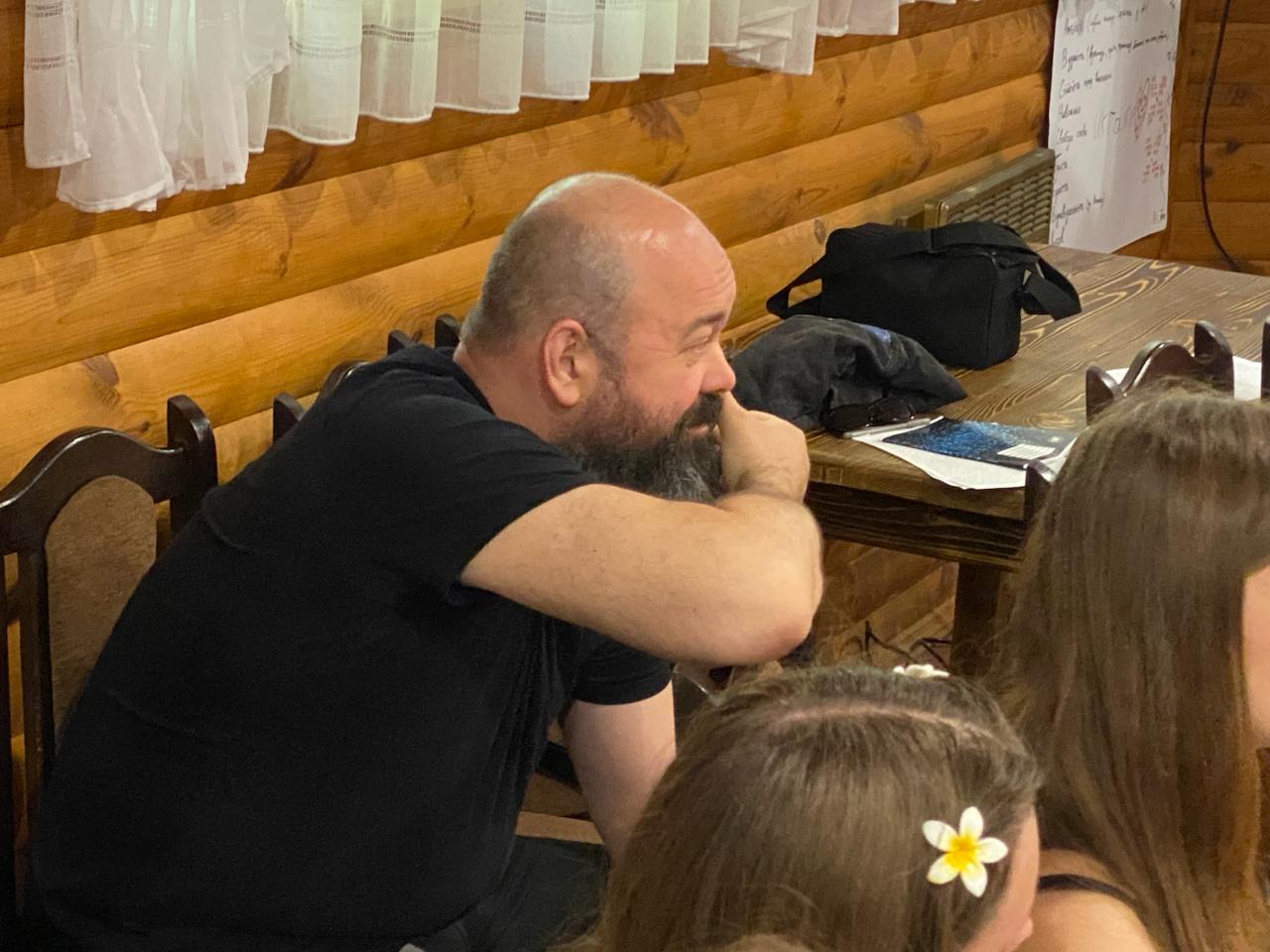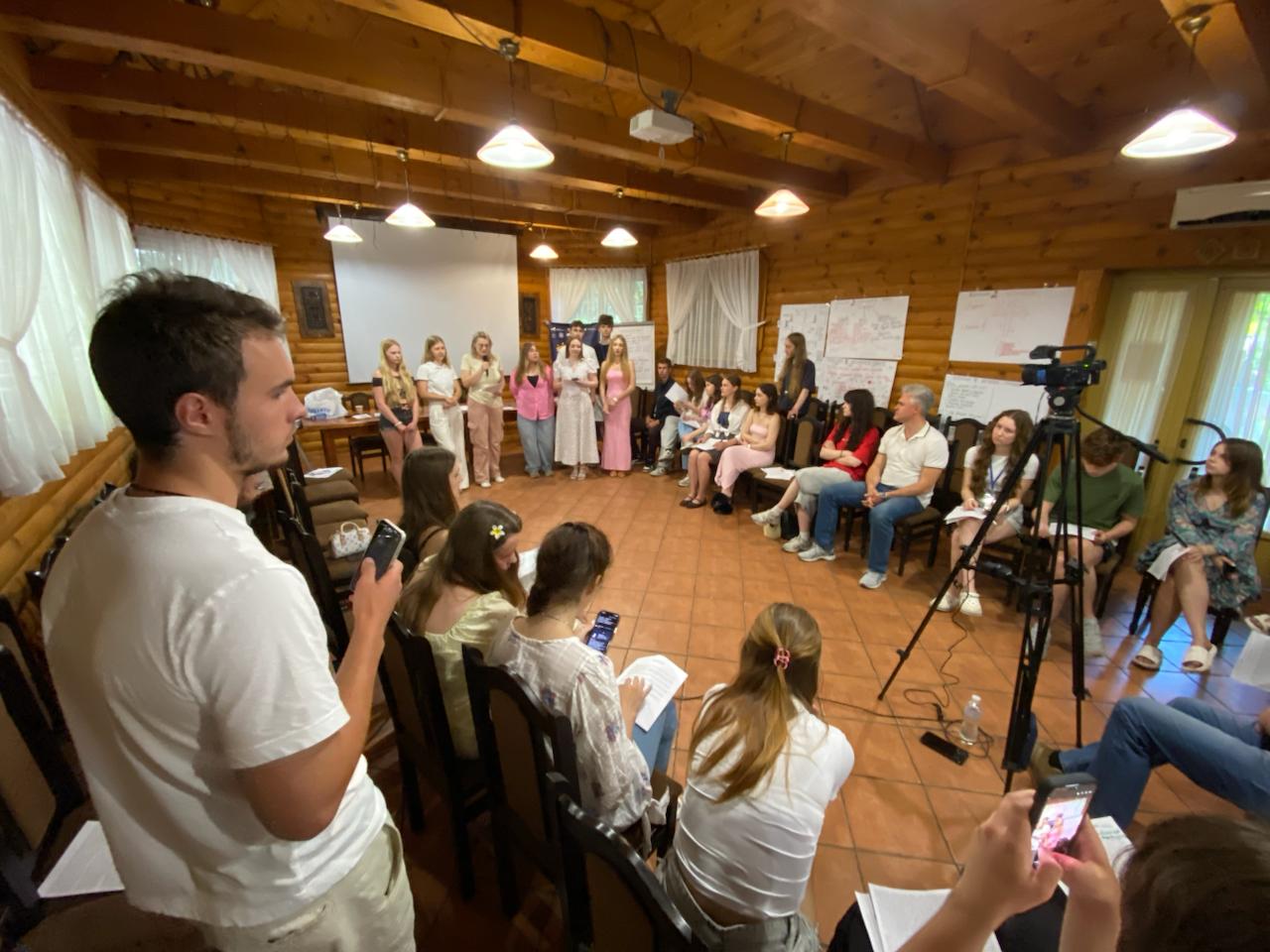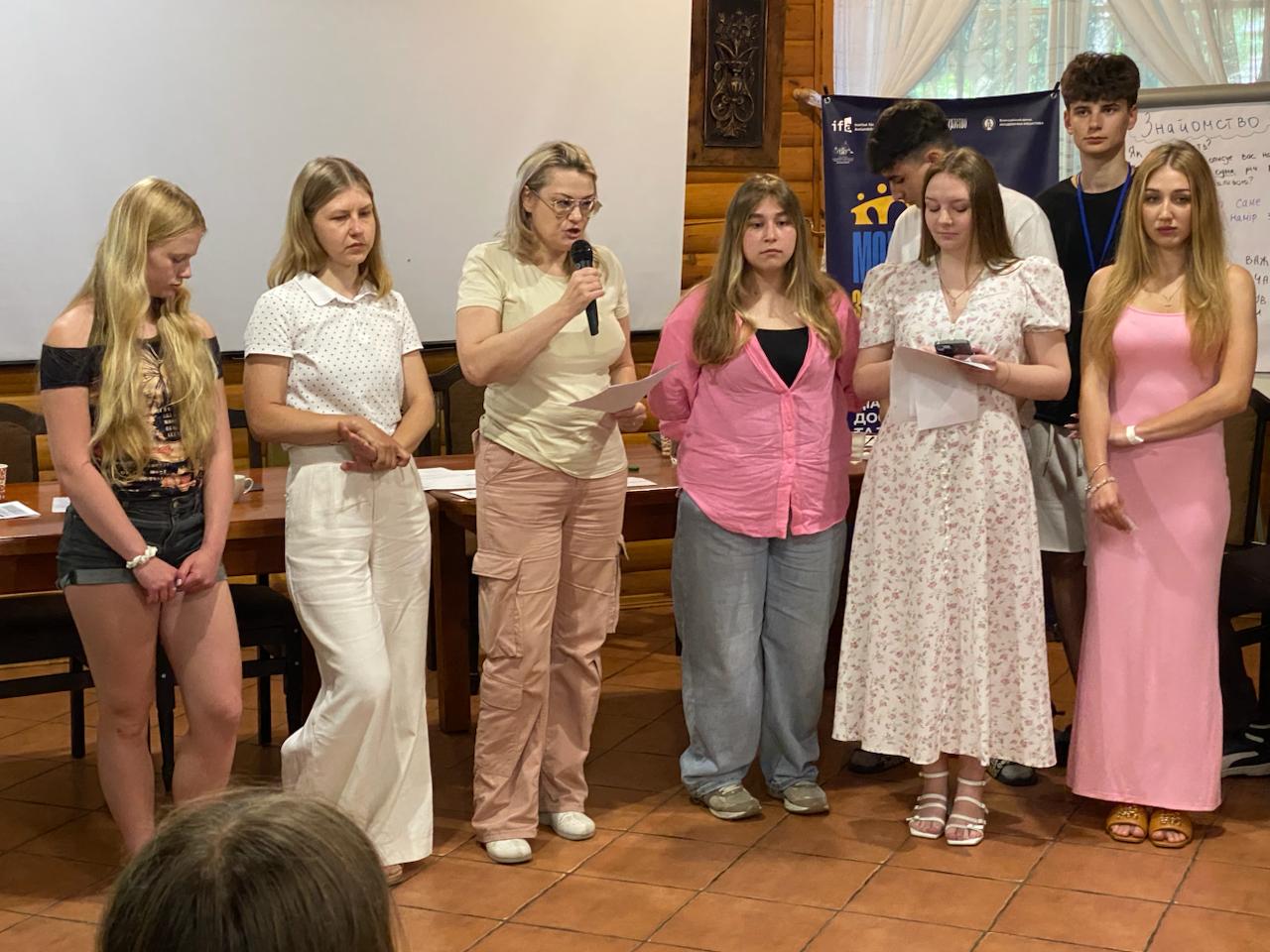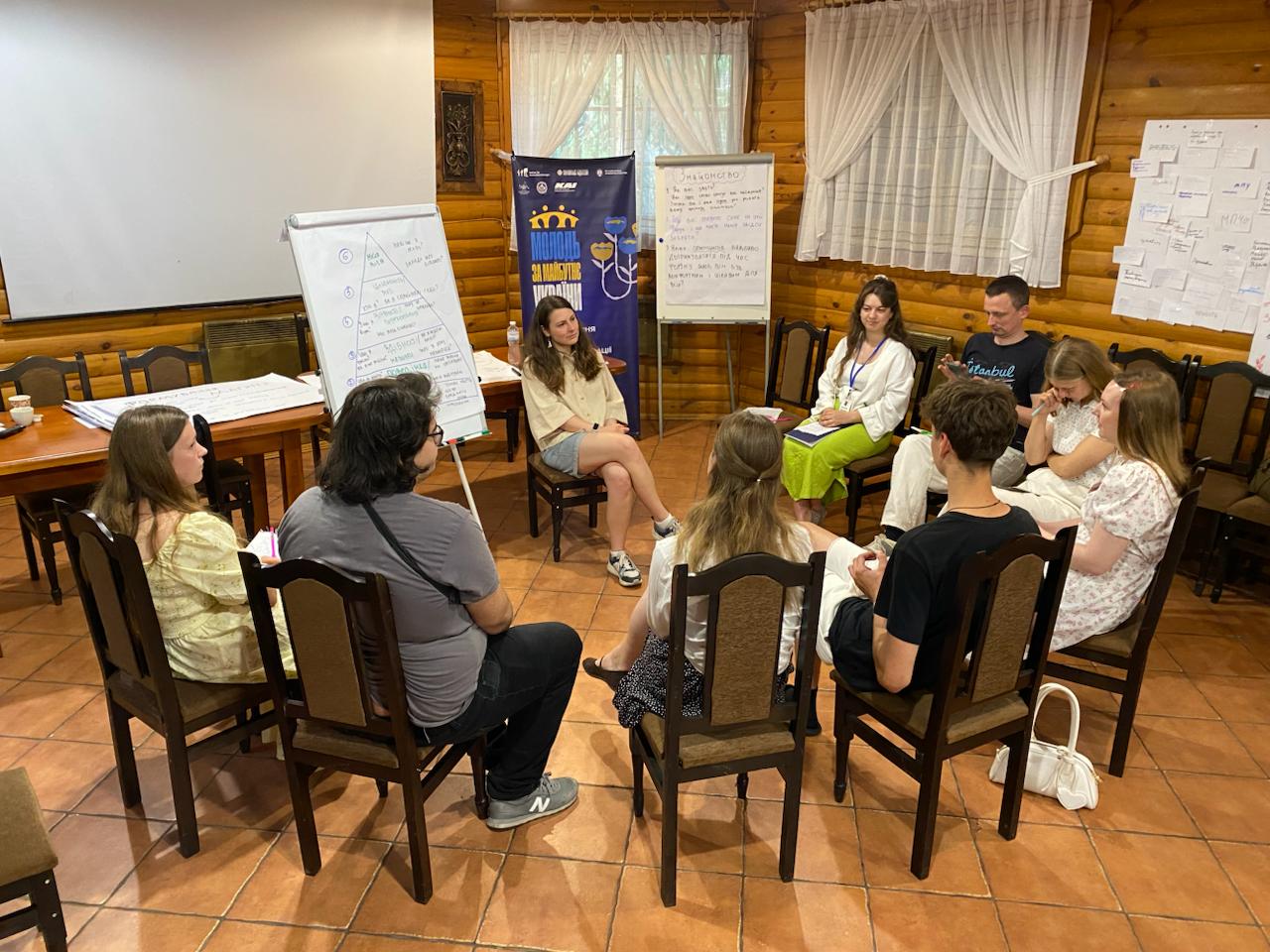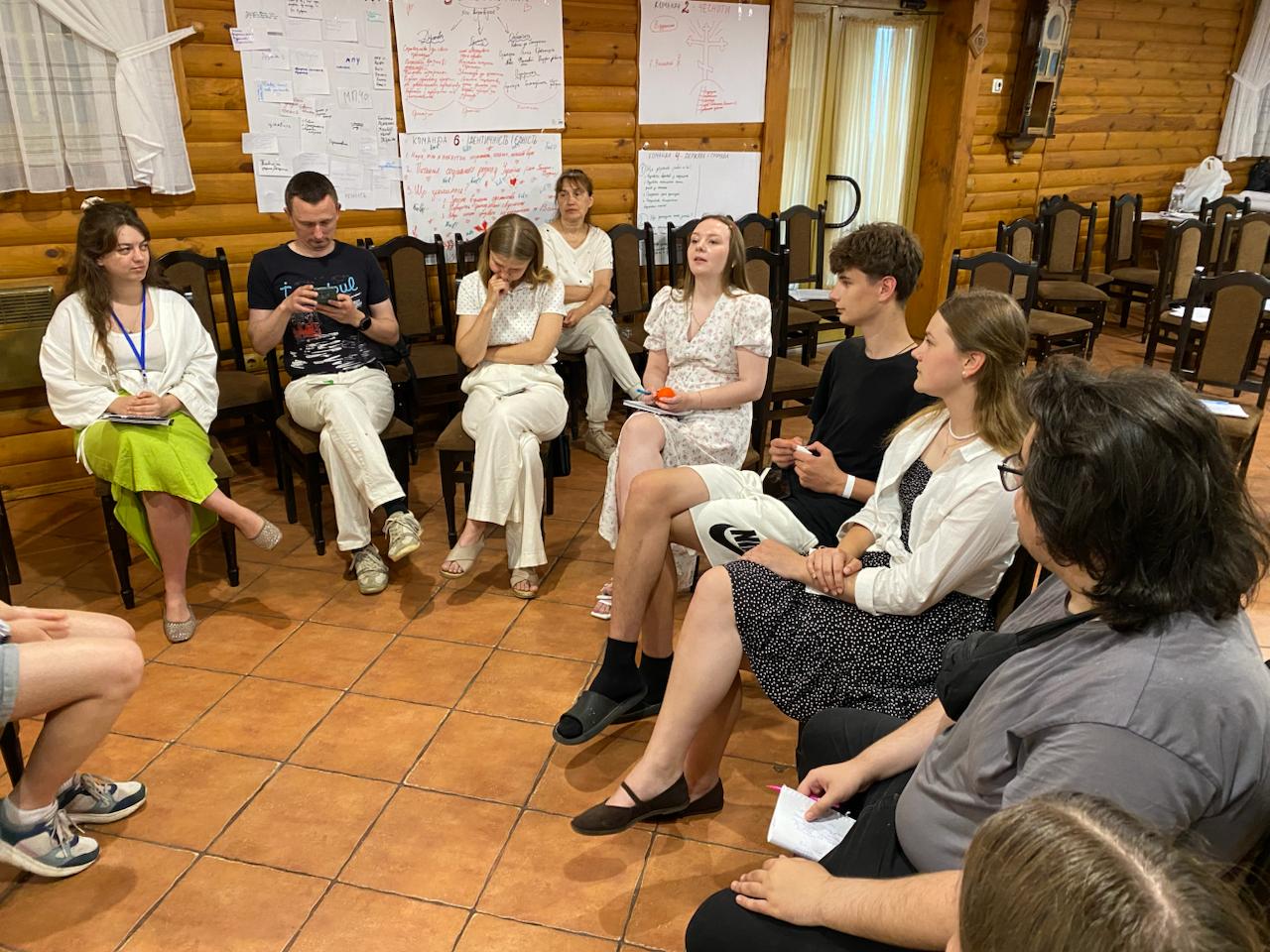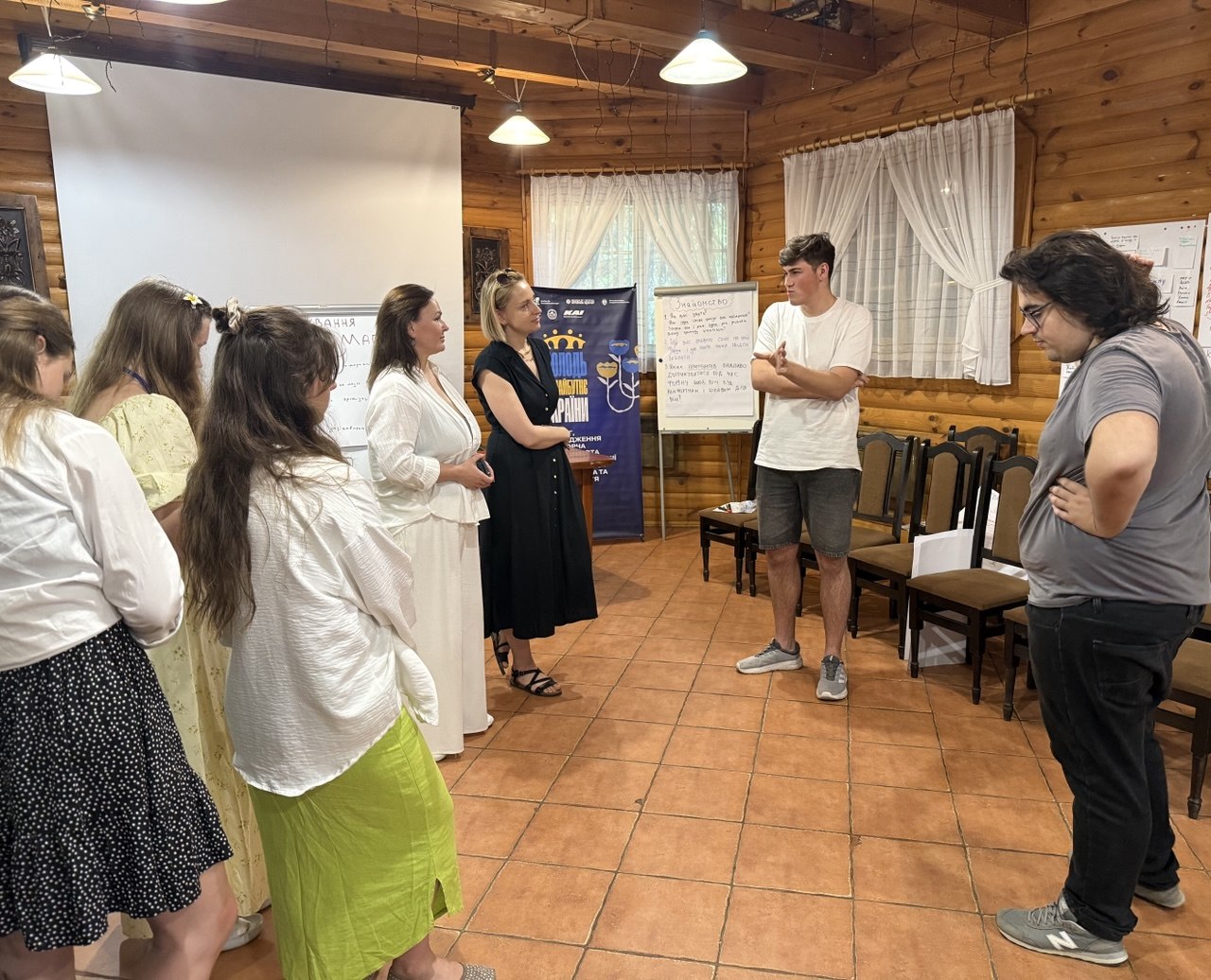

By the second and third days of the Forum, its participants had already become more than just attendees – they had formed a community of people ready to speak openly about Ukraine’s future, engage in meaningful discussions, search for common solutions, and learn to see the world through the eyes of others. That is why the final two days were devoted not only to lectures but also to intensive practical work, where everyone had the opportunity to challenge their own beliefs, learn how to defend their views, and, at the same time, listen to the arguments of others.
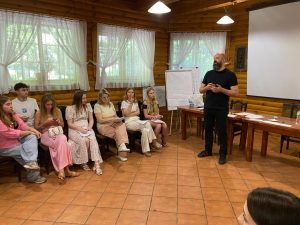
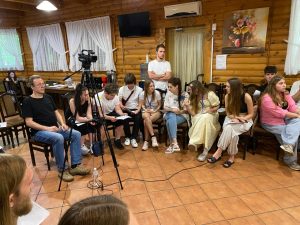
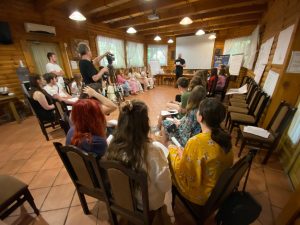
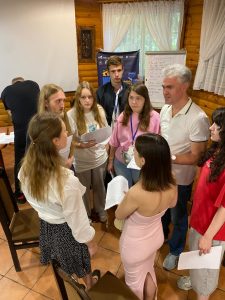
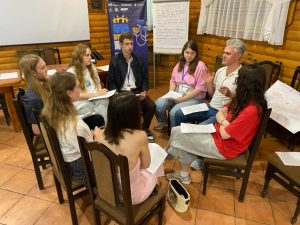
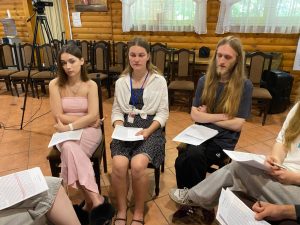
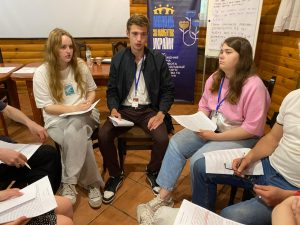
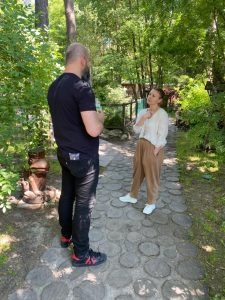
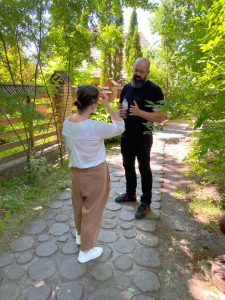
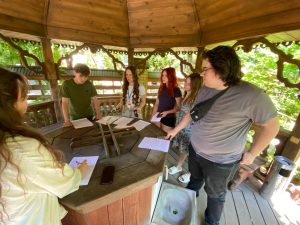
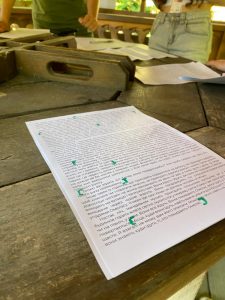
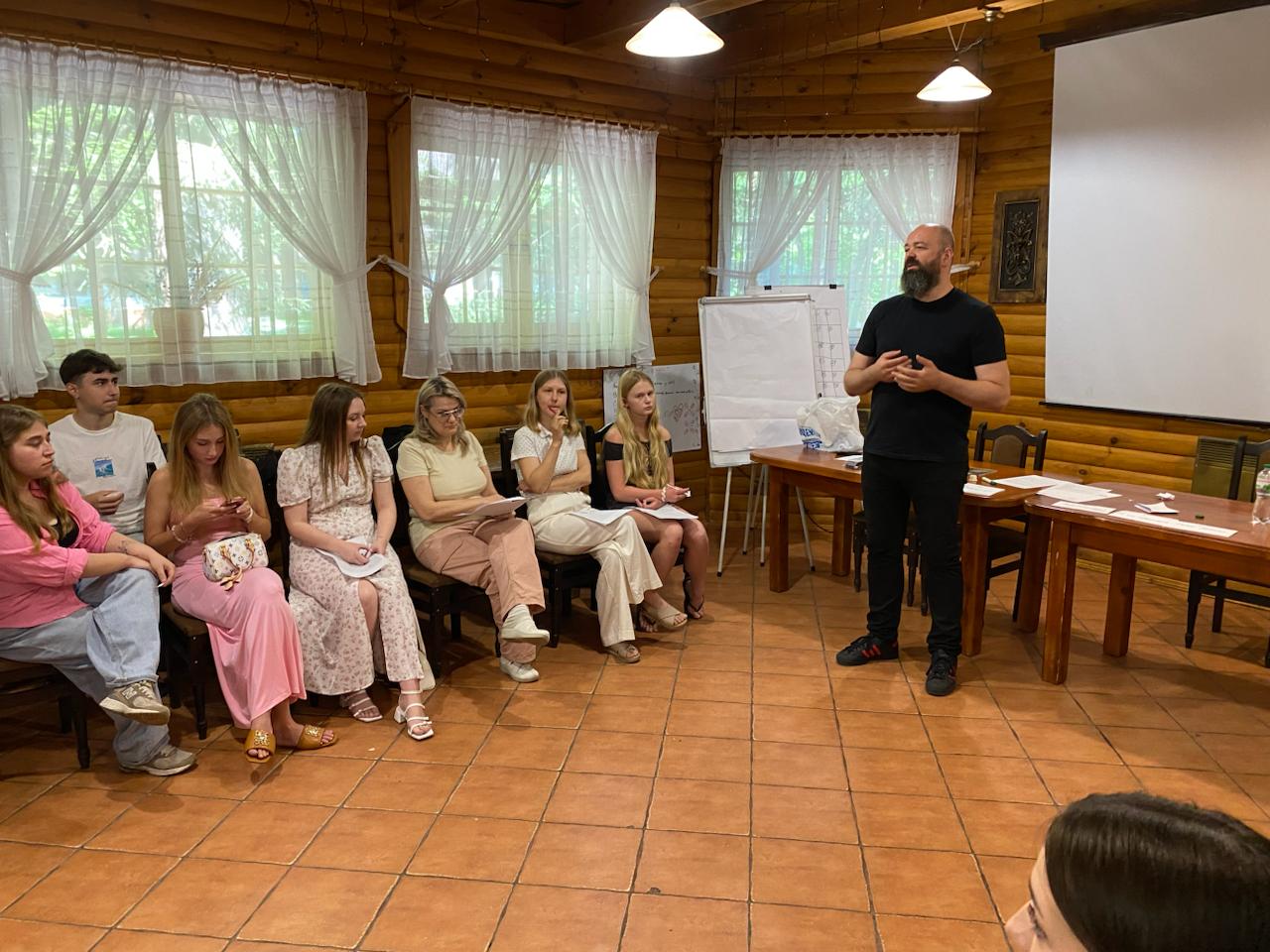
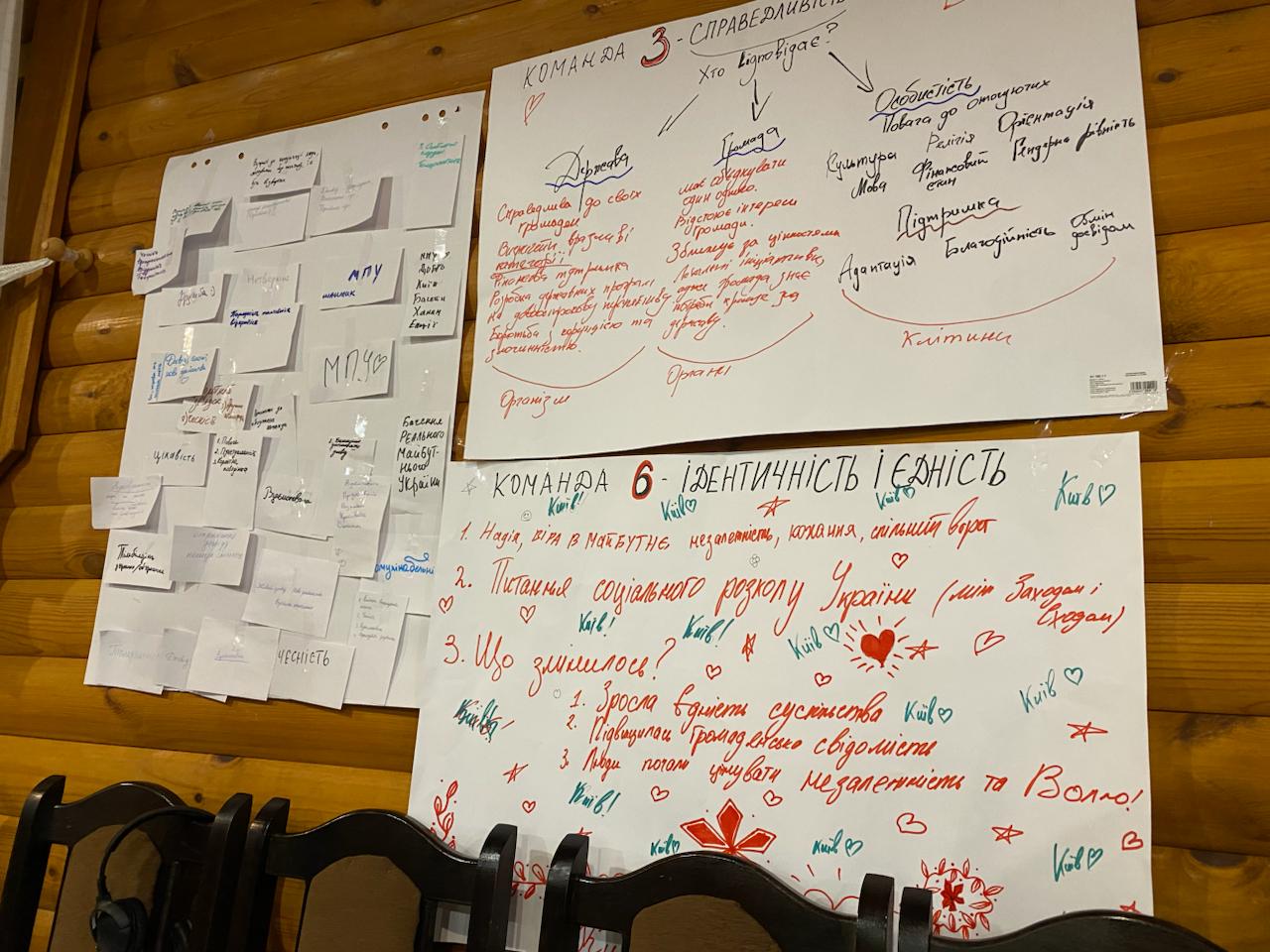
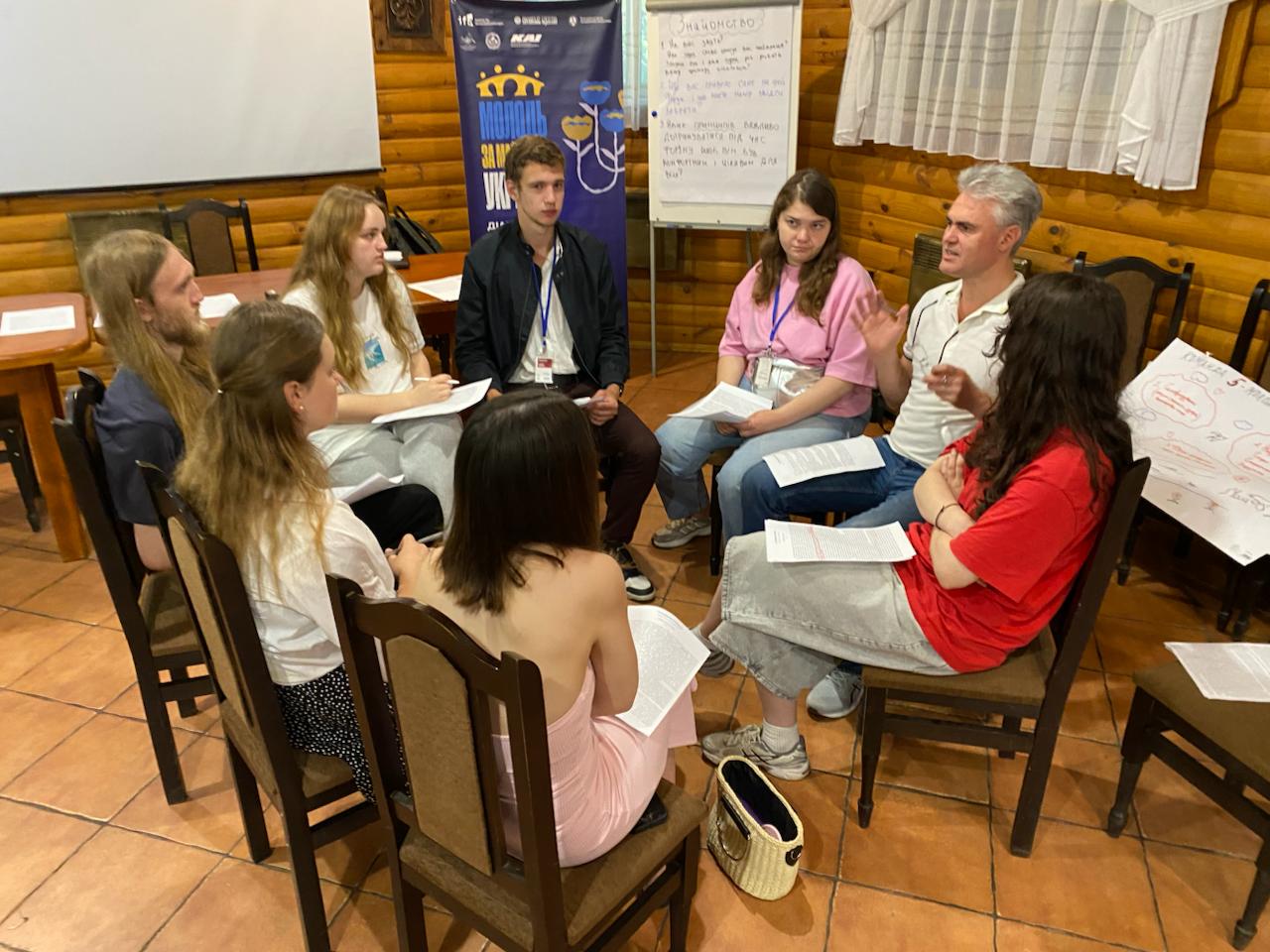
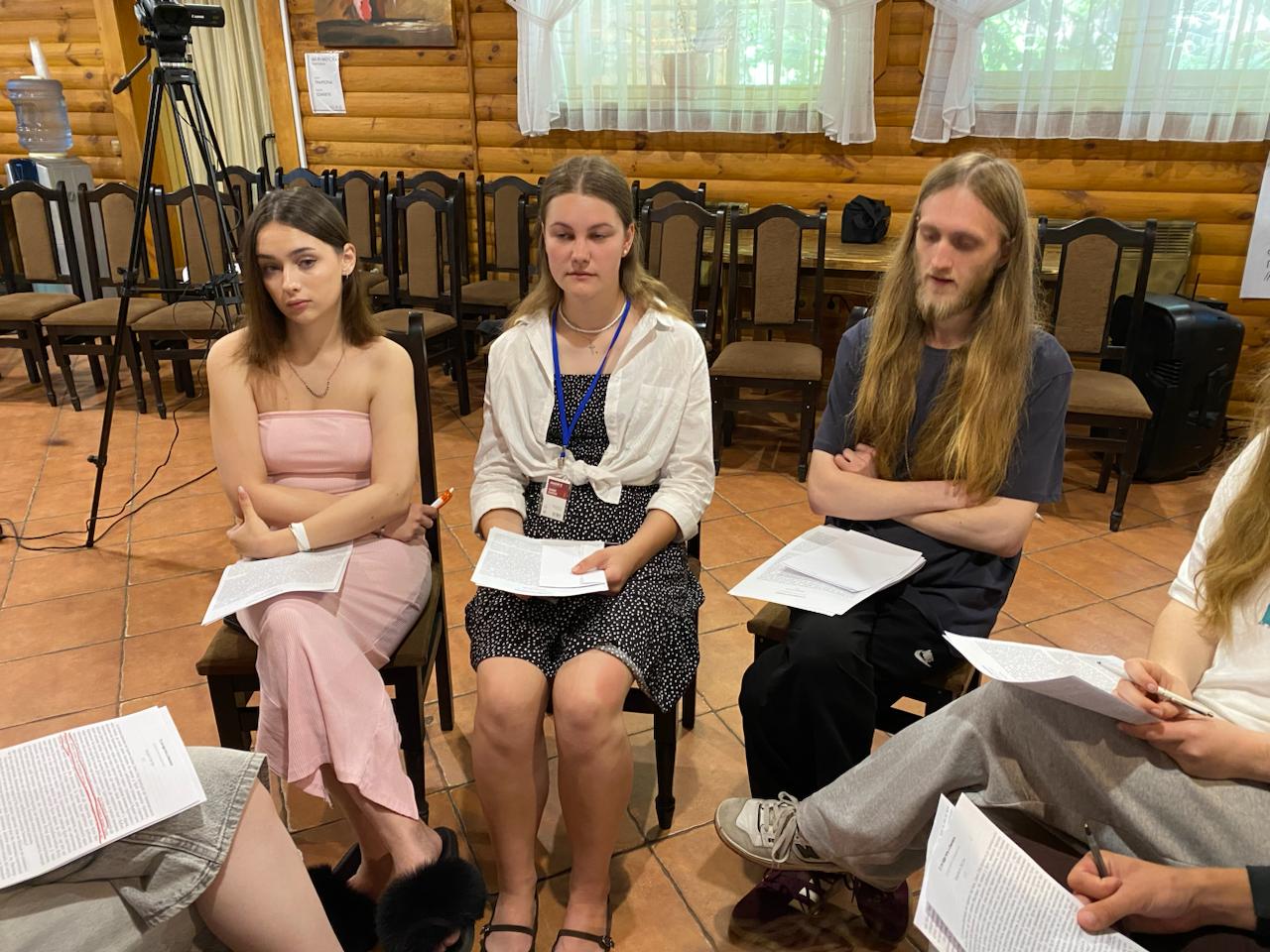
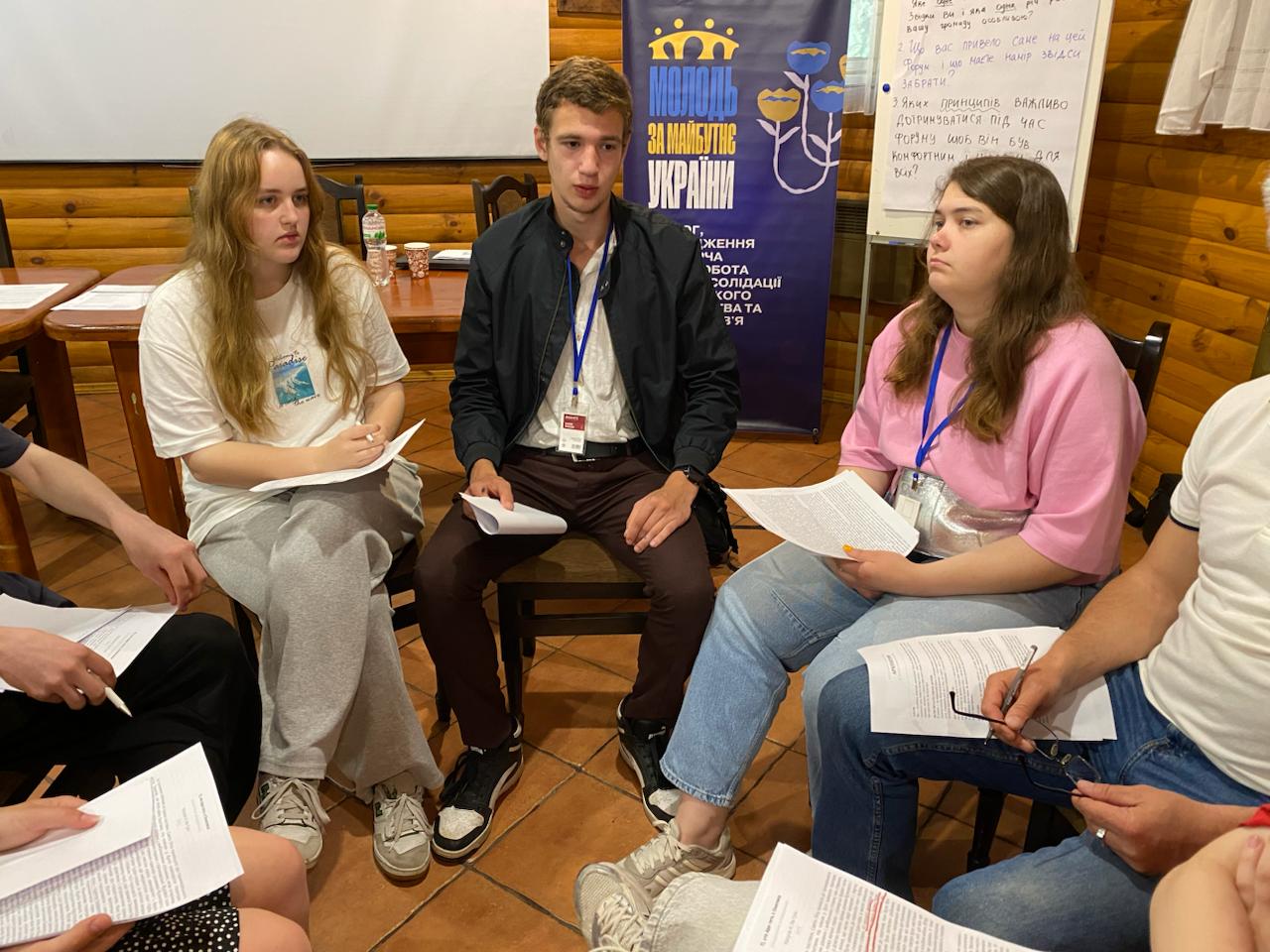
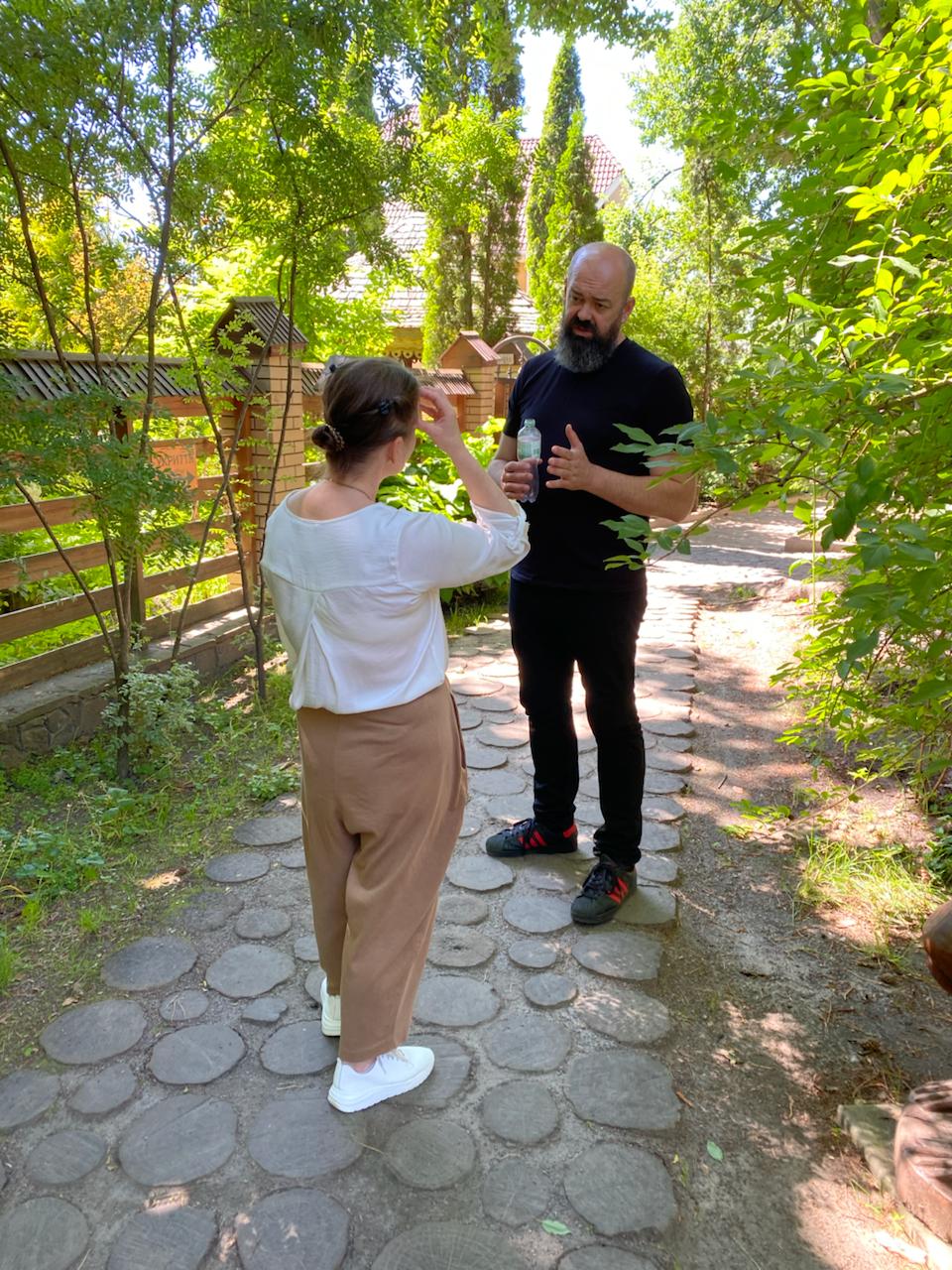
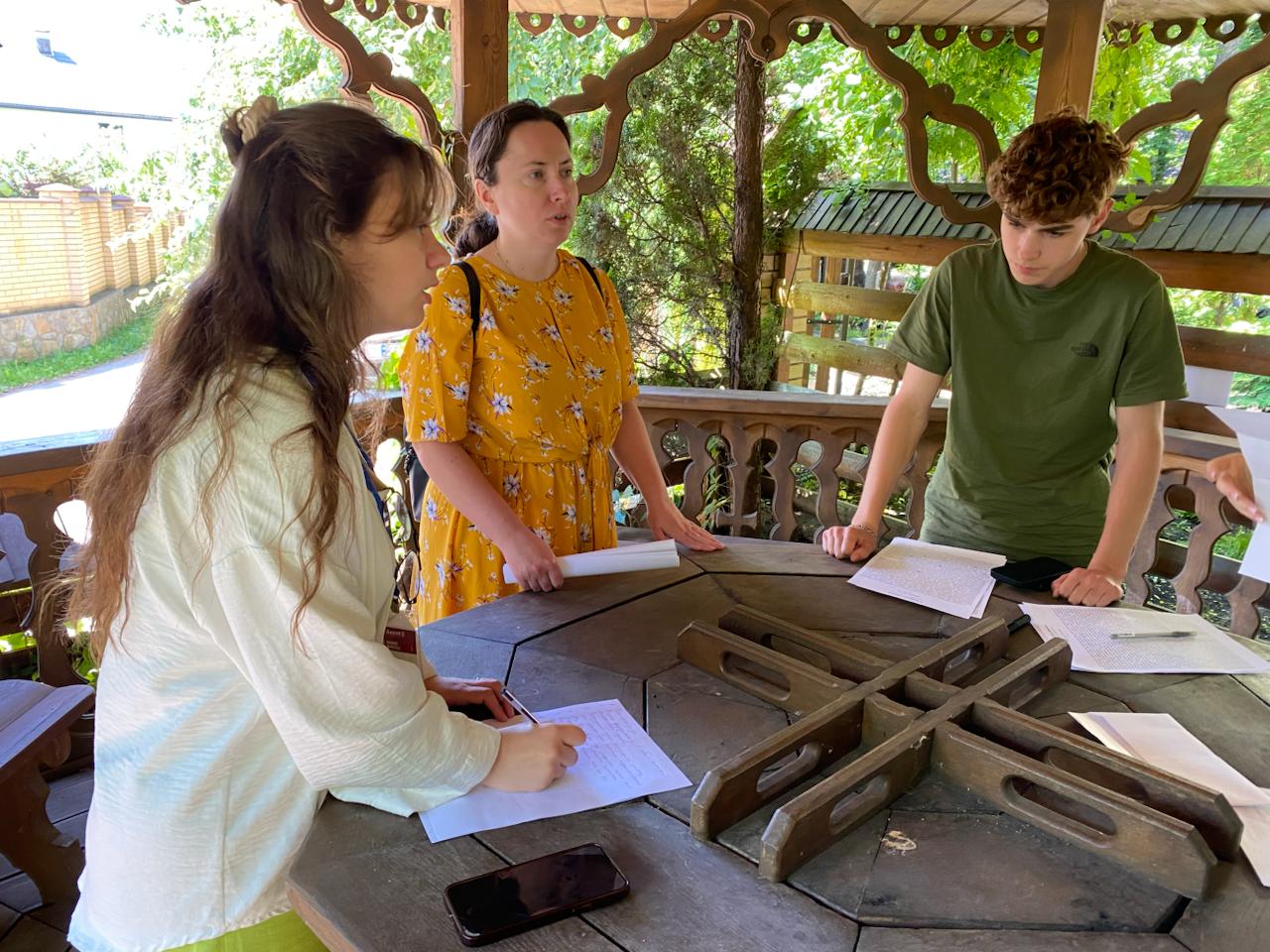
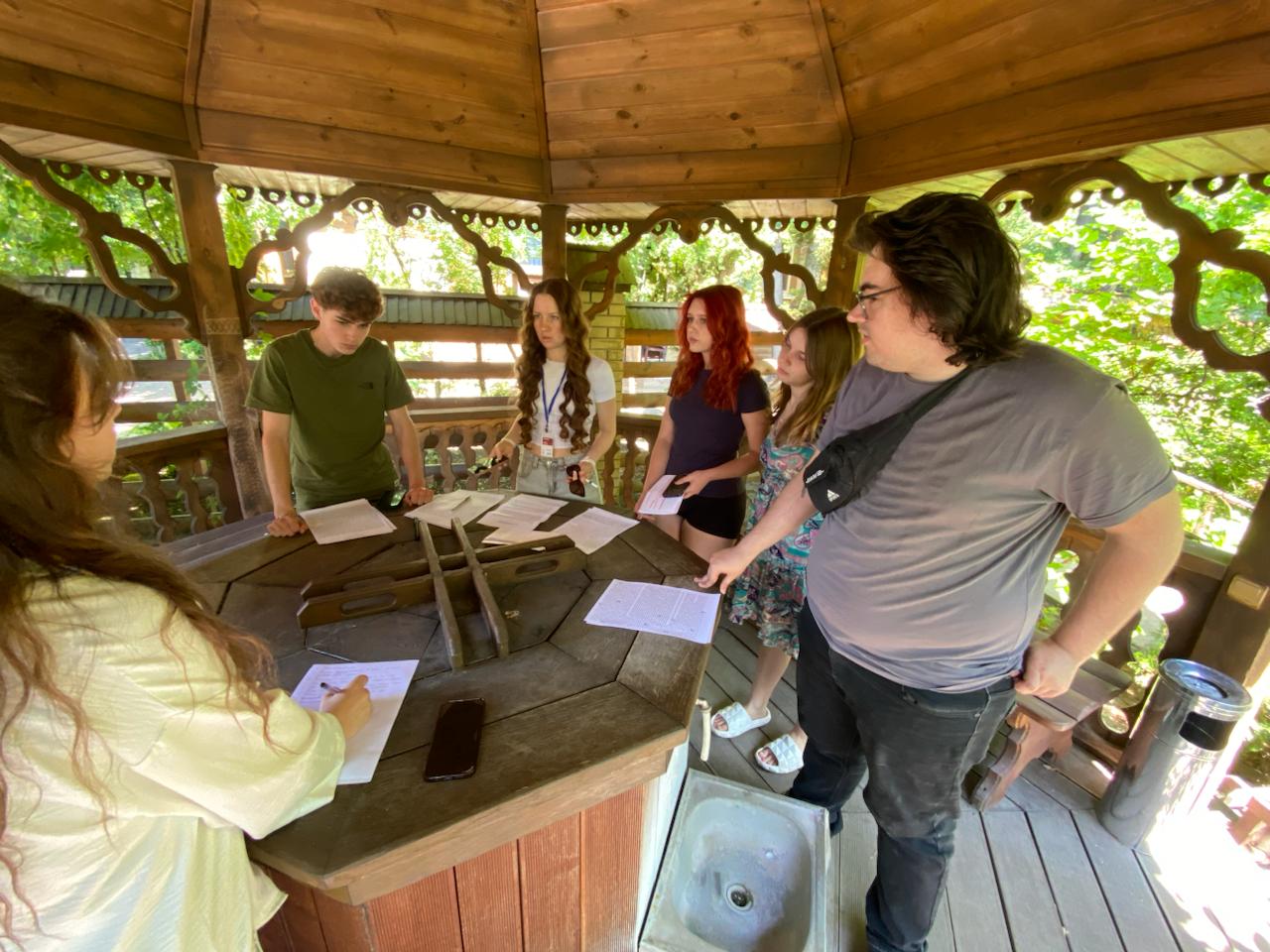
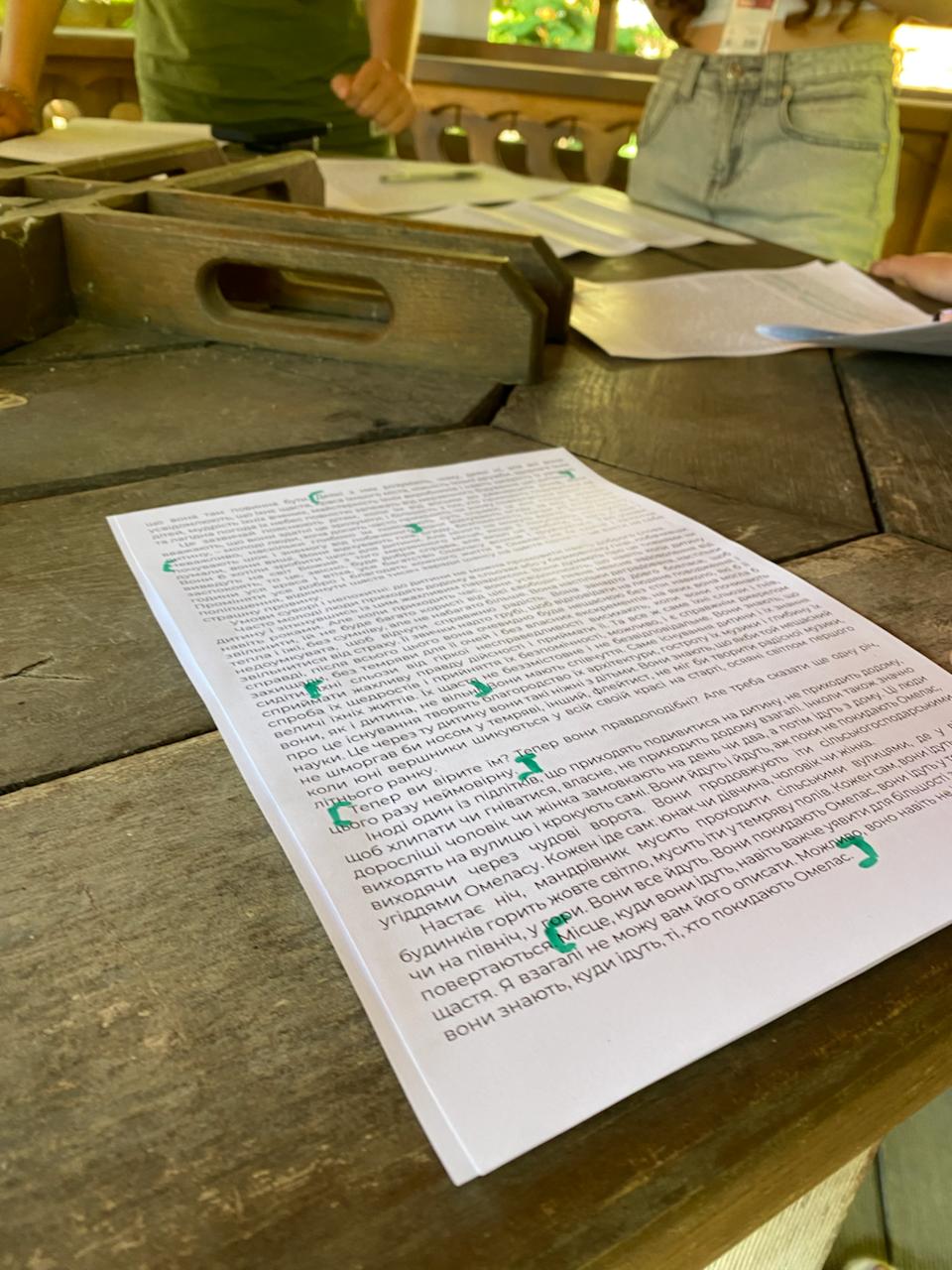
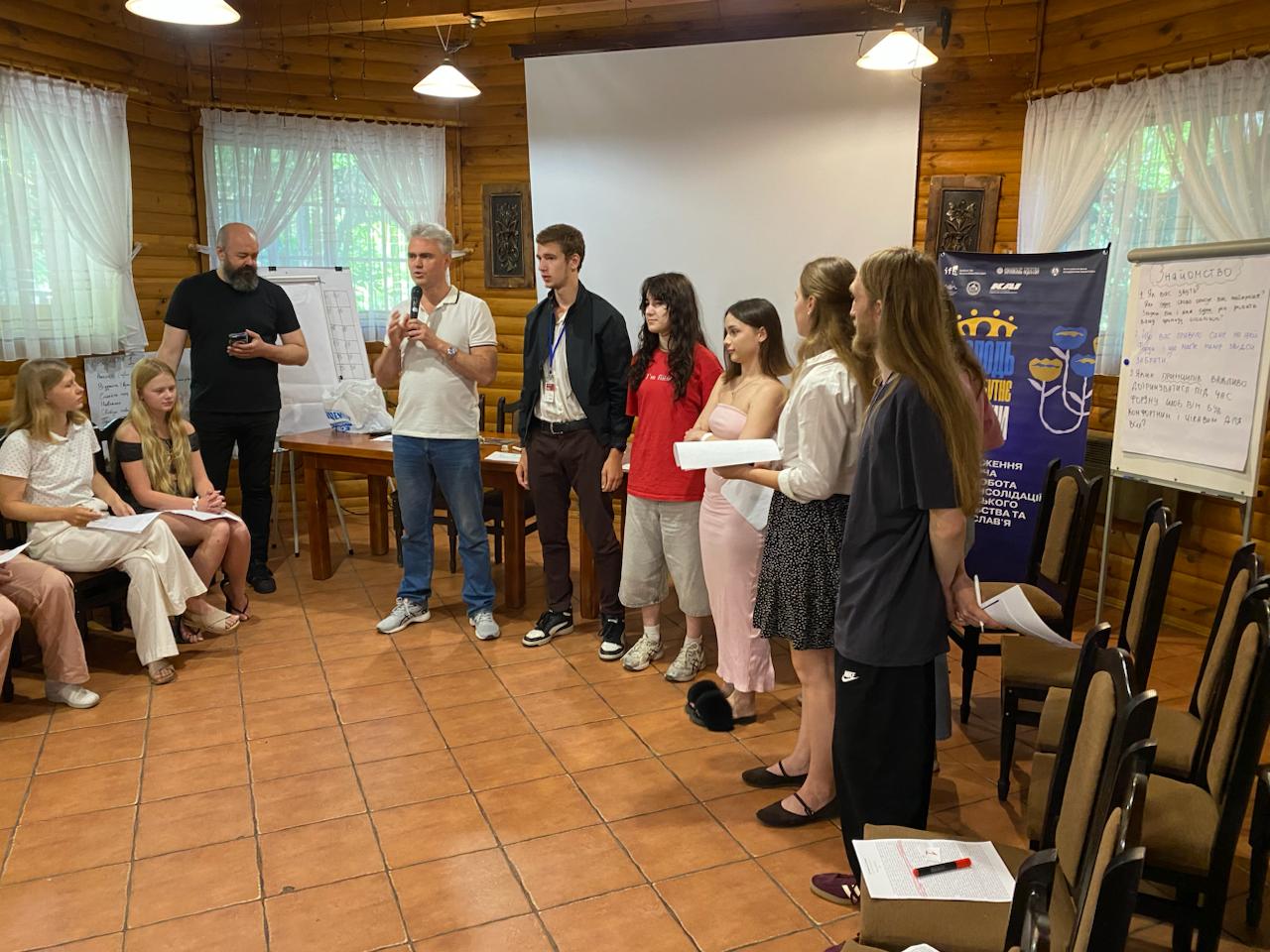
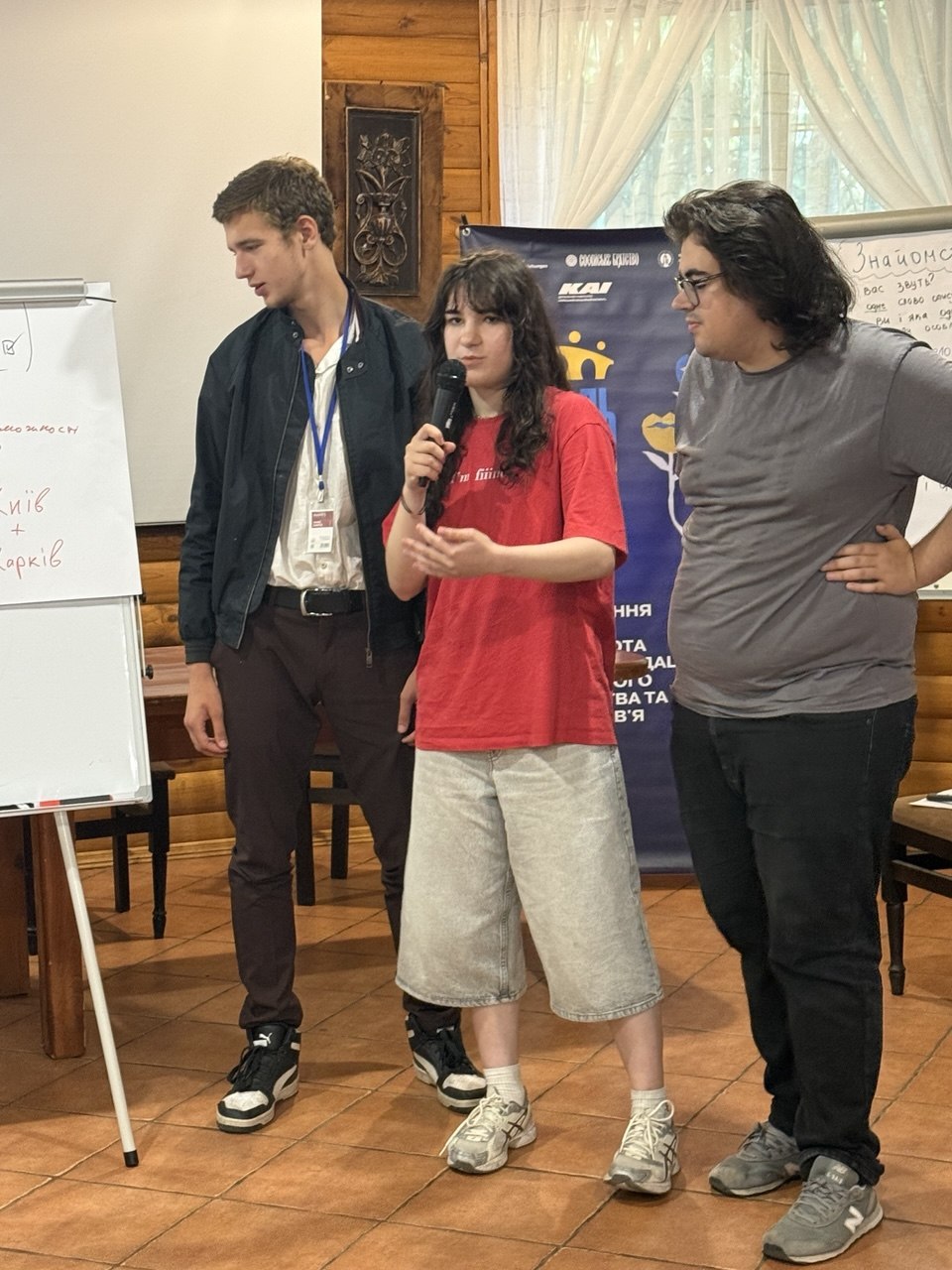
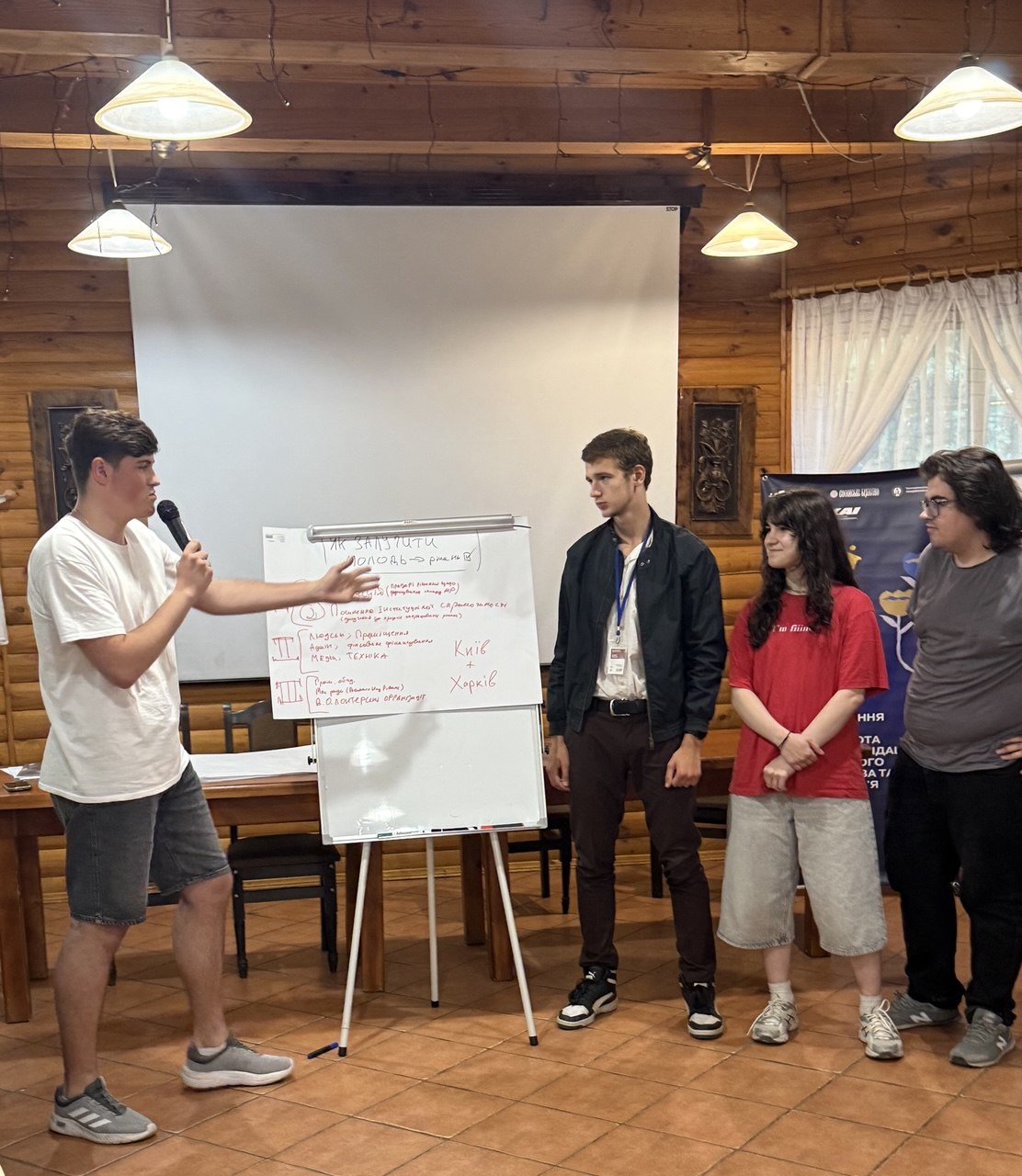
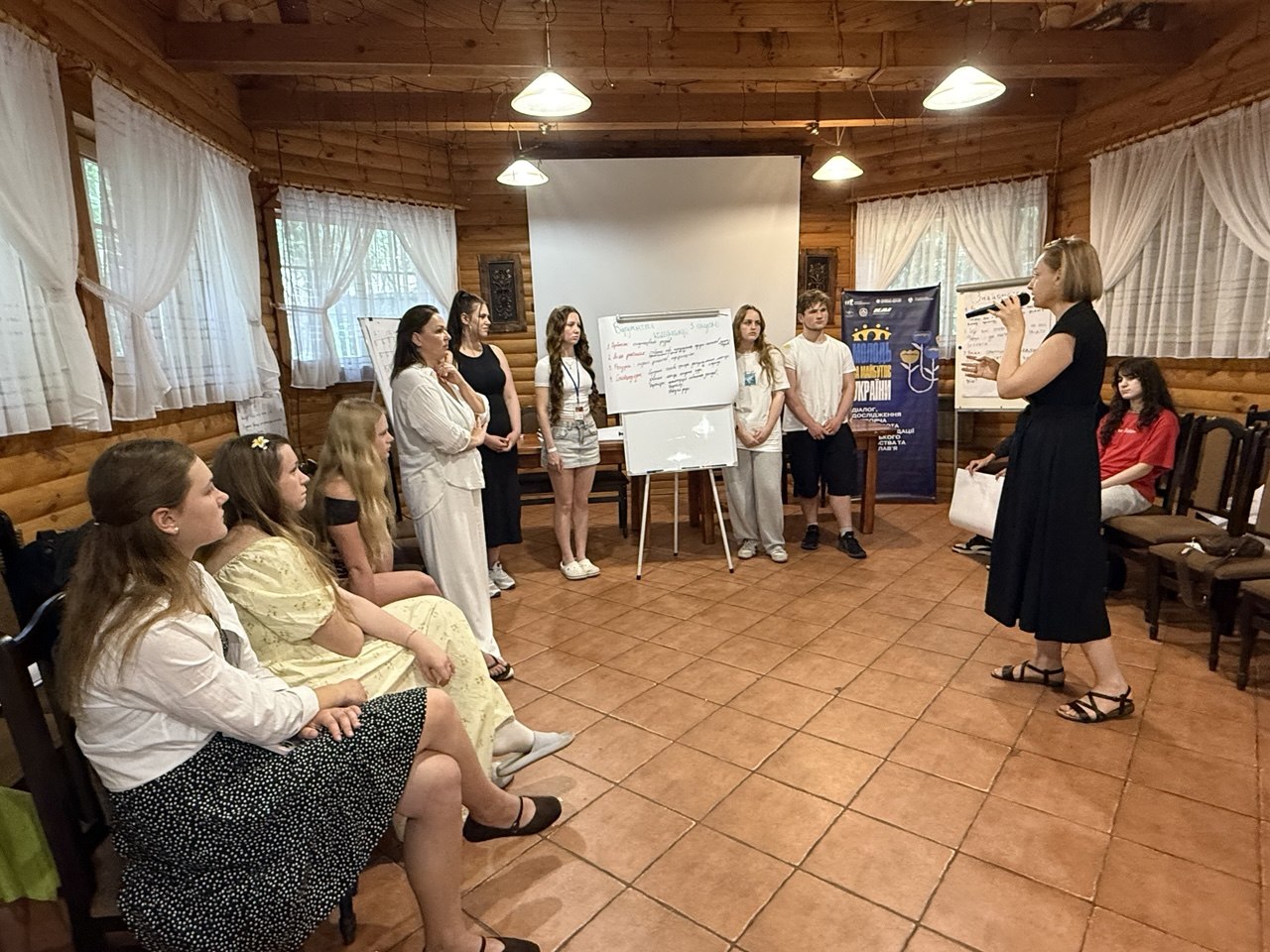
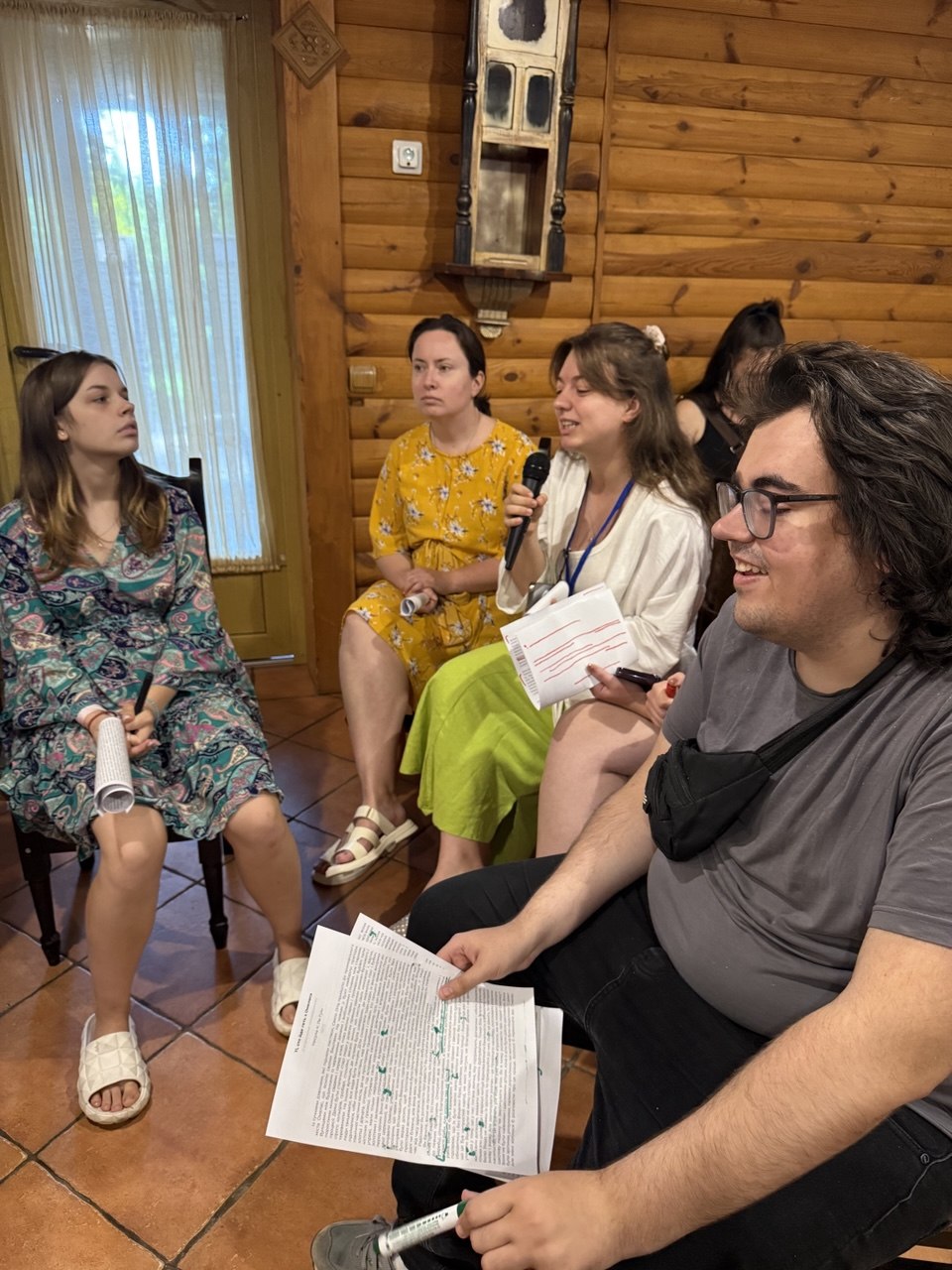
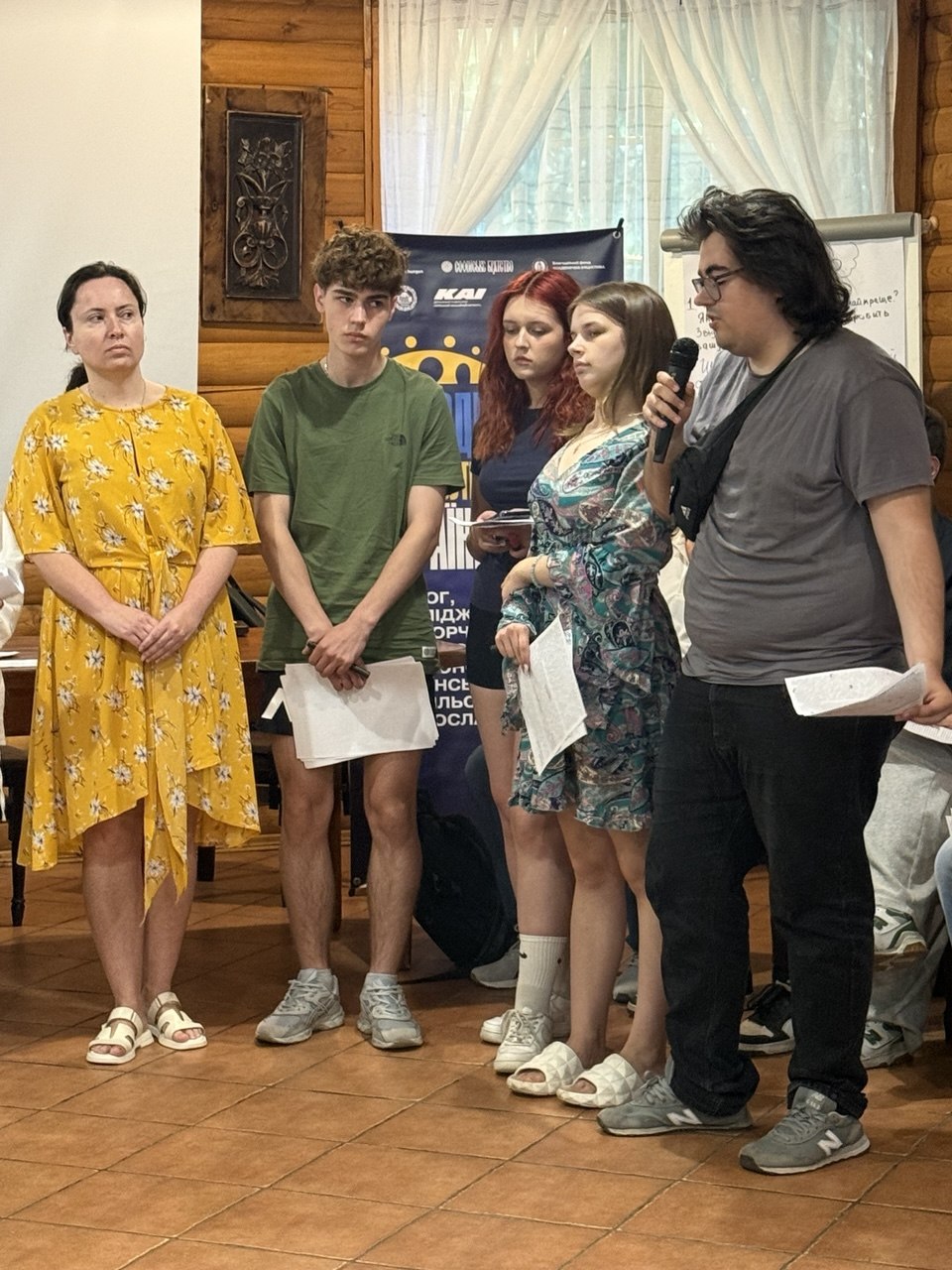
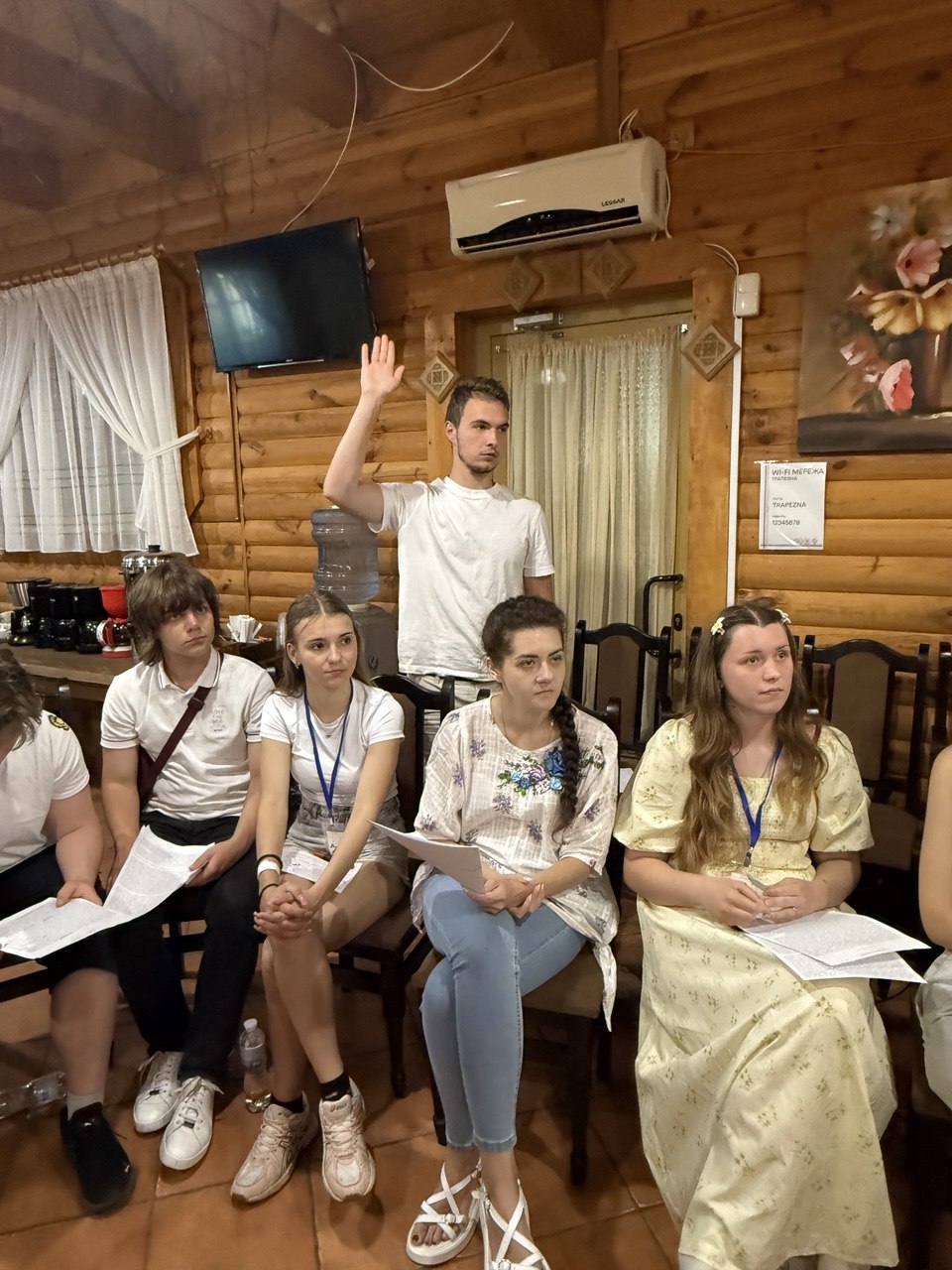
One of the highlights of the second day was a strategic session led by civic activist Denys Bloshchynskyi, dedicated to Ukraine’s future and the role of young people in rebuilding the country. Instead of delivering a traditional lecture, he invited participants to take part in an unusual thought experiment. After reading Ursula K. Le Guin’s short story The Ones Who Walk Away from Omelas, the participants were divided into four groups. Each team was tasked not only with expressing its own opinion but with defending the perspective of a particular role, justifying its position, and convincing others of its validity.
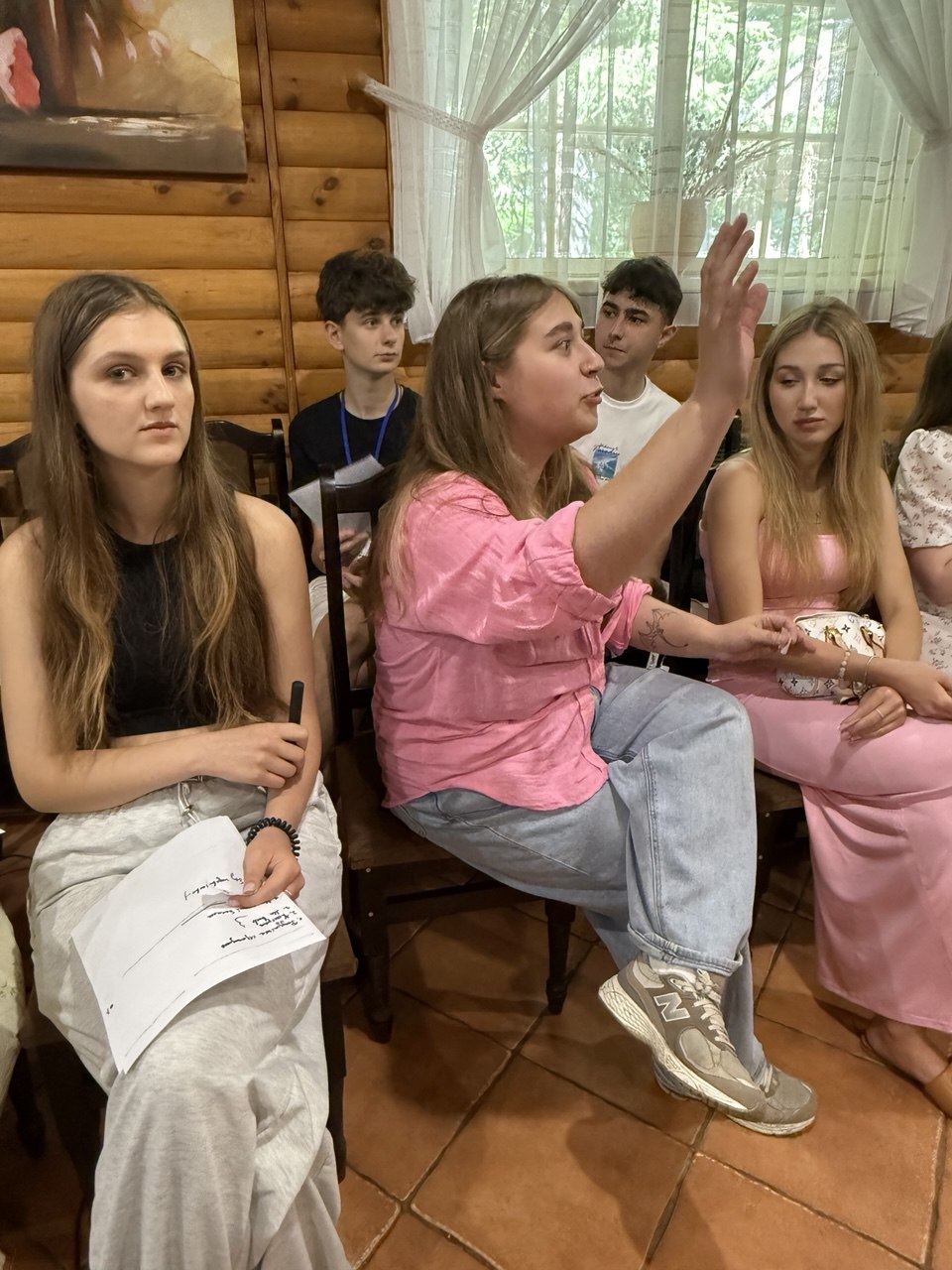
This format allowed the young participants to experience how difficult moral decision-making can be when every side has its own truth and its own arguments. The discussion quickly moved beyond the literary work itself and naturally evolved into a conversation about contemporary Ukraine, justice, responsibility, the cost of public well-being, and the role each individual plays in shaping the country’s future.
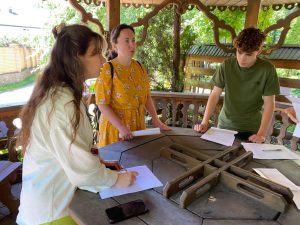
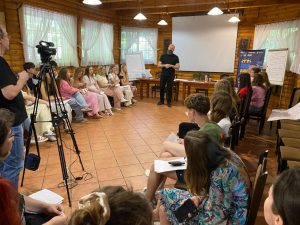
The practical continuation of this search took place during the strategic session “From Idea to Action: How a Young Leader Can Launch a Community Recovery Project,” led by community development experts Olena Khmelnyk and Olha Odarych. Participants worked on their own project ideas, discussed the challenges facing local communities, and explored practical ways to transform good intentions into meaningful change.
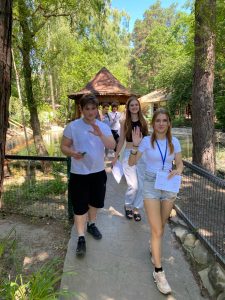
In the afternoon, the Forum continued with personal development workshops, dialogue-based activities, and training sessions focused on leadership, resilience, and teamwork.
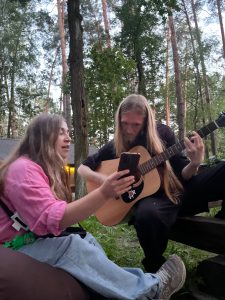
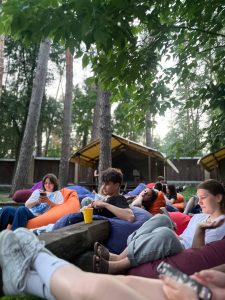
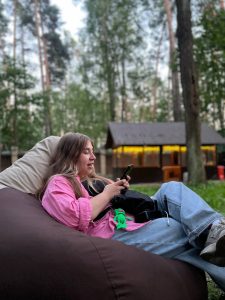
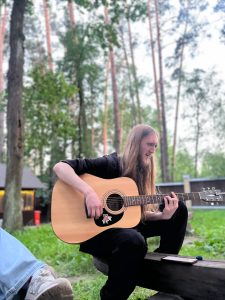
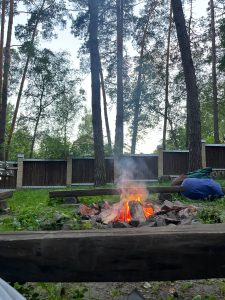
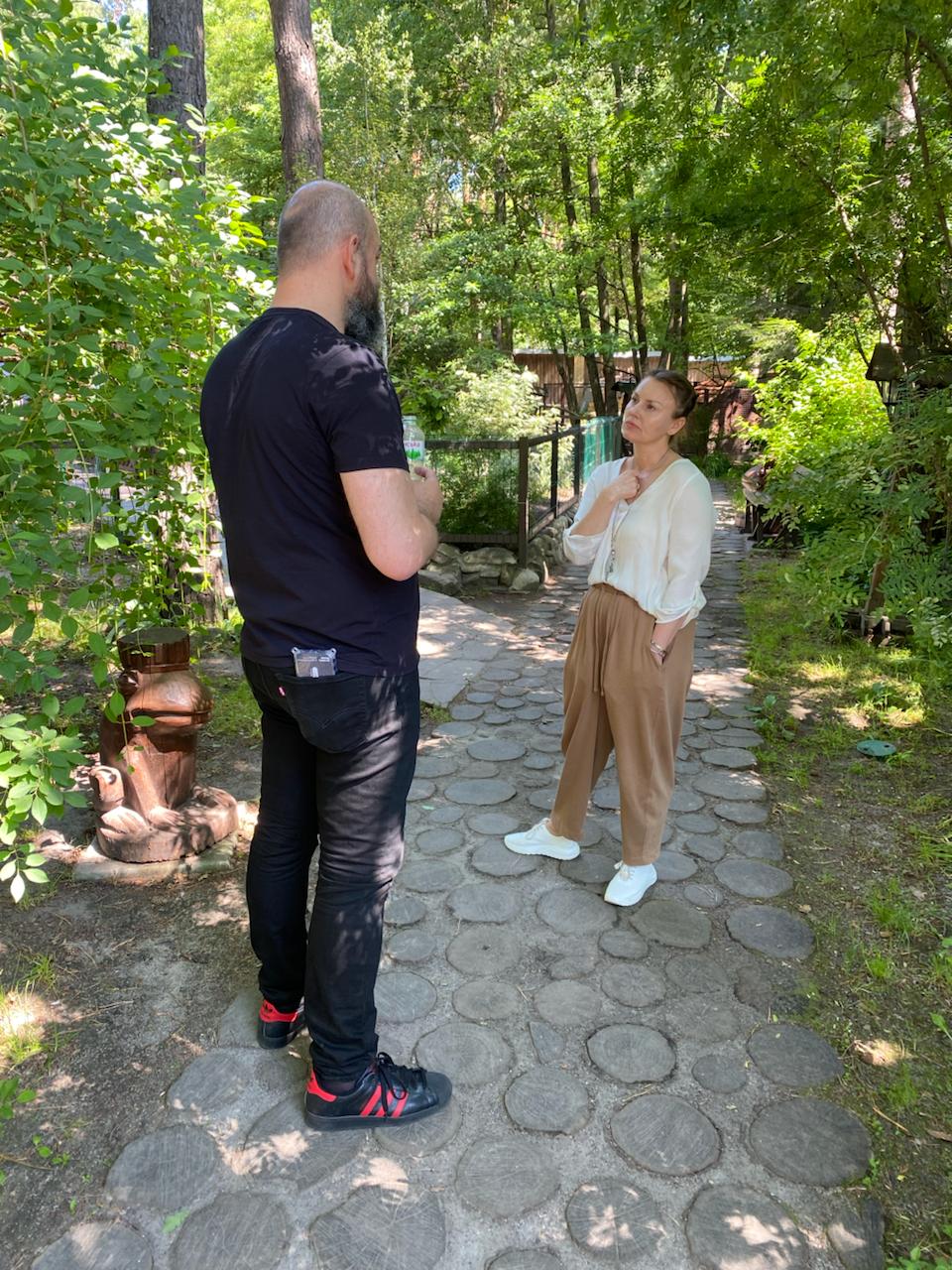
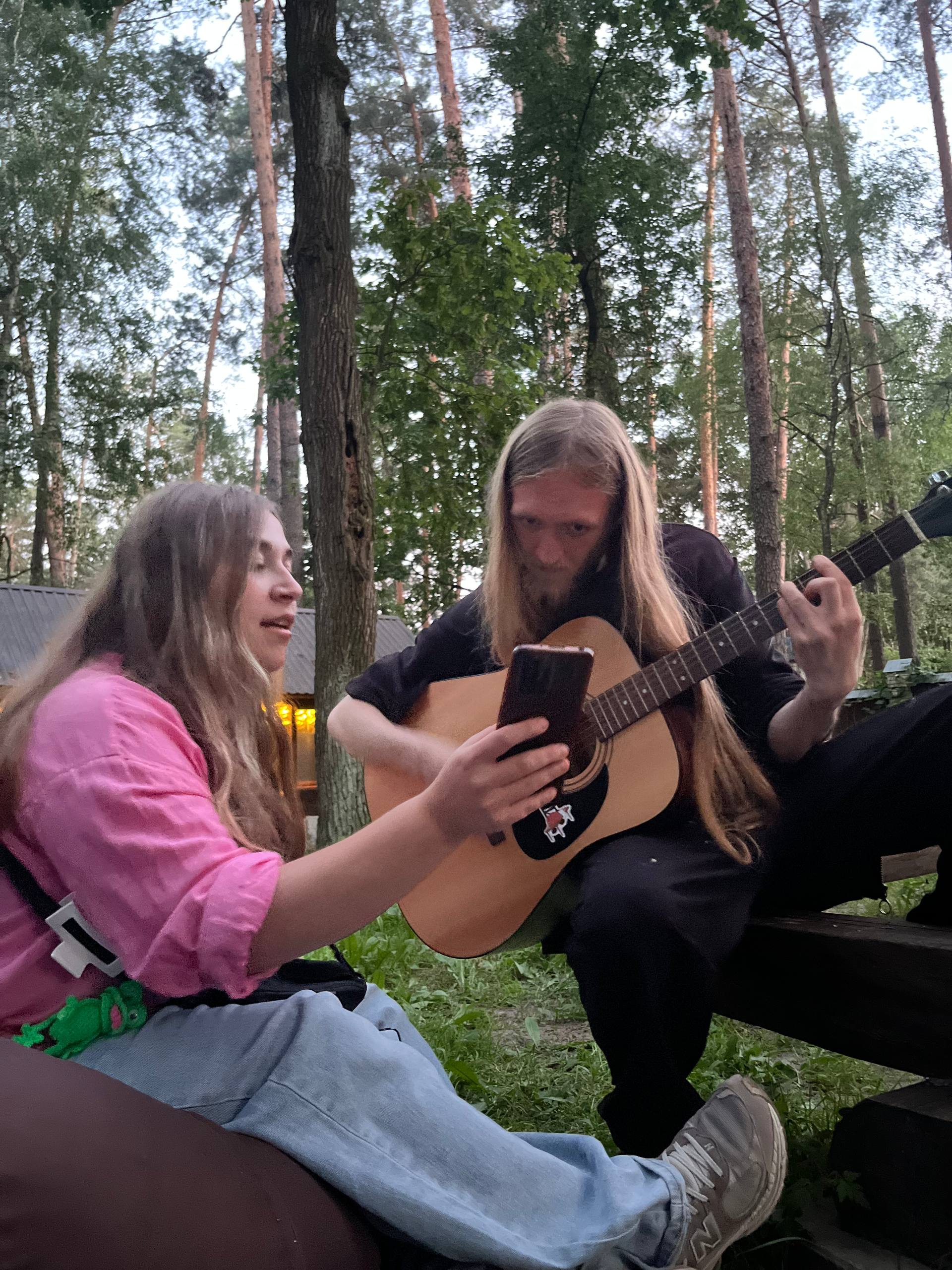
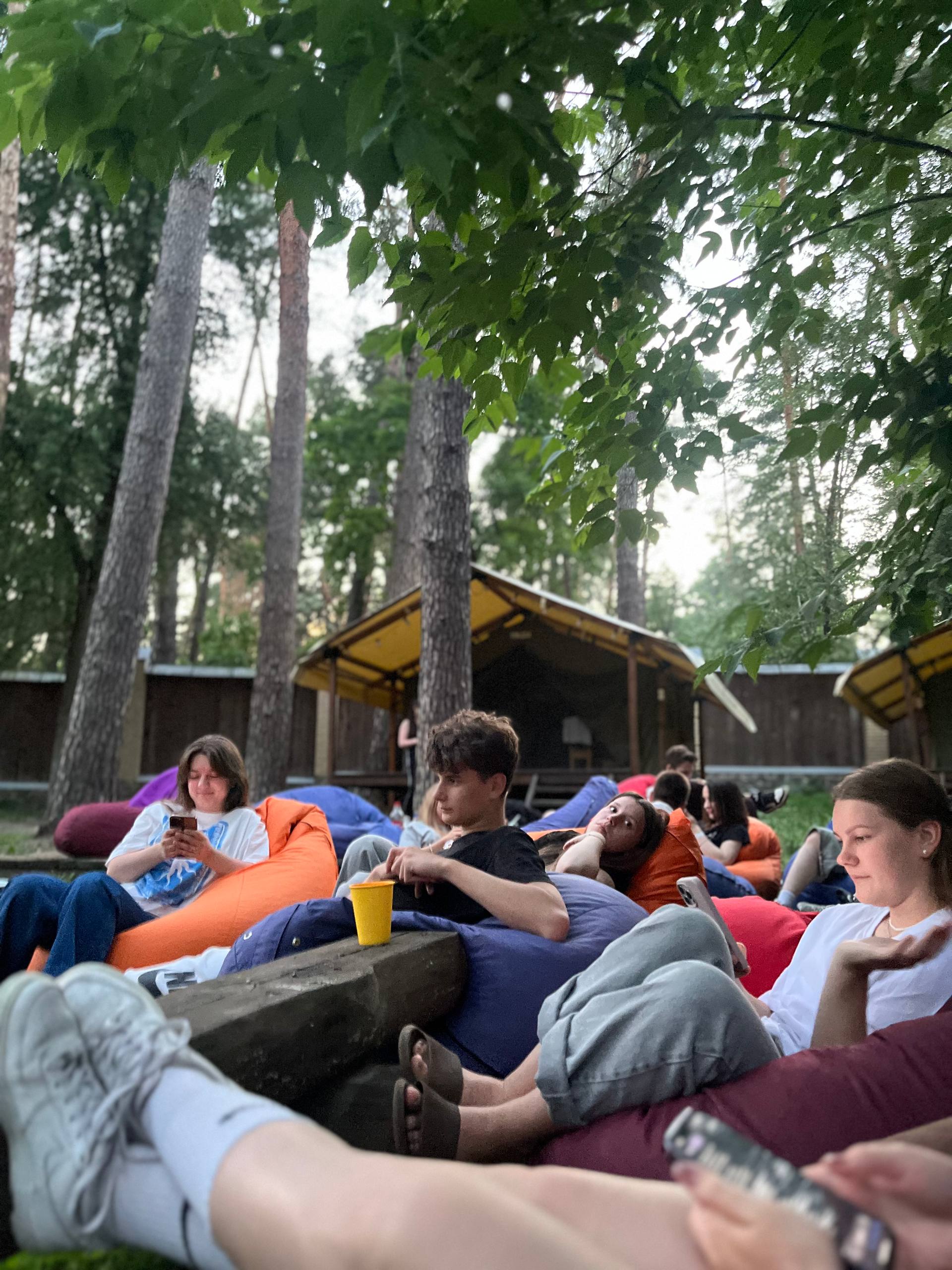
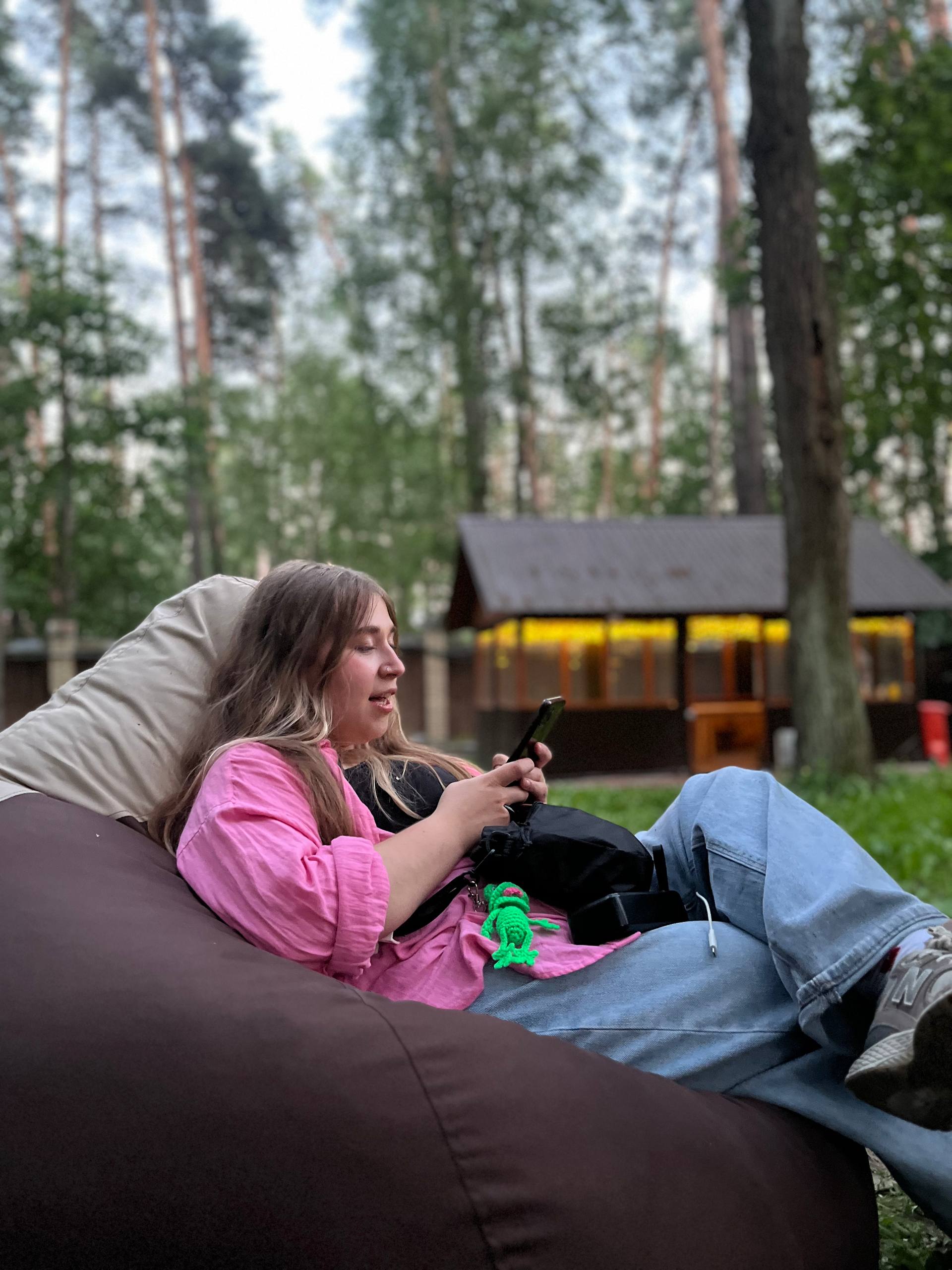
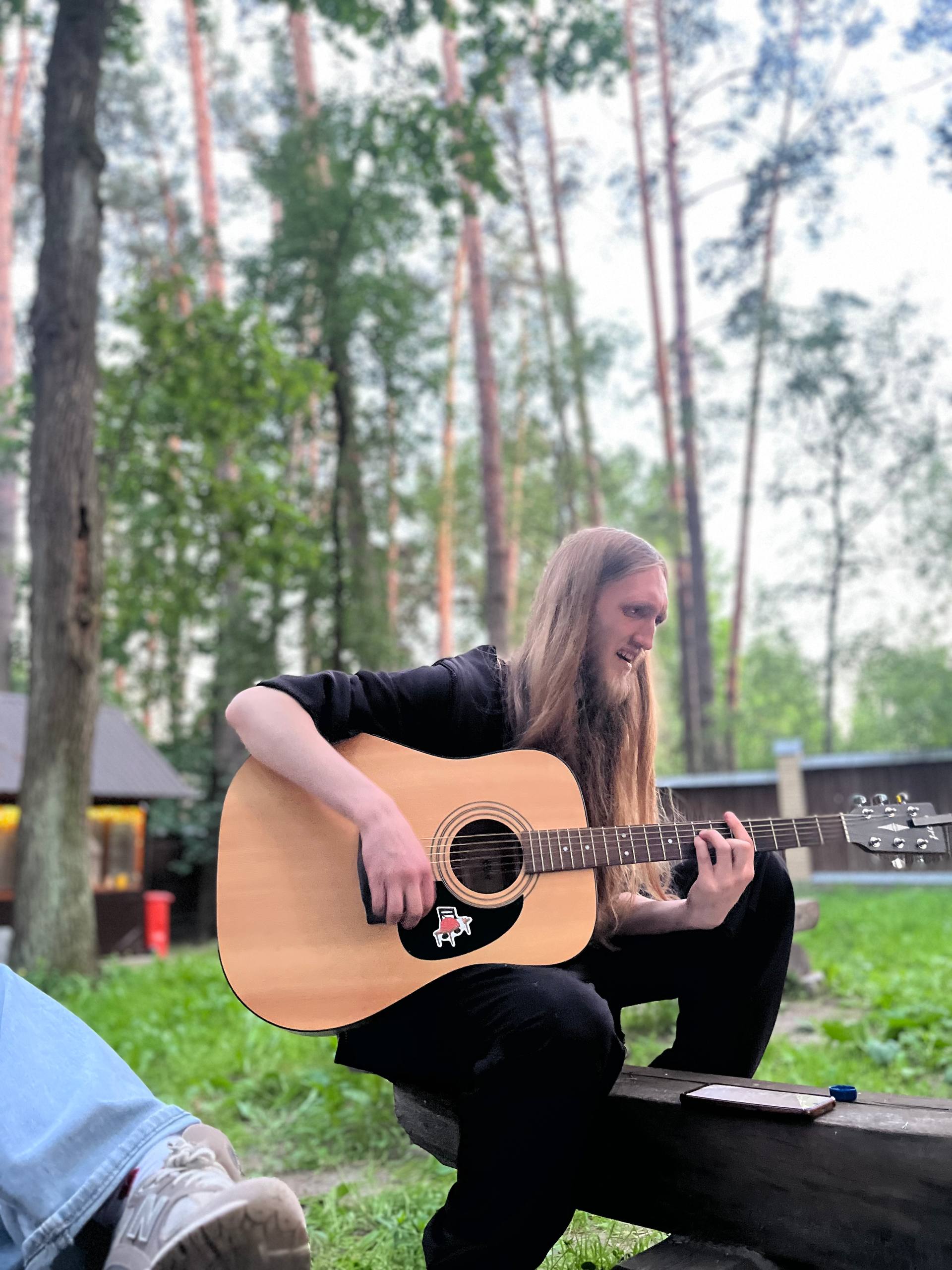
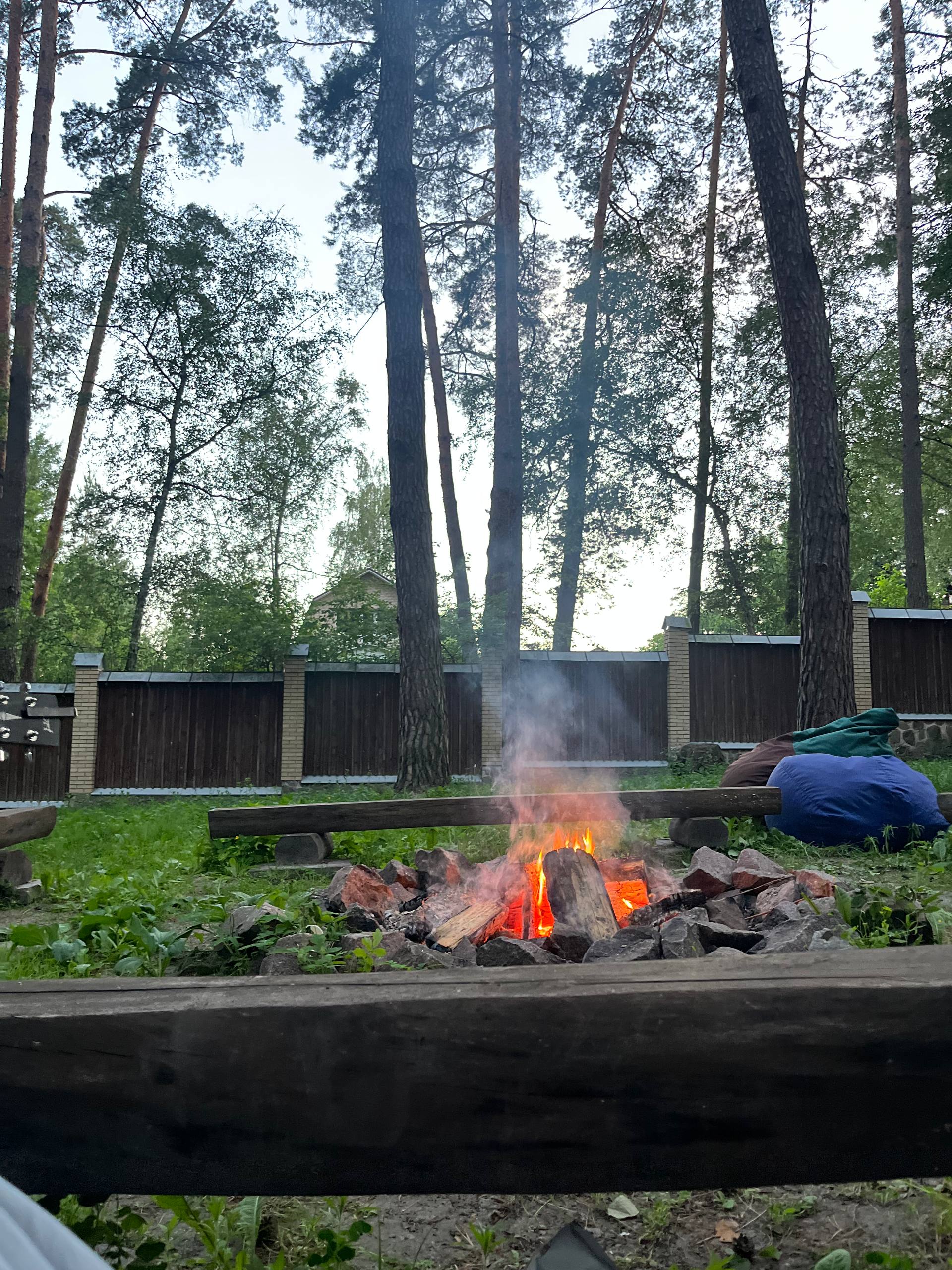
The informal part of the Forum proved equally valuable. During evening gatherings and conversations around the campfire, participants continued the discussions that had begun during the lectures and workshops. It was in this relaxed atmosphere that new friendships, future partnerships, and shared ideas were born.
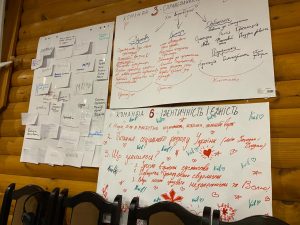
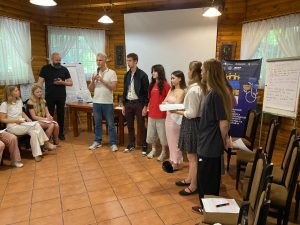
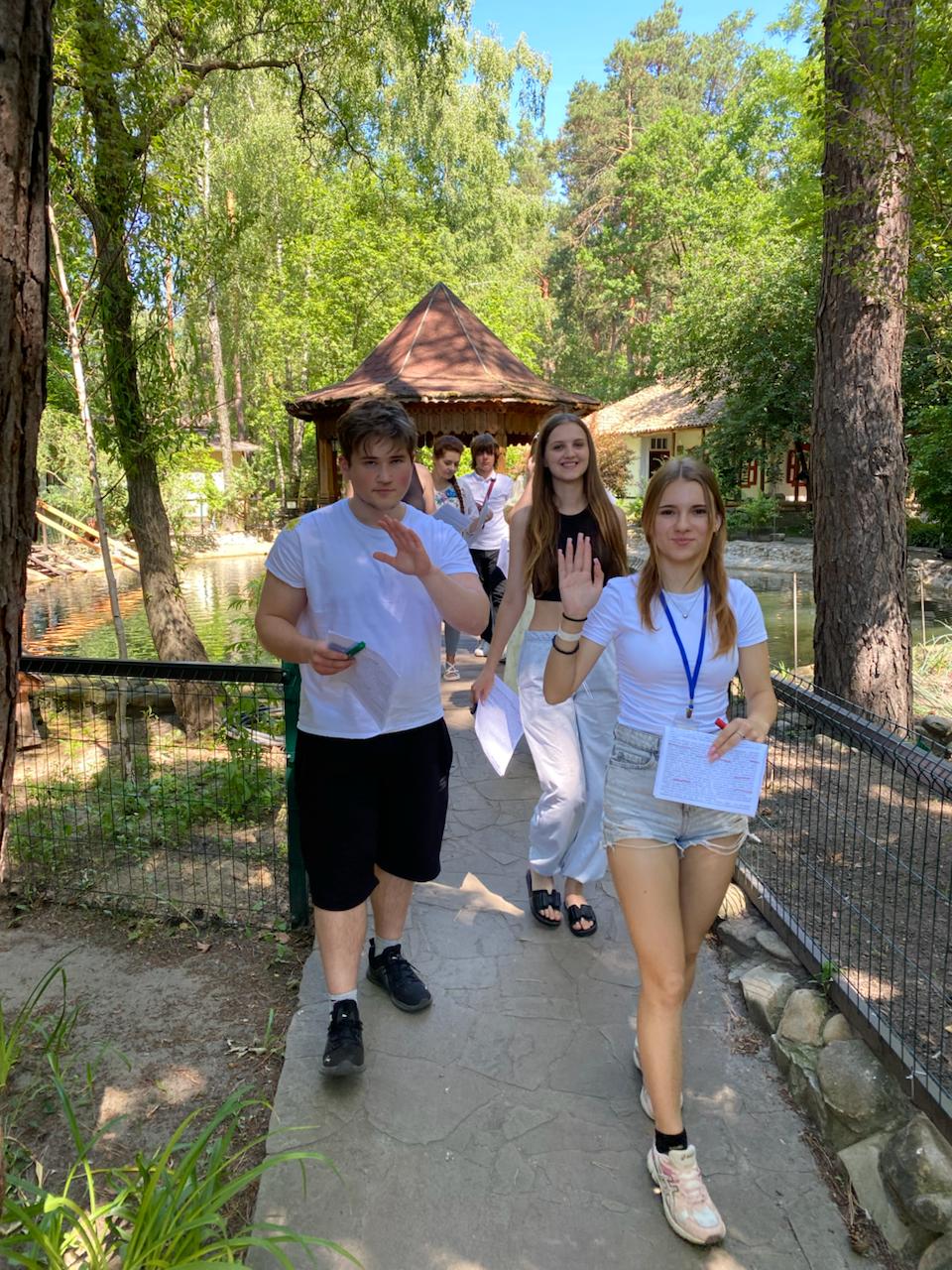
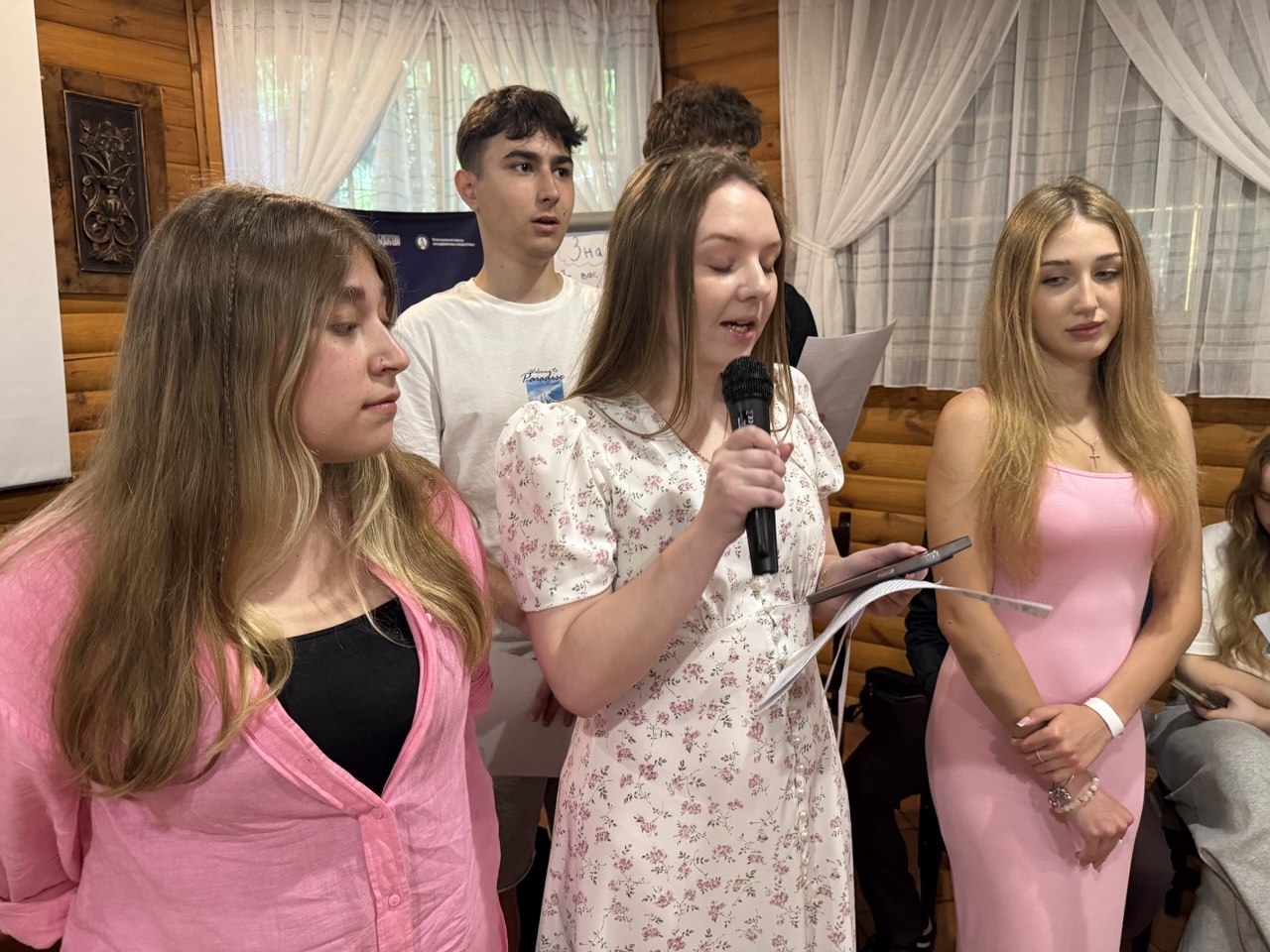
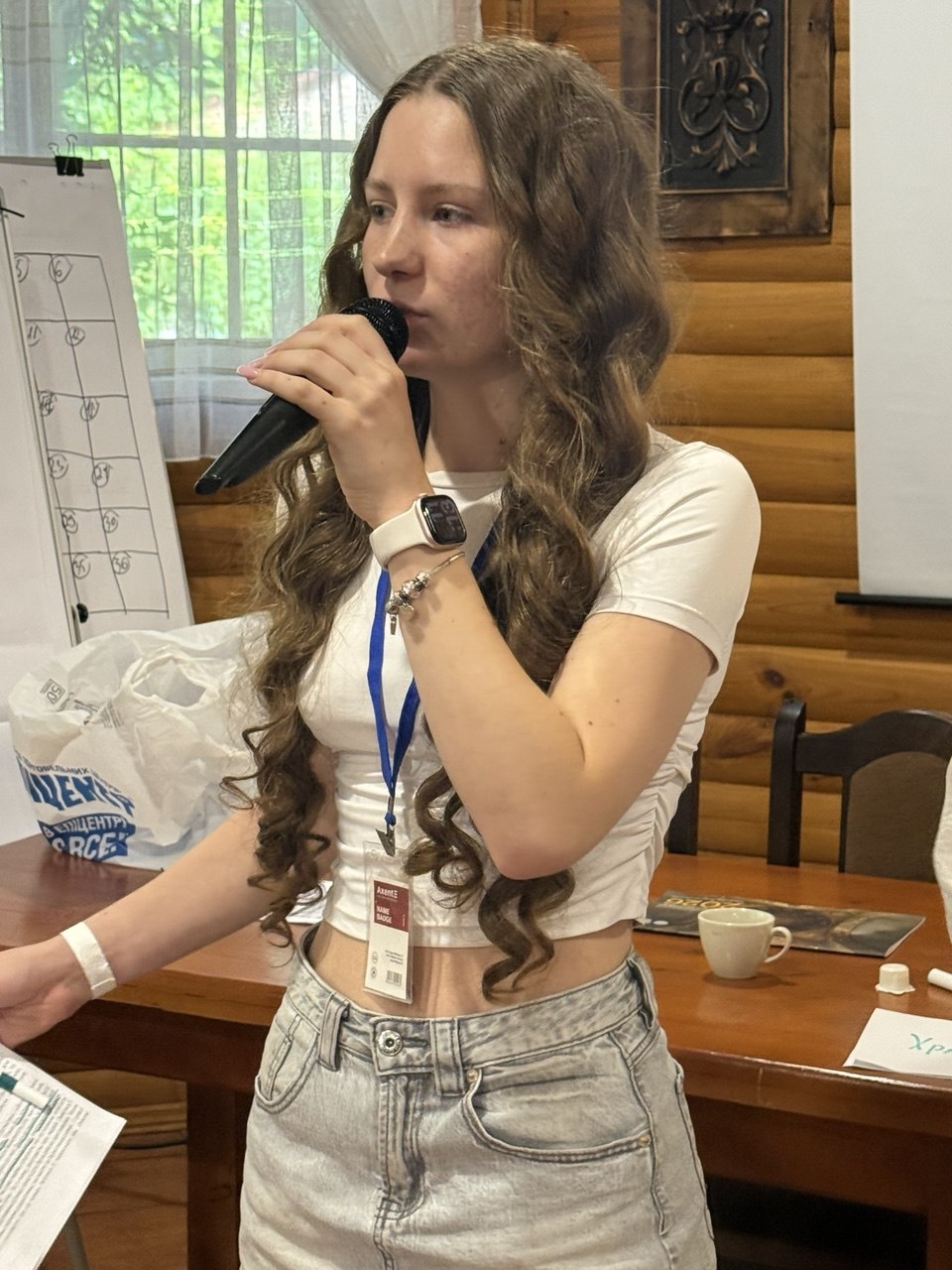
The final day of the Forum became a time to reflect on everything that had been experienced over the previous days. Participants worked in small rotating groups on two key discussion papers: “Ideas for a Ukrainian Metanarrative” and “The Ukraine We Want to Build: A Youth Perspective.” Everyone had the opportunity to present their own vision for Ukraine’s future, contribute ideas, and work together to identify the values and meanings capable of uniting Ukrainian society.
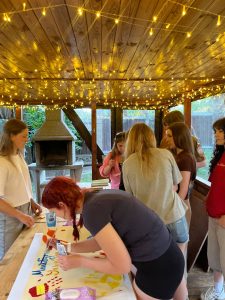
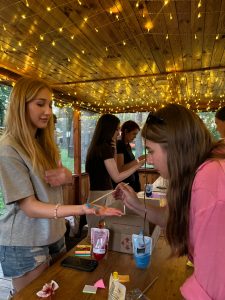
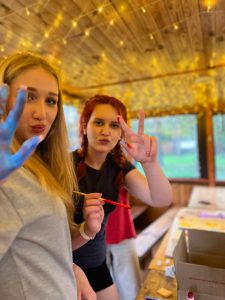
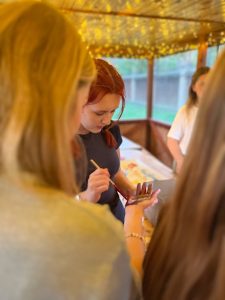
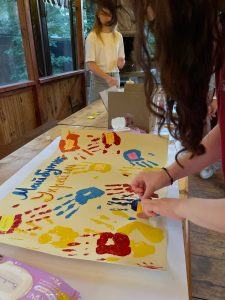
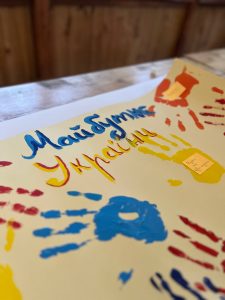
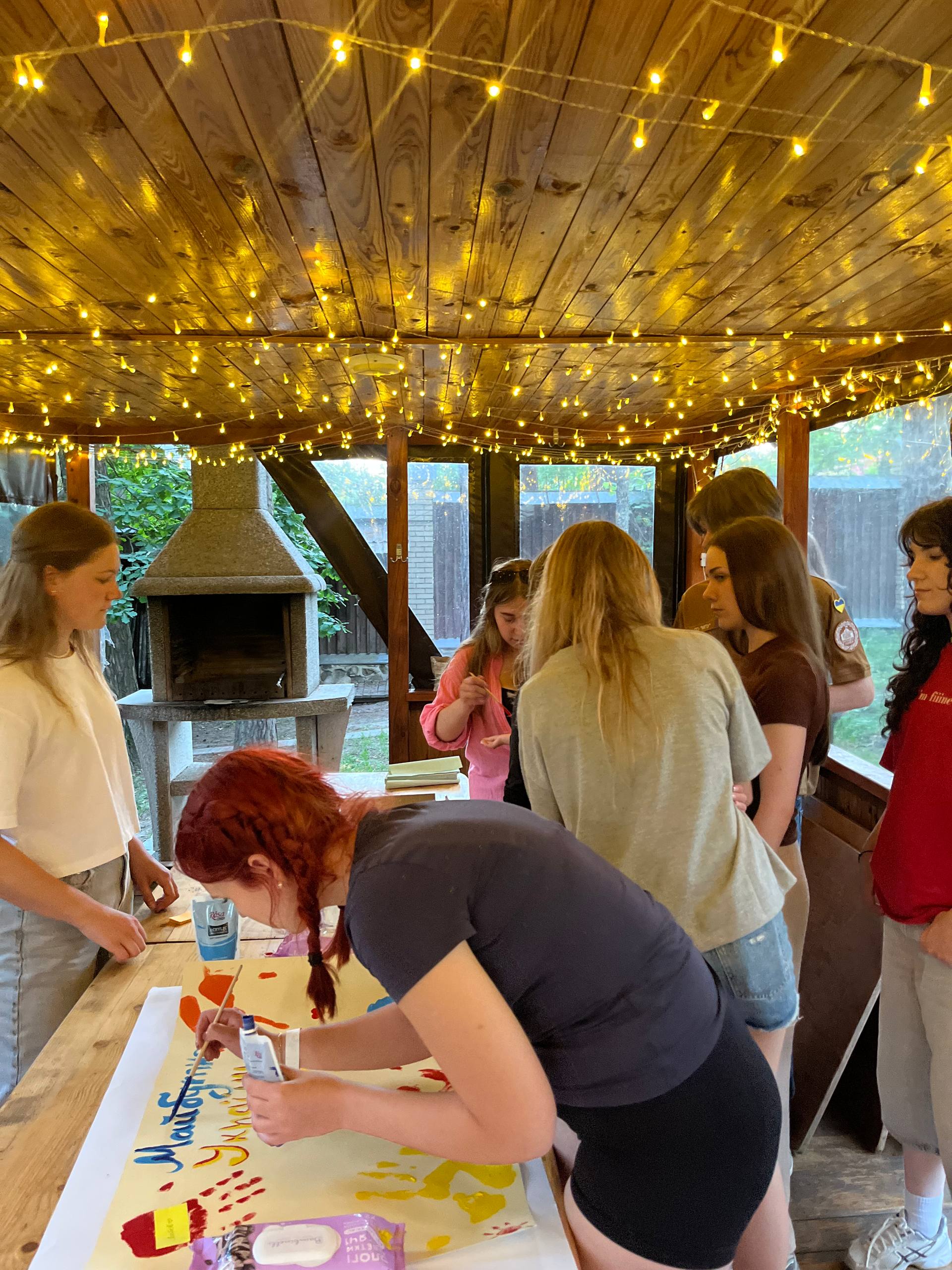
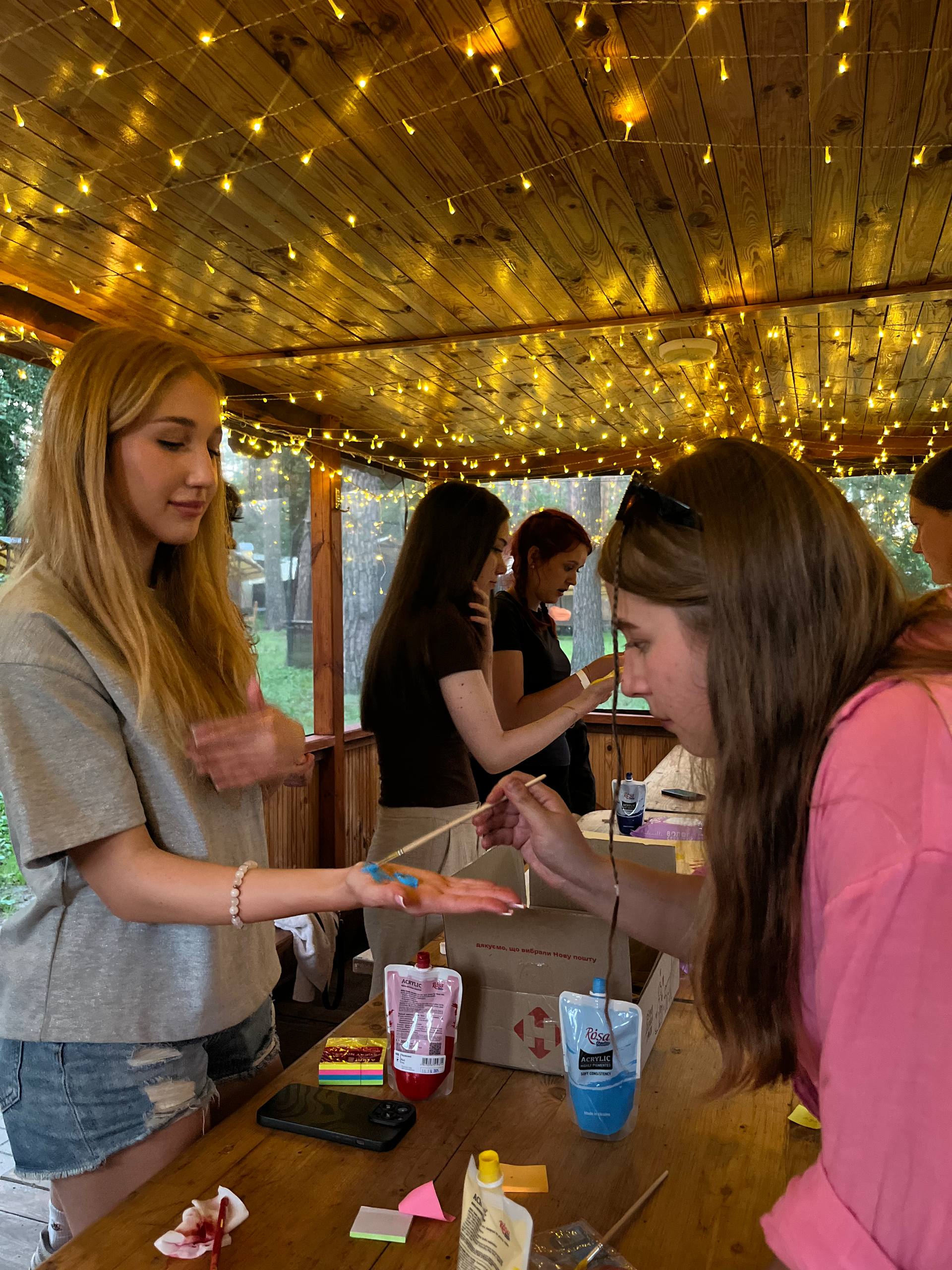
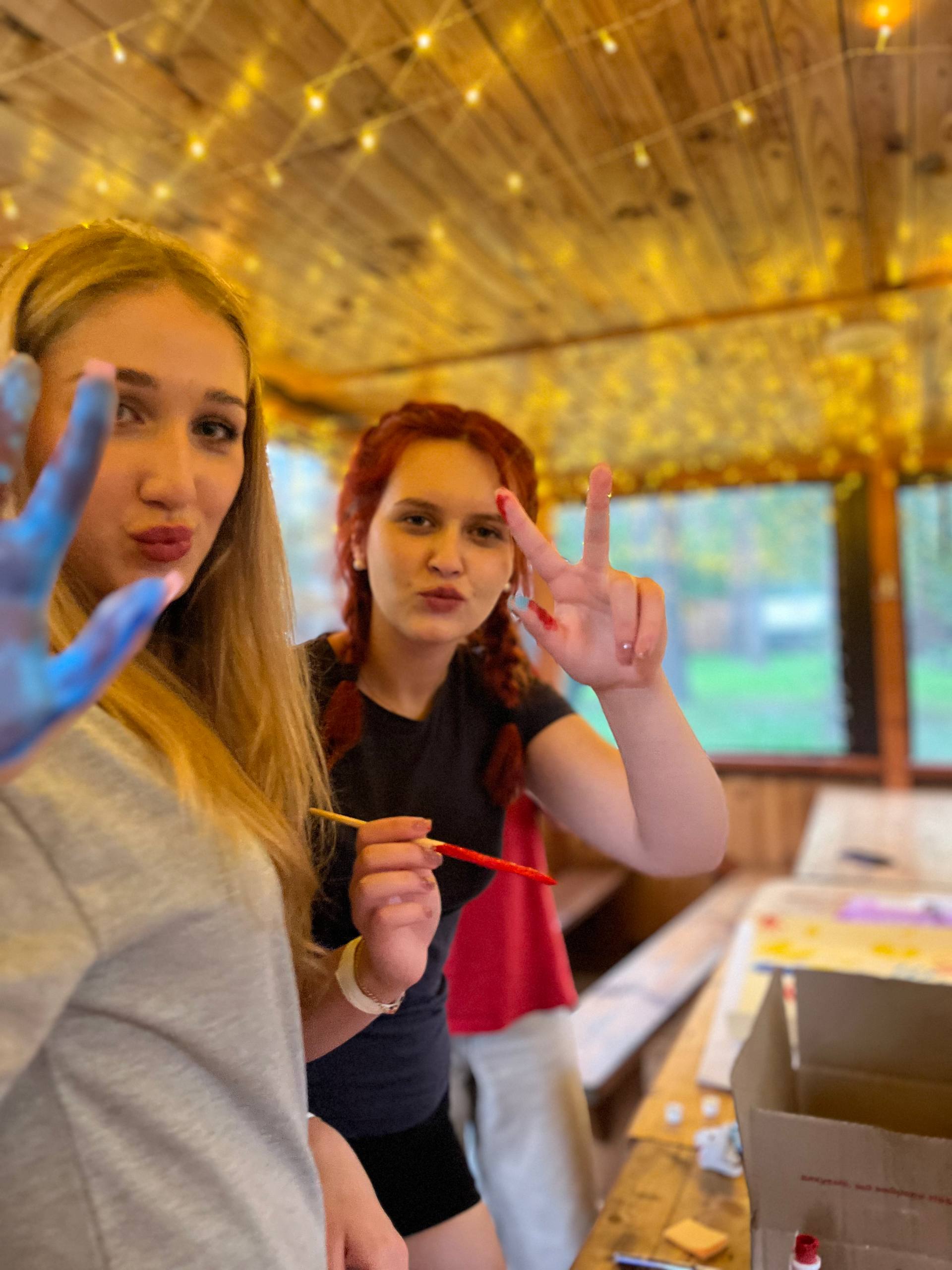
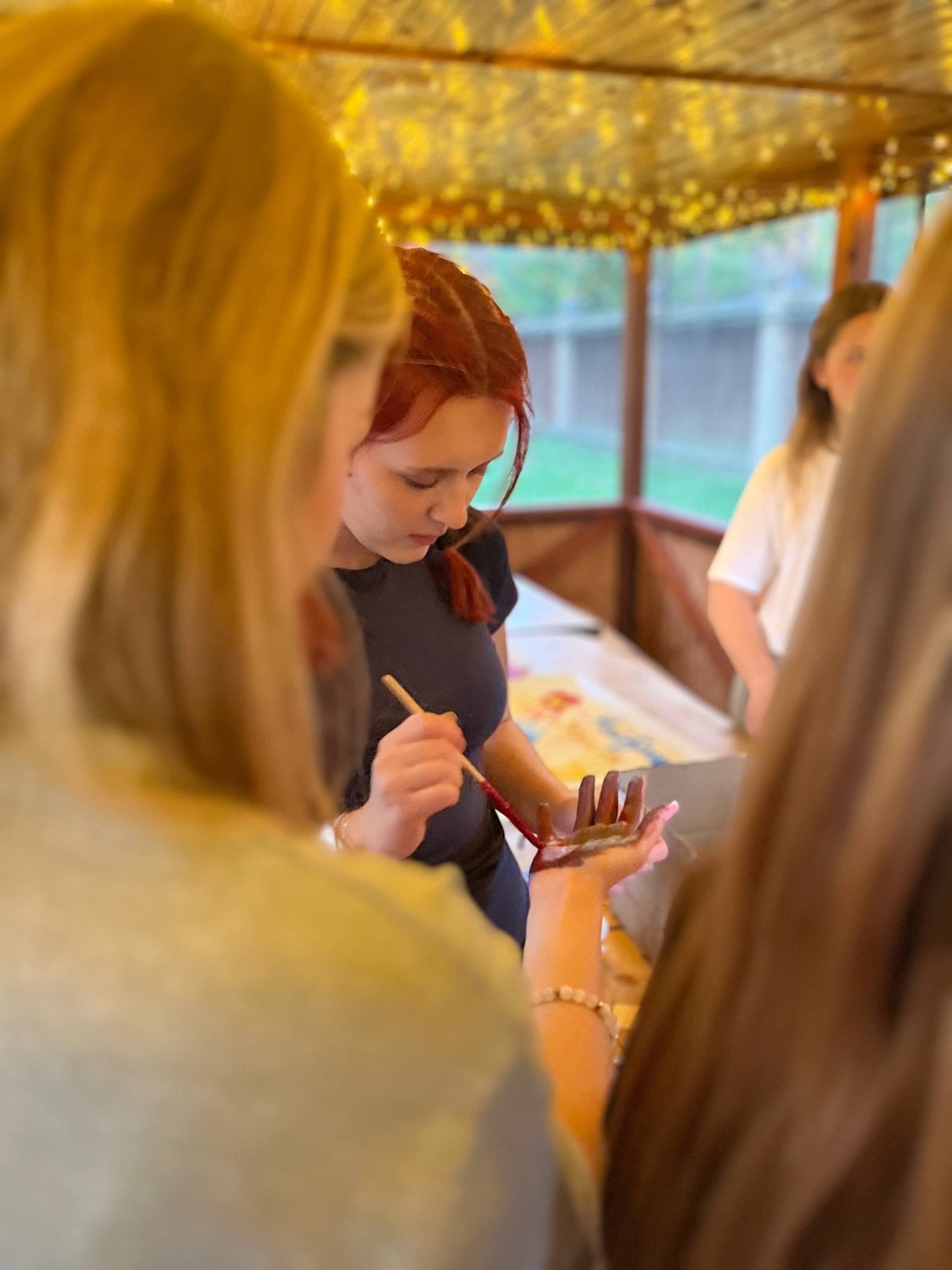
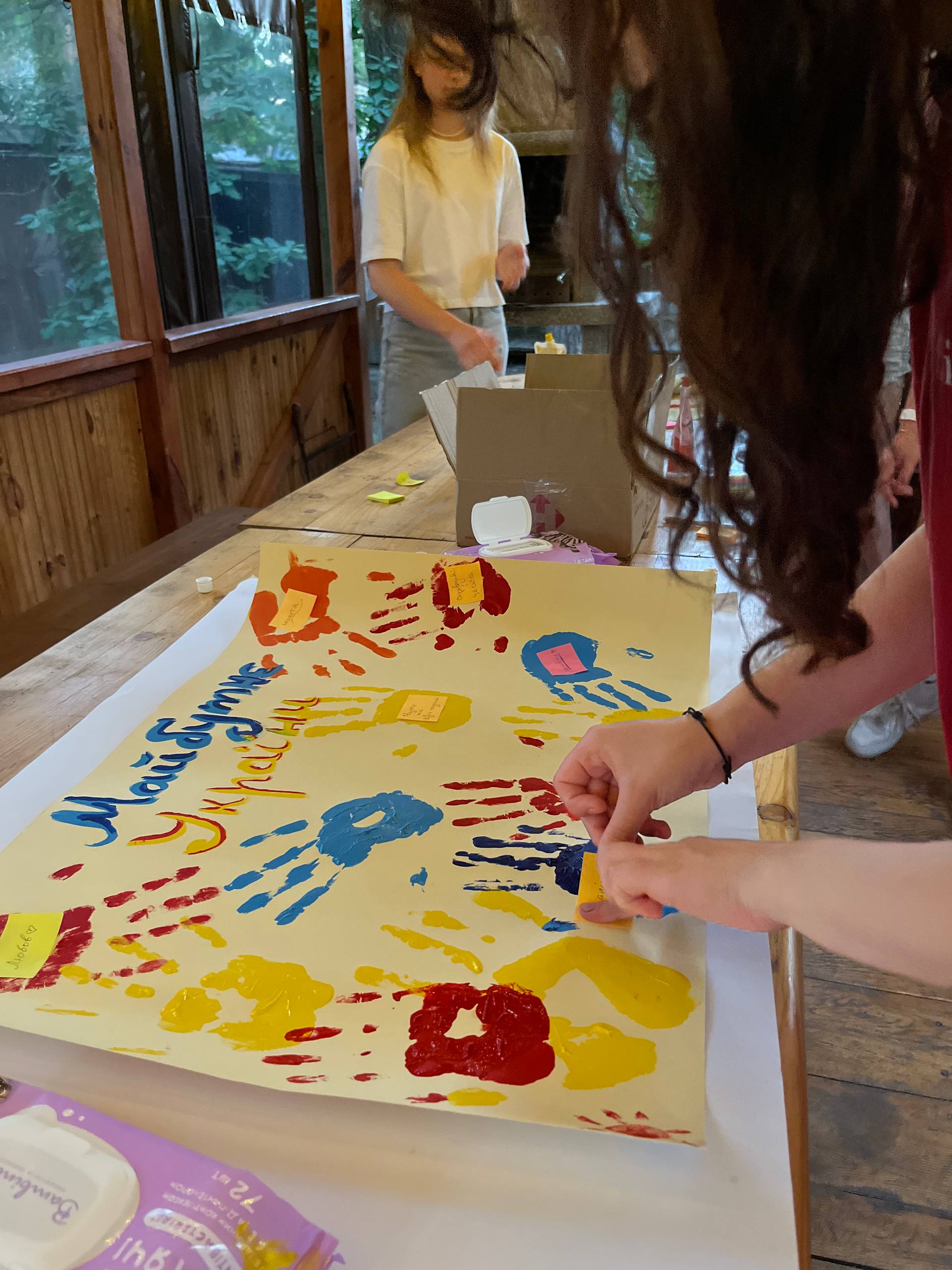
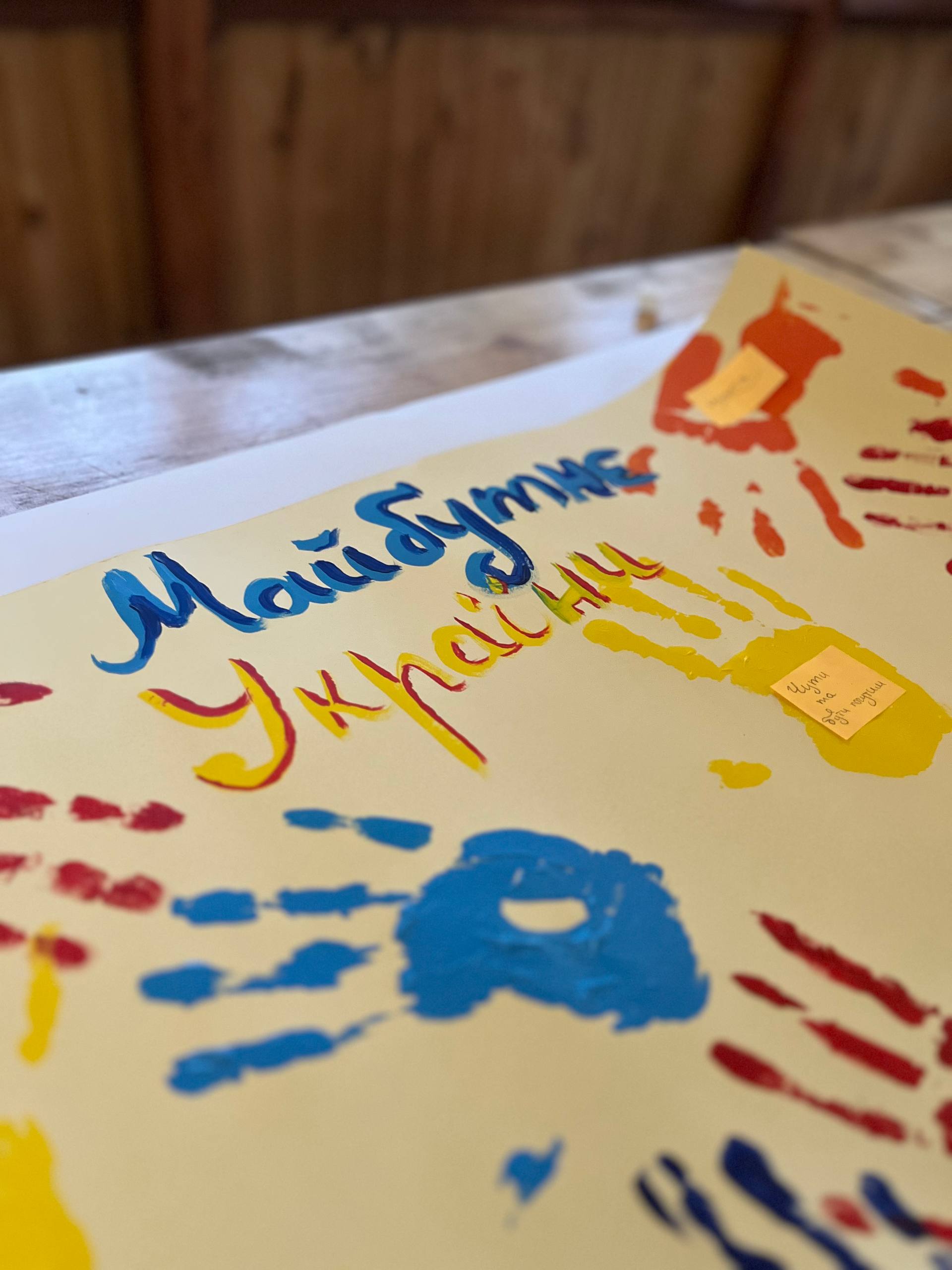
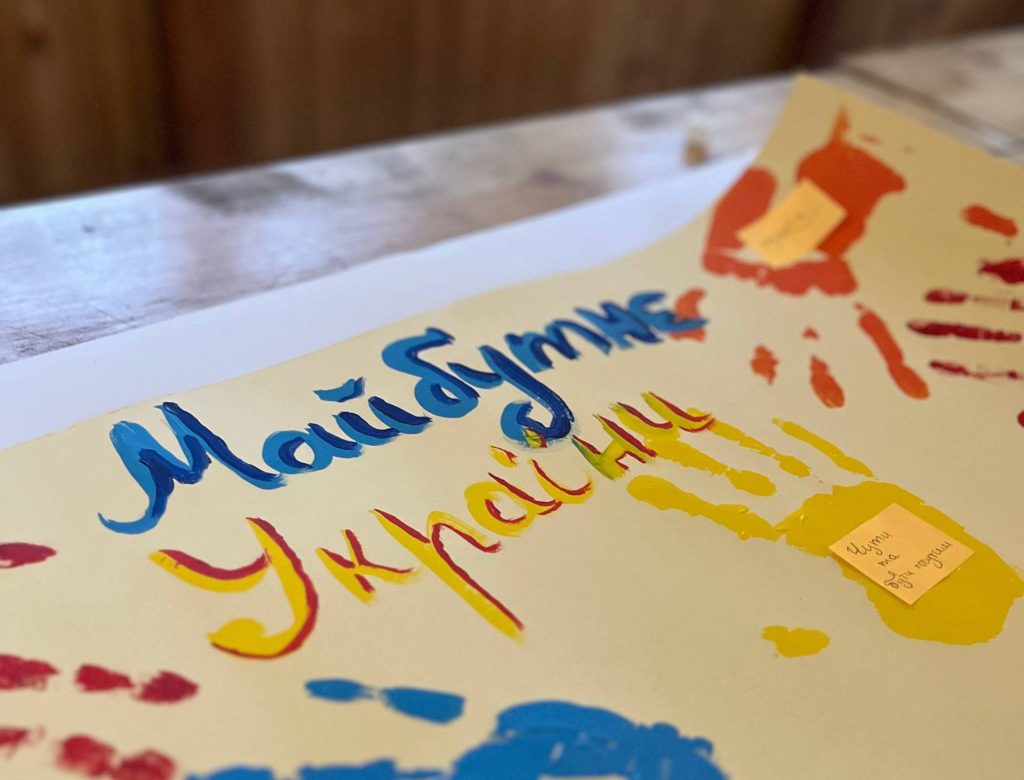
Art therapy sessions also played an important role in the programme, helping participants restore their emotional energy after intensive discussions while creating space for creative expression and teamwork.
Even as the Forum came to an end, the young people were in no hurry to leave. They continued discussing future joint initiatives, exchanging contacts, sharing impressions, and making plans for further cooperation.
These three days were far more than a series of lectures, workshops, and discussions. They became a space where trust, responsibility, and a new generation of young people willing not merely to wait for change but to become its creators began to emerge. Soon, these participants will continue their work in the second phase of the project, implementing their own initiatives within their communities and working together to shape Ukraine’s future.