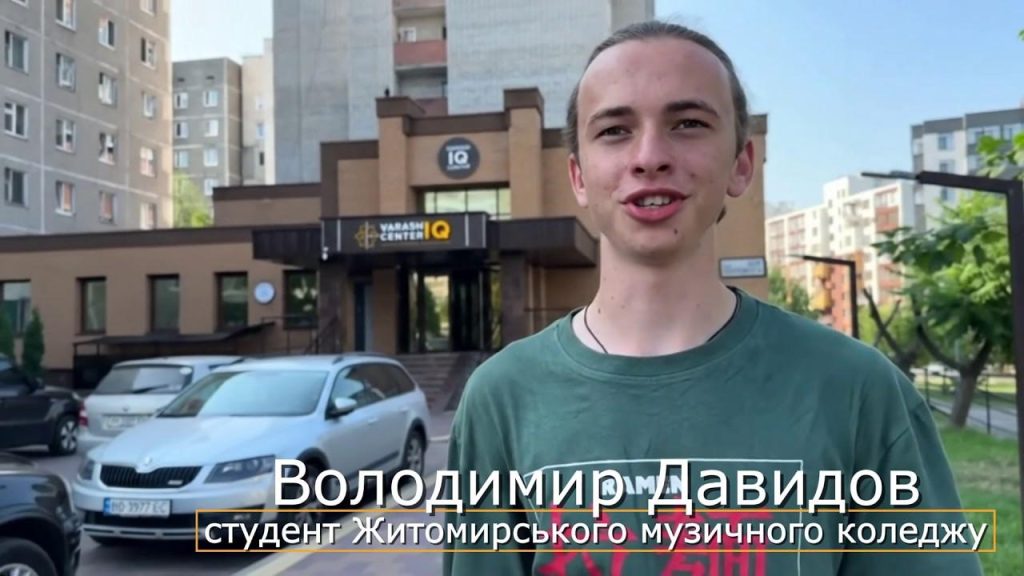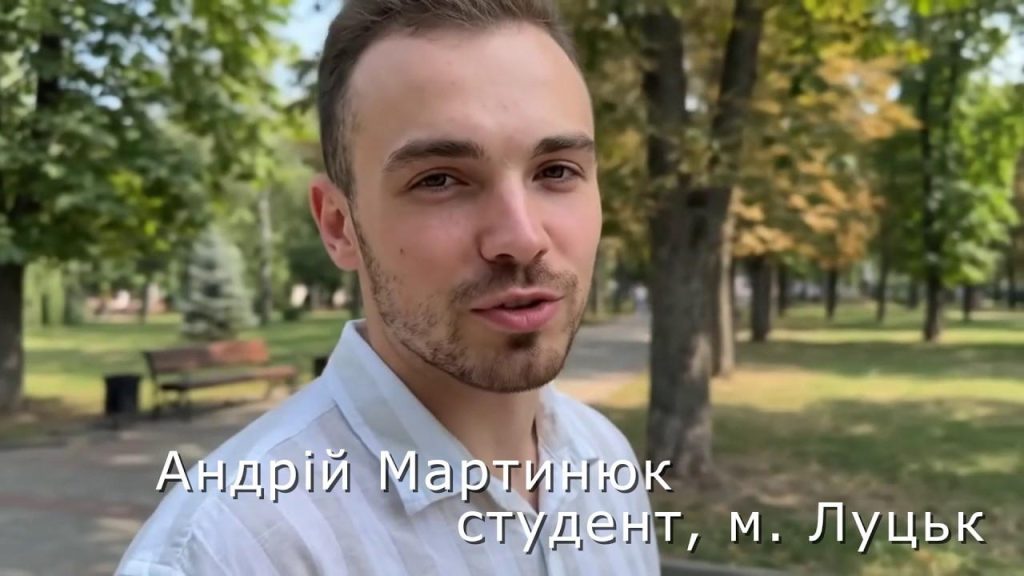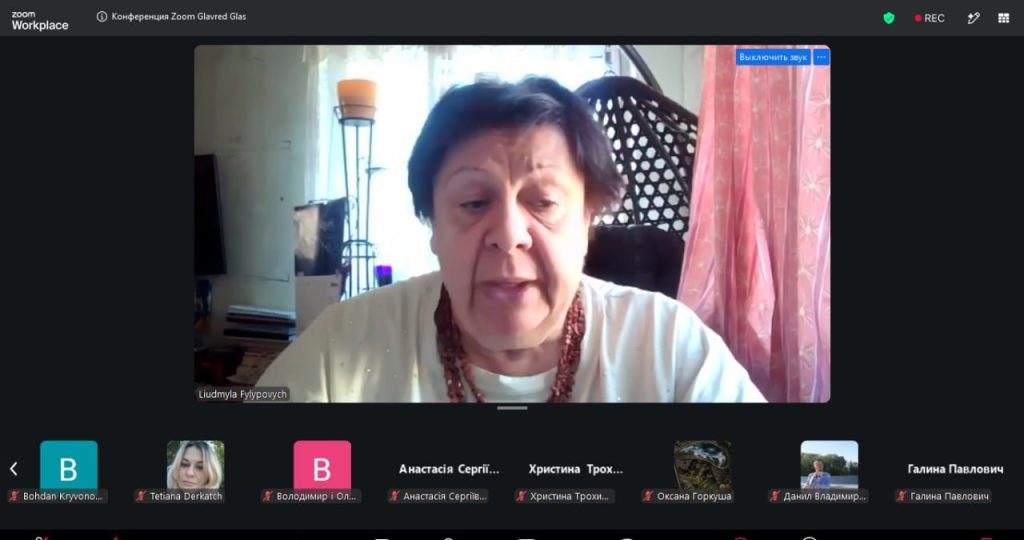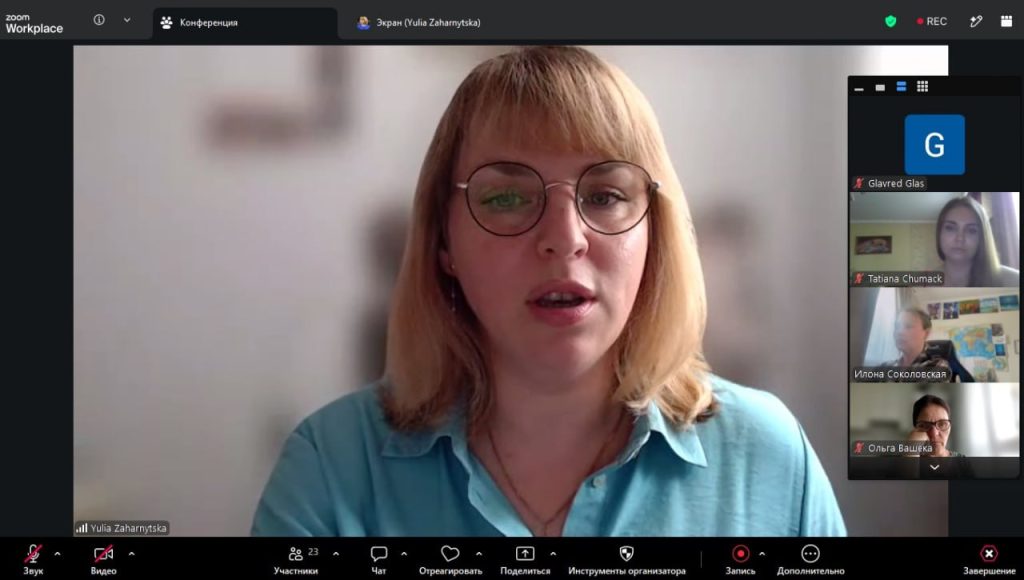


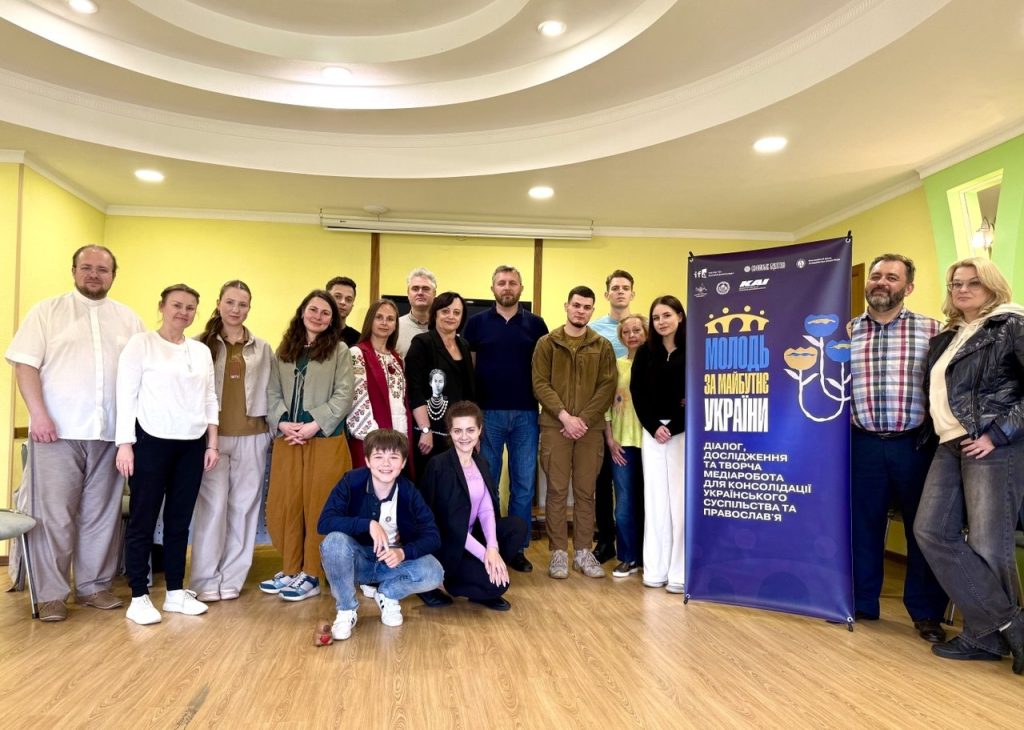
Yesterday, June 3, on the second day of the conference “Common Good: Values and Meanings Around Which the Reconstruction of Ukraine Is Possible,” an in-depth and candid panel discussion took place with the participation of representatives of Ukrainian youth and civil society organizations. The meeting, which brought together young activists, experienced experts, religious leaders, and dialogue facilitators, became a platform for addressing the most difficult challenges of wartime Ukraine.
The central theme of the discussion was the search for values capable of consolidating Ukrainian society and overcoming its internal divisions. Participants openly addressed the issues of artificial polarization, social “bubbles,” and the dangerous tendency to search for internal enemies based on labels such as “served in the military – did not serve,” “draft evader – volunteer,” “left the country – stayed,” and others.
During the panel, the speakers focused on the following key topics:
Psychology and the Historical Causes of Division: Participants noted that Ukrainians have historically become accustomed to living under constant threat and in survival mode. This has fostered pragmatism and a focus on individual survival. In order to move toward synergy and work for the common good, society critically lacks a sense of long-term security and sufficient resources.
Narratives for the Unity of Ukrainian Orthodoxy: Particular attention was devoted to the role of religion in the consolidation of society. Participants discussed concrete ideas and narratives for fostering unity within the Orthodox community in Ukraine. The young participants clearly demonstrated their awareness of the security risks arising from tolerating hostile influences – particularly pro-Russian ones – operating through church structures. At the same time, those present emphasized the importance of distinguishing between externally imposed artificial polarization and genuine differences in worldview, which can only be overcome through a difficult but necessary internal dialogue between ordinary people.
Contemporary Sociology and the Attitudes of Young People: Representatives of civil society organizations shared the results of recent research. According to the data presented, approximately 40–50% of teenagers (aged 14–18) firmly intend to remain in Ukraine, while another group hopes to study abroad but with a clear intention to return. At the same time, the highly motivated and socially active segment of youth constitutes approximately 20–25%.
Motivation to Enter Public Service and Politics: Young panel participants, including representatives of anti-corruption and youth organizations, expressed their readiness to assume responsibility and enter public service. Their goal is to transform the country’s outdated institutional design, combat corruption, and create transparent conditions in which people are regarded as the highest value, despite relatively low entry-level salaries.
Finding a Balance Between Idealism and Financial Sustainability: A separate discussion focused on how young leaders can avoid burnout while engaged in volunteer work and social initiatives. Participants explored models for developing passive income and ethical businesses that provide financial independence while enabling continued selfless service to the community.
“We cannot simply theorize about what kind of country we want young people to live in. We must listen to how they themselves envision it. Today’s generation is already learning to think critically, participate in political life, and seeks to rebuild Ukraine not by merely copying Europe, but by creating its own unique and effective system,” the panel participants concluded.
The discussion demonstrated that, despite all the hardships, the trauma of war, and economic challenges, Ukrainian youth display a remarkable level of awareness and maturity. They are ready to become a driving force for dialogue and meaningful change in the country.
The conference was held as part of the project “Youth for the Future of Ukraine: Dialogue, Research, and Creative Media Work for the Consolidation of Ukrainian Society and Orthodoxy,” implemented on the initiative of the NGO Sophiyske Brotherhood with the support of zivik/IFA (German Federal Foreign Office), the Academic Initiative Charitable Foundation, the Kyiv Aviation Institute, the Foundation in Memory of His Beatitude Metropolitan Volodymyr, and with the participation of the Ukrainian Youth Parliament.